Walking Through Time: The Menominee Nation’s Sustainable Forest – A Traveler’s Deep Dive
Forget what you think you know about forests. Forget the clear-cut scars, the monoculture plantations, or even the hands-off preservation that, while well-intentioned, often divorces humanity from nature. To truly understand a living, breathing, sustainably managed forest, you must walk the ancient lands of the Menominee Nation in northeastern Wisconsin. This isn’t just a travel destination; it’s a profound journey into a 150-year-old experiment, a globally recognized model of ecological wisdom, and a testament to indigenous stewardship, made profoundly accessible through their meticulously crafted maps of sustainable forestry areas.
My recent journey into the Menominee Forest wasn’t just a hike; it was an education, a spiritual awakening, and an immersion into a philosophy that sees humans not as conquerors of nature, but as integral, respectful partners. The Menominee, whose name translates to "wild rice people," have inhabited these lands for millennia, and their approach to forestry is not merely an economic strategy but a living embodiment of their deep cultural values.
The Forest as a Living Library: Unveiling the Menominee Model

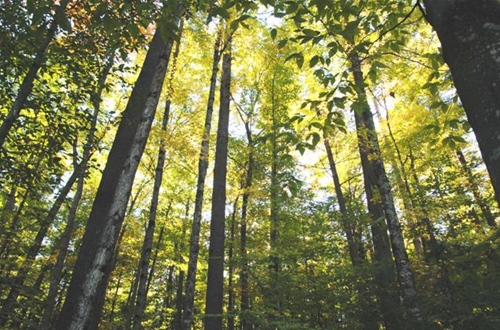
From the moment you step onto the Menominee Reservation, the air feels different. It’s cleaner, crisper, carrying the scent of pine needles, damp earth, and the faint, sweet perfume of unseen wildflowers. The canopy above is dense, a mosaic of hardwoods – maples, oaks, birches – interspersed with towering white pines that seem to touch the sky. This isn’t a random collection of trees; it’s a meticulously managed, biodiverse ecosystem, where every tree has a purpose, and every cut is a deliberate act of care, guided by generations of observation and respect.
The Menominee Forest spans approximately 235,000 acres, and what makes it extraordinary is that since 1854, the Menominee Nation has harvested over two billion board feet of timber from it, yet today, it contains more timber than it did when they began. This isn’t magic; it’s sustainable forestry in action, a concept they practiced long before the term was coined. Their guiding principle is simple yet profound: "Sustaining the forest for 1,000 years." This long-term vision stands in stark contrast to the short-sighted, profit-driven approaches often seen elsewhere.
The maps provided by the Menominee Nation are not merely navigational aids; they are illuminated narratives. They delineate not just trails, but also specific management units, areas designated for selective harvesting, old-growth preserves, vital research plots, and culturally significant sites. These aren’t just cartographic representations of topography; they are living documents, intricately layered with the ecological, historical, and cultural narratives of the forest.
Navigating Wisdom: The Power of the Maps

Before my visit, I spent time poring over these maps, which are often available through the Menominee Tribal Enterprises (MTE) or the Menominee Cultural Museum. They are unlike any recreational trail map you’ve encountered. While they show roads and primary trails, their true value lies in the overlays that illustrate the why and how of Menominee forestry.
One map section might highlight a "selection harvest" area from five years ago. Walking through it, you don’t see devastation; you see a healthy, thriving forest where specific trees were carefully chosen and removed to promote the growth of others, to enhance biodiversity, or to mimic natural disturbance patterns. The map might indicate the species targeted, the volume removed, and the projected regeneration. It transforms a simple walk into a detective mission, understanding the intricate balance at play.
Another map might pinpoint an "old-growth preserve," an untouched sanctuary where ancient pines stand sentinel, providing critical habitat for wildlife and serving as a genetic reservoir. These areas are sacred, living monuments to the forest’s resilience and the Menominee’s commitment to preservation within their working forest. The map helps you appreciate the contrast – the vibrant, managed areas alongside the pristine, untouched pockets, all part of a larger, interconnected system.
What I found particularly fascinating were the maps detailing specific research plots. The Menominee Forest has been a living laboratory for forest science for decades, attracting researchers from around the globe. These maps show where specific experiments are underway – perhaps comparing different regeneration techniques, studying the impact of climate change on specific tree species, or monitoring wildlife populations. Visiting these sites, guided by the maps, allows you to witness scientific inquiry happening in real-time, underscoring the Menominee’s dedication to adaptive management and continuous learning.

An Immersive Experience: Beyond the Trees
My journey began at the Menominee Cultural Museum, a crucial starting point for any visitor. Here, I gained a foundational understanding of Menominee history, culture, and their deep connection to the land. The museum emphasizes the principle of "sustainable development," where economic prosperity is inextricably linked to environmental and cultural preservation. This context is vital for appreciating the forest itself.
Armed with maps and a newfound understanding, I set out. One of the most impactful experiences was traversing a section of the "Ancestral Canopy Trail," a conceptual path that isn’t always physically marked but is highlighted on the maps as an area of historical significance. Here, the map pointed out former village sites, ancient burial grounds, and areas where specific medicinal plants traditionally grew. It transformed the landscape from mere scenery into a living historical document, echoing with the whispers of generations past. The forest felt less like a collection of trees and more like a wise elder, brimming with stories.
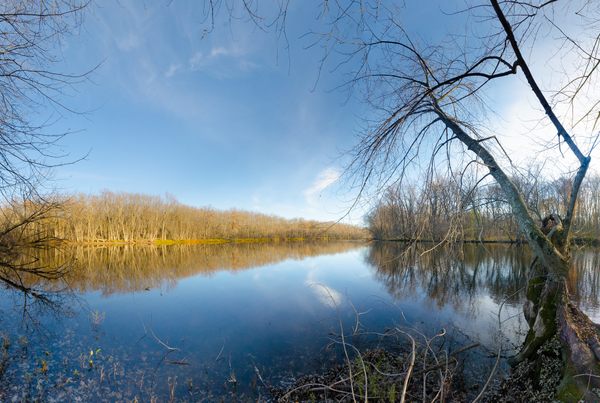
Another area that captivated me was the section around the Wolf River, which meanders through the reservation. The maps here detailed riparian buffer zones – areas left untouched to protect water quality and aquatic ecosystems. Paddling a canoe down the river, guided by the map’s contours, offered a different perspective of the forest’s health. The clear water, the abundant birdlife, and the undisturbed riverbanks were tangible proof of the effectiveness of these sustainable practices.
The beauty of the Menominee Forest isn’t just in its grandeur, but in its subtle details. Walking through areas marked for "selective thinning," I noticed the varying ages of trees, the healthy undergrowth, and the abundance of diverse flora and fauna – deer tracks, bird calls I couldn’t identify, and the rustle of unseen creatures. It’s a stark contrast to the often sterile, uniform appearance of conventionally managed forests. The maps, in essence, give you X-ray vision, allowing you to see the invisible layers of management and intentionality beneath the verdant surface.
Practicalities and Respectful Engagement
Getting There: The Menominee Reservation is located in northeastern Wisconsin, with Keshena serving as the tribal seat. It’s accessible by car, roughly an hour north of Green Bay.
When to Visit: Each season offers a unique perspective. Spring brings vibrant greens and wildflowers; summer is ideal for hiking and water activities; autumn explodes with breathtaking fall colors; and winter transforms the forest into a serene, snow-draped wonderland, perfect for snowshoeing or cross-country skiing (check conditions and accessibility).
Accommodation: Options range from staying at the Menominee-owned casino resort to local hotels in nearby towns, or even camping within designated areas on the reservation (permits may be required, check in advance).
What to Do:
- Visit the Menominee Cultural Museum: Essential for context.
- Explore the Forest: Utilize the maps to embark on self-guided tours. Focus on areas that highlight different forestry practices.
- Hiking & Nature Photography: The diverse landscapes offer endless opportunities.
- Paddling: The Wolf River and other waterways provide beautiful routes.
- Birdwatching: The healthy ecosystem supports a wide variety of bird species.
- Attend Cultural Events: If your visit coincides, participating in tribal events can be incredibly enriching (check the Menominee Nation’s official website for calendars).
Respectful Travel:
- Leave No Trace: Pack out everything you pack in.
- Stay on Marked Trails: Protect sensitive ecosystems and cultural sites.
- Respect Private Property: The reservation is the sovereign territory of the Menominee Nation.
- Ask Permission: If you wish to photograph individuals or participate in specific activities, always ask first.
- Learn and Listen: Approach your visit with an open mind and a willingness to learn from the Menominee people and their profound connection to the land.
The Lasting Impression
My journey through the Menominee Nation’s sustainable forest was more than just a trip; it was a pilgrimage to a place where ancient wisdom meets modern science, where economic livelihood is harmonized with ecological integrity, and where human hands work in concert with nature, not against it. The maps, initially just pieces of paper, became portals, revealing the depth of thought, the intergenerational commitment, and the profound love for the land that defines the Menominee people.
This forest isn’t just a collection of trees; it’s a living curriculum, a beacon of hope for a world grappling with environmental degradation. It proves that it is possible to harvest responsibly, to prosper sustainably, and to honor the sacred trust of stewardship for generations yet to come. For any traveler seeking not just beauty, but also profound understanding and inspiration, the Menominee Forest, guided by its maps of sustainable forestry, offers an unparalleled experience that will forever change how you view the natural world. It’s a journey into the very heart of sustainability, taught by its truest pioneers.

