
Walking the Ancestral Grid: Navigating Ancient Hunting Grounds of the Cedar Mesa Plateau
Forget the static, two-dimensional lines of modern cartography. To truly understand the profound knowledge embedded within Native American maps of traditional hunting territories, one must step onto the land itself. Our destination: the Cedar Mesa Plateau and its labyrinthine canyon systems, a region in Southeastern Utah where the very landscape serves as a living, breathing testament to millennia of Indigenous territorial understanding. This isn’t just a scenic vista; it’s an immersive classroom, a historical document etched in stone and sky, revealing the intricate dance between hunter and hunted, people and place.
This review isn’t about visiting a museum display of ancient maps, though such artifacts exist and are invaluable. Instead, it’s about the visceral experience of walking the map – understanding the terrain as the ancestors did, deciphering the clues of resource, shelter, and passage that would have guided their movements across vast, often challenging, landscapes. Cedar Mesa offers an unparalleled opportunity to connect with this deeper cartographic tradition, where knowledge was passed not just through symbols on hide or rock, but through direct, intimate interaction with every ridge, every water source, every seasonal migration of game.
The Cedar Mesa Plateau is a vast, elevated expanse of sandstone, cut by an intricate network of deep canyons – Grand Gulch, Butler Wash, Comb Ridge, and countless others – that drain into the San Juan River. For thousands of years, this region has been home, resource, and spiritual center for various Indigenous peoples, including the Ancestral Puebloans (Anasazi), Ute, Navajo, and Paiute. Their traditional hunting territories here were not arbitrary lines drawn on a parchment; they were meticulously understood ecological systems, defined by a profound awareness of the land’s carrying capacity, its seasonal offerings, and the behavior of its wildlife.

To begin, one must grasp the fundamental difference between Western and Indigenous mapping. Western maps often prioritize property, boundaries, and static locations. Indigenous maps, particularly those related to hunting territories, were often dynamic, emphasizing routes, resources, seasonal availability, and the relationships between various elements of the landscape. They were less about "where is this spot?" and more about "how do I move through this land to sustain myself and my community?"
As you traverse Cedar Mesa, whether hiking its mesa tops or descending into its canyons, this ancient wisdom becomes strikingly apparent. The mesa tops, vast and often sparsely vegetated, served as pathways and lookout points. From these elevated perches, ancient hunters could survey vast distances, spotting game – deer, bighorn sheep, rabbits, migratory birds – or identifying the smoke of distant fires, signaling other groups or potential dangers. Their maps would have mentally (or literally, on temporary surfaces) marked prominent buttes, distinctive rock formations, or ancient trails as key navigational waypoints. These weren’t just landmarks; they were anchors in a mental grid, guiding movements across hundreds of square miles.
Descending into the canyons is where the "map" truly reveals its layers. Each canyon system is a world unto itself, offering vital resources often absent on the arid mesa above. Water, the ultimate lifeblood, dictates everything. Traditional hunting maps would have been intricately detailed with every reliable seep, spring, and ephemeral water pocket. Finding these sources today, often hidden within alcoves or at the base of cliff faces, is a powerful reminder of their critical importance. A hunter’s ability to navigate to these life-sustaining oases would have been paramount to survival, a skill passed down through generations and central to their territorial knowledge.
The canyons also provide shelter – rock shelters and overhangs that offered respite from the elements, both for humans and for game. These natural features would have been crucial points on any hunting map, indicating places to rest, process game, or wait out a storm. Moreover, the varied microclimates within the canyons foster different plant communities. Edible plants, medicinal herbs, and materials for tools or shelter would have been seasonally available, and their locations meticulously recorded within the collective territorial memory. The hunter wasn’t just seeking meat; they were interacting with an entire ecosystem, a holistic approach to sustenance that their "maps" inherently represented.
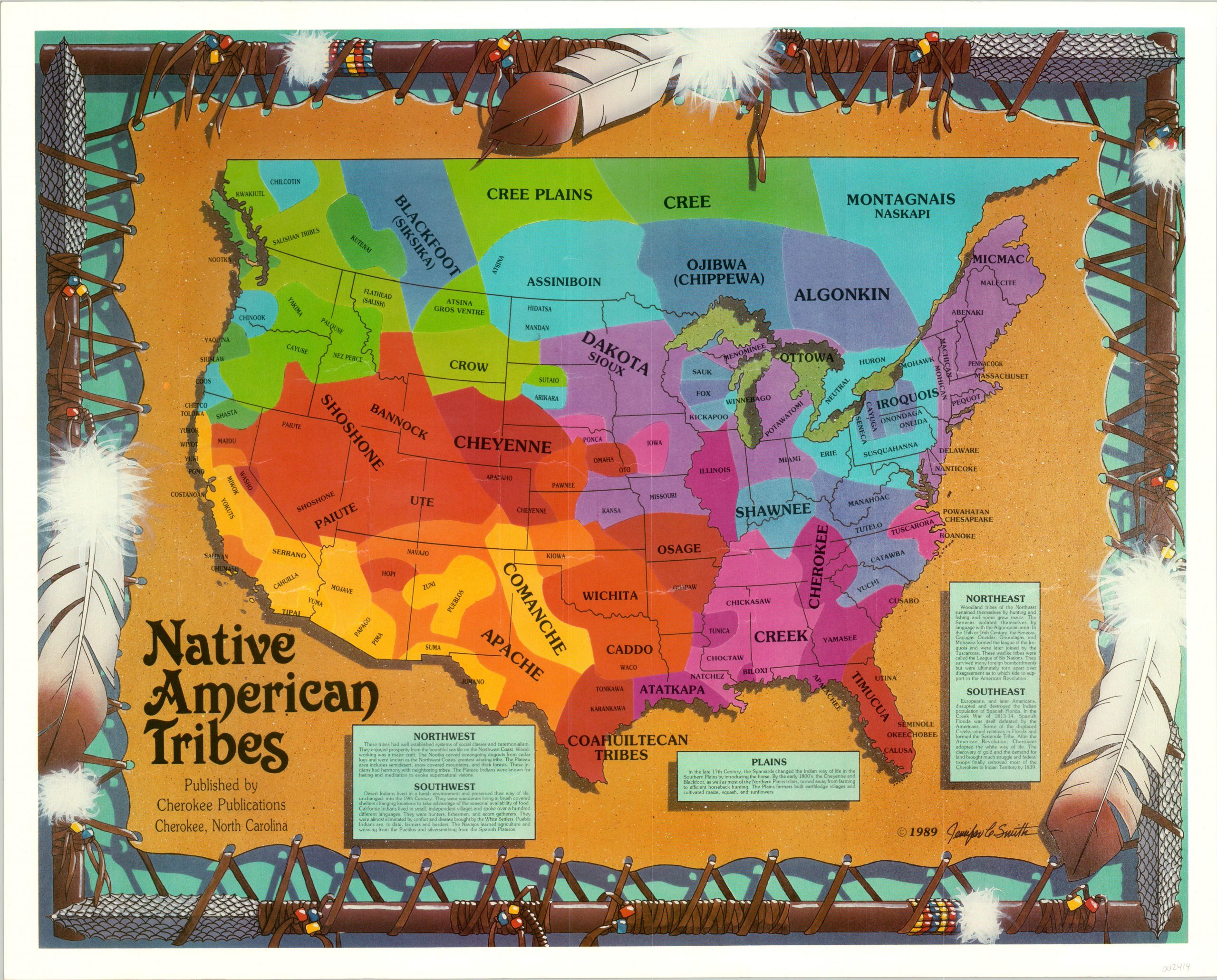
Wildlife migration patterns were another crucial element of traditional hunting territories. Animals like deer and bighorn sheep move between higher and lower elevations, or in response to water and forage availability. Ancient maps would have charted these movements, identifying traditional game trails, seasonal crossings, and prime ambush points. Walking these very same trails today, one can almost sense the presence of those who came before, patiently observing, tracking, and interacting with the natural world. The petroglyphs and pictographs often found near these trails and water sources – depicting bighorn sheep, deer, or human figures with atlatls – serve as ancient markers, perhaps even instructional guides or records of successful hunts, further enriching the landscape as a historical document.
Consider the sheer scale of these territories. A single hunting group or family might utilize hundreds, even thousands, of square miles over the course of a year. Their maps weren’t a single artifact, but a vast, interwoven tapestry of knowledge shared verbally, through stories, songs, and direct experience. Visiting Cedar Mesa allows you to tap into this living tradition. As you navigate the terrain, you begin to understand the logic: the placement of a granary high on a cliff face, just above a reliable spring; the subtle game trail leading to a hidden valley rich with forage; the strategic location of a lookout point offering a panoramic view of potential game movements. Each element reinforces the idea that the land itself is the map, and its features are the symbols.
Experiencing Cedar Mesa through this lens demands a certain approach to travel. It’s not about rushing from one designated viewpoint to the next. It’s about slowing down, observing, and engaging. Hike a wash for several miles, paying attention to the changing vegetation, the animal tracks, the subtle signs of water. Spend time at a known archaeological site, not just to admire the ruins, but to consider why that location was chosen – its proximity to resources, its defensibility, its access to travel routes. Imagine the daily lives of those who mapped this land with their footsteps and their knowledge.
Responsible visitation is paramount. This land is sacred to many Indigenous peoples, and its archaeological resources are fragile and irreplaceable. Stick to established trails where possible, leave no trace, and never disturb or remove artifacts. Our role as visitors is to learn, to appreciate, and to respect the deep history that permeates every rock and canyon. Understanding traditional hunting territories isn’t just an academic exercise; it’s a pathway to appreciating the profound, sustainable relationship Indigenous cultures have cultivated with their environment for millennia.
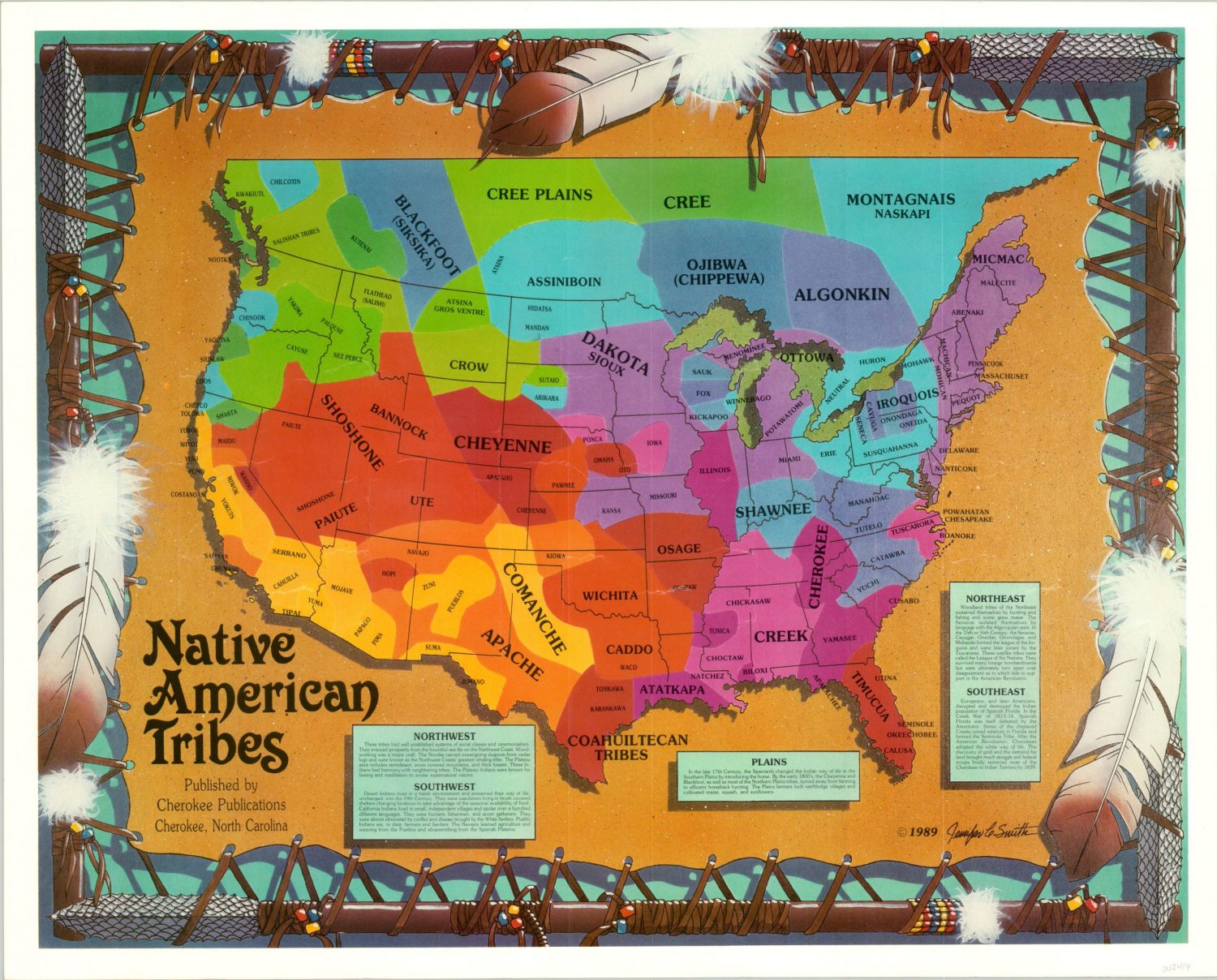
In conclusion, a journey to the Cedar Mesa Plateau is more than a scenic adventure; it’s an invitation to step into a different way of seeing the world. It’s an opportunity to experience a landscape that served as a dynamic, multi-layered map for generations of Native American hunters and gatherers. By immersing yourself in its canyons, mesas, and ancient sites, you don’t just see the land; you begin to read it, understanding the intricate web of resources, routes, and relationships that defined traditional hunting territories. This experience offers a profound appreciation for the ingenuity, resilience, and deep ecological wisdom of the Indigenous peoples who walked these ancestral grids long before any modern map was ever conceived. It’s a journey not just through space, but through time and knowledge, leaving you with a richer understanding of land, culture, and humanity’s enduring connection to place.


