
Unearthing the Indigenous Atlas: A Journey Through Bears Ears National Monument
To travel is often to pull out a map, tracing lines and plotting routes, navigating by the grid of modern cartography. But what if the map isn’t a static piece of paper, but the very land itself, etched with millennia of stories, ceremonies, and migrations? What if every peak, canyon, and water source is a marker in an ancient, living atlas passed down through generations? This profound concept comes vibrantly to life in Bears Ears National Monument, a landscape in southeastern Utah where the notion of "Native American maps of ancestral homelands" transcends academic discussion to become a tangible, visceral experience for any thoughtful traveler.
Bears Ears is not merely a collection of stunning red rock formations and ancient cliff dwellings; it is a sacred library, a vast open-air museum, and, crucially, a deeply personal map for a coalition of sovereign Native American nations – the Ute Mountain Ute Tribe, Navajo Nation, Ute Indian Tribe of the Uintah and Ouray Reservation, Hopi Tribe, and Zuni Tribe – whose ancestors have stewarded these lands since time immemorial. Their maps are not drawn with latitude and longitude but with memory, oral tradition, song, and an intimate understanding of ecological rhythms and spiritual pathways.
The Land as a Living Cartography
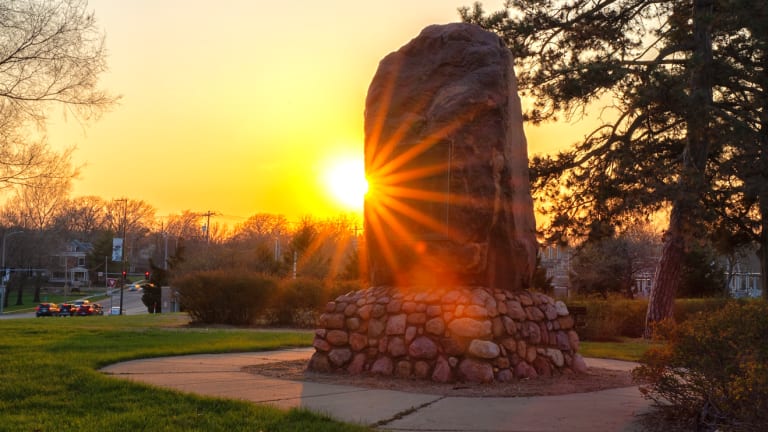
From the moment you enter Bears Ears, the landscape itself begins to speak. The twin buttes that give the monument its name, rising majestically against the horizon, are more than geological features; they are navigational beacons, spiritual sentinels, and anchors in a vast indigenous worldview. As you traverse the monument’s diverse terrain – from the pinyon-juniper forests of the higher elevations to the deep, winding canyons carved by ancient rivers – you are walking through layers of history and meaning. Every alcove sheltering a delicate ruin, every rock face adorned with petroglyphs or pictographs, every hidden spring, and every mesa top offering panoramic views, served as a point of reference in an ancestral navigation system far more sophisticated than any contemporary GPS.
Imagine a time before satellite imagery, when survival depended on an intimate knowledge of water sources, seasonal plant cycles, and animal migrations. Indigenous peoples "mapped" these critical elements not on paper, but in their minds and bodies, through stories tied to specific places, through songs that described journeys, and through ceremonies performed at sacred sites. A particular rock outcrop might mark the boundary of hunting grounds, a cluster of ruins the location of a vital community, or a natural arch the gateway to a spiritual realm. These were maps of sustenance, community, and spirit, inextricably linked to identity and belonging. The very act of living on and with the land created and reinforced these internal maps, making the landscape itself the ultimate, dynamic cartographic tool.
Beyond Western Grids: Understanding Indigenous Spatial Knowledge
Western cartography, with its emphasis on objective measurements, political boundaries, and a top-down view, often fails to capture the multi-dimensional complexity of indigenous spatial knowledge. For Native American peoples, ancestral homelands are not just geographic coordinates; they are repositories of cultural heritage, spiritual power, and intergenerational memory. The "map" encompasses not only where things are but also who was there, what happened there, and why it is significant. This includes the trails followed by ancestors, the places where prayers were offered, where resources were gathered, and where battles were fought.
The rock art found throughout Bears Ears serves as a tangible manifestation of these indigenous maps. These ancient images – anthropomorphic figures, animals, symbols, and intricate patterns – are not merely decorative; they are often records of journeys, astronomical observations, historical events, and spiritual teachings. They are visual footnotes in a living atlas, guiding future generations and connecting them to the past. To stand before a panel of petroglyphs is to glimpse a fragment of this profound, holistic way of knowing and mapping the world, a way that prioritizes relationship and meaning over arbitrary lines on a page.
Visiting with Respect: Navigating the Indigenous Map
For the modern traveler, visiting Bears Ears National Monument offers a unique opportunity to engage with this concept of indigenous maps. It demands a shift in perspective, moving beyond simply observing pretty scenery to actively listening to the land and its stories. This requires profound respect and a commitment to responsible tourism.
When you hike to a site like Butler Wash or Grand Gulch, you are not just exploring an archaeological wonder; you are stepping onto a path that has been walked for thousands of years. Every potsherd, every carefully constructed wall, every grinding stone, is a data point in an ancient network of human activity. To touch or disturb these sites is to erase a part of this irreplaceable map. Adherence to Leave No Trace principles is not just good practice; it is an act of cultural preservation. Pack out everything you pack in, stay on marked trails, and never climb on or enter fragile structures. These sites are not abandoned; they are living testaments to enduring cultures, still actively used and revered by descendant communities.
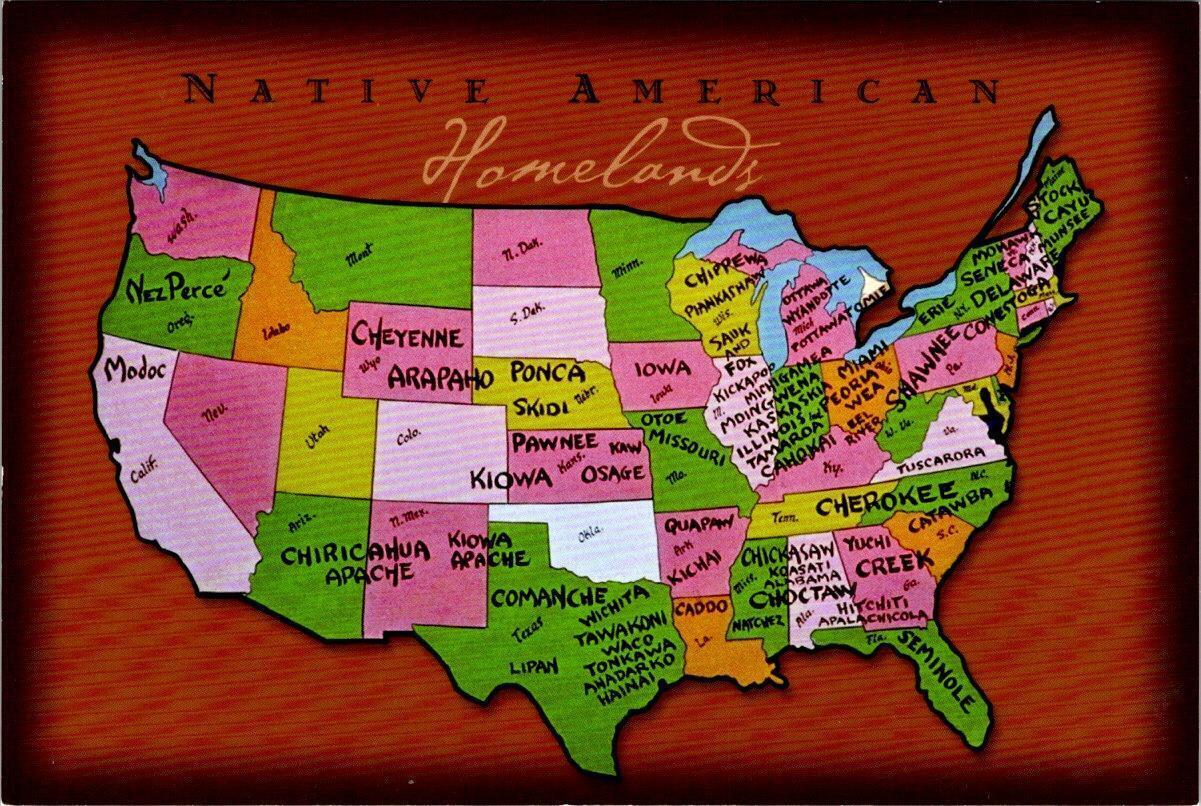
Engaging with the land in this respectful manner allows for a deeper appreciation. Instead of rushing from one "attraction" to the next, take time to sit quietly, observe the subtle shifts in light and shadow, feel the ancient silence, and imagine the lives lived here. Consider the practical knowledge required to thrive in this environment, and how that knowledge was passed down – through the very act of living, storytelling, and ceremonial practice, creating a dynamic, embodied map.
The Struggle for Recognition: Re-asserting the Map
The very existence of Bears Ears National Monument as a protected area is a testament to the power of these indigenous maps and the communities who continue to hold them. The monument was initially designated in 2016 by President Obama, a direct response to a historic proposal from the Bears Ears Inter-Tribal Coalition. This coalition, representing five sovereign nations with ancestral ties to the land, presented a vision for co-management based on their profound, inherited knowledge and stewardship. Their proposal wasn’t just about preserving artifacts; it was about protecting an entire cultural landscape, a continuous living map that had been threatened by looting, development, and extractive industries.
The subsequent reduction of the monument’s size by the Trump administration in 2017 was seen by many, especially the tribal nations, as a direct affront to their sovereignty and their ancestral maps. It fragmented a holistic cultural landscape into disjointed segments, ignoring the interconnectedness that defines indigenous understanding of place. The restoration of the monument to its original boundaries by President Biden in 2021 was a monumental victory for tribal sovereignty and the recognition of these invaluable indigenous maps – not just as historical curiosities, but as vital guides for land management and cultural preservation in the 21st century.
This ongoing struggle underscores a crucial point: these aren’t just "ancient" maps. They are current, relevant, and form the basis for contemporary land claims, cultural preservation efforts, and arguments for indigenous co-management. The concept of "ancestral homelands" is not a relic of the past; it is a living, breathing reality that shapes the present and future of these communities and the lands they call sacred.
Experiencing the Enduring Legacy
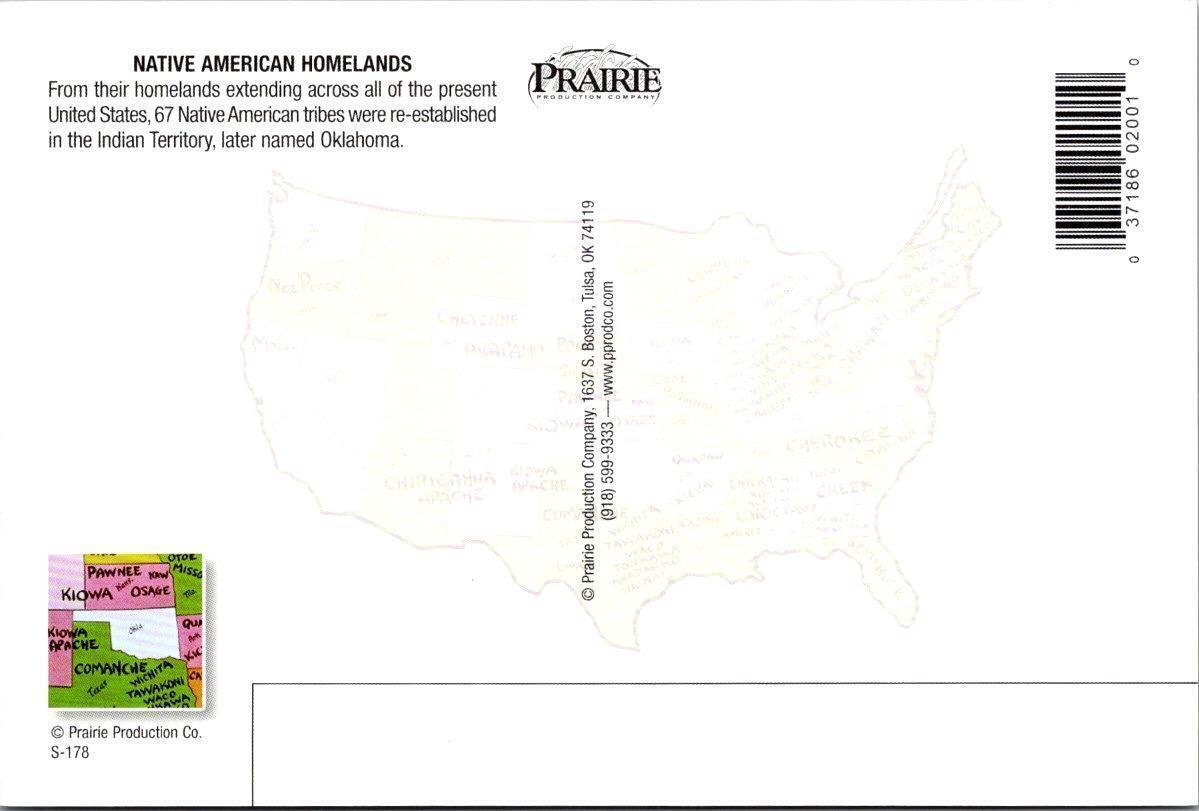
For the traveler, Bears Ears is an invitation to step outside the conventional understanding of travel and history. It’s an opportunity to learn that maps can be sung, danced, and prayed into existence. It’s a chance to witness how a landscape holds not just geological data, but the very soul of a people. By understanding that every feature, every ruin, every petroglyph is a point on a living, breathing indigenous map, visitors gain a richer, more profound appreciation for the land and its first stewards.
To walk through Bears Ears is to walk through a testament to resilience, a classroom of ancient wisdom, and a living museum where the past is not merely preserved but actively present. It’s a journey into an indigenous atlas, where the lines are drawn by time, spirit, and the enduring connection between people and their ancestral homelands. It challenges us to reconsider how we define "map," how we understand history, and how we engage with the world around us, leaving an indelible mark long after the journey ends.

