Unearthing Ancient Wisdom: A Journey Through Native American Medicinal Plant "Maps"
Forget the neatly printed trail guides and GPS coordinates. Imagine a landscape itself as a living map, etched with millennia of knowledge, where every ridge, stream, and patch of earth holds a story of healing. This isn’t a fantasy; it’s the profound reality of Native American medicinal plant locations, traditionally understood and navigated through intricate oral traditions, mnemonic devices, and an intimate connection to the land. My recent journey to a dedicated Native American Ethnobotanical Garden and Cultural Center – a place I’ll call "The Ancestral Roots Sanctuary" for its evocative nature – was not just a visit; it was an immersion into this ancient cartography, a review of a place that bridges past and present, offering unparalleled insight into a vital indigenous heritage.
The Ancestral Roots Sanctuary isn’t a sprawling national park or a sterile museum. It’s a meticulously cultivated living exhibit, nestled in a region rich with indigenous history, designed to educate and inspire. From the moment you step onto its pathways, the air shifts. The scent of pine, sage, and damp earth replaces the exhaust fumes of modern life, and the gentle murmur of wind through leaves seems to carry whispers of ancient wisdom. This place is a testament to the sophisticated understanding Native Americans held, and continue to hold, about the natural world – a knowledge system that predates Western science by thousands of years.
Decoding the Living Landscape: Beyond Paper Maps
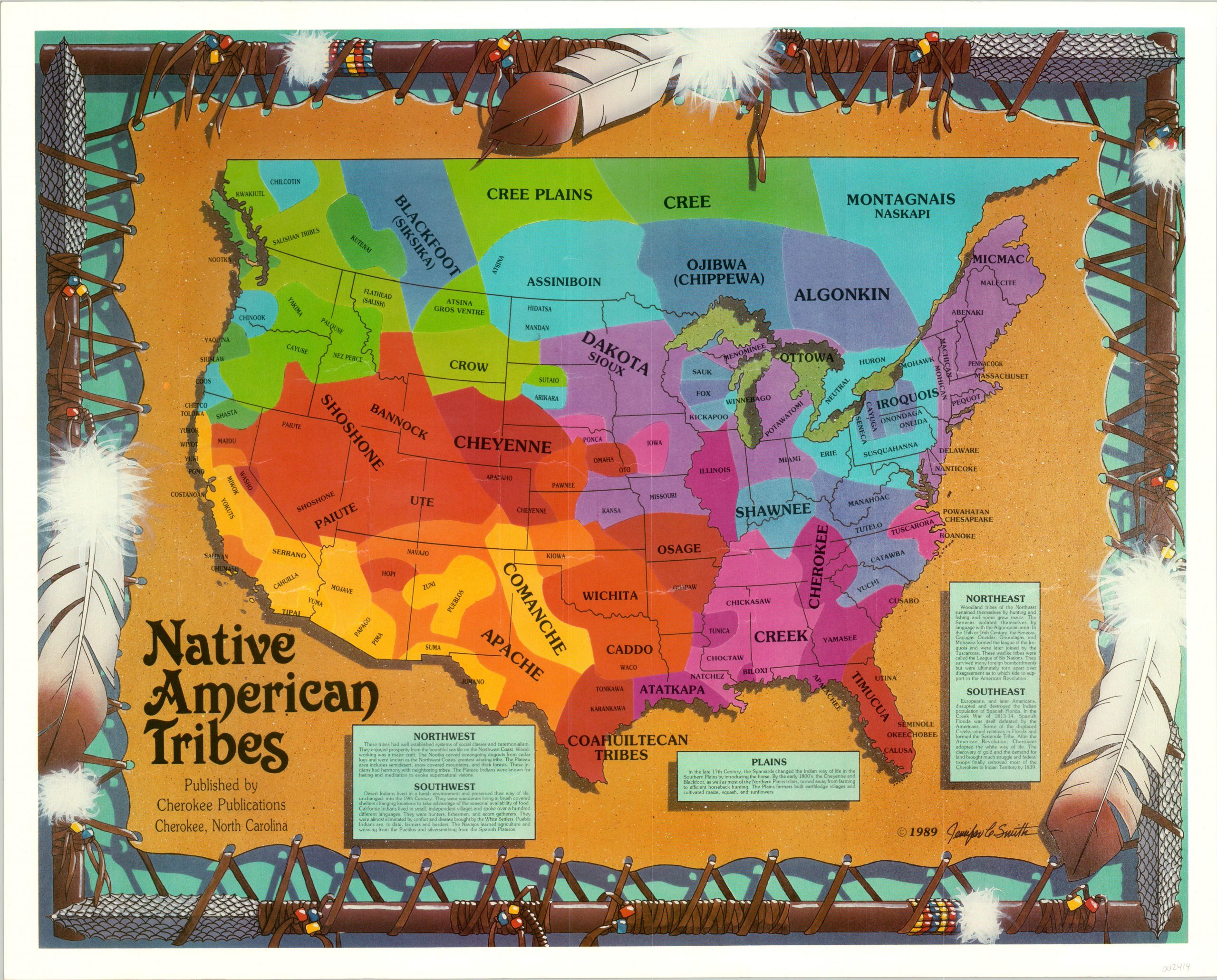
The concept of "maps" here is not about folded parchment or digital screens. It’s about an embedded, intuitive knowledge passed down through generations. For Native Americans, the land is the map. Specific rock formations, the confluence of rivers, the presence of certain animal tracks, the seasonal blooming of particular flowers – these were all markers, guiding individuals to the precise locations of medicinal plants. The Ancestral Roots Sanctuary masterfully translates this concept into an accessible, yet deeply authentic, experience.
Our guided tour began with Elder Mae, a quiet woman with eyes that held the wisdom of countless sunrises. She didn’t point to a map; she pointed to the earth beneath our feet. "This soil," she began, "is our first teacher. It tells us what grows here, what thrives. Our ancestors learned to read these signs, just as you read a book." She explained how specific microclimates, soil compositions, and even the direction of sunlight influence the potency and availability of various plants. This wasn’t just botany; it was a holistic ecology lesson, where every element was interconnected.
We walked along winding paths, each section carefully curated to represent different ecological zones – from sun-drenched prairies to shaded forest groves and riparian edges. Elder Mae would stop at a plant, her hand gently brushing its leaves. "This is Artemisia tridentata," she said, indicating a fragrant sagebrush. "For us, it is saget. Not just for cleansing, but also for fevers, for sore muscles. Our grandmothers knew exactly where to find the strongest stands, often near water, where the spirit of the plant was most vibrant."
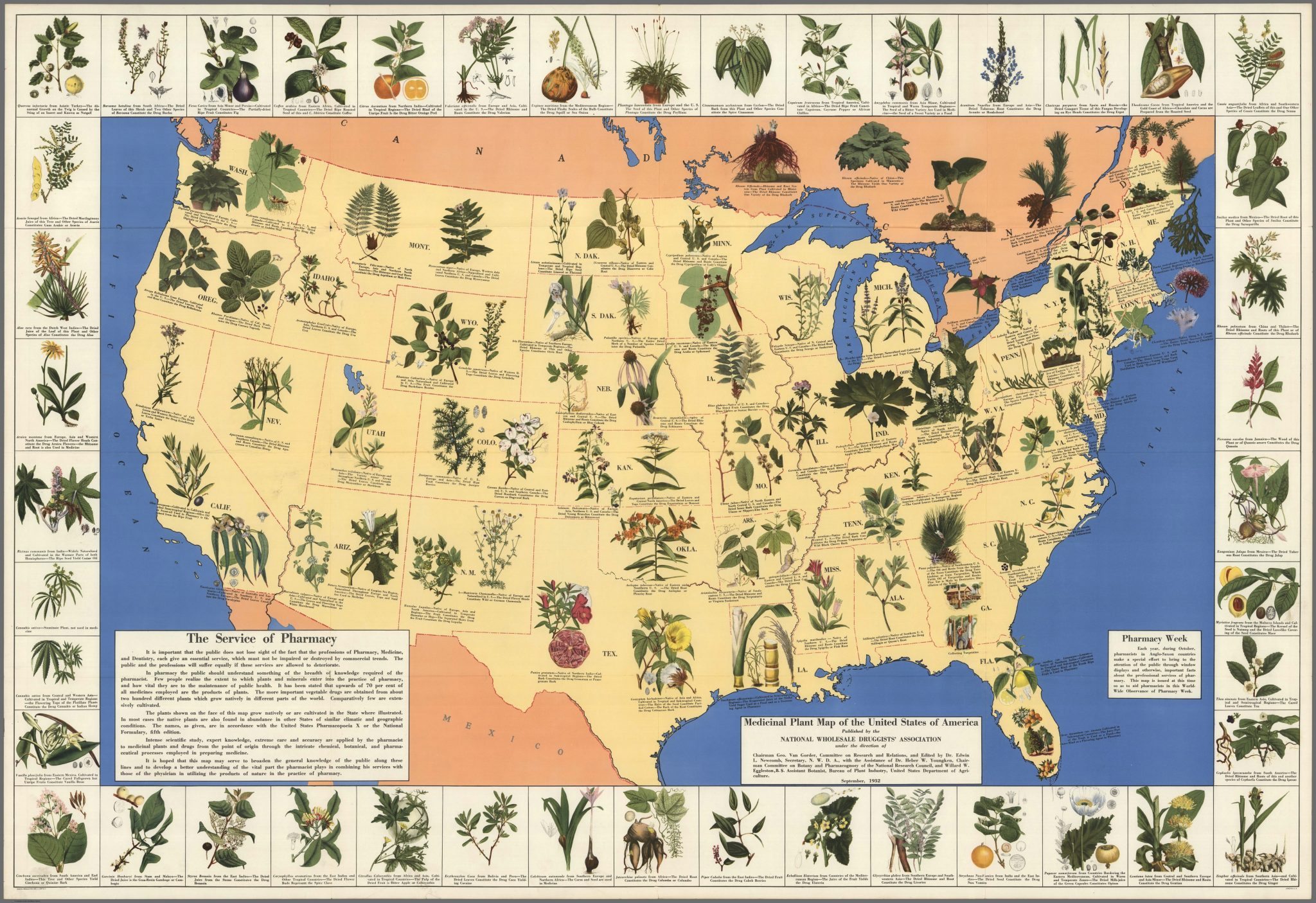
The "maps" were embedded in these stories. She spoke of specific rock cairns marking prime harvesting spots for Echinacea purpurea (purple coneflower) for immune support, or a particular bend in the river where Salix alba (willow bark), a natural pain reliever, grew most abundantly. These weren’t just facts; they were narratives of place, memory, and healing. Each plant had its own story, its own spirit, and its own designated location within the larger "map" of the landscape.
The Experiential Journey: What to Expect
A visit to The Ancestral Roots Sanctuary is a multi-sensory journey designed to engage and educate.
-

Guided Ethnobotanical Walks: This is the cornerstone of the experience. Led by knowledgeable indigenous guides or elders, these walks are immersive. You learn not just the names of plants but their traditional uses, preparation methods, and the philosophical framework surrounding their harvest and application. We encountered:
- Yarrow (Achillea millefolium): Used for centuries to stop bleeding, reduce fever, and alleviate cold symptoms. Elder Mae showed us how its feathery leaves were crushed and applied.
- Cedar (Thuja plicata): Revered for its purifying properties, used in ceremonies and as a medicinal tea for respiratory issues. The scent alone was deeply calming.
- Plantain (Plantago major): A common "weed" in Western eyes, but a powerful healer in indigenous traditions, used for insect bites, stings, and minor wounds. We learned how to identify its distinctive leaves and apply it as a poultice.
- Wild Mint (Mentha arvensis): Valued for digestive aid and as a refreshing tea. The act of crushing a leaf between your fingers and inhaling its invigorating scent was a simple, profound pleasure.
The guides emphasize the principle of "reciprocity" – taking only what is needed, giving thanks, and ensuring the plant’s continued prosperity. This isn’t just about identification; it’s about respectful interaction.
-
Cultural Interpretive Center: Beyond the gardens, a beautifully designed center houses exhibits detailing the history of indigenous healing practices, the impact of colonization on traditional knowledge, and ongoing efforts to revitalize ethnobotanical studies. Here, you’ll find more traditional "maps" – not of plant locations per se, but of tribal territories, migration routes, and trade networks that facilitated the exchange of medicinal knowledge and plants. Interactive displays showcase tools used for harvesting and preparing medicines, and audio recordings share ancestral stories.
-
Hands-on Workshops: Depending on the season and schedule, visitors can participate in workshops. We had the opportunity to learn basic basket weaving using local plant materials, a skill directly tied to harvesting and storage of medicinal herbs. Other workshops might include traditional food preparation, natural dye making, or even rudimentary medicine preparation (e.g., making a simple salve from calendula and beeswax). These activities offer a tangible connection to the practical applications of plant knowledge.
-
Storytelling Circles: In the evenings, weather permitting, firelight storytelling sessions are often held. These are powerful moments where elders share creation myths, legends, and personal anecdotes that reinforce the spiritual connection to the land and its plant inhabitants. It’s in these circles that the deeper layers of the "plant maps" – their spiritual and cultural significance – truly come alive.
Beyond Botanical Names: A Philosophy of Reciprocity
What sets The Ancestral Roots Sanctuary apart is its unwavering commitment to presenting a holistic worldview. It’s not just about listing plants and their uses; it’s about understanding the philosophy behind indigenous healing. Health, in this context, is seen as a balance – physical, mental, spiritual, and communal. Illness is often viewed as an imbalance, and plants are agents that help restore that harmony.
The "maps" were not just about where to find plants, but how to approach them. There were protocols for harvesting: asking permission from the plant spirit, leaving an offering (like tobacco or a prayer), taking only what was needed, and never harvesting the first or last plant. This sustainable practice, deeply ingrained in the traditional "maps," ensured the longevity of plant populations and the health of the ecosystem. This concept of interconnectedness and deep respect for all living things is a profound lesson for any visitor.
Planning Your Pilgrimage: Practical Travel Tips
If you’re considering a visit to a similar Native American Ethnobotanical Garden and Cultural Center, here are some practical tips:
- Location & Accessibility: These centers are often located on or near tribal lands, sometimes in more remote areas. Check their website for precise directions, public transport options (if any), and accessibility for those with mobility challenges.
- Best Season to Visit: Spring and early summer are often ideal for seeing most plants in bloom and experiencing vibrant growth. Autumn offers beautiful foliage and some late-season harvests. Winter might be quieter but still offers valuable indoor exhibits and a different perspective on dormant plants.
- What to Pack: Comfortable walking shoes are essential. Layers of clothing are advisable as weather can change. Bring a water bottle, sunscreen, insect repellent (especially if near water), and a notebook for observations. A camera is fine, but always ask permission before photographing people, especially elders.
- Respectful Etiquette: This is paramount.
- Listen more than you speak. The guides and elders are sharing sacred knowledge.
- Do not wander off marked trails.
- Do not pick plants or disturb the environment unless explicitly instructed to do so during a workshop.
- Be mindful of personal space and cultural differences.
- Support the community: Purchase items from their gift shop (often featuring handmade crafts) or donate if possible. Your visit directly supports the preservation of this knowledge.
- Booking & Fees: Many centers require advance booking, especially for guided tours and workshops. Check their website for fees, which often go directly back into the center’s operations and cultural programs.
- Accommodation & Food: While some centers may have basic on-site facilities, plan for accommodation and meals in nearby towns. Research local Indigenous-owned businesses to support the community further.
A Transformative Encounter
My journey to The Ancestral Roots Sanctuary was more than just a review of a place; it was a profound educational and spiritual experience. It shattered any preconceived notions of what a "map" could be, revealing it as a dynamic, living system of knowledge, respect, and deep connection to the earth. It highlighted the incredible resilience and wisdom of Native American cultures, and their enduring legacy of caring for the land and its inhabitants.
In a world increasingly disconnected from nature, places like The Ancestral Roots Sanctuary serve as vital bridges. They remind us that the most profound wisdom often lies not in complex technologies, but in the simple, yet deeply intricate, patterns of the natural world, as interpreted and preserved by those who have lived in harmony with it for millennia. To walk these paths, to listen to these stories, is to re-map your own understanding of healing, heritage, and humanity’s place on this earth. It is a pilgrimage I wholeheartedly recommend.

