Unearthing Ancient Footprints: A Traveler’s Guide to Texas’s Native American Heritage (Guided by an Invisible Map)
Forget the cowboy clichés and oil derricks for a moment. Texas, in its vast and varied expanse, is a land steeped in millennia of human history, a tapestry woven by countless generations long before European arrival. For the discerning traveler seeking a profound connection to the land and its original inhabitants, an "invisible map" of Texas’s Native American tribes offers an unparalleled journey. This isn’t a static paper map you unfold, but a conceptual guide, leading you to sites where the echoes of ancient cultures still resonate, revealing a Texas far richer and more complex than often portrayed. This article serves as your review of this transformative journey, outlining the essential "stops" on this historical map and what you can expect to uncover.
Our review begins not with a single location, but with the overarching experience of tracing this heritage. The "invisible map" highlights the incredible diversity of Texas’s indigenous peoples – from the sedentary, agricultural Caddo in the east to the nomadic, bison-hunting Comanche of the plains, the desert-dwelling Jumano of the west, and the coastal Karankawa and Coahuiltecan peoples. To navigate this map is to understand that "Native American" is not a monolithic term, but a vibrant mosaic of distinct languages, spiritual beliefs, social structures, and adaptations to the unique Texas landscape.
Stop 1: The Eastern Woodlands – Caddo Mounds State Historic Site (Nacogdoches County)
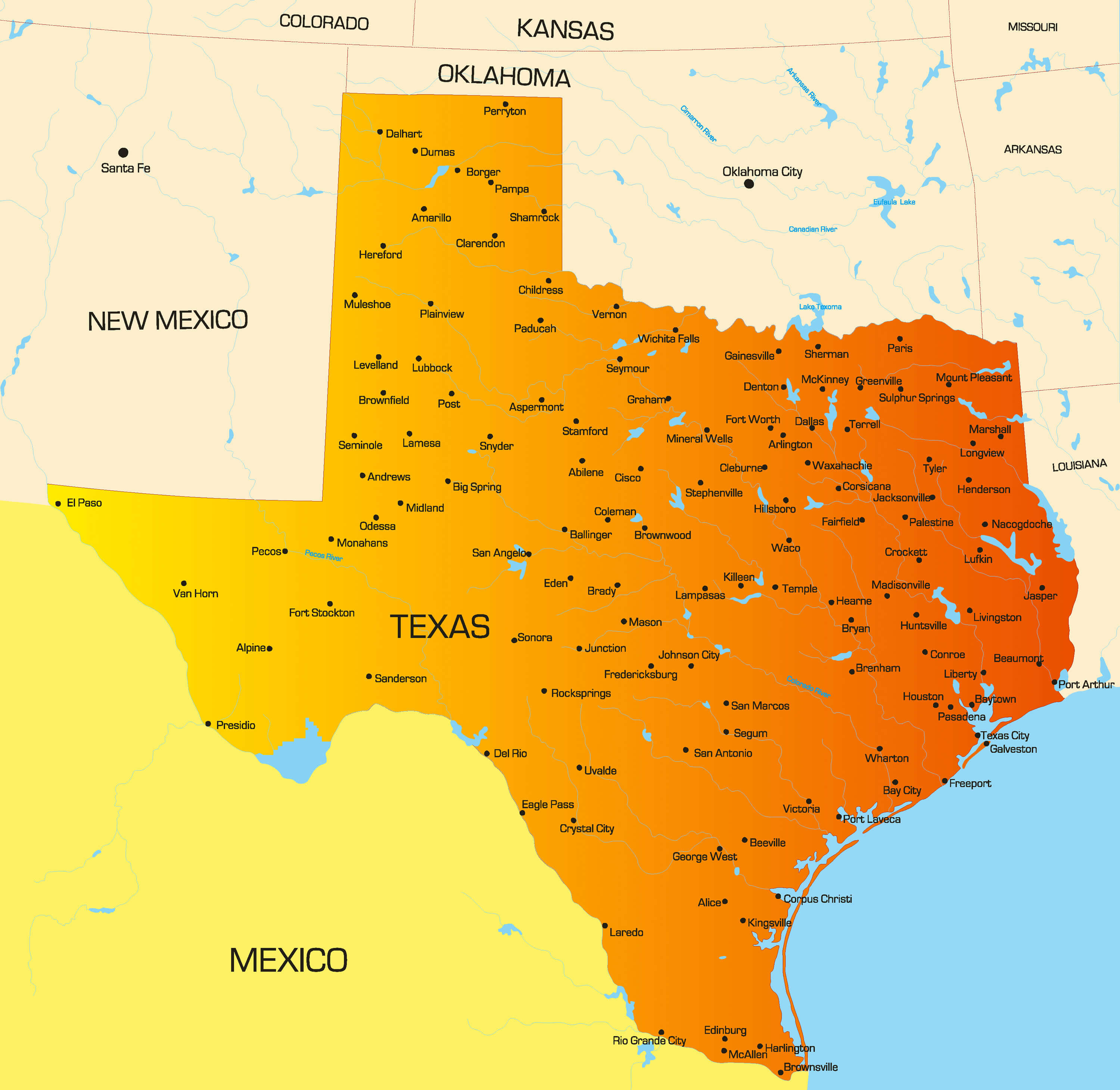
Our journey eastward on this conceptual map brings us to the forested lands once dominated by the Caddo Confederacy. The Caddo were not nomadic hunter-gatherers; they were sophisticated mound-builders, complex agriculturalists who cultivated corn, beans, and squash, and renowned potters. Their influence stretched across what is now East Texas, Louisiana, Arkansas, and Oklahoma.
The Experience: Caddo Mounds State Historic Site, located near Weches, is the absolute cornerstone of understanding the Caddo. Upon arrival, you’ll be greeted by three earthen sentinels: two burial mounds and one temple mound, silent witnesses to a civilization that flourished here for centuries, from around 800 CE to the early 1800s. Walking the interpretive trails around these mounds is a deeply reflective experience. You’re treading on ground where thousands lived, worshipped, traded, and buried their dead. The sheer scale of the earthworks, crafted entirely by hand, speaks volumes about the communal effort and advanced social organization of the Caddo.
The park’s interpretive center is excellent, housing artifacts unearthed from the site, including intricate pottery shards, tools, and jewelry. Engaging exhibits explain Caddo cosmology, their complex trade networks that extended across the continent, and their interactions with early European explorers. What makes Caddo Mounds truly special is its ability to transport you back in time, allowing you to visualize a vibrant village life thriving amidst the pines and hardwoods. It’s a powerful testament to the ingenuity and enduring spirit of one of Texas’s most significant indigenous cultures, a vibrant dot on our historical map.
Stop 2: The Missions and the Coahuiltecan Peoples – San Antonio Missions National Historical Park (San Antonio)
Moving south and west on our invisible map, we encounter a different chapter of indigenous history, one irrevocably shaped by European contact. The San Antonio Missions, a UNESCO World Heritage Site, are primarily known for their Spanish colonial architecture and religious significance. However, for the traveler tracing Native American heritage, they represent a pivotal, often tragic, nexus where indigenous peoples – primarily various Coahuiltecan-speaking groups and later Lipan Apache and other tribes – sought refuge, resources, and sometimes were forcibly assimilated into the Spanish system.
The Experience: While all five missions offer insights, focus your attention on Mission San Juan Capistrano and Mission Espada. These missions, perhaps more than the heavily restored Alamo (Mission San Antonio de Valero), retain a stronger sense of their original function as self-sufficient communities. Here, Native Americans were taught Spanish, Catholicism, and new agricultural techniques. They built the irrigation systems (acequias), cultivated the fields, and crafted the very stones of the churches.
The interpretive exhibits at the visitor centers and within the missions themselves delve into the lives of the missionized Native Americans. You’ll learn about the "Coahuiltecan" identity, a broad linguistic and cultural designation for numerous small, hunter-gatherer bands who inhabited South Texas and northern Mexico. You’ll also confront the complex realities: the loss of traditional ways, the devastating impact of European diseases, and the resilience required to adapt. Walking through the mission compounds, imagining the bustling workshops, the fields, and the simple dwellings, you gain a tangible sense of the cultural fusion and conflict that defined this era. It’s a powerful, sobering, yet essential stop on our map, highlighting the profound transformations wrought by colonization.
Stop 3: Lords of the Plains – Panhandle-Plains Historical Museum (Canyon) & Caprock Canyon State Park
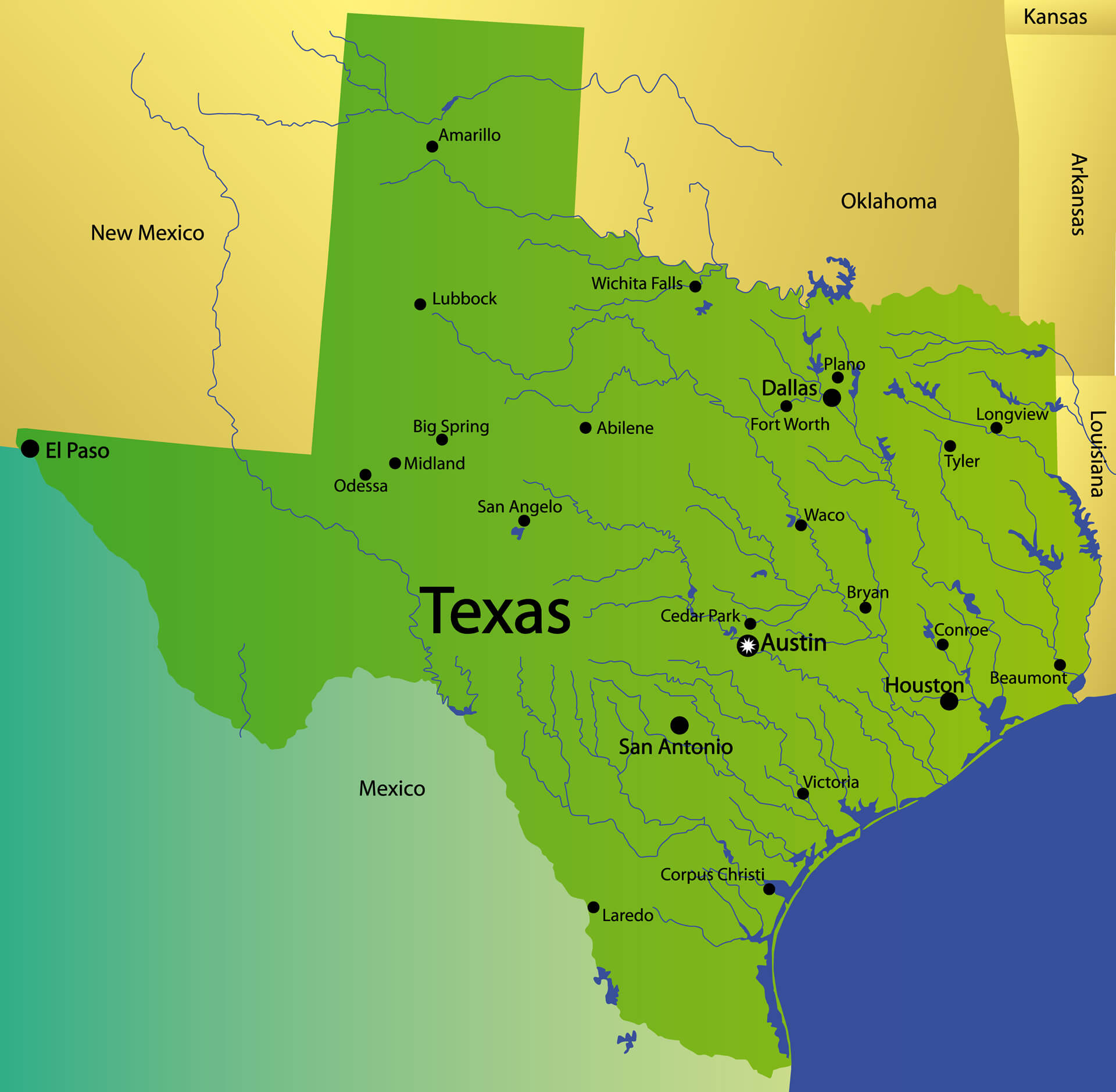
Heading north and west into the vast, open expanses of the Texas Panhandle, our invisible map reveals the domain of the powerful Plains tribes: the Comanche, Kiowa, and various Apache bands. These groups, particularly the Comanche, became synonymous with the horse culture, mastering horsemanship and buffalo hunting to create an empire that stretched across the southern plains.
The Experience: The Panhandle-Plains Historical Museum in Canyon, near Amarillo, is an indispensable resource for understanding these formidable peoples. Its extensive Native American galleries are among the best in the state, showcasing a stunning collection of artifacts: elaborately beaded clothing, formidable weaponry, tipis, tools, and ceremonial objects. The exhibits meticulously detail the Plains tribes’ nomadic lifestyle, their spiritual beliefs centered around the buffalo, their social structures, and their often-fierce resistance to encroaching European and American settlement. You’ll gain a deep appreciation for their adaptability, their warrior traditions, and their profound connection to the land.
To truly feel the spirit of the Plains tribes, a visit to Caprock Canyon State Park & Trailway or Palo Duro Canyon State Park is essential. While not specific tribal sites in the way Caddo Mounds is, these dramatic canyons provided vital shelter, water, and hunting grounds. Imagine Comanche encampments hidden within the canyon walls, their horses grazing on the plains above. Hiking or horseback riding through the rugged beauty of these landscapes, with their towering red rock formations and vast vistas, allows you to connect with the environment that shaped these powerful cultures. It’s a visceral experience, adding a crucial layer of understanding to the abstract historical accounts, bringing the "invisible map" to life with breathtaking scenery.
Stop 4: Ancient Art & Desert Survival – Seminole Canyon State Park & Historic Site & Big Bend National Park (West Texas)
Our final major stop on this historical map takes us to the stark, beautiful, and incredibly ancient landscapes of West Texas. Here, along the Pecos River and deep in the Big Bend region, evidence of human habitation stretches back over 12,000 years. The focus here is on the earliest inhabitants and later groups like the Jumano and Mescalero Apache.
The Experience: Seminole Canyon State Park & Historic Site, near Comstock, is a global treasure. It preserves some of the most spectacular and ancient rock art in North America. Guided tours take you down into the canyon to see stunning pictographs (paintings) and petroglyphs (carvings) on the rock shelters. These images, some thousands of years old, depict human figures, animals, and mysterious abstract designs, offering an extraordinary window into the spiritual and daily lives of the archaic peoples who once lived here. The sheer age of these artworks, combined with their vivid imagery, is profoundly moving. It’s a direct visual link to the ancient minds that observed and interpreted their world on these very walls.
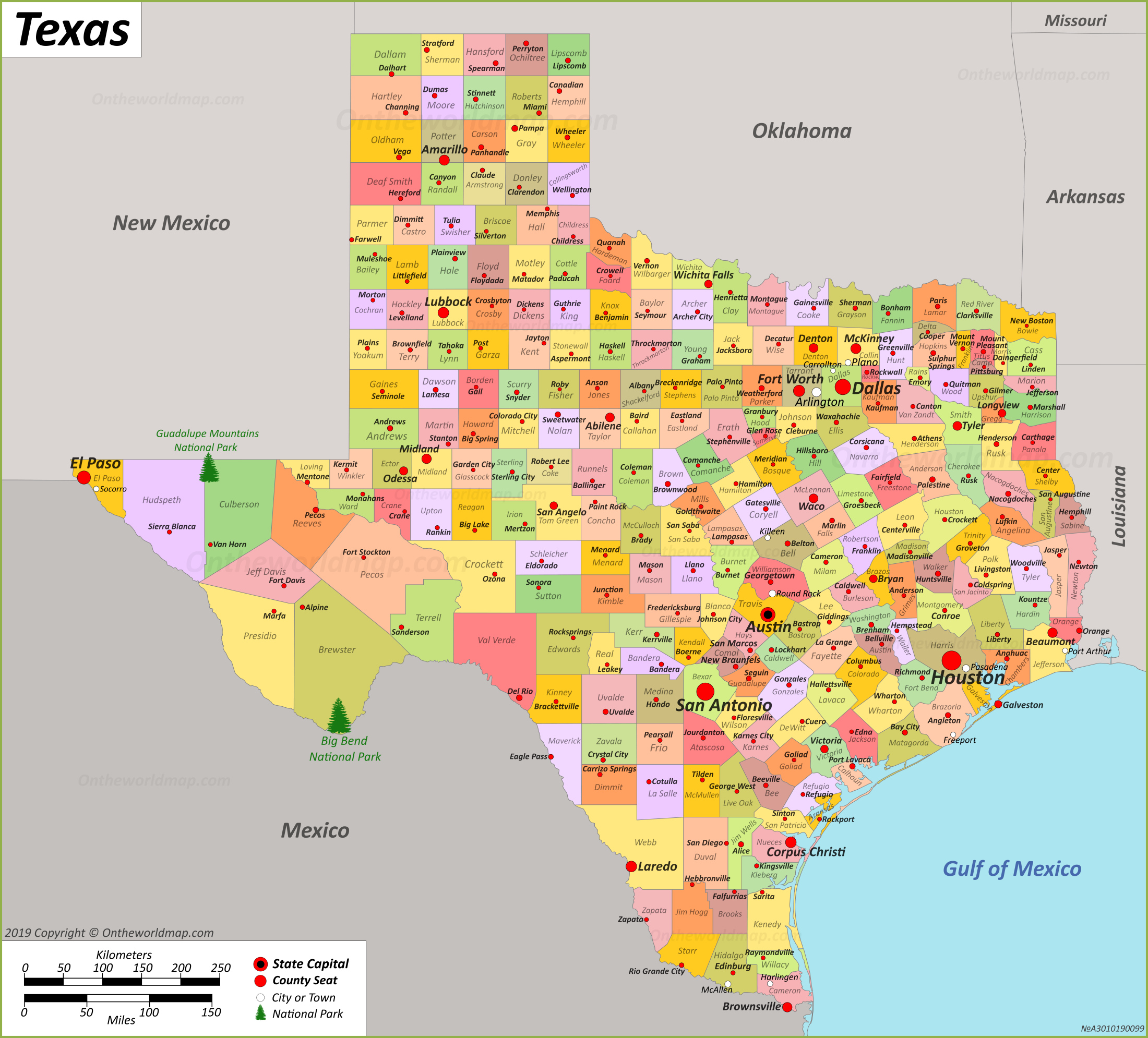
Further west, Big Bend National Park, while primarily a wilderness park, also holds immense significance. Evidence of the Chiso people, and later Jumano and Apache groups, can be found throughout the park. The challenging desert environment demanded incredible ingenuity for survival. While there aren’t specific "Native American sites" like Caddo Mounds, the vastness, the dramatic mountains, the Rio Grande, and the unique flora and fauna allow you to imagine the lives of those who navigated this harsh but beautiful land. The park’s remote quality helps you appreciate the self-sufficiency and deep ecological knowledge required to thrive in such an environment. It’s a journey into the soul of ancient Texas, where the "invisible map" is etched into the very rocks and canyons.
Consulting the Map: Key Takeaways & Practical Advice
Undertaking this journey through Texas’s Native American heritage is more than just visiting historical sites; it’s an education. What this "invisible map" teaches us is profound:
- Diversity and Complexity: Texas was never empty land, nor was it inhabited by a single, homogenous "Indian" population. It was a crossroads of cultures, each with its own rich history.
- Resilience and Adaptation: From surviving in deserts to thriving on plains, Native Americans demonstrated incredible ingenuity and resilience in the face of environmental challenges and, later, colonial pressures.
- Deep Connection to Land: Every stop on this map underscores the intimate relationship between indigenous peoples and their environment. The land was not just a resource; it was sacred, alive, and central to their identity.
- Ongoing Legacy: While many traditional ways were disrupted, Native American communities and their descendants continue to live in Texas, maintaining their heritage and contributing to the state’s cultural fabric. Their story is not just history; it’s a living narrative.
Practical Travel Tips:
- Respect: Always approach these sites with respect for their historical and cultural significance. Follow all park rules and guidelines. If you encounter contemporary Native American communities or events, be mindful and respectful of their protocols.
- Preparation: Texas weather can be extreme. Dress in layers, bring plenty of water, and wear comfortable walking shoes. Many sites involve outdoor exploration.
- Resources: Utilize the official websites of Texas Historical Commission, Texas Parks and Wildlife Department, and individual park sites. They offer invaluable information, hours of operation, and often virtual tours or educational materials.
- Open Mind: Be prepared to challenge preconceived notions about Texas history and Native American peoples. This journey is about learning and understanding.
Conclusion: A Deeper Texas Revealed
This "review" of Texas’s Native American historical map reveals a travel experience far removed from the usual tourist trails. It’s an immersive, thought-provoking journey that peels back layers of time, exposing the foundational narratives of a state often misunderstood. By consciously seeking out these sites, by walking in the footsteps of ancient peoples, and by consulting this invisible guide, you won’t just see Texas; you will feel its ancient pulse, understand its true depth, and appreciate the enduring legacy of those who first called this incredible land home. It’s an essential pilgrimage for any traveler truly seeking to comprehend the spirit of Texas.

