
Uncharted Territories: Navigating America’s Soul Through Native American Maps of State-Recognized Tribes
Forget the typical road trip, the beaten path of national parks and city skylines. This isn’t a review of a singular destination, but rather an exploration of an entirely new way to travel, a profound shift in perspective that transforms the very act of journeying across America. We’re talking about abandoning the colonial overlay and embracing the deep, intricate tapestry of Indigenous history, guided by the ancestral maps of state-recognized Native American tribes.
This approach to travel isn’t merely about finding new attractions; it’s about uncovering the soul of the land, understanding its original custodians, and challenging the whitewashed narratives that often dominate our understanding of the United States. And for this, the maps – both historical and contemporary – created by or representing state-recognized tribes are an invaluable, often overlooked, compass.
Why Native Maps? Reclaiming the Narrative
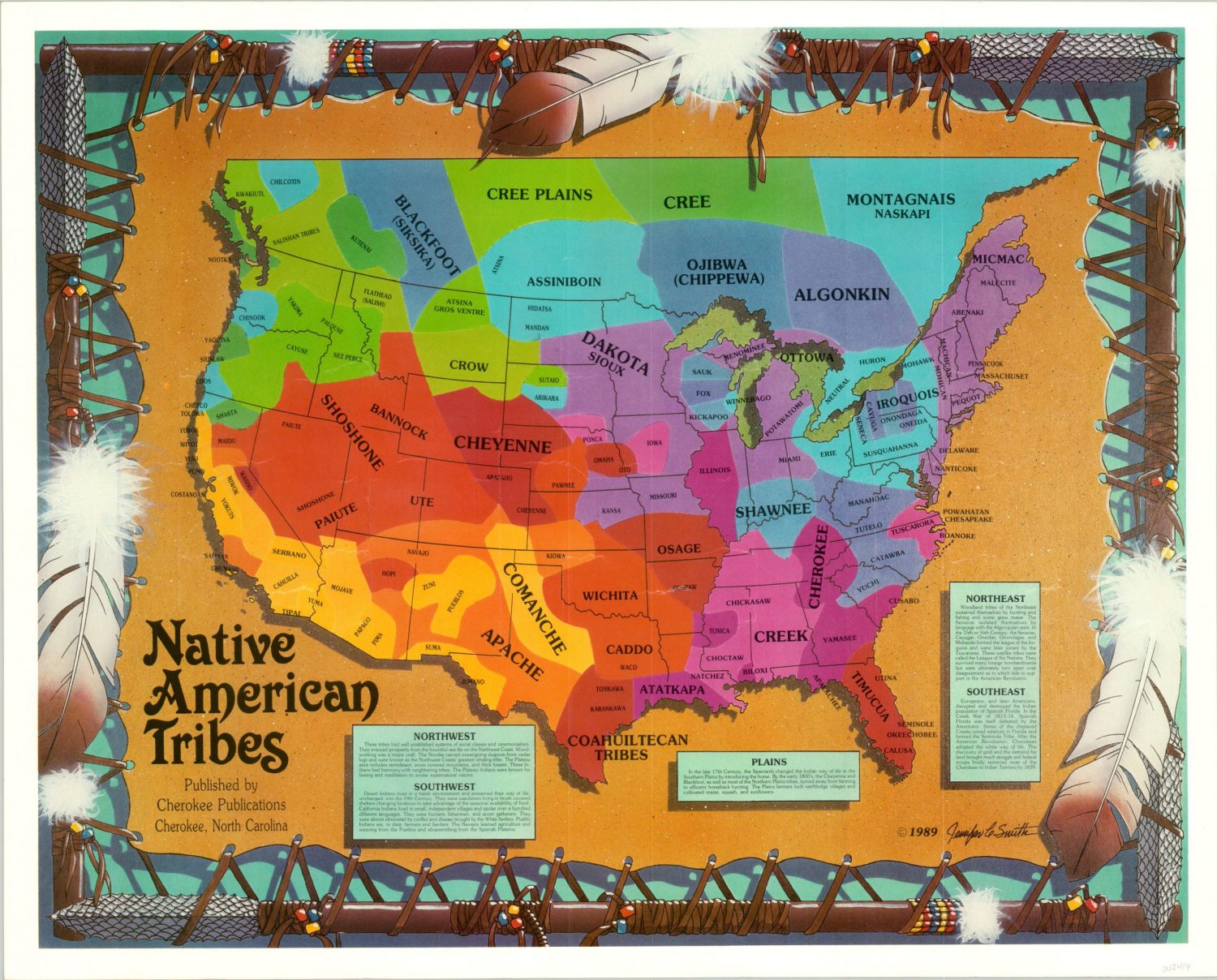
Our conventional maps are products of colonial conquest, carving up continents into arbitrary states and counties, erasing millennia of Indigenous presence. They show borders of convenience, not the organic flow of ancestral territories, trade routes, and spiritual landscapes. Native American maps, whether drawn on hide, etched in memory, or digitally reconstructed today, offer a radical counter-narrative. They illustrate a world where rivers were highways, mountains were sacred guardians, and every valley held a story.
Focusing on state-recognized tribes adds another layer of critical importance. While federally recognized tribes often have well-defined reservations and federal resources, state-recognized tribes frequently operate with fewer resources, less visibility, and often without dedicated land bases. Their ancestral lands are often deeply interwoven with modern communities, making their history and continued presence even more vital – and sometimes challenging – to uncover. These maps become not just historical documents, but powerful statements of enduring sovereignty, cultural survival, and a guide to understanding the true depth of local Indigenous heritage often overshadowed by broader national narratives.
The "location" we are reviewing, then, is not a static point on a GPS, but the entirety of the ancestral lands revealed by these maps. It is an invitation to travel not just through a landscape, but into its layered history, guided by the wisdom of its original inhabitants.
The Journey Begins: Sourcing Your Indigenous Compass
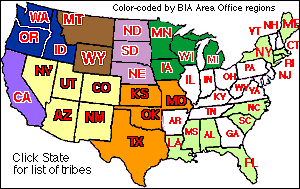
Embarking on this kind of journey requires a different kind of preparation. You won’t find these maps on Google Maps, at least not in their full, rich context.
- Research Tribal Nations: Start by identifying the state-recognized tribes in the regions you plan to visit. Each state has its own list, and many have dedicated commissions or offices for Native American affairs. Websites like the National Conference of State Legislatures (NCSL) or individual state government portals are good starting points.
- Seek Out Tribal Resources: Many state-recognized tribes, despite limited resources, maintain cultural centers, museums, or online archives. These are often the best sources for maps, historical information, and even contemporary land-use projects. Look for tribal websites, cultural preservation offices, or local historical societies that partner with tribes.
- University and Museum Collections: Academic institutions and museums often house historical maps, archaeological data, and ethnographical studies related to Indigenous territories. Be prepared to dig; these aren’t always front-and-center exhibits.
- Community Engagement: This is perhaps the most crucial step. Once you’ve identified a tribe and its ancestral lands, look for opportunities for respectful engagement. Do they have public events? Powwows? Cultural workshops? Guest lectures? Some tribes have tourism initiatives or cultural tours specifically designed to share their heritage. Always check their official channels for visitor guidelines and protocols.

This pre-travel research isn’t just academic; it’s the foundation of respectful engagement. It shifts your role from passive tourist to informed guest.
The Experience: Beyond the Paved Road
Once equipped with an understanding of ancestral boundaries and historical land use, your travel experience transforms.
-
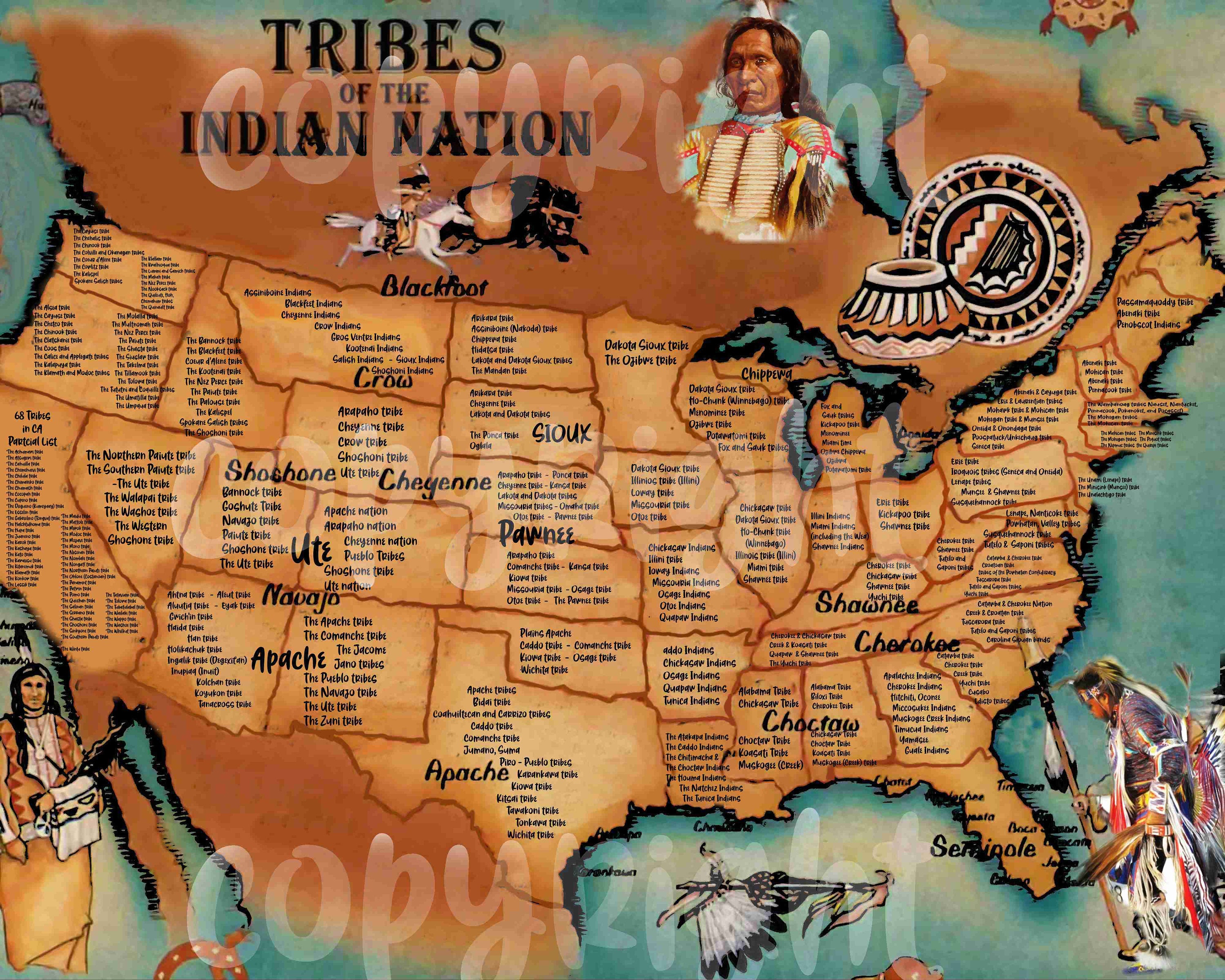
Landscapes with Stories: A mountain range isn’t just a scenic vista; it’s a sacred hunting ground, a place of ceremony, or a protective barrier. A river isn’t just a waterway; it’s a source of sustenance, a spiritual path, or a boundary drawn by ancient agreements. These maps highlight forgotten trails, ancient village sites, and areas of spiritual significance that mainstream tourism overlooks. For state-recognized tribes, whose ancestral lands are often intertwined with modern towns and private property, these maps become vital tools for understanding their enduring connection to the land, even where physical markers have been erased. You might discover that the park you always visited was once a traditional gathering place for the Narragansett, or the forest you hiked through was the ancestral hunting ground of the Lumbee.
-
Cultural Immersion: Many state-recognized tribes, despite their challenges, maintain vibrant cultural traditions. Visiting tribal museums, cultural centers, or attending public events (like powwows, festivals, or art markets) offers a chance to experience living cultures firsthand. This isn’t about exoticism; it’s about connecting with resilient communities, supporting Indigenous artists and entrepreneurs, and listening to their stories in their own voices. You might learn about traditional ecological knowledge, witness ancient dances, or taste authentic Indigenous cuisine.
-
Challenging Assumptions: This mode of travel forces you to confront the complex history of colonization, displacement, and survival. You’ll see the impact of treaties broken, lands stolen, and cultures suppressed. But you’ll also witness incredible resilience, innovation, and a profound connection to heritage. This isn’t always comfortable, but it’s essential for a deeper, more honest understanding of America. The stories of state-recognized tribes, in particular, often highlight struggles for recognition and land rights that continue to this day, making their maps not just historical documents, but living declarations of identity.
-
Supporting Sovereignty: When you engage respectfully with tribal enterprises, support Indigenous artists, or visit tribal cultural sites, you are directly contributing to the economic self-sufficiency and cultural revitalization of these communities. This is an act of solidarity and respect for their inherent sovereignty. For state-recognized tribes, who may not receive federal funding, this direct support is even more impactful.
The Nuances: Traveling with Respect and Awareness
This isn’t a "checklist" kind of travel. It demands sensitivity, humility, and an open mind.
- Respect Private Land and Sacred Sites: Many ancestral sites are on private property or remain sacred and are not open to the public. Always inquire with tribal authorities or cultural centers about appropriate conduct and access. "Look, don’t touch" is a good rule of thumb, but sometimes "don’t even look" is more appropriate.
- Understand Different Recognition Statuses: Be aware of the distinction between federally and state-recognized tribes. Each has a unique history, legal standing, and set of challenges. Generalizing can be disrespectful. State-recognized tribes often have a strong local presence but fewer federal protections, making respectful engagement from visitors even more crucial for their visibility and well-being.
- Be a Listener, Not a Demander: You are a guest on someone else’s ancestral land. Approach interactions with humility, ask respectful questions, and be prepared to listen more than you speak. Avoid demanding information or access.
- Acknowledge the Past, Celebrate the Present: Understand that historical trauma is a living reality for many Indigenous communities. Be sensitive to this, but also celebrate the vibrant, thriving cultures that persist today.
The Deeper Destination: A Transformed Perspective
The "location" of this travel review is ultimately a state of mind, a transformed lens through which to view the world. By engaging with Native American maps, particularly those illuminating the presence of state-recognized tribes, you don’t just visit places; you participate in a journey of discovery that redefines your understanding of history, culture, and your place within it.
You’ll come away not just with photos and souvenirs, but with a richer, more nuanced appreciation for the land you traversed, the resilience of its Indigenous peoples, and the profound stories embedded in every landscape. This isn’t just travel; it’s an education, an act of reconciliation, and a powerful step towards a more truthful and respectful relationship with the land and its original inhabitants. It is, in essence, a journey to the very heart of America, guided by the wisdom of those who knew it first.

