
Uncharted Journeys: Navigating Wildlife Refuges and Indigenous Lands Through a Native American Lens
Forget your standard road atlas. For the truly immersive traveler, for those who seek not just sights but stories, not just landscapes but legacies, a different kind of map awaits. It’s a map etched not in ink on paper, but in the collective memory, oral traditions, and profound spiritual connection of Native American peoples. When we explore the vast stretches of wildlife refuges and Indigenous areas across North America, we’re not just observing nature; we’re walking through living archives, charting a course that reveals the deep, often complex, intertwining of conservation, culture, and sovereignty.
This isn’t a review of a single destination, but rather an invitation to re-frame how we approach all such places. It’s about recognizing that every "wilderness" area, every protected landscape, every migratory bird flyway, was once (and often still is) part of an Indigenous territory, managed and understood through millennia of traditional ecological knowledge. To travel with this awareness is to unlock a richer, more responsible, and ultimately more transformative experience.
The Indigenous Map: A Tapestry of Life, Not Lines
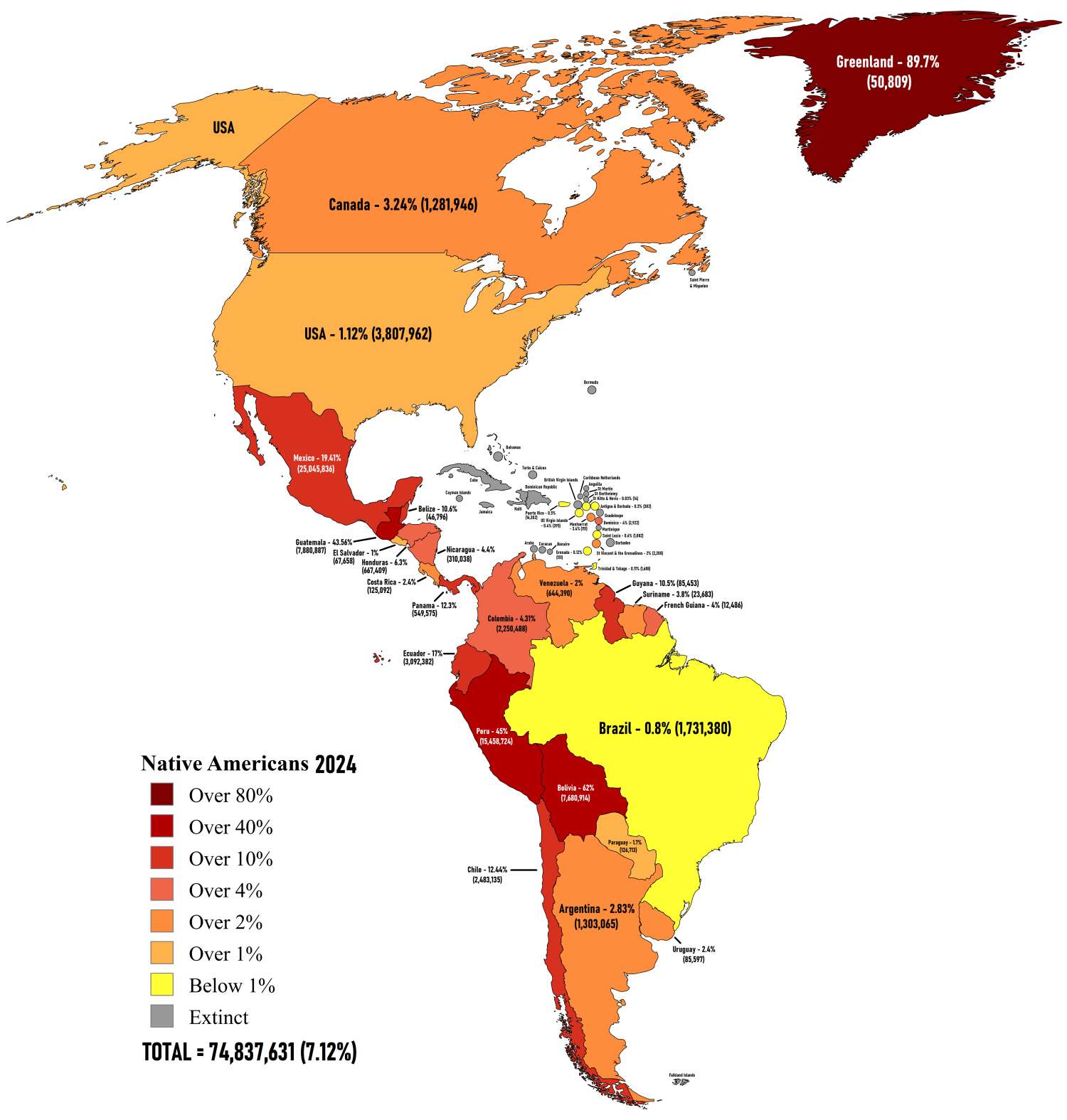
What do we mean by "Native American maps"? Certainly, there were physical maps – petroglyphs, stick charts, mnemonic devices – but the truest Indigenous map is far more expansive. It’s an intricate, dynamic understanding of the land, its resources, its cycles, and its spiritual essence. These maps were lived experiences: the seasonal migrations for hunting and gathering, the sacred sites for ceremony, the trade routes connecting nations, the knowledge of plant medicines and animal behaviors, the specific locations of clean water and fertile soil.
Unlike Western cartography, which often emphasizes boundaries, ownership, and static features, Indigenous maps are relational. They convey how people belong to the land, how all elements of an ecosystem are interconnected, and how human actions have direct consequences on the health of the whole. They detail not just where things are, but how they function, when they thrive, and why they are significant. For a traveler, understanding this foundational difference is the first step in seeing the landscape anew. It means looking beyond the official park sign to imagine the ancient trails, the seasonal camps, the stories embedded in every mountain, river, and plain.
Wildlife Refuges: A Complex Legacy of Conservation
America’s National Wildlife Refuge System, a sprawling network of over 560 refuges and 38 wetland management districts, represents a monumental effort in biodiversity conservation. From the Arctic tundra to the Florida Everglades, these lands protect critical habitats for migratory birds, endangered species, and diverse ecosystems. On the surface, they are pristine examples of humanity’s commitment to nature.
However, the history of many of these refuges, like national parks and other protected areas, is often deeply entangled with the dispossession of Indigenous peoples. Lands that were once ancestral hunting grounds, sacred sites, and homelands were frequently taken, sometimes violently, to create these conservation zones. This painful legacy means that for many Native American communities, these "protected" lands represent a profound loss, a severing of ancient ties.
Yet, this history also presents an opportunity. Many Indigenous nations were, and remain, the original conservationists. Their traditional ecological knowledge (TEK) often holds the key to effective long-term stewardship. When we visit a wildlife refuge, it’s crucial to ask: whose ancestral lands are these? Have the local Indigenous communities been consulted? Are they involved in the management? Some refuges are beginning to forge meaningful partnerships, recognizing that collaboration with Indigenous knowledge holders can lead to more resilient ecosystems and more equitable conservation outcomes. The Arctic National Wildlife Refuge (ANWR), for example, is inextricably linked to the Gwich’in Nation, whose very identity and sustenance depend on the Porcupine caribou herd that calves within the refuge boundaries. Their fight to protect ANWR is a powerful illustration of Indigenous-led conservation.
Indigenous Areas: Guardians of Biodiversity and Culture
Stepping onto an Indigenous area – a reservation, a tribal park, or other tribally managed land – is to enter a distinct sovereign nation with its own laws, culture, and relationship to the land. These lands, often marginalized and resource-scarce by colonial design, are nonetheless vibrant centers of Indigenous resilience and innovation. Crucially, many Indigenous areas are also vital bastions of biodiversity, often harboring species and ecosystems that have been degraded or lost elsewhere.

Here, the Indigenous map is not just historical; it is actively living and guiding contemporary land management. Tribal parks, like those managed by the Navajo Nation (e.g., Monument Valley, Antelope Canyon), are not merely tourist attractions but sacred landscapes whose economic benefits are reinvested into the community. The White Mountain Apache Tribe in Arizona manages the Fort Apache Indian Reservation, which includes significant wilderness areas and is a model for sustainable forestry and wildlife management, drawing directly from their ancestral knowledge.
Visiting these areas offers a direct experience of Indigenous stewardship. You’ll find tribal fish hatcheries, bison herds managed by Native nations (like the InterTribal Buffalo Council), and restoration projects guided by TEK. These initiatives demonstrate that cultural preservation and environmental protection are not separate endeavors but deeply intertwined. The health of the land is seen as inseparable from the health of the people. To journey through these lands is to witness a profound example of living harmoniously with nature, guided by an understanding passed down through countless generations.
The Overlap: Where Maps Intersect and Journeys Deepen
The most profound travel experiences often occur where these "maps" – the official cartography of refuges and the lived knowledge of Indigenous areas – explicitly intersect. This is where the opportunity for truly informed and respectful engagement blossoms.
Imagine visiting a wildlife refuge that shares a border with a tribal reservation. Perhaps the river that flows through the refuge is a sacred waterway for the neighboring tribe, its health essential for their ceremonies and sustenance. Or consider a refuge where Indigenous hunters have traditional rights, practicing sustainable harvesting methods passed down through generations. These are the places where the layers of history and meaning become tangible.
How to Seek These Intersections:
- Research Tribal Homelands: Before visiting any refuge or natural area, start by identifying the ancestral and contemporary Indigenous nations whose territories you will be entering. Resources like Native Land Digital (native-land.ca) are invaluable.
- Look for Partnerships: Seek out refuges or parks that explicitly mention partnerships with local tribes, co-management agreements, or Indigenous interpretive programs. These initiatives often indicate a commitment to a more holistic understanding of the land.
- Visit Tribal Parks & Cultural Centers: Make a deliberate effort to include tribally managed parks, museums, and cultural centers in your itinerary. These are direct avenues to learn from Indigenous voices and support Indigenous economies.
- Engage with Interpretive Materials: Pay close attention to signage, exhibits, and ranger talks that incorporate Indigenous perspectives. If they are absent, consider seeking out information from local tribal sources or cultural organizations.
- Seek Indigenous-Led Tours: Where available, participating in tours led by Indigenous guides offers unparalleled insight. They can share stories, knowledge, and perspectives that no guidebook can replicate, connecting you directly to the living history of the land.
Consider locations like the Upper Mississippi River National Wildlife and Fish Refuge, which spans numerous states and overlaps with the traditional territories of multiple nations including the Ho-Chunk, Sac and Fox, and Dakota. Understanding the historical significance of the river as a highway for trade, a source of sustenance, and a sacred entity for these peoples profoundly changes the experience of observing its abundant wildlife. Or explore the Bering Sea/Western Alaska region, where refuges like the Yukon Delta are intricately linked to Yup’ik and Cup’ik subsistence cultures.
A Traveler’s Guide to Ethical Engagement
To truly honor the Indigenous map, our travel must be imbued with respect and reciprocity.
- Educate Yourself: Learn about the history, culture, and contemporary issues of the Indigenous peoples whose lands you visit. Understand concepts like sovereignty and self-determination.
- Support Indigenous Economies: Purchase goods, services, and art directly from Indigenous businesses and artists. Your tourism dollars can make a significant difference.
- Respect Sacred Sites: Be mindful that many natural features are sacred. If an area is marked as restricted or requires specific protocols, adhere to them without question.
- Ask Permission: When in doubt about photography, especially of people or ceremonies, always ask permission first.
- Leave No Trace, and Leave No Doubt: Practice impeccable Leave No Trace principles. Beyond that, leave no doubt that you value and respect Indigenous cultures and their enduring connection to the land.
- Listen Actively: When engaging with Indigenous people or interpretive materials, listen with an open mind and heart. Be prepared to unlearn preconceived notions.
- Acknowledge the Land: Practice land acknowledgments, even if only internally. Recognize the traditional custodians of the land you are on.
Conclusion: A Deeper Connection to Place
Traveling through wildlife refuges and Indigenous areas with the Indigenous map in mind is more than just a vacation; it’s an education, an act of empathy, and a profound journey into the heart of North America. It reveals that conservation is not merely about preserving ecosystems, but about honoring the deep, unbroken relationship between people and place.
By consciously seeking out these intersections, by listening to the ancient echoes and the contemporary voices, by recognizing the sovereignty and wisdom of Indigenous nations, we transform our travels from mere sightseeing into meaningful encounters. We become participants in a larger story, contributing to a future where the health of the land and the well-being of its original peoples are inextricably linked, charted not by lines on a GPS, but by the enduring spirit of connection. So, pack your bags, but more importantly, open your mind and heart – a truly uncharted journey awaits.

