:max_bytes(150000):strip_icc()/Ojibwe_Traditional_Wickiup-ad16ebd67f0e46199d2166dd1a7a170f.jpg "Uncharted Histories: Navigating Grand Portage National Monument and the Indigenous Maps of the Fur Trade")
Uncharted Histories: Navigating Grand Portage National Monument and the Indigenous Maps of the Fur Trade
Forget the neatly drawn lines on modern atlases; true navigation, especially in the wild expanse of 18th-century North America, relied on a different kind of map – one etched in memory, passed down through generations, and intimately connected to the land itself. These were the cognitive maps of the Anishinaabe people, specifically the Ojibwe, whose unparalleled knowledge of the vast Great Lakes watershed was the unspoken, indispensable guide for the burgeoning fur trade. To truly understand this pivotal era, one must visit a place where these two worlds converged: Grand Portage National Monument, nestled on the rugged north shore of Lake Superior.
This isn’t just a review of a historical site; it’s an exploration of a concept – the living map. My journey to Grand Portage was not merely a trip to a reconstructed fort, but an attempt to walk through a landscape that was, for centuries, a meticulously detailed chart in the minds of its Indigenous inhabitants. And what I found was a powerful testament to the ingenuity, resilience, and often overlooked centrality of Ojibwe knowledge to the entire fur trade enterprise.
The Map That Wasn’t Written (But Was Always There)
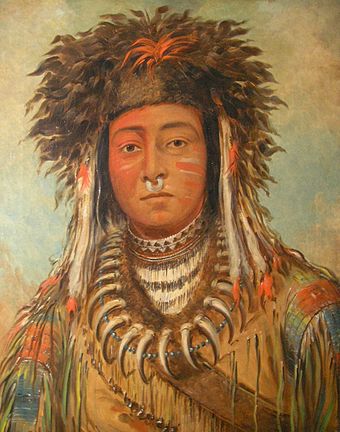
Before delving into the specifics of Grand Portage, it’s crucial to grasp the nature of Ojibwe maps. Unlike European cartography, which sought to impose geometric grids and fixed points on a landscape, Indigenous mapping was dynamic, experiential, and holistic. These "maps" were not static images on paper or parchment, but rather a rich tapestry of oral histories, mnemonic devices, petroglyphs, and even patterns woven into birchbark. They encoded not just physical features – rivers, lakes, portages, rapids, campsites – but also ecological knowledge, resource locations (berries, fish, game), spiritual significance, seasonal changes, and potential dangers.
For the Ojibwe, the land was a relative, a provider, a sacred space. Their maps reflected this deep relationship, guiding them not just from point A to point B, but through a living, breathing environment. This profound, intimate understanding of the terrain was, unbeknownst to many European traders at first, the very backbone of their commercial success. Without the Ojibwe, navigating the labyrinthine waterways of the continent’s interior would have been an impossible, suicidal task.
Grand Portage: The Great Carrying Place, The Great Nexus
My arrival at Grand Portage National Monument immediately brought this concept into sharp relief. The name itself, "Grand Portage," is a direct translation of the Ojibwe "Kitchi Onigaming," meaning "the Great Carrying Place." This wasn’t just a portage; it was the portage – an 8.5-mile overland trek necessary to bypass the treacherous rapids and waterfalls of the Pigeon River, connecting Lake Superior with the vast network of rivers and lakes that led deep into the Canadian interior.
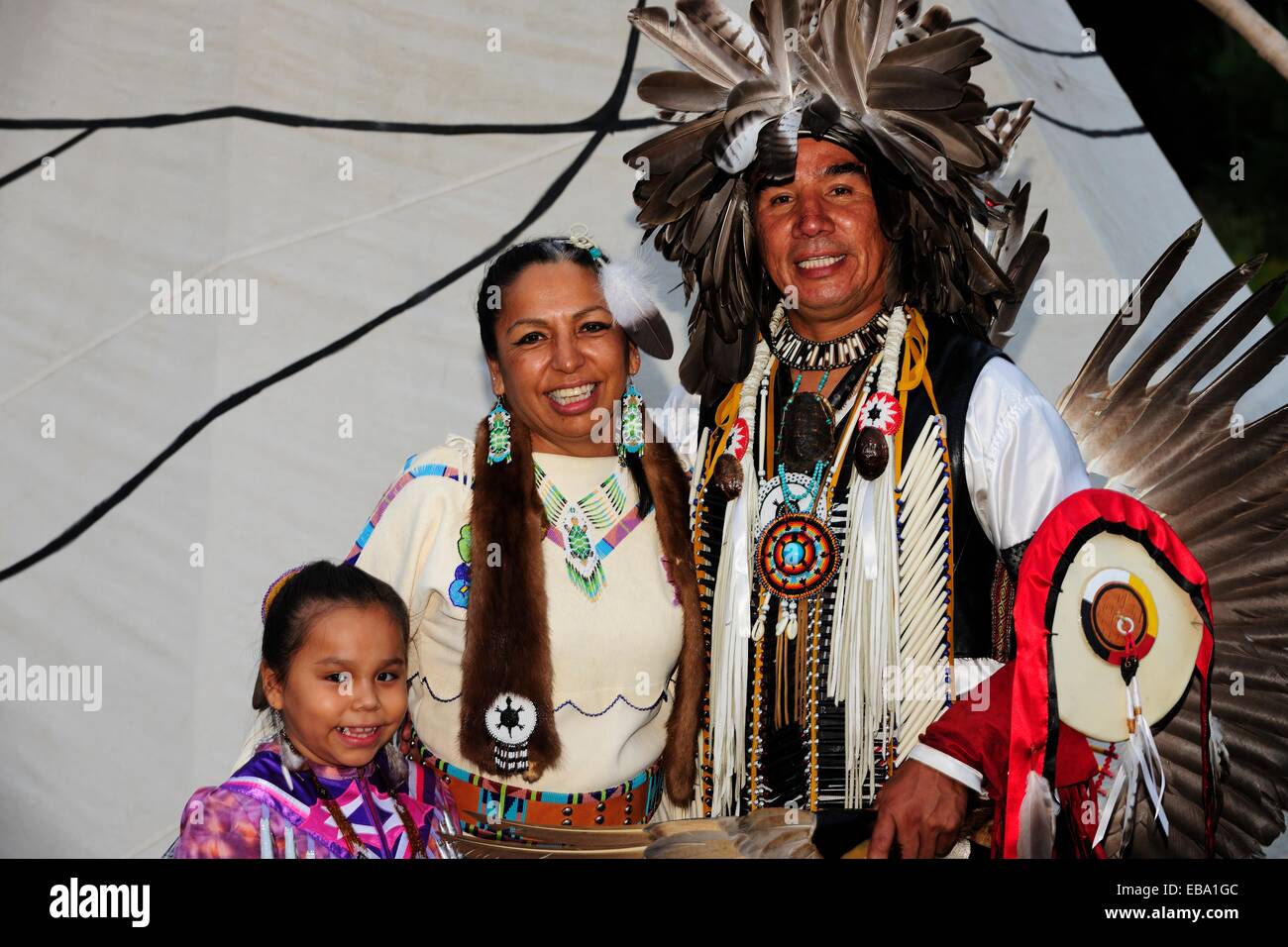
For over a century, this short, arduous path was the critical bottleneck, the lifeline, for the North West Company (NWC), the formidable British fur trading enterprise that rivaled the Hudson’s Bay Company. Here, at the mouth of the Pigeon River on Lake Superior, they established their colossal summer rendezvous site and primary depot. Imagine the scene: hundreds of voyageurs, paddling their massive birchbark canoes (canots du maître and canots du nord) laden with trade goods from Montreal, meeting hundreds of "winterers" (hivernants) returning from the interior with their precious cargo of furs. And, crucially, hundreds of Anishinaabe people – traders, guides, suppliers, families – who were the true masters of this landscape.
Stepping Back in Time: The Visitor Experience
The National Monument is impeccably preserved and interpreted. My first stop was the well-appointed Visitor Center, where exhibits provided essential historical context, including the story of the Anishinaabe, the rise and fall of the fur trade, and the monumental logistical challenges of operating in the wilderness. Park rangers offer insightful talks, grounding the experience in both historical fact and the realities of the time.
From there, a short walk leads to the reconstructed North West Company depot. This isn’t just a few log cabins; it’s an impressive stockade enclosing the Great Hall, various warehouses, kitchens, and living quarters. As I stepped through the gates, the scent of woodsmoke seemed to hang in the air, and the sounds of the modern world faded. Interpreters in period costume bring the past to life, demonstrating skills like blacksmithing, cooking over an open fire, and the intricate process of packing furs.

What struck me most was the sheer scale of the operation. The Great Hall, where the partners of the NWC would convene, felt imposing, a symbol of European ambition. Yet, just outside its walls, the vastness of Lake Superior and the untamed forest served as a constant reminder of who truly held the keys to navigating this domain. The European traders had the goods and the desire for furs, but the Anishinaabe had the knowledge, the routes, and the ability to survive in this environment.
Walking the "Living Map": The Grand Portage Trail
The heart of the Grand Portage experience, and the most direct connection to the Ojibwe "maps," is walking a portion of the actual portage trail. While the full 8.5-mile trek is a demanding undertaking (and requires preparation), even walking a mile or two offers profound insight.
The trail itself is a marvel of natural engineering, a path worn smooth over millennia by Indigenous travelers and, later, by the voyageurs. It winds through dense forests of birch, pine, and spruce, over rocky outcrops, and alongside bubbling streams. As I walked, I tried to imagine the immense effort: voyageurs carrying two 90-pound "pieces" (bundles of furs or trade goods) at a time, often running the trail multiple times to move all the cargo. It was grueling, back-breaking labor, but it was also a dance with the landscape, a physical manifestation of a mental map.
Every bend in the trail, every rise and fall in elevation, every stream crossing, was a feature on an Ojibwe map. These weren’t just obstacles; they were markers, points of reference, indicators of what lay ahead. The Ojibwe guides, who were indispensable to the voyageurs, knew every root, every rock, every potential hazard. They understood the seasonal changes – where the ground would be boggy, where the berries would ripen, where the game would migrate. Their "maps" were not static lines on paper, but a dynamic, multi-sensory understanding of the environment.
As I walked, I could almost hear the calls of the voyageurs, the creak of the tumplines, the rustle of leaves, and the quiet wisdom of the Ojibwe guides leading the way. The trail isn’t just a historical artifact; it’s a living archive of movement, knowledge, and interaction. It embodies the very essence of Indigenous mapping – the land itself as the ultimate guide and repository of information.

Beyond Guides: The Enduring Ojibwe Presence
Grand Portage is not just a story of European traders; it’s a profound narrative of the Grand Portage Band of Lake Superior Chippewa, whose ancestral lands encompass this area. Their presence here predates the fur trade by millennia, and their connection to the land endures. The monument works closely with the Band, ensuring that Indigenous perspectives are central to the interpretation.
The Ojibwe were not merely guides or suppliers; they were active participants in the trade, often as skilled negotiators and traders themselves. Ojibwe women played crucial roles, preparing furs, processing food, and forming alliances. The fur trade, while bringing European goods and technologies, also profoundly impacted Ojibwe society, leading to both new opportunities and significant challenges.
Today, the Grand Portage Band continues to thrive, maintaining their cultural heritage and deep connection to Kitchi Onigaming. Their knowledge of the land, their language, and their traditions are living extensions of those ancient maps, ensuring that the stories and wisdom of their ancestors are not lost. Visiting Grand Portage provides an opportunity to not only learn about a bygone era but also to acknowledge the ongoing sovereignty and cultural vitality of the Indigenous people who called this land home long before any European set foot here.
The Map as a Living Legacy
What Grand Portage National Monument truly reveals is that the most powerful maps are not those meticulously inked on paper, but those embedded in the minds and practices of people intimately connected to their environment. The Ojibwe maps of the fur trade were not just routes; they were comprehensive guides to survival, resource management, and cultural identity. They were the original GIS, integrating layers of data – ecological, spiritual, historical – into a cohesive, actionable understanding of the world.
My journey to Grand Portage was more than a sightseeing trip; it was a pilgrimage to a place where history breathes and the land speaks. It challenged my preconceived notions of what a "map" truly is and underscored the immense value of Indigenous knowledge systems. For any traveler seeking to understand the deeper currents of North American history, to appreciate the profound connection between people and place, and to witness a unique confluence of cultures, Grand Portage is an essential destination.
It’s a reminder that beneath the visible layers of history, there are always older, deeper stories waiting to be uncovered, guided by the silent, powerful maps of those who knew the land best. To visit Grand Portage is to walk a path that was once an essential line on an ancient, unwritten map – a map that shaped not just a continent’s commerce, but its very destiny. This place is not just a relic of the past; it’s a living testament to the enduring power of Indigenous knowledge and a compelling call to look at the world with new, more informed eyes.

:max_bytes(150000):strip_icc()/Ojibwe_Traditional_Wickiup-ad16ebd67f0e46199d2166dd1a7a170f.jpg?ssl=1&description=Uncharted%20Histories%3A%20Navigating%20Grand%20Portage%20National%20Monument%20and%20the%20Indigenous%20Maps%20of%20the%20Fur%20Trade)