
Tracing the Living Map: An Immersive Journey Through the Native American Southwest
Forget flat paper and static lines. The true map of the American Southwest isn’t found in an atlas; it’s etched into the canyons, woven into the adobe, and breathes within the vibrant cultures of its indigenous peoples. For the discerning traveler seeking more than just scenic vistas, exploring the ancestral and contemporary lands of Native American tribes in the Southwest is not merely a trip, but an profound educational and spiritual journey. This isn’t a review of a map, but a direct assessment of the unparalleled locations that are the map – a living testament to millennia of human ingenuity, resilience, and deep connection to land.
Our journey begins by understanding that this vast, sun-drenched region – spanning Arizona, New Mexico, Utah, and Colorado – is not just a collection of national parks, but the enduring homeland of nations like the Navajo, Hopi, Zuni, Apache, and the numerous Pueblo tribes. To truly "read" this map, one must approach it with reverence, curiosity, and a commitment to respectful engagement.
Mesa Verde National Park, Colorado: A Glimpse into Ancestral Puebloan Ingenuity

Our first stop on this living map is Mesa Verde, a UNESCO World Heritage Site in southwestern Colorado. This isn’t just a park; it’s an unparalleled archaeological preserve offering the most significant and best-preserved Ancestral Puebloan cliff dwellings in North America. The review of Mesa Verde hinges on its capacity to transport you directly into the lives of a sophisticated civilization that thrived here from roughly 600 to 1300 CE.
The Experience: Visiting Mesa Verde is an immersion into architectural genius. The iconic Cliff Palace, Balcony House, and Spruce Tree House are meticulously crafted multi-story villages built directly into natural alcoves in the sheer cliff faces. Guided tours, often led by knowledgeable park rangers, are essential to truly appreciate the engineering, social structure, and daily life of the people who called these seemingly impossible places home. Walking through these ancient rooms, seeing the kivas (circular ceremonial chambers), and imagining the community life within these stone fortresses is humbling. The sheer scale and preservation are astounding.
Visitor Insight: Accessibility varies; some dwellings require climbing ladders and navigating tight spaces, so check physical requirements. The park’s museum provides excellent context, but the real magic is felt standing within the structures themselves. This site offers an invaluable, tangible connection to an advanced culture that mysteriously departed the area, leaving behind an enduring legacy of innovation and adaptation to a harsh environment. It’s a powerful testament to human resilience and ingenuity.
Chaco Culture National Historical Park, New Mexico: The Ancient Urban Hub

Moving south into the stark, compelling landscape of northwestern New Mexico, we arrive at Chaco Culture National Historical Park. Often considered the heart of Ancestral Puebloan civilization, Chaco Canyon presents a different scale of achievement compared to Mesa Verde. Here, you encounter monumental "Great Houses" – multi-story complexes like Pueblo Bonito, Chetro Ketl, and Hungo Pavi – built with extraordinary precision, astronomical alignments, and a scale that suggests a vast, interconnected society.
The Experience: Chaco is remote, requiring a drive down unpaved roads, which only enhances its mystique. Upon arrival, the vastness of the canyon and the sheer size of the Great Houses are overwhelming. Unlike the cliff dwellings, Chaco’s structures rise from the canyon floor, their precise stonework and sophisticated engineering hinting at a complex social and religious order. Walking through Pueblo Bonito, a D-shaped complex with hundreds of rooms and multiple kivas, is like exploring an ancient metropolis. The astronomical alignments, such as the "Sun Dagger" at Fajada Butte (though not directly accessible by visitors), speak to a profound understanding of the cosmos.
Visitor Insight: Chaco is less about specific "tours" and more about self-guided exploration, allowing for personal reflection amidst the ruins. The remoteness means fewer crowds, fostering a deeper sense of connection to the past. It’s a place where the silence speaks volumes, inviting contemplation on the rise and fall of civilizations. The night sky here is also designated an International Dark Sky Park, offering an incredible celestial backdrop to the ancient ruins. Chaco is not just a collection of buildings; it’s a profound statement about human ambition and spiritual connection to the land.
Canyon de Chelly National Monument, Arizona: A Living Landscape
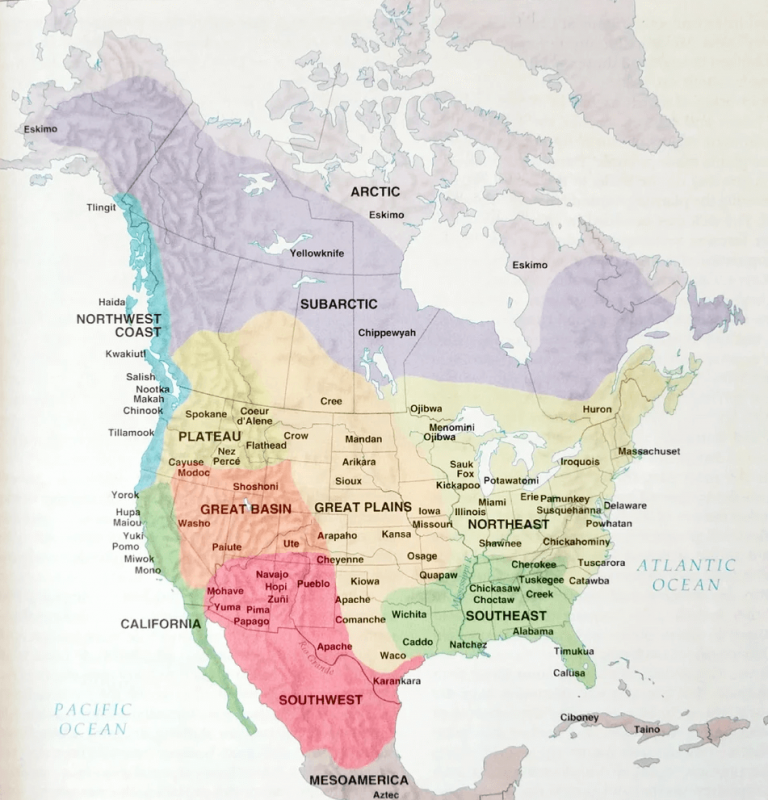
East of the dramatic red rock country of Monument Valley, within the Navajo Nation in Arizona, lies Canyon de Chelly National Monument. This location offers a unique blend of ancient history and contemporary indigenous life, making it an essential part of the living map. Unlike other national parks, Canyon de Chelly is jointly managed by the National Park Service and the Navajo Nation, and it is home to Navajo families who continue to live and farm on the canyon floor.
The Experience: The primary way to experience Canyon de Chelly is via the North and South Rim drives, offering breathtaking overlooks of the canyon floor and its ancient cliff dwellings, most notably the iconic White House Ruin. To truly immerse yourself, however, you must hire a permitted Navajo guide. These guides, often descendants of the people who have lived in the canyon for generations, provide invaluable cultural context, historical narratives, and access to areas otherwise off-limits. They can take you down into the canyon floor, leading hikes to ancient ruins, sharing stories, and demonstrating the enduring connection between the Navajo people and this sacred land.
Visitor Insight: The presence of a living community within an ancient landscape is what sets Canyon de Chelly apart. It challenges the notion of "dead" ruins, showcasing a continuous cultural thread. The guided tours are not just informative; they are acts of cultural exchange, supporting the local economy and offering perspectives that no guidebook can provide. Photography is often permitted, but always ask permission, especially when people are present. This is a place to slow down, listen, and learn directly from the land’s stewards.
Acoma Pueblo ("Sky City"), New Mexico: The Oldest Continuously Inhabited Settlement
Our journey takes us to the heart of Pueblo country in New Mexico, to Acoma Pueblo, famously known as "Sky City." Perched atop a 367-foot sandstone mesa, Acoma holds the distinction of being one of the oldest continuously inhabited communities in North America, with a history stretching back over 2,000 years. It’s a vibrant, living testament to cultural resilience.
The Experience: Access to Sky City is restricted to guided tours originating from the Haak’u Museum at the base of the mesa. These tours, led by Acoma guides, provide an intimate look into the community’s history, traditions, and daily life. You’ll explore the ancient adobe homes, the San Esteban del Rey Mission Church (a massive structure built in the early 17th century), and gain insight into the Acoma people’s enduring connection to their ancestral lands. The panoramic views from the mesa top are breathtaking, but it’s the stories of survival, adaptation, and unwavering cultural identity that truly resonate.
Visitor Insight: This visit is a powerful lesson in continuity and cultural pride. The Acoma people have defended their home and traditions for centuries, and their willingness to share their heritage with respectful visitors is a privilege. Photography rules are strict (often requiring a small fee and adherence to specific guidelines), emphasizing the sacredness of the space and the community’s desire to maintain privacy. Supporting the local artists who sell pottery and crafts is an excellent way to contribute directly to the community.
Taos Pueblo, New Mexico: A UNESCO Gem of Living Heritage
Further north in New Mexico, nestled against the Sangre de Cristo Mountains, is Taos Pueblo. Another UNESCO World Heritage Site and National Historic Landmark, Taos Pueblo is renowned for its iconic multi-story adobe dwellings that have been continuously inhabited for over 1,000 years. It represents a different architectural and cultural expression within the broader Pueblo tradition.
The Experience: Taos Pueblo is a striking visual marvel, with its stepped, interconnected adobe buildings rising dramatically against the backdrop of the mountains. A visit involves walking through the ancient village, observing the traditional way of life (many residents still live without electricity or running water in the old pueblo), and visiting the beautiful San Geronimo Chapel. Local tribal members often staff small shops selling traditional pottery, jewelry, and art, providing direct engagement opportunities.
Visitor Insight: Like Acoma, Taos Pueblo is a living community. Respect for residents’ privacy is paramount. Photography policies are clearly posted and must be adhered to. The experience offers a vivid picture of enduring traditions and a deep connection to the earth through adobe construction. The sound of the Rio Pueblo de Taos flowing through the village, the smell of piñon smoke, and the warmth of the adobe create an atmosphere unlike any other. It’s a place that teaches you about sustainable living and the strength of community bonds.
Monument Valley Navajo Tribal Park, Arizona/Utah: Iconic Landscape, Deeper Meaning
While often seen as a quintessential American West landscape, Monument Valley is fundamentally Navajo land, a critical part of the Navajo Nation. Its towering sandstone buttes and mesas are instantly recognizable, but a true appreciation comes from understanding its cultural significance.
The Experience: Driving the scenic 17-mile loop road through the Tribal Park offers stunning vistas of formations like the Mittens and Merrick Butte. However, the real depth of Monument Valley is revealed through guided tours led by local Navajo guides. These tours venture off the main loop, into restricted areas, providing access to ancient ruins, petroglyphs, and offering insights into Navajo culture, spirituality, and their deep connection to this sacred landscape. Hearing the stories of the land from its stewards transforms a scenic drive into a profound cultural immersion.
Visitor Insight: Supporting Navajo tour operators is crucial. Not only do they provide access to exclusive areas, but their narratives enrich the experience immeasurably, moving beyond the superficial beauty to the soul of the land. This is a powerful reminder that "wilderness" is often "homeland," and the indigenous perspective adds layers of meaning to every rock and shadow.
Respectful Travel: The Guiding Principle
To truly explore this living map of the Native American Southwest, respectful tourism is not just a recommendation; it is an absolute imperative.
- Support Tribal Economies: Purchase crafts, art, and services directly from tribal members. Hire local guides on tribal lands. This ensures your tourism dollars directly benefit the communities you visit.
- Ask Permission: Always ask before photographing people or sacred sites. Understand and obey all posted rules regarding photography, drone usage, and access.
- Cultural Sensitivity: Research the specific customs of the tribes you plan to visit. Dress modestly, speak respectfully, and be an attentive listener. Recognize that these are living cultures, not museum exhibits.
- Beyond the Past: While ancient ruins are awe-inspiring, remember that indigenous cultures are vibrant and contemporary. Seek out opportunities to engage with modern artists, chefs, and storytellers.
- Plan Ahead: Many tribal lands require permits or have specific access rules. Check official tribal websites or visitor centers well in advance, especially for places like Havasu Falls (Havasupai Reservation), which has extremely limited and highly sought-after permits.
Conclusion: A Map That Changes You
Exploring the Native American Southwest is far more than a sightseeing tour; it is a journey of discovery that redefines your understanding of history, resilience, and the profound human connection to place. The "map" here is alive, continually being drawn and redrawn by the footsteps of millennia, the whispers of ancient winds, and the vibrant pulse of contemporary indigenous communities. Each location – from the intricate cliff dwellings of Mesa Verde to the sacred mesas of Acoma and the spiritual heart of Canyon de Chelly – is a chapter in an ongoing story. By engaging with these places and their people respectfully and with an open heart, you don’t just travel across a landscape; you travel through time, culture, and ultimately, gain a deeper understanding of the enduring human spirit. This is a journey that will stay with you, long after the dust of the desert has settled from your boots.

