
Tracing Lines of History: A Traveler’s Guide to 19th-Century Native American Land Cessions
Forget the glossy brochures for a moment. True travel, the kind that reshapes your understanding of the world, often involves confronting uncomfortable truths. For those venturing across the vast and varied landscapes of North America, there’s a profound, often overlooked, layer of history etched into the very ground beneath your feet: the story of 19th-century Native American land cessions. These aren’t just historical footnotes; they are the foundational narratives that shaped the modern map of the United States, and understanding them transforms every road trip, every national park visit, every city skyline into a poignant journey through time.
This isn’t about reviewing a single physical "location" in the traditional sense, but rather an immersive, conceptual review of how to experience the profound impact of these historical maps on the American landscape. It’s about learning to read the land itself as a living document, a testament to treaties made, broken, and redefined, and the enduring sovereignty and resilience of Indigenous peoples.
The Unseen Map: Reading the Landscape of Cession

Imagine maps not just as geographical guides, but as legal documents, instruments of power, and often, tools of dispossession. The 19th century was a period of relentless westward expansion for the United States, driven by ideologies of Manifest Destiny and insatiable demand for land and resources. This expansion was largely formalized through a series of treaties and agreements with hundreds of Native American nations. Each treaty involved the cession – the formal giving up – of vast tracts of ancestral lands in exchange for often fleeting promises, annuities, or smaller, defined reservations.
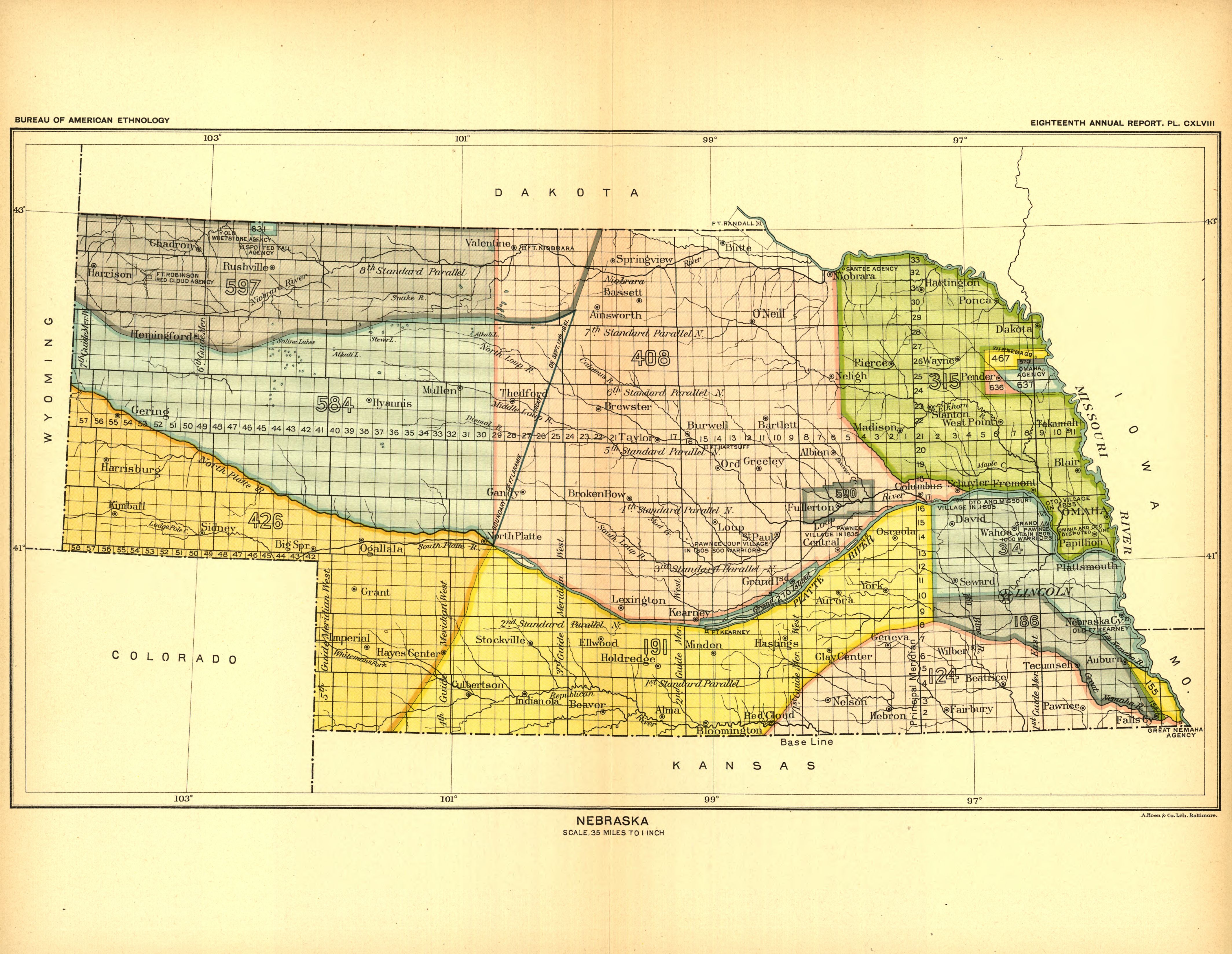
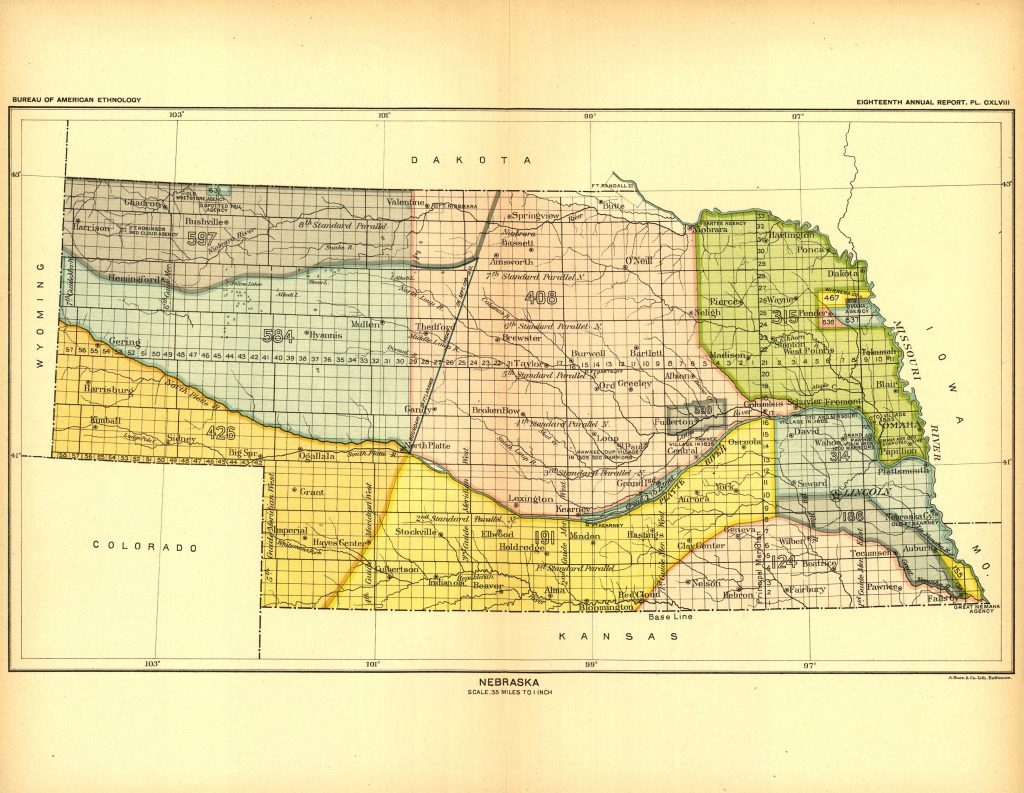
These maps, now often found in archival collections or digital databases, depict shrinking Indigenous territories with stark clarity. A once expansive domain, perhaps encompassing millions of acres, is progressively reduced to a fraction, then perhaps fragmented further, eventually becoming the modern reservation boundaries we see today. For a traveler, understanding these maps means seeing beyond the paved roads and picturesque vistas. It means asking: Whose land was this before? What happened here?
The Gateway to Understanding: The National Museum of the American Indian, Washington D.C.
For a foundational understanding, a crucial starting point for this historical journey is the National Museum of the American Indian (NMAI) in Washington D.C. While not a "land cession map" specific museum, its comprehensive exhibits provide the essential context for understanding the treaties and land dispossession that define the 19th century.
The NMAI, a part of the Smithsonian Institution, is unique in its approach, often presenting Indigenous perspectives directly. Its architecture itself, with its curvilinear forms and natural stone, evokes a connection to the land. Inside, you’ll encounter exhibits that detail the profound spiritual and cultural ties Native nations have to their ancestral territories. Crucially, the museum addresses the history of U.S.-Native American relations, including the treaty era. While specific land cession maps might not be prominently displayed as standalone artifacts, the consequences of those maps are woven throughout the narratives of sovereignty, forced removal, and the establishment of reservations.
Here, you’ll gain an appreciation for the meaning of land to Indigenous peoples – not just as property, but as identity, spirituality, and sustenance. This understanding is vital before venturing into the landscapes themselves. The NMAI grounds you in the historical context, showcasing the diverse cultures, governance structures, and worldviews that existed before and during the cession period. It sets the stage for comprehending the monumental loss and the incredible resilience that followed. It helps you grasp that the lines drawn on those 19th-century maps were not just administrative boundaries, but cuts through living cultures.
Beyond the Museum: Experiencing the Ceded Lands
Once armed with this context, the real "travel review" begins. Every piece of land you traverse in the continental U.S. has a story of cession, but some regions offer particularly poignant and accessible ways to engage with this history.
1. The Great Plains: Where Treaties Drew and Erased Nations
Perhaps nowhere is the impact of 19th-century land cessions more visually stark than across the Great Plains. This vast expanse, once the hunting grounds of numerous powerful nations like the Lakota, Cheyenne, Arapaho, Crow, and Pawnee, saw successive treaties drastically shrink their territories.
Consider a journey through South Dakota and Nebraska:
- Badlands National Park, South Dakota: This surreal landscape, with its eroded buttes and vast prairies, is a prime example of ceded land. Much of the park lies within the boundaries of what was once the Great Sioux Reservation, established by the Fort Laramie Treaty of 1868. This treaty, one of the most significant of the era, initially guaranteed the Lakota a vast territory. However, the discovery of gold in the Black Hills led to its rapid renegotiation and reduction, a painful story often told in the park’s interpretive centers. Traveling through the Badlands, you’re on land that was once central to Lakota life, a place where buffalo roamed freely and sacred ceremonies took place. Its stark beauty is a constant reminder of what was lost and what remains.
- Pine Ridge Indian Reservation, South Dakota: Adjacent to Badlands, Pine Ridge is one of the largest and most well-known reservations in the U.S. It represents the ultimate shrinking of the Great Sioux Nation’s territory. Visiting Pine Ridge, respectfully and with an open mind, offers a direct encounter with the legacy of these maps. Cultural centers like the Red Cloud Indian School Heritage Center offer insights into Oglala Lakota history, art, and contemporary life. The infamous Wounded Knee Massacre Site, a National Historic Landmark, is a powerful and somber place to reflect on the violent consequences of land disputes and broken treaties. While the site itself is a quiet field, the history it embodies is deafening. Here, the lines drawn on maps became lines of conflict and tragedy.
- Fort Laramie National Historic Site, Wyoming: A short detour west, this site was the stage for the signing of two pivotal treaties (1851 and 1868) that attempted to define and redefine Native American territories on the Plains. Walking the grounds where these negotiations took place brings a tangible connection to the bureaucratic processes that determined the fate of nations. Exhibits explain the context, the players, and the often-misunderstood intentions and outcomes of these agreements.
2. The Southeast: The Trail of Tears and Enduring Presence
Another crucial region is the American Southeast, home to the "Five Civilized Tribes" (Cherokee, Choctaw, Chickasaw, Creek, and Seminole). Their story is synonymous with the Indian Removal Act of 1830 and the subsequent Trail of Tears, a forced march from their ancestral lands to Indian Territory (present-day Oklahoma).
- Cherokee Nation, Oklahoma: While the original lands were in the Southeast, the Cherokee Nation in Oklahoma represents the culmination of this forced removal. The Cherokee Heritage Center in Park Hill, Oklahoma, offers an unparalleled look into Cherokee history, culture, and the devastating impact of removal. You can walk through Diligwa, a reconstructed 1710 Cherokee village, and see the Adams Corner Rural Village, depicting life in the 1890s. The interpretive exhibits here directly address the treaties that led to their displacement and the maps that defined their shrinking, then relocated, territories. It’s a powerful testament to survival and cultural revival.
- Trail of Tears National Historic Trail: This trail isn’t a single location but a network of routes across nine states (Alabama, Arkansas, Georgia, Illinois, Kentucky, Missouri, North Carolina, Oklahoma, and Tennessee). Various interpretive sites along these routes, often marked with signage, provide information about the specific paths taken by different detachments. Visiting a segment of the trail, such as New Echota Historic Site in Georgia (the last capital of the Cherokee Nation before removal), allows you to stand on the very ground where these heartbreaking decisions and journeys began. These are places where the lines on those maps became routes of immense suffering.
Responsible Travel: Engaging with the Legacy
Traveling through these landscapes of cession requires more than just looking; it demands active engagement and respect.
- Educate Yourself: Before you go, research the specific Indigenous nations whose ancestral lands you’ll be visiting. Understand their history, their contemporary presence, and their cultural protocols.
- Visit Tribal Cultural Centers and Museums: These are invaluable resources, offering authentic perspectives directly from the communities. They are often the best places to learn about local history, art, and current issues.
- Support Indigenous Businesses: When possible, buy from Native-owned shops, galleries, and restaurants. Your tourism dollars can directly benefit the communities whose history you are exploring.
- Practice Respectful Photography and Interaction: Always ask permission before photographing individuals. Be mindful of sacred sites and private property.
- Acknowledge the Continuous Present: Remember that Indigenous nations are not just historical figures; they are vibrant, contemporary communities with ongoing struggles for sovereignty, land rights, and cultural preservation.
- Look Beyond the Tourist Gaze: Challenge yourself to see past the picturesque landscapes and recognize the layers of history, memory, and enduring presence beneath.
Conclusion: A Map for the Mind and Heart
Reviewing the "location" of 19th-century Native American land cessions is not about a single destination; it’s about a transformative way of seeing the entire North American continent. It’s about recognizing that the maps of today are built upon the erased lines of yesterday, and that those erasures represent profound human stories.
From the interpretive exhibits of the National Museum of the American Indian to the windswept prairies of the Badlands, the solemnity of Wounded Knee, or the resilient spirit of the Cherokee Nation in Oklahoma, every mile traversed becomes a journey through a complex, often painful, but ultimately vital chapter of American history.
By consciously engaging with this history, by learning to read the land through the lens of those 19th-century maps and the treaties they represent, travelers can move beyond superficial tourism. They can embark on a journey that fosters deeper understanding, empathy, and a profound respect for the enduring sovereignty and rich cultural heritage of America’s Indigenous peoples. This kind of travel doesn’t just show you new places; it changes the way you see the world, one historical line at a time.

