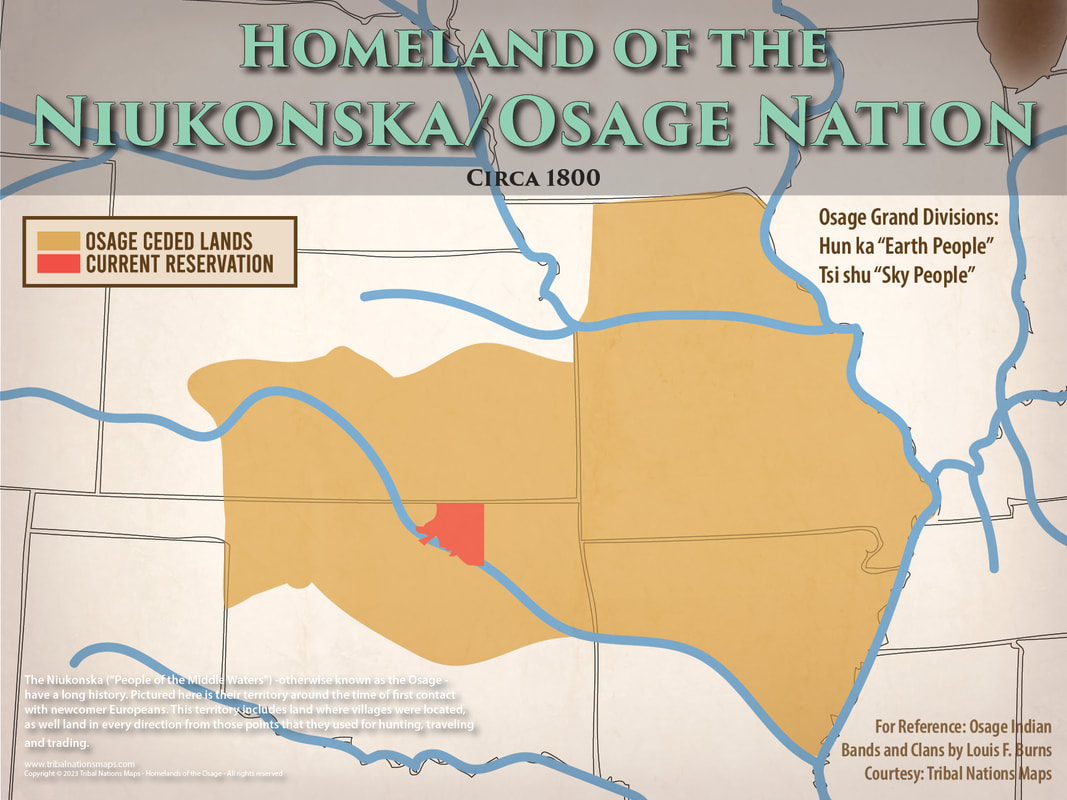
Tracing Invisible Lines: A Traveler’s Guide to the Osage Nation’s Oil-Rich Heart
Forget your typical beach getaways or bustling city breaks. For the traveler seeking profound stories etched into the very landscape, a journey into the heart of the Osage Nation in Oklahoma offers an unparalleled experience. This isn’t just about scenic beauty; it’s about walking through history, understanding the seismic shifts caused by oil wealth, and grappling with the legacy of historical oil and gas leases that literally reshaped a people’s destiny.
Our destination is Pawhuska, the vibrant yet historically heavy capital of the Osage Nation. But to truly "review" this place, we must understand it through the lens of those historical maps – maps that weren’t just lines on paper but blueprints for immense wealth, tragic exploitation, and enduring resilience. This review isn’t of a static exhibit, but of an immersive journey into a living landscape where every rolling hill, every historic building, and every whisper of the wind carries the weight of a century-old saga.
The Land as a Living Map: Invisible Leases, Visible Legacy
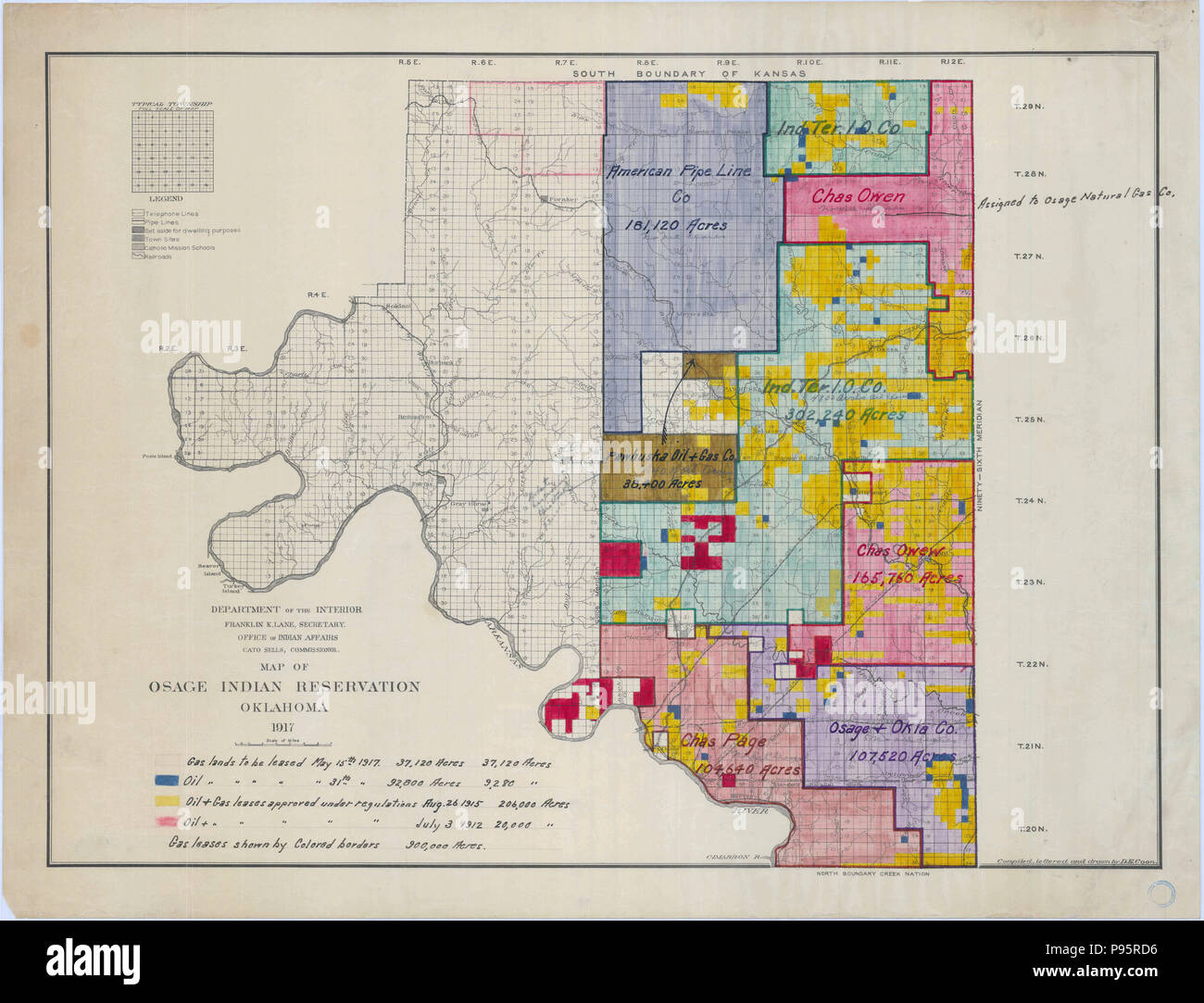
Imagine standing on a hill overlooking the vast expanse of Osage County. What you see are the gently rolling plains, the scattered clusters of trees, perhaps a herd of cattle. What you don’t immediately see are the invisible lines of thousands of historical oil and gas leases that once crisscrossed this land like a complex, subterranean nervous system. Yet, these lines are profoundly present. They dictated where wells were drilled, where boomtowns sprang up, where fortunes were made, and where lives were tragically lost.
To travel through the Osage Nation is to learn to read this invisible map. It’s understanding that beneath the pastoral beauty lies a story of geological lottery and human consequence. The Osage people, strategically acquiring this land in the late 19th century, retained the mineral rights to their entire 1.47 million acres. This foresight, enshrined in the Osage Allotment Act of 1906, meant that when vast reservoirs of oil and gas were discovered, the wealth flowed directly to the Nation and its individual members, known as "headright holders."
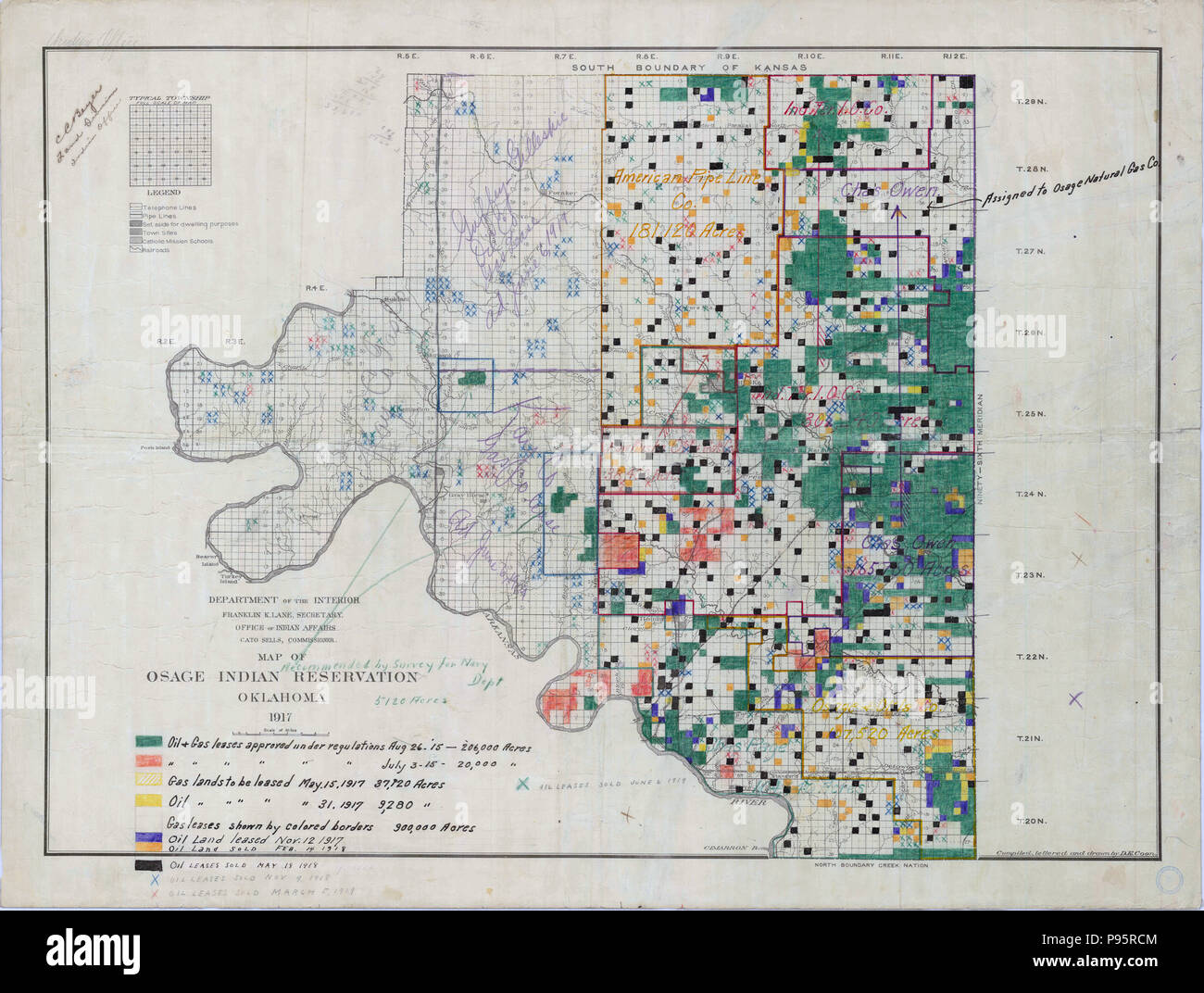
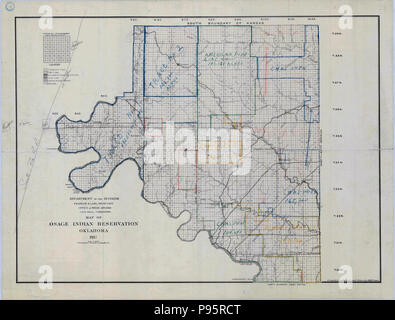
The maps of historical leases are the detailed records of this incredible period. They show the patchwork of drilling sites, the ownership boundaries, the agreements that brought incredible wealth – and incredible peril – to the Osage. Visiting the Osage Nation is an opportunity to see how those maps translated into a tangible, often dramatic, reality.
Pawhuska: The Epicenter of the Boom and Its Shadows
Our journey begins in Pawhuska, the historical and contemporary capital. As you stroll through its downtown, the architecture itself tells a story of boom-and-bust cycles. Grand, ornate buildings stand testament to the lavish wealth that flowed through here in the early 20th century. Banks, hotels, and retail establishments were built with oil money, their facades echoing a bygone era of opulence.
-
The Osage Nation Museum: This is your essential first stop. It’s not just a repository of artifacts; it’s a narrative hub that contextualizes everything you’ll see. Here, you’ll find exhibits detailing the Osage migration, their cultural traditions, and crucially, the story of the oil boom. While actual historical lease maps might be in archives, the museum vividly illustrates the impact of those maps – the sudden influx of wealth, the creation of the headright system, and the devastating "Reign of Terror" where Osage citizens were systematically murdered for their oil money. The museum carefully balances the pride of Osage resilience with the stark realities of their history. It’s a powerful and necessary immersion.
-
The Osage County Courthouse: A striking architectural landmark, this building stands as a silent witness to countless legal battles over oil leases, guardianship, and the justice (or lack thereof) meted out during the "Reign of Terror." Imagine the frantic negotiations, the filing of leases, the court proceedings related to those very maps. The building is a physical manifestation of the legal and economic machinery that the oil leases set in motion.
-
Historic Downtown Pawhuska: Beyond specific landmarks, simply walking the streets of Pawhuska offers a palpable connection to the past. The Mercantile, now a famous shopping and dining destination, was once a cornerstone of the oil boom economy. Visualize the streets teeming with roughneck oilmen, wealthy Osage citizens in their finest attire, lawyers, and opportunists – all drawn by the promise of the black gold. The energy of that era, fueled by the agreements on those maps, is almost tangible.
Beyond Pawhuska: The Land Speaks Volumes
To truly appreciate the context of the historical leases, you must venture beyond the town limits and into the wider Osage County. This is where the maps come alive in a different way – through the landscape itself.
-
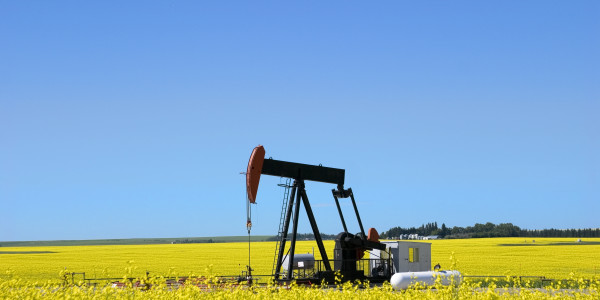
Driving Through the Oil Fields: While many of the original derricks are gone, remnants of the early oil fields are still visible. You’ll see pump jacks rhythmically dipping, sometimes isolated in a field, sometimes clustered together. These are direct descendants of the wells drilled according to those historical leases. Each one represents a point on a map, a specific agreement for extraction. It’s a sobering sight, reminding you of the vast scale of the operation and its ongoing legacy. These aren’t just industrial sites; they are historical markers, symbols of a landscape forever altered by human enterprise and the earth’s buried riches.
-
The Tallgrass Prairie National Preserve: This stunning, nearly 40,000-acre preserve, managed by The Nature Conservancy and the National Park Service, offers a powerful contrast to the oil fields. While not directly part of the Osage Nation (it was purchased from private landowners), it lies within the historical Osage territory and represents the land as it was before the oil boom, and as it endures today. Here, the vastness of the prairie, the untouched beauty, and the roaming bison evoke a sense of timelessness. It’s a reminder of what was at stake, the natural wealth that predated the mineral wealth, and the continuing efforts to preserve this unique ecosystem. Standing here, you can almost overlay the historical lease maps onto the pristine landscape, imagining the immense pressure to drill, and the Osage Nation’s steadfast determination to control their own destiny despite that pressure. It highlights the profound connection between land, resources, and sovereignty.
The Deeper Review: A Journey of Understanding
So, what is the "review" of this location? It’s not a simple rating of amenities or attractions. It’s a review of an experience.
-
Historical Depth (5/5): Unparalleled. This isn’t just history; it’s living history, with direct connections to events that shaped a nation and influenced global energy markets. The historical oil and gas leases are not abstract concepts here; they are the foundation upon which everything else rests.
-
Cultural Immersion (5/5): The Osage Nation is a vibrant, living culture. Engaging with the museum, local businesses, and understanding their story offers profound insights into resilience, sovereignty, and identity.
-
Scenic Beauty (4/5): While not mountainous, the rolling prairies of Osage County possess a quiet, expansive beauty, particularly the Tallgrass Prairie. The scattered oil pumps add a unique, if industrial, character to the landscape, telling their own story.
-
Emotional Impact (5/5): This trip will stay with you. The story of the Osage, their wealth, the murders, and their enduring strength is deeply moving. It forces contemplation on themes of justice, greed, and cultural survival.
-
Accessibility & Travel Friendliness (3/5): Pawhuska is accessible by car, but direct public transport is limited. The experience requires a willingness to delve into history and potentially navigate less tourist-centric areas. A car is essential for exploring the wider county.
Practical Considerations for Your Visit:
- Respect: This is sovereign land with a complex history. Approach your visit with respect for the Osage people, their culture, and their stories.
- Reading Material: Before you go, read David Grann’s "Killers of the Flower Moon" or watch the film adaptation. It provides crucial context for the "Reign of Terror" that arose from the oil wealth and the lease system. However, remember the Osage story is far broader than just this tragedy.
- Time: Allow at least 2-3 days to fully explore Pawhuska, the museum, and take driving tours through the county and to the Tallgrass Prairie.
- Local Businesses: Support Osage-owned businesses and local establishments.
Conclusion: More Than Just a Trip
A journey to the Osage Nation, viewed through the lens of its historical oil and gas leases, is far more than a sightseeing trip. It’s an archaeological expedition into recent history, where the invisible lines on old maps manifest as architectural grandeur, industrial remnants, and deeply personal stories. It’s an invitation to grapple with the complex interplay of land, resources, wealth, and justice.
You’ll leave not just with photographs, but with a deeper understanding of American history, indigenous sovereignty, and the enduring spirit of a people who have navigated extraordinary challenges. It’s a powerful, thought-provoking, and ultimately enriching experience that redefines what "travel" can truly mean. This isn’t just a review of a place; it’s a profound recommendation for a journey that will open your eyes and heart to a crucial chapter in our shared human story.

