The Unseen Landscape: A Traveler’s Guide to Understanding Logging Impacts Through Indigenous Eyes
As travelers, we seek out beauty, history, and connection. We hike through ancient forests, marvel at towering trees, and breathe in the crisp air, often believing we are experiencing nature in its pristine state. But what if the landscape held a deeper, more complex story, one etched not just by time and geology, but by human impact, colonial history, and a profound, often overlooked, indigenous perspective? This is the journey we embark upon when we learn to read the "unseen landscape" through the lens of Native American maps documenting the devastating impacts of logging on indigenous forests. This isn’t a review of a single destination, but an essential guide to enriching any forest visit, transforming it from a mere scenic stop into a profound encounter with history, resilience, and environmental justice.
Imagine standing in a vast, seemingly untouched old-growth forest. The air hums with life, sunlight filters through a dense canopy, and the scent of damp earth and pine needles fills your senses. Now, imagine holding a map—not a standard topographic chart, but one meticulously crafted by indigenous hands, generations ago. This map doesn’t just show rivers and mountains; it details sacred sites, traditional hunting grounds, berry patches, ancestral trails, and the specific locations of cedar trees used for canoes or basketry. It’s a living document of a deeply interconnected world, a blueprint of a people’s spiritual and physical sustenance.
Then, overlay that with another map, perhaps drawn more recently by the same community or their descendants. On this map, the vibrant green of old-growth stands is crisscrossed with stark red lines indicating logging roads, clear-cut blocks scarring the hillsides like fresh wounds, and the blue veins of rivers muddied by erosion. The sacred sites are now isolated islands in a sea of deforestation, the berry patches gone, the cedar groves decimated. This jarring juxtaposition is the heart of understanding indigenous maps of logging impacts: they are not just cartographic records; they are profound testaments to loss, resilience, and an unwavering commitment to ancestral lands.

For centuries, indigenous communities across North America have been the primary stewards of their ancestral forests. Their traditional ecological knowledge (TEK) is a sophisticated system of understanding forest dynamics, sustainable harvesting, and the interconnectedness of all living things. Their relationship with the land is not one of ownership, but of kinship and responsibility. Forests are not merely resources to be exploited; they are relatives, sacred spaces, and the foundation of cultural identity.
However, with the arrival of European settlers, this paradigm shifted violently. The insatiable demand for timber, driven by industrial expansion and the promise of "progress," led to aggressive logging practices that paid little to no heed to indigenous land rights, spiritual connections, or sustainable practices. From the towering redwoods of the Pacific Northwest to the vast pine forests of the Great Lakes region and the mixed woodlands of the Northeast, indigenous territories became prime targets for resource extraction. Treaties were broken, lands were seized, and ancient forests—many of which had been carefully managed by indigenous peoples for millennia—were systematically clear-cut, often leaving behind ecological devastation and cultural wreckage.
This is where indigenous maps become vital tools for travelers and historians alike. Unlike colonial maps, which primarily focused on resource extraction points, property lines, and routes for conquest, indigenous maps offer a holistic view. They document not only what was there, but why it mattered. They might depict the migration patterns of elk dependent on specific forest types, the location of medicinal plants, or the spiritual significance of a particular grove of trees. When logging arrived, these maps were adapted to record the changes: the location of the new mill, the extent of the clear-cuts, the pollution of the rivers, the displacement of wildlife. They became powerful instruments of protest, advocacy, and cultural memory.
Imagine visiting a national forest in Oregon, a region profoundly shaped by both indigenous history and the timber industry. You might walk a well-maintained trail, admiring the second or third-growth forest that has replaced the giants of yesteryear. Without the indigenous perspective, it’s easy to see this as a natural progression, a healthy forest. But armed with the knowledge these maps impart, you begin to see the ghosts of what was lost. You might notice the unnaturally uniform age of the trees, the lack of diverse understory, or the straight lines of old logging roads now overgrown. These are the subtle scars that indigenous maps illuminate, revealing the profound difference between a managed, biodiverse old-growth forest and a replanted timber farm.
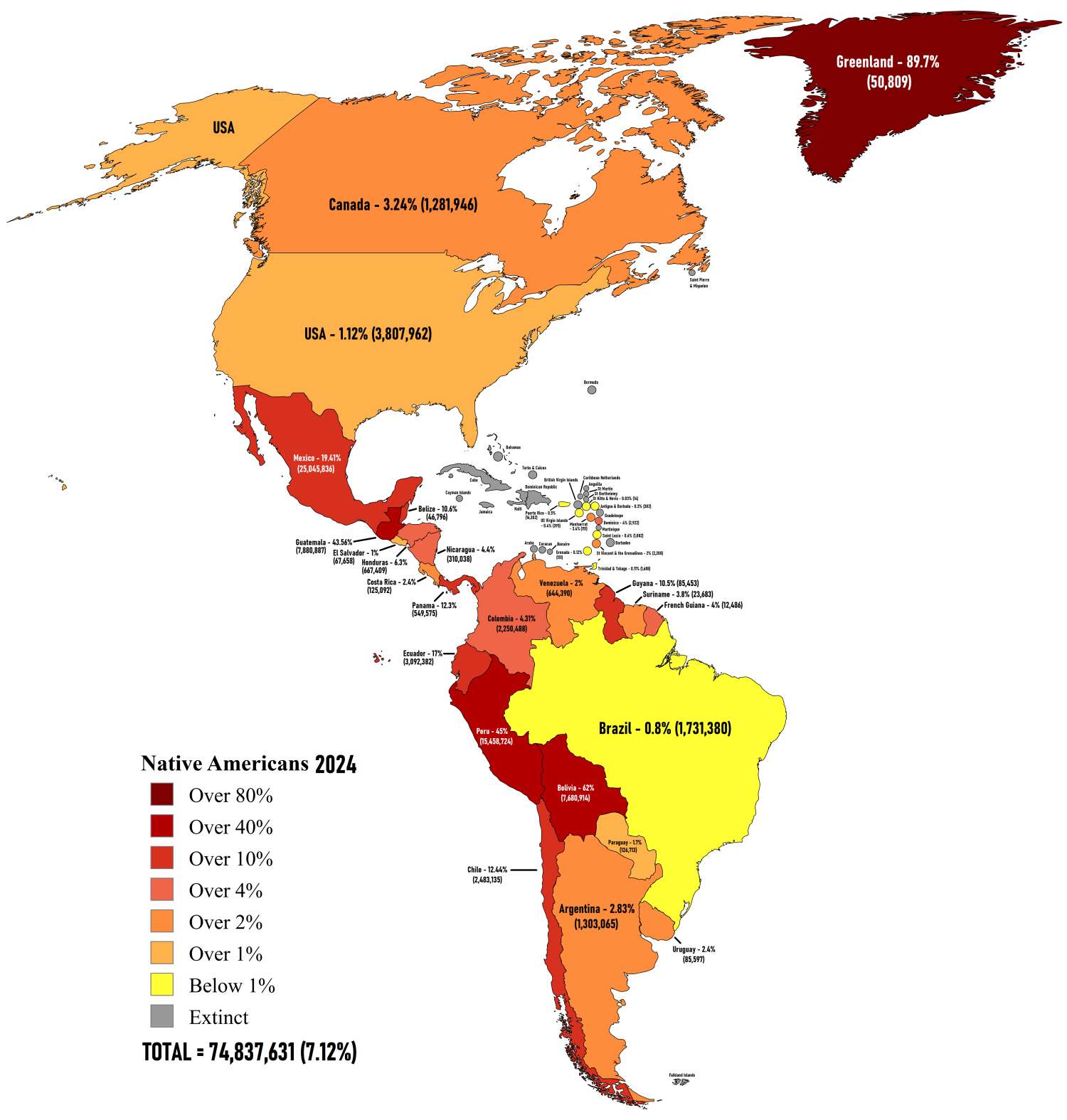
These maps aren’t always physical documents found in an archive. Often, they exist in the oral traditions, songs, and stories of the elders, passed down through generations. They are etched in the memories of a people who remember when the salmon runs were abundant because the rivers were shaded by ancient trees, when the cedar canoes were plentiful, and when the forest provided everything needed for a thriving culture. Modern indigenous cartographers are now translating these oral traditions and community memories into contemporary maps, using GIS technology to layer ancestral knowledge with contemporary data, creating powerful visual narratives of historical injustice and ongoing environmental struggle.
So, how does a traveler engage with this profound perspective? It transforms your experience from passive observation to active learning and empathetic engagement.
- Seek Out Indigenous Voices: Before or during your visit to any forested area, research the indigenous nations whose ancestral lands you are on. Many tribes have cultural centers, museums, or online resources that share their history, their relationship with the land, and the impacts they have faced. Some offer guided tours, providing invaluable insights directly from community members.
- Look for the Evidence: Once you understand what to look for, the landscape itself becomes a map. Notice the size and age of trees, the composition of the forest floor, the presence or absence of certain plants or animals. Are there signs of past clear-cuts? Are the rivers silty or clear? These observations, coupled with indigenous historical context, tell a much richer story.
- Understand the "Before and After": When you see a beautiful, seemingly natural forest, try to imagine it through the eyes of someone who remembers the "before"—the ancient, complex ecosystem that existed prior to industrial logging. This exercise in historical imagination is crucial for appreciating the depth of loss and the resilience of both the land and its indigenous guardians.
- Support Indigenous-Led Conservation: Many indigenous communities are at the forefront of conservation efforts, working to restore damaged forests, protect remaining old-growth, and reassert their traditional land management practices. Supporting their initiatives, whether through donations, advocating for land back, or simply amplifying their voices, is a tangible way to honor their stewardship.
- Reflect on Your Impact: As travelers, we have a responsibility to tread lightly and to understand the history of the places we visit. Recognizing the impact of logging through indigenous maps encourages a more mindful approach to travel, fostering respect for the land and its original inhabitants.

The review of this "place"—the indigenous forest seen through the lens of Native American maps—is one of profound revelation. It reveals not just the physical scars of logging but the enduring spiritual and cultural wounds. Yet, it also illuminates incredible resilience, deep ecological wisdom, and an unwavering commitment to future generations. It’s a call to see beyond the surface, to listen to the stories the land tells, and to acknowledge the invaluable cartography of indigenous knowledge that has too long been ignored.

Next time you find yourself amidst the trees, pause. Listen. Look for the unseen landscape. Ask yourself: What story does this forest truly tell, and whose voices have shaped its history? By engaging with Native American maps of logging impacts, you don’t just visit a forest; you embark on a journey through time, culture, and a crucial dialogue about our shared environmental future. It is a travel experience that fundamentally changes how you perceive the world, turning every walk in the woods into a lesson in history, ecology, and profound respect.

