Stepping Beyond the Lines: Experiencing the Indigenous Geography of Moundville
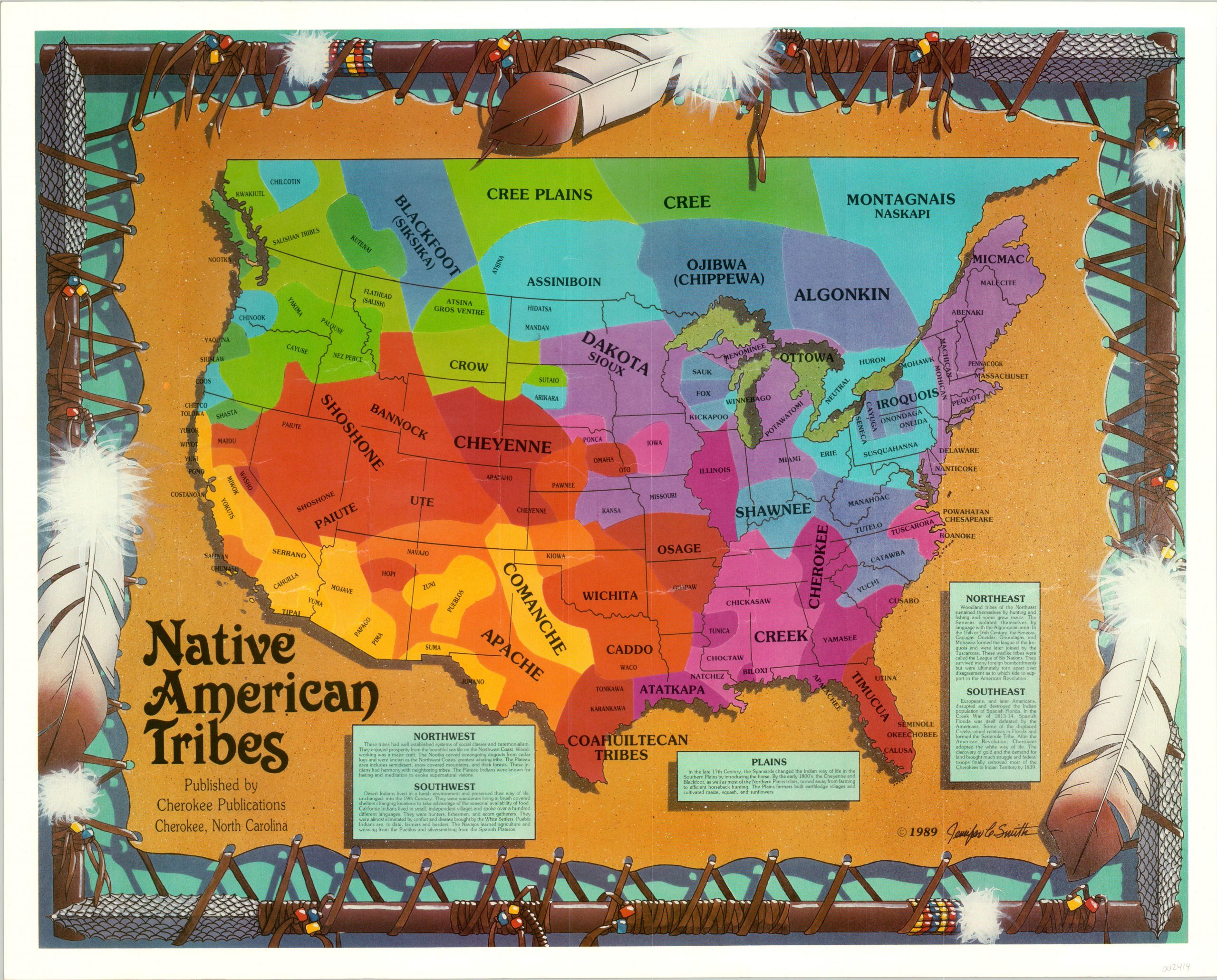
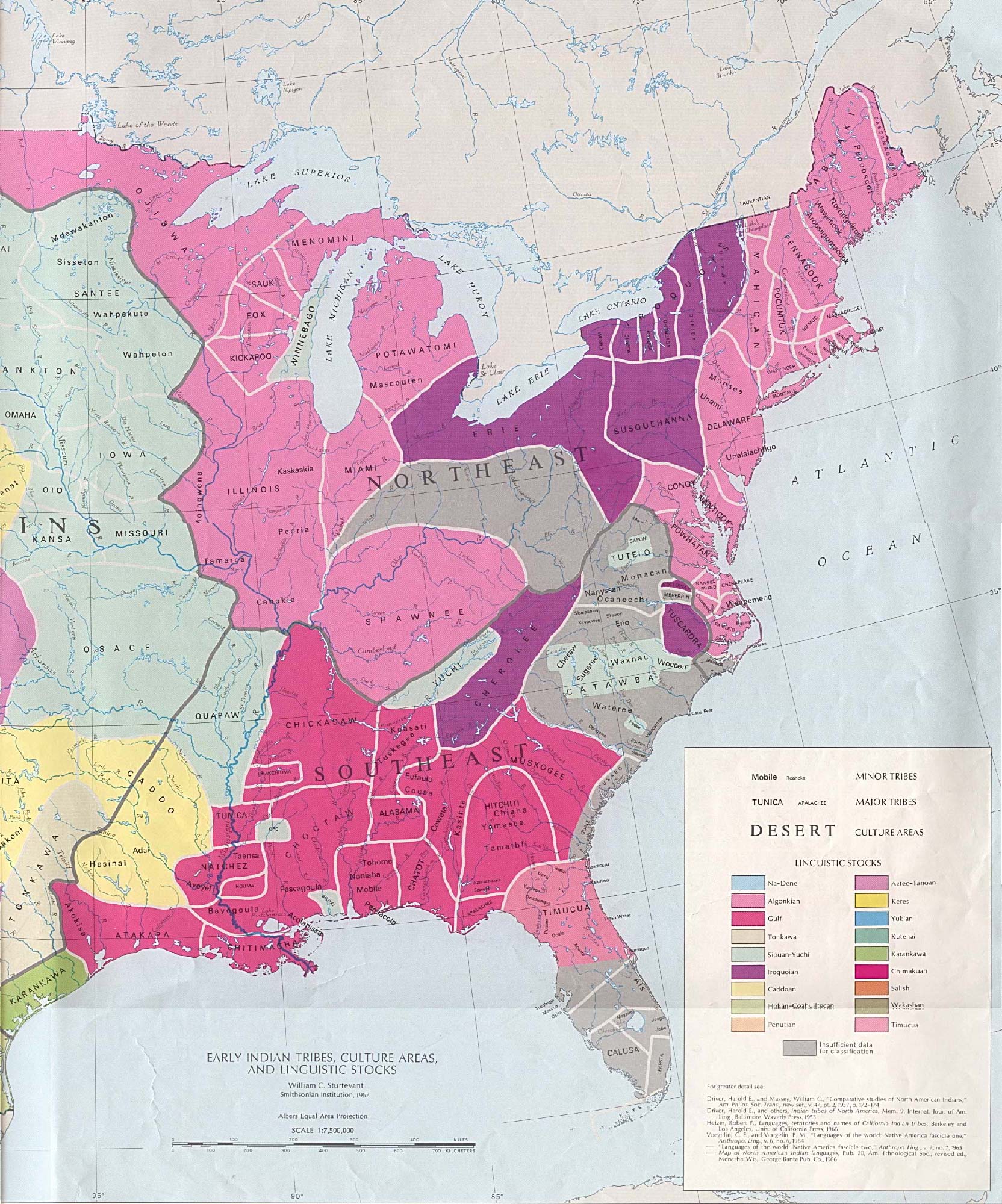
Forget the static, often Eurocentric lines of historical maps for a moment. To truly grasp the vibrant, complex indigenous landscape of the Southeastern United States, you must visit Moundville Archaeological Park in Alabama. This isn’t just a site; it’s a living, breathing counter-map, a monumental testament to a sophisticated civilization that thrived for centuries, whose story often goes untold or misrepresented in conventional cartography. Moundville doesn’t just show you where people were; it immerses you in how they lived, organized their world, and understood their own intricate geography, long before European explorers ever attempted to chart these lands.
Moundville, sprawling across 320 acres along the Black Warrior River, was one of North America’s largest and most important Mississippian centers between AD 1000 and 1450. It was a thriving capital, home to thousands, and a ceremonial heart for a vast region. When you stand in the central plaza, surrounded by 29 colossal earthen mounds, you’re not just looking at archaeological remains; you’re standing within an intentional, meticulously planned urban center. This arrangement – the tallest mound (Mound A) dominating the northern edge, smaller mounds forming a crescent around the immense plaza, and residential areas beyond – is, in itself, a profound indigenous map. It delineates social hierarchy, sacred space, public gathering areas, and defensive perimeters. Early European maps, focusing on coastlines, rivers, and vague tribal names, utterly failed to capture the architectural and social complexity of such places. Moundville was a fixed, monumental point on the indigenous mental map, a place of immense power and significance, a node in a vast network of trade and influence that spanned the entire Southeast.
Walking the grounds, the sheer scale of the earthworks is breathtaking. These aren’t natural hills; they are meticulously constructed platforms, serving as foundations for temples, elite residences, and burial places. Imagine the labor, the communal effort, the sophisticated understanding of engineering and resource management required to move millions of basket-loads of earth. The layout is not haphazard; it’s a cosmological statement, aligning with celestial events and reflecting a deeply spiritual worldview. The central plaza, kept meticulously clear, served as a stage for ceremonies, games, and communal gatherings – the social and political heart of this ancient city. This organized landscape, a testament to a complex society, challenges the narrative of an "empty wilderness" that often pervaded early colonial maps, which frequently depicted the interior as unknown, untamed, and sparsely populated, ready for European appropriation. Moundville screams otherwise: this was a highly developed, densely inhabited, and culturally rich land.
The Paul W. Bryant Museum at Moundville further amplifies this understanding, bringing the invisible details of the "map" to life. Inside, you encounter an extraordinary collection of artifacts unearthed from the site: intricately carved shell gorgets depicting mythical birds and warriors, elaborate copper plates, highly polished stone effigy pipes, and exquisite pottery adorned with symbolic motifs. These aren’t just beautiful objects; they are fragments of a complex belief system, a visual language that tells stories of creation, power, and connection to the natural world. The designs on a piece of pottery or a shell gorget often represent elements of the broader Mississippian cosmology, which was shared across vast distances, demonstrating cultural connections and trade routes that formed another layer of indigenous "mapping." These artifacts provide insights into the religious practices, social stratification, and artistic achievements of the Mississippian people, details entirely absent from any European map of the era.
One of the most powerful exhibits features a life-size diorama depicting daily life at Moundville, offering a glimpse into the bustling activities of the ancient city. You see artisans at work, people preparing food, children playing, and ceremonies taking place. This immersive experience helps to populate the "blanks" on those historical maps, transforming abstract lines into living communities. It illustrates the sophisticated agricultural practices that sustained such a large population, the extensive trade networks that brought exotic materials like marine shells from the Gulf Coast and copper from the Great Lakes region, and the advanced social structures that governed this powerful polity. These elements – economic systems, cultural exchange, political organization – were the true features of the indigenous geography, far more significant than the crude river lines and forest markers on European charts.
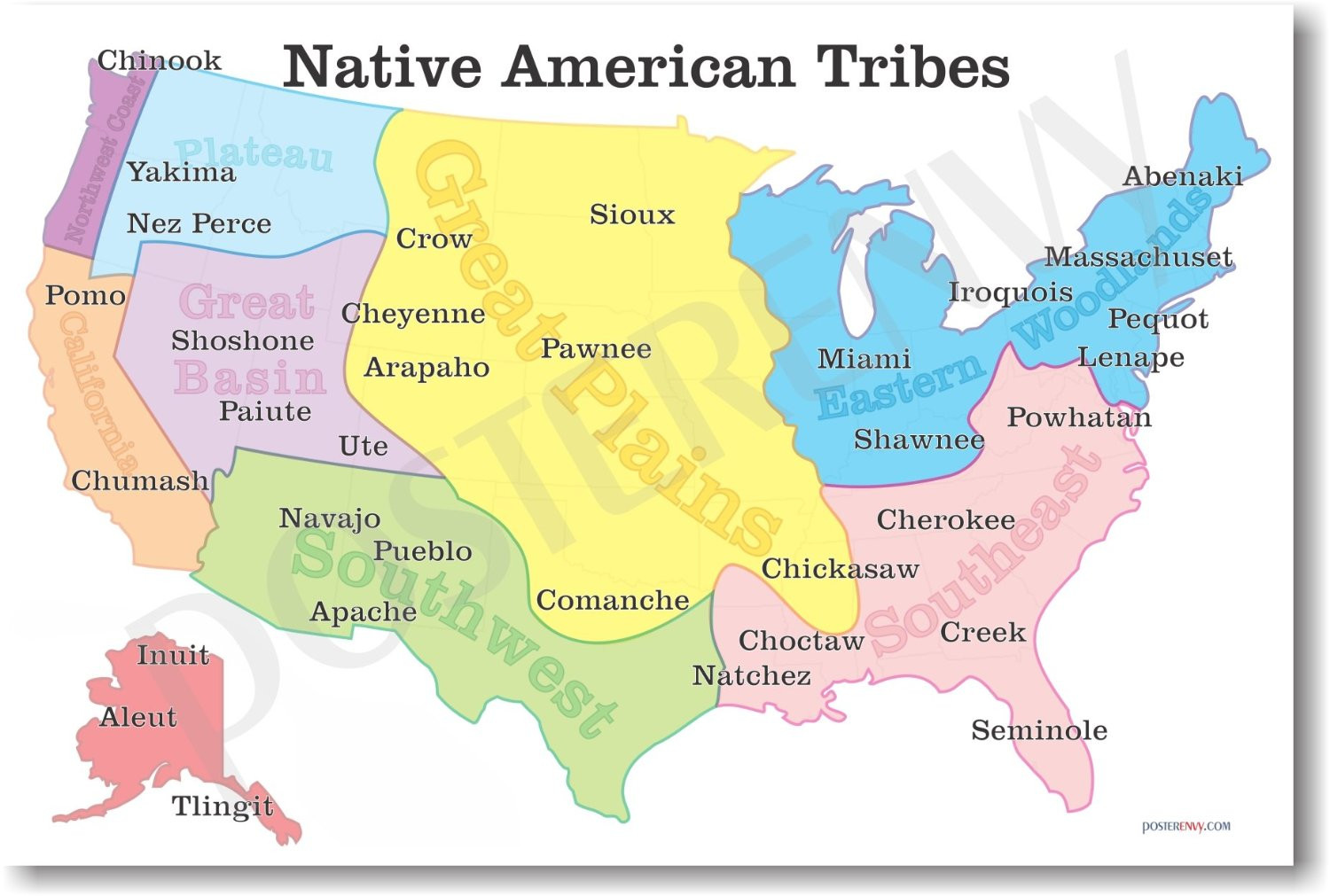
The connection to historical maps, then, is one of profound contrast and correction. Early European maps of the Southeast, from the 16th to the 18th centuries, often depicted a landscape either devoid of human presence in the interior or marked with generalized, often misspelled, tribal names. They focused on features relevant to colonial expansion: navigable rivers, potential port sites, and the locations of rival European outposts. What they consistently missed, or intentionally omitted, was the deep history, the settled populations, and the sophisticated societies that had shaped this land for millennia. Moundville represents the zenith of such a society, a powerful argument against the "terra nullius" (empty land) concept implicit in so much colonial cartography.
Visiting Moundville allows you to trace the contours of an indigenous world that existed and thrived long before those colonial lines were drawn. It encourages you to ask: What would an indigenous map of the Southeast look like? It wouldn’t be about property lines or national borders, but about sacred places, ancestral lands, trade routes, resource zones, and the interconnections between various polities. Moundville, as a major political and ceremonial center, would have been a central point on such a map, a place of convergence and power. By physically exploring the site, you begin to construct that indigenous map in your mind, layering the human story over the natural landscape.

For the modern traveler, Moundville offers more than just historical insight; it’s a profoundly evocative experience. Walking the quiet trails that wind between the mounds, feeling the immense scale of the earthworks, you can almost hear the echoes of ancient ceremonies. The interpretive signs are excellent, providing context without overwhelming, and the reconstructed residential structures offer a tangible sense of daily life. The tranquility of the park, set against the backdrop of the Black Warrior River, provides a meditative space to reflect on the deep human history of this land. It’s a place for quiet contemplation, for imagining a bustling metropolis that once stood here, for connecting with the ingenuity and resilience of the Mississippian people.
Moundville Archaeological Park is an essential destination for anyone interested in American history, indigenous cultures, or simply a unique travel experience that transcends the ordinary. It’s a powerful reminder that history is not just found in textbooks or on old maps, but is etched into the very landscape. It challenges us to look beyond the two-dimensional representations and to engage with the vibrant, complex, and often overlooked narratives of the original inhabitants of this continent. By visiting Moundville, you’re not just seeing history; you’re walking on it, breathing it in, and gaining a richer, more accurate understanding of the true historical geography of the Southeastern Native American tribes. It’s a journey into a map made of earth, spirit, and memory.