
The Yellowstone caldera breathes beneath your feet, a primordial symphony of steam and sulfur, but beneath that dramatic surface lies an even deeper history, written not in geological strata but in the ancient pathways of the Shoshone people. To truly experience Yellowstone National Park isn’t just to witness its iconic geysers and thundering waterfalls; it is to walk across a living map, meticulously charted over millennia by the Shoshone, a landscape of profound sustenance and spiritual connection. This isn’t a review of a paper map, but a review of a place—Yellowstone—seen through the indelible imprint of traditional Shoshone hunting and gathering maps, an invitation to understand its true, enduring wildness.
Forget the crowds at Old Faithful for a moment, and instead, imagine the Shoshone traversing these same valleys, their knowledge of the land as intricate as the veins in a leaf. Their traditional maps were not parchment and ink, but an oral tradition, passed down through generations, detailing seasonal movements, prime hunting grounds for bison and elk, rich berry patches, sources of obsidian for tools, and sacred sites for ceremony. Visiting Yellowstone with this lens transforms the experience from passive observation to an active engagement with a landscape that once provided everything.
The Enduring Hunting Grounds: A Legacy of Abundance
Stand on a ridge overlooking Hayden Valley, and the vast expanse unfurls before you, teeming with life. Here, the traditional Shoshone hunting maps come alive. This valley, along with Lamar Valley to the north, served as critical winter range and calving grounds for immense herds of bison and elk, just as they do today. The Shoshone, skilled hunters and ecologists, understood the migratory patterns, the health of the herds, and the optimal times for harvest.

As you witness a bison herd graze, their immense forms dwarfing the distant trees, you’re not just seeing wildlife; you’re seeing a direct continuation of a relationship that sustained a people for thousands of years. The sight of an elk bugling in the autumn mist, or a grizzly bear foraging on a distant slope, connects you viscerally to the ancient cycle of life and death that governed these lands. These animals were not merely game; they were kin, their lives intertwined with the Shoshone’s survival. The "review" of these hunting grounds today is in their enduring vitality. The success of Yellowstone’s wildlife populations is, in part, a testament to the inherent productivity of lands long understood and respected by Indigenous peoples. It’s a five-star rating for natural abundance and ecological integrity, a living museum of what sustained humanity in harmony with nature.
The Gathering Basket: From Roots to Rivers
Beyond the grand game, the Shoshone maps also detailed a complex tapestry of gathering sites. While modern visitors are strictly forbidden from disturbing any flora, understanding this aspect enriches your journey. Every meadow, every forest edge, every riverbank held a potential bounty. Consider the vast array of edible and medicinal plants: camas roots, serviceberries, chokecherries, huckleberries, wild onions, bitterroot. The Shoshone knew precisely where and when to find these resources, following seasonal cycles that dictated their movements across the landscape.
Walk the trails around Yellowstone Lake or along the Gibbon River, and imagine the industrious hands gathering reeds for baskets, willow branches for shelters, or specific barks and leaves for medicinal purposes. The Shoshone understood the subtle language of the plants, their growth patterns, and their uses. The hot springs and geysers, beyond their dramatic beauty, also played a role, providing warmth, minerals, and often holding deep spiritual significance. The warm waters offered respite, and the minerals were sometimes used for pigments or other practical applications. To "review" these gathering grounds is to appreciate the incredible biodiversity and the sophisticated botanical knowledge embedded within Shoshone culture. It’s a reminder that every plant, every patch of soil, held a story and a purpose, turning the landscape into a vast, living pantry and pharmacy.

Navigating the Ancient Pathways: Trails and Seasonal Journeys
The park’s extensive trail system, while modernly maintained, often follows routes that have been used for millennia. The Shoshone, like all Indigenous peoples of the region, were intimately familiar with the most efficient and resource-rich paths through the mountains, valleys, and across passes. These were not random wanderings but deliberate journeys, guided by the sun, the stars, the flow of rivers, and the lay of the land—the physical manifestation of their traditional maps.
Consider the Shoshone routes over the Teton Pass, or through the Wind River Range, which often led into the Yellowstone basin. These journeys were arduous, demanding intimate knowledge of the terrain, weather patterns, and the location of safe camps and water sources. When you hike a trail like the Fairy Falls Trail or the Mary Mountain Trail, you are, in a sense, retracing ancient steps. You experience the same breathtaking vistas, the same challenges of elevation, and the same profound silence of the wilderness that Shoshone travelers knew.
The changing seasons dictated these movements. Spring brought new growth and the birth of young animals, summer offered abundance for gathering, autumn was prime hunting season and a time for preparing for winter, and winter brought challenges and a focus on established camps. Experiencing Yellowstone across different seasons offers a glimpse into this cyclical movement. A summer visit reveals the park in its verdant glory, brimming with life, echoing the time of plenty. A winter visit, with its deep snows and serene quiet, evokes the resilience and resourcefulness required for survival. This seasonal dimension earns Yellowstone a top rating for its dynamic and immersive nature, reflecting the very essence of traditional Shoshone life.
Respectful Engagement: Beyond the Postcard View
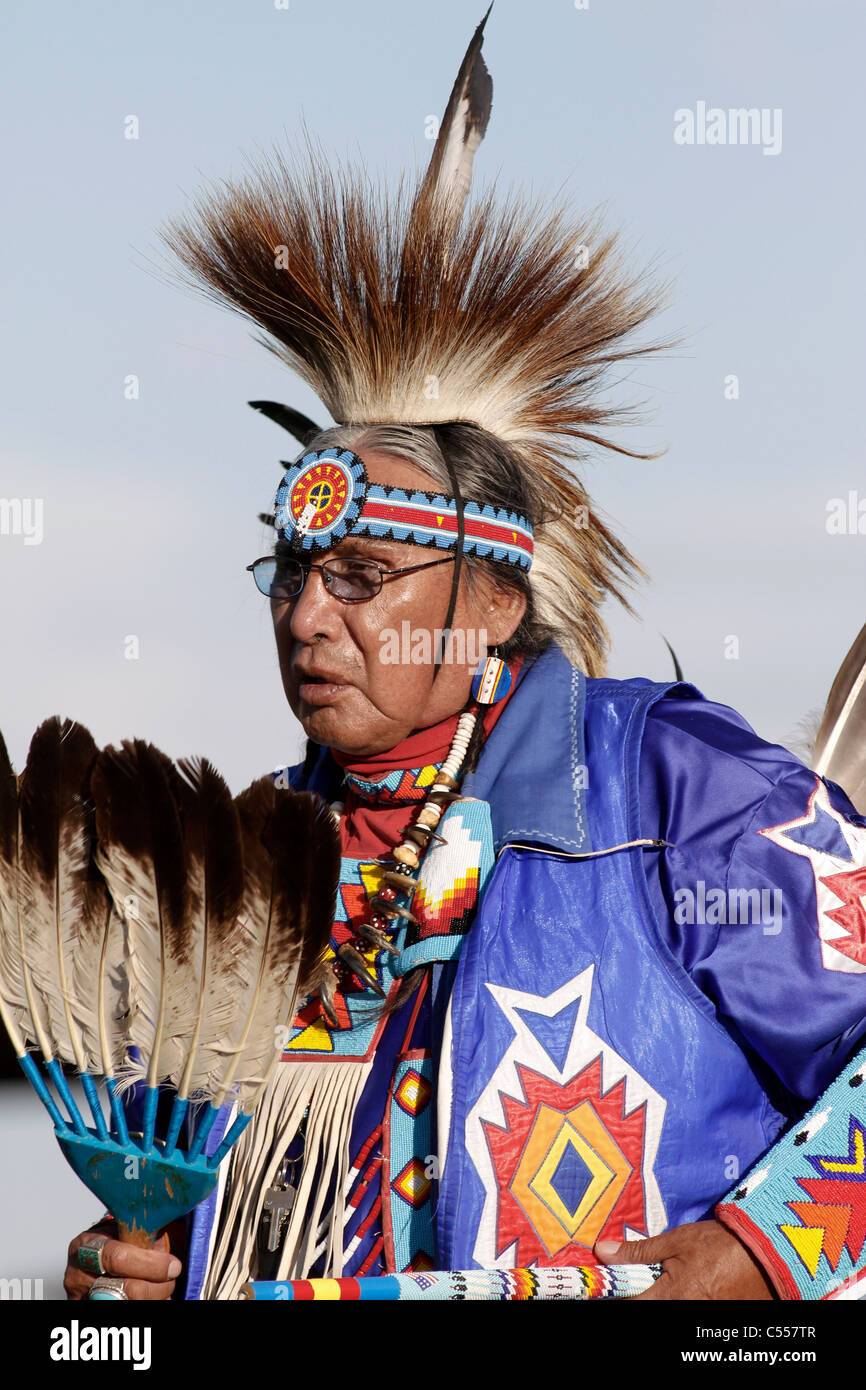
To truly appreciate Yellowstone through the lens of Shoshone traditional maps is to embrace a deeper form of respectful engagement. It’s not enough to simply marvel at the scenery; it’s about acknowledging the enduring human history and the profound connection Indigenous peoples have always held with this land.
- Mindful Observation: Instead of just ticking off famous landmarks, take time to observe the nuances of the landscape. What plants do you see? How does the water flow? What animals are present, and how do they interact with their environment? This is the kind of keen observation that characterized Shoshone knowledge.
- Acknowledge the Legacy: Understand that Yellowstone is not merely a pristine wilderness preserved for recreation; it is an ancestral homeland. The Shoshone and other tribes were forcibly removed from these lands, yet their connection remains vibrant. Seek out information from park rangers or local resources about the Indigenous history of the park.
- Leave No Trace: Practice Leave No Trace principles diligently. Pack out everything you pack in, stay on marked trails, and never disturb wildlife or natural features. This directly mirrors the sustainable practices that allowed Shoshone communities to thrive here for millennia without depleting resources.
- Support Indigenous Voices: If opportunities arise outside the park, support Shoshone cultural centers, artists, and businesses. Learning directly from contemporary Shoshone people offers invaluable insights into their continuing relationship with their ancestral lands.

Practicalities and Profound Insights:
Visiting Yellowstone National Park is an extraordinary experience regardless, but viewing it through the prism of Shoshone traditional hunting and gathering maps elevates it to something profound. The park offers a wealth of opportunities for hiking, wildlife viewing, and exploring its unique geothermal features. Plan your visit carefully, booking accommodations well in advance, especially during peak season (June-August). Consider visiting during the shoulder seasons (May, September, October) for fewer crowds and different wildlife viewing opportunities, which also align more closely with traditional seasonal movements.
Bring layers of clothing, sturdy hiking boots, bear spray, and plenty of water. Most importantly, bring an open mind and a willingness to learn. This isn’t just a destination; it’s a living classroom, a testament to the resilience of nature and the enduring wisdom of its original stewards.
Conclusion: A Landscape of Deep Time and Lasting Wisdom
Yellowstone National Park, when understood through the lens of Shoshone traditional hunting and gathering maps, ceases to be merely a collection of natural wonders. It becomes a deeply layered landscape, rich with cultural meaning, a testament to a sustainable way of life that honored the land and its resources. This review of Yellowstone, therefore, is a resounding endorsement not just of its spectacular beauty, but of its profound historical and cultural depth. It invites you to travel not just across miles, but across millennia, to walk in the footsteps of those who knew this land intimately, and to leave with a richer appreciation for its wild heart and the enduring wisdom of the Shoshone people. It’s a journey into the wild, yes, but also into the very soul of this continent.

