
Re-Mapping the Rivers: How Native American Perspectives Unveil the True Cost of Dams on Your Travels
Forget the glossy brochures that feature serene reservoirs as pristine natural wonders. When you travel through landscapes shaped by dam construction, you’re often looking at a landscape of profound alteration, where human ambition has dramatically reshaped nature and history. But to truly understand these places, we need to look beyond the surface, beyond the engineering marvels, and through the lens of those who have paid the highest price: Native American communities. Their "maps" – not always cartographic, but deeply embedded in memory, culture, and traditional knowledge – reveal a story of loss, resilience, and an enduring connection to land that every traveler should seek to understand.
This isn’t a review of a single dam or a specific reservoir. Instead, it’s a guide to re-mapping your own understanding of these places, offering a framework for how to experience and reflect upon dam-impacted regions through an Indigenous perspective. It’s about seeing the unseen, hearing the unheard, and recognizing the profound cultural landscapes that lie submerged beneath our modern waterways.
The Illusion of Progress: A Traveler’s Awakening

For centuries, dams have been hailed as symbols of human ingenuity, taming wild rivers for hydropower, irrigation, flood control, and recreation. Travelers often flock to these sites, admiring the sheer scale of the concrete structures, the vastness of the impounded waters, and the recreational opportunities they offer. Boating, fishing, and lakeside camping are popular pursuits, and the "natural beauty" of these man-made lakes is often taken at face value.
But this perspective is incomplete, often dangerously so. Beneath those calm waters, vibrant ecosystems and ancient cultural landscapes have been irrevocably altered, if not entirely obliterated. Indigenous communities, whose lives, cultures, and spiritual practices were intrinsically tied to the free-flowing rivers and their surrounding lands, bore the brunt of this "progress." Their "maps" – intricate webs of oral histories, sacred sites, traditional ecological knowledge, migration routes, and resource-gathering areas – were literally drowned.
Beyond the Cartographer’s Line: Indigenous Maps of Memory and Loss
When we speak of Native American "maps" in the context of dam impacts, we’re rarely talking about paper charts. We’re talking about something far more profound: a holistic understanding of place that predates colonial boundaries and modern infrastructure. These are mental maps, spiritual maps, and cultural maps passed down through generations. They detail:

- Sacred Sites: Ancient burial grounds, ceremonial places, vision quest sites, and places of spiritual significance that were submerged.
- Traditional Territories and Homelands: The specific areas where families lived, hunted, gathered, and cultivated for millennia.
- Resource-Rich Areas: Locations of traditional food sources like salmon runs, fishing holes, berry patches, root-gathering grounds, and medicinal plants.
- Travel and Trade Routes: Pathways along rivers and through valleys that connected communities and facilitated trade.
- Ecological Knowledge: Deep understanding of the river’s flow, its seasonal changes, its fish populations, and the intricate web of life it supported.
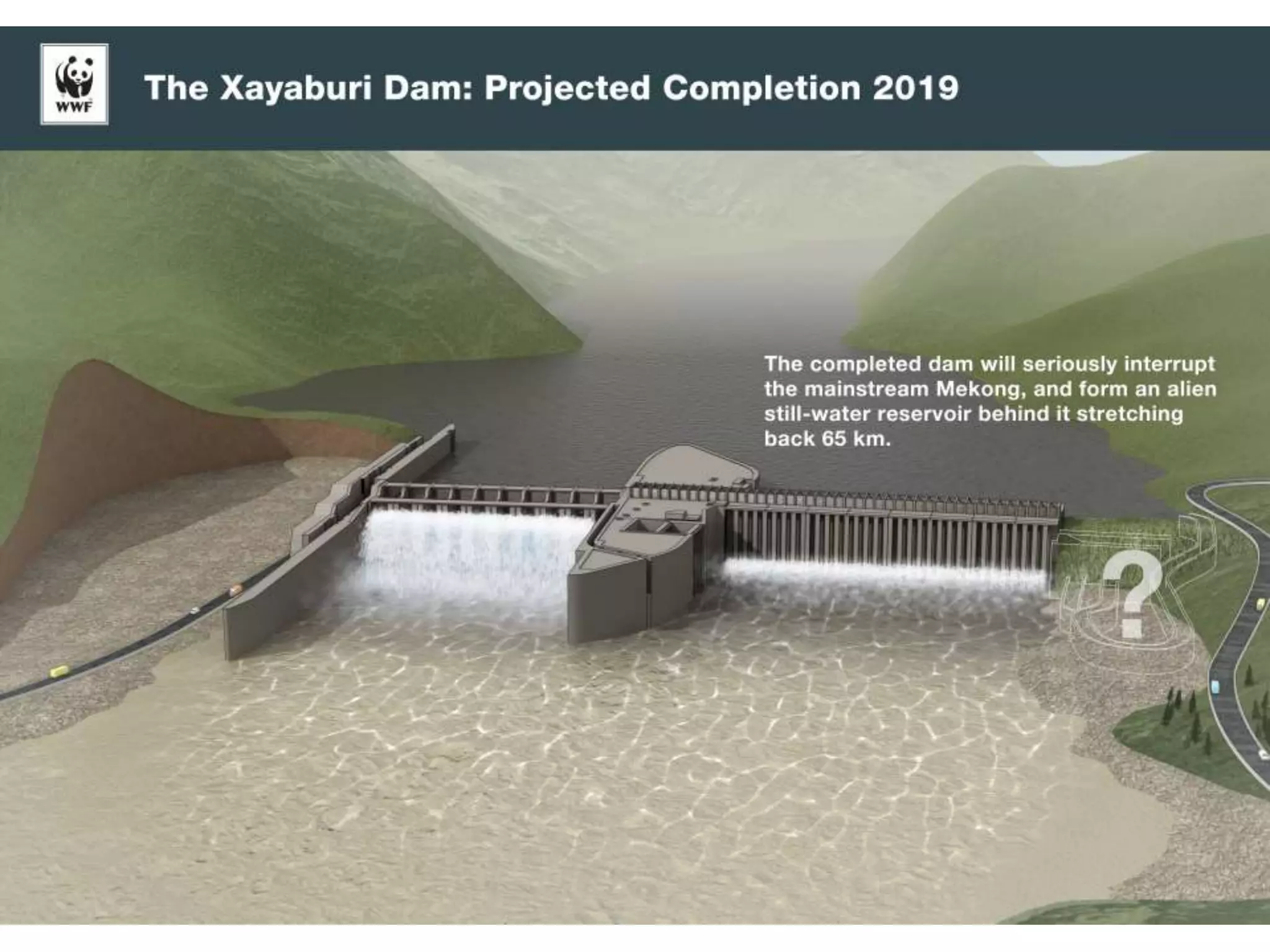
These are the "maps" that reveal what was lost. They are maps of a reciprocal relationship with the land, not one of extraction and control. When a dam was built, it wasn’t just land that was flooded; it was an entire way of life, an identity, and millennia of accumulated knowledge.
A Landscape of Loss and Enduring Resilience
To travel through a dam-impacted region with this awareness is to see an entirely different landscape. The shimmering reservoir becomes a vast tomb for ancestral lands. The hydroelectric power plant, a symbol of modernity, simultaneously represents the disruption of ancient lifeways.

Consider the Columbia River Basin, a region profoundly shaped by numerous large dams like Grand Coulee, Bonneville, and The Dalles. For countless Native nations – including the Nez Perce, Yakama, Umatilla, and Warm Springs – the Columbia was not just a river; it was the lifeblood, the "Big River" that nourished their cultures. Its legendary salmon runs were the cornerstone of their diets, economies, and spiritual practices. The Celilo Falls, a natural fishing ground and intertribal trading hub for over 10,000 years, was submerged by The Dalles Dam in 1957. Indigenous "maps" of this area speak not of the modern dam, but of the thundering falls, the intricate fishing platforms, and the vibrant exchange of goods and culture that once thrived there. The loss of Celilo Falls was not merely an economic blow; it was a cultural and spiritual catastrophe, the silencing of a central heartbeat.
Similarly, the Colorado River Basin, home to the Navajo, Hopi, Hualapai, and many other tribes, has seen its waters diverted and impounded by massive projects like Glen Canyon Dam, creating Lake Powell. While Lake Powell is a major tourist destination, it submerged countless archaeological sites, sacred places, and ancestral lands within Glen Canyon, a place deeply revered by Indigenous peoples. Their "maps" remember a canyon of intricate side-canyons, flowing springs, and rich biodiversity, not the vast, bathtub-ringed lake we see today.
Traveling with New Eyes: Your Role as a Visitor
So, how do you "review" a location or place under this lens for a travel blog? You don’t review the dam itself as a tourist attraction, but rather you review the experience of engaging with the deeper history of the landscape.
- Look Beyond the Surface: When you encounter a reservoir, ask yourself: What was here before? What lies beneath these waters? Research the history of the area, specifically looking for the pre-dam landscape and the Indigenous communities who lived there. Many tribal nations now have excellent online resources, cultural centers, and museums.
- Seek Indigenous Voices and Perspectives: This is paramount. Instead of relying solely on mainstream visitor centers (which often celebrate the engineering feat), actively seek out tribal cultural centers, museums, and interpretive programs. Many tribes are reclaiming their narratives and offering guided tours or educational experiences that share their histories and enduring connections to the land. Support these initiatives directly.
- Understand the "Cost" of Power and Water: Reflect on the true price paid for the electricity, irrigation, and flood control that dams provide. This isn’t about guilt-tripping, but about informed awareness. Your journey becomes a chance to understand the interconnectedness of modern conveniences with historical injustices.
- Visit Places of Restoration and Reclamation: Not all stories are of permanent loss. The Elwha River in Washington State, where two large dams were removed in one of the largest dam removal projects in history, offers a powerful counter-narrative. Visiting Olympic National Park and the Lower Elwha Klallam Tribe’s lands allows you to witness the incredible process of river restoration, the return of salmon, and the uncovering of ancestral lands. The planned removal of dams on the Klamath River (Oregon/California) is another example of hope and tribal advocacy leading to ecosystem recovery. These sites offer a glimpse into a future where Indigenous knowledge guides environmental healing.
- Engage with Contemporary Indigenous Mapping Efforts: Many tribes are now utilizing modern GIS (Geographic Information Systems) technology to create their own maps – maps that document cultural resources, sacred sites, traditional use areas, and the impacts of development. These maps are powerful tools for advocacy, land management, and cultural revitalization. Look for opportunities to learn about these efforts, perhaps through university partnerships or tribal environmental departments.
- Practice Respectful Tourism: If you visit a tribal park or attend a cultural event, be mindful and respectful. Follow guidelines, ask permission before photographing people, and remember you are a guest on ancestral lands. Your presence and your willingness to learn can be a powerful act of solidarity.
The Call to Deeper Travel
Traveling through dam-impacted landscapes with Native American "maps" in mind transforms a casual trip into a profound journey of discovery. It challenges you to look beyond the picturesque, to question dominant narratives, and to recognize the deep, enduring spiritual and cultural connections that Indigenous peoples hold with their ancestral lands and waters.
It’s a call to move beyond simply seeing a place, to truly understanding it – its layers of history, its wounds, and its incredible capacity for resilience. By seeking out these Indigenous perspectives, you not only enrich your own travel experience but also contribute to a more informed and respectful appreciation of the lands we traverse, fostering a greater understanding of the ongoing legacy of colonialism and the vital importance of Indigenous sovereignty and environmental justice. Your travel blog post, then, isn’t just about a destination; it’s about a shift in perception, an invitation to a more meaningful engagement with the world.

