
Poverty Point: Where the Earth Itself Became an Archaic Map
Forget dusty atlases and GPS coordinates. To understand the true ingenuity of Native American "maps" during the Archaic period, one must journey to the colossal earthworks of Poverty Point in northeastern Louisiana. This UNESCO World Heritage site, a testament to a sophisticated hunter-gatherer society that flourished between 1700 and 1100 BCE, isn’t just an archaeological wonder; it’s a monumental, landscape-scale map, etched into the very earth, guiding us through a worldview as profound as it is ancient.
For the modern traveler seeking a genuinely transformative experience, Poverty Point offers a unique lens into a civilization often underestimated. It forces a re-evaluation of what constitutes a "map" – moving beyond two-dimensional representations to embrace the concept of space, memory, and cosmology embedded within the environment itself. This isn’t a place you merely see; it’s a place you feel, walking in the footsteps of people who mapped their world not with ink, but with monumental earth.
The Archaic Architects: Mapping the Cosmos and Community
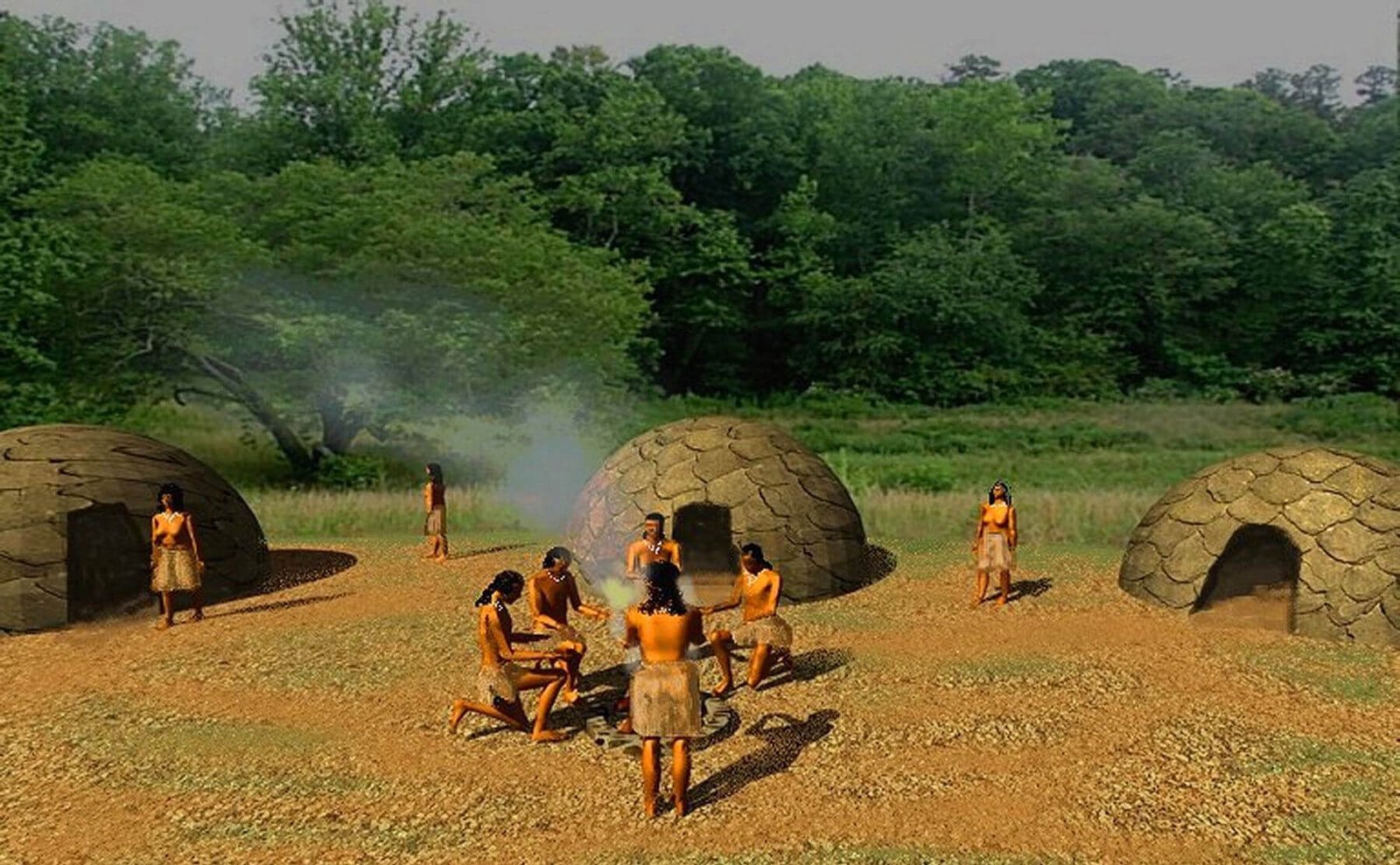
The Archaic period (roughly 8000 BCE to 1000 BCE) is often characterized by nomadic or semi-nomadic hunter-gatherer lifestyles. Yet, Poverty Point shatters any simplistic notions of "primitive" societies. Here, people without agriculture, metal tools, or the wheel, moved an estimated 1.6 million cubic yards of earth, primarily using baskets and their bare hands, to construct an astounding complex of mounds and concentric ridges. This wasn’t a random act of piling dirt; it was a meticulously planned, astronomically aligned, and socially complex undertaking – a map of their cosmos, their community, and their economic network.
The core of Poverty Point consists of six concentric, C-shaped earthen ridges, separated by ditches, covering an area nearly a mile wide. Inside this colossal embrace, a central plaza spans approximately 37 acres. To the west, the massive Bird Mound rises 72 feet high, its base covering 20 acres, shaped, as its name suggests, like a soaring bird. Several other smaller mounds punctuate the landscape, each strategically placed.
What makes this a "map" in the Native American sense? Firstly, it’s a spatial representation of their world. The concentric ridges likely demarcated living spaces, communal gathering areas, and perhaps even served as astronomical observatories. The alignment of the mounds and the precise orientation of the ridges suggest a deep understanding of celestial movements, particularly the solstices and equinoxes. This wasn’t just a place to live; it was a calendar, a compass, and a sacred diagram, all rolled into one. The very act of building it was a mapping process, imprinting knowledge onto the land.
Secondly, it’s a social map. The sheer scale of the construction implies a highly organized society capable of mobilizing vast labor forces. Poverty Point likely served as a central hub for trade, ceremony, and seasonal gatherings for diverse groups across the Lower Mississippi Valley and beyond. Exotic materials – copper from the Great Lakes, obsidian from the Rocky Mountains, chert from distant quarries – found at the site testify to an expansive trade network, making Poverty Point a nodal point on an invisible economic map that stretched for thousands of miles. The earthworks themselves represent a collective memory and shared identity, a physical manifestation of communal effort and purpose.
Experiencing the Archaic Map: A Traveler’s Guide
Visiting Poverty Point is an immersion. The sheer scale of the earthworks, particularly when viewed from the top of Bird Mound or during an aerial tour, is breathtaking. You begin to grasp the monumental effort and sophisticated planning involved.
Getting There: Poverty Point is located in Epps, Louisiana, a somewhat remote but accessible drive from major cities like Monroe, LA (about an hour east) or Vicksburg, MS (about an hour west). The journey itself, through the flat, fertile delta landscape, primes you for the ancient world you are about to encounter.
What to Expect:
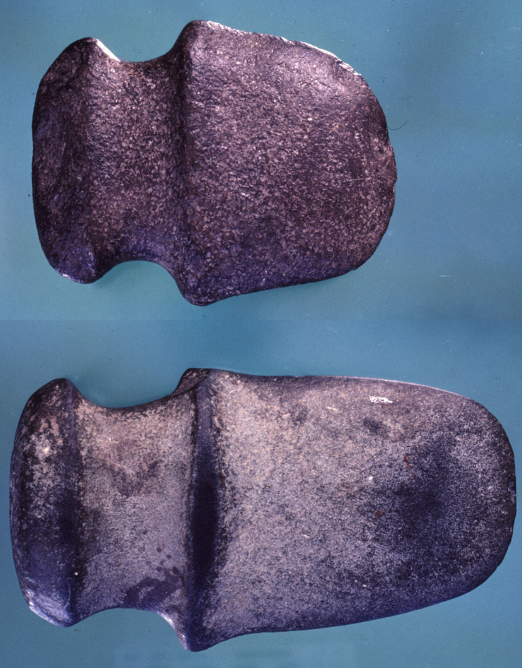
- The Visitor Center: Start here. The excellent museum provides crucial context, displaying artifacts like the iconic Poverty Point Objects (fired clay spheres used for cooking) and explaining the cultural significance and construction techniques. Interpretive panels and films bring the Archaic builders to life.
- Driving Tour: A 2.6-mile self-guided driving tour allows you to circumnavigate the core of the site, with pull-offs at key interpretive points. This gives you a good initial sense of the scale.
- Walking Trails: To truly connect with the site, you must walk. Trails lead you along the top of the ridges and to the various mounds. Walking the ridges themselves, you feel the subtle undulations and the immense scale that is hard to grasp from a vehicle.
- Bird Mound: The climb to the top of Bird Mound is a must. From its summit, the concentric ridges unfold beneath you, offering the most comprehensive view of the site’s layout. It’s here that the "map" truly reveals itself – the plaza, the other mounds, and the distant horizon, all interconnected. Imagine standing here 3,500 years ago, witnessing a celestial event, or a massive communal gathering. The silence, punctuated only by the wind, allows for deep reflection.
- Ranger Programs: Highly recommended. Park rangers offer guided tours and talks that delve deeper into the archaeology, the lives of the Archaic people, and the ongoing mysteries of Poverty Point. Their insights enrich the experience immensely.

Best Time to Visit: Spring and fall offer the most pleasant weather for walking. Summers can be hot and humid, though the site is still accessible. Winter can be cool but often clear, providing stark views of the earthworks against the sky. Early mornings or late afternoons often provide the best light for photography and a sense of solitude.
Practicalities: Wear comfortable walking shoes, bring water, and be prepared for sun exposure. Facilities are well-maintained, with restrooms and picnic areas available. Allow at least 3-4 hours to explore thoroughly, though a full day can easily be spent absorbing the atmosphere.
Beyond the Physical Site: The Intangible Maps
The "maps" of Native American societies were rarely static, two-dimensional objects. They were embodied in oral traditions, sacred stories, migration routes, and the very act of living within and shaping the landscape. Poverty Point is a prime example of this. The concentric ridges weren’t just architectural features; they were probably mnemonic devices, encoding information about the community’s structure, ceremonial cycles, and cosmological beliefs. The alignment of the mounds to celestial events served as a map of time, guiding seasonal activities and spiritual practices.
Consider the "Poverty Point Objects" – small, hand-formed clay balls that were heated in earth ovens for cooking. These humble objects, found in vast quantities, are themselves a kind of map. Their varying shapes and sizes might have corresponded to specific cooking temperatures or purposes, an ingenious low-tech solution that hints at a practical, empirical knowledge of their environment. They represent a mapping of resources and their optimal use.
For the Archaic people of Poverty Point, the land was not merely a backdrop for human activity; it was an active participant, a living entity inscribed with meaning. Their monumental architecture was a way of engaging with this living map, reinforcing their connection to the cosmos and to each other. It was a map that was lived and performed, rather than simply read.
A Call to Re-Mapping Our Understanding
Poverty Point challenges our modern, often reductionist, understanding of maps and ancient civilizations. It forces us to acknowledge the profound intelligence and complex social structures of pre-agricultural societies. It asks us to look beyond written records to the enduring stories etched in the land itself.
For the intrepid traveler, this site offers more than just a glimpse into the past; it provides a unique opportunity to re-map one’s own perception of human history and ingenuity. Standing on those ancient ridges, you’re not just observing a relic; you’re stepping onto a colossal, silent map, laid out by hands over three millennia ago, waiting to tell its story. It’s a journey into the heart of an Archaic world, a powerful reminder that the land has always spoken to those who listen, offering directions not just to places, but to profound truths about our shared human journey. Make the trip. Let Poverty Point redraw your mental map of the past.

