Unfolding Maine’s True North: A Journey Through the Penobscot Nation’s Traditional Lands Map
Forget the lines on modern maps that define Maine by county or municipality. To truly understand this rugged, beautiful corner of the United States, one must look deeper, tracing the contours of history and identity etched onto the land for millennia. The traditional lands map of the Penobscot Nation is not merely a geographic representation; it is a living document, a testament to an enduring culture, a chronicle of resilience, and a powerful statement of sovereignty. For any traveler or history enthusiast seeking a profound connection to Maine, understanding this map is an essential journey.
The Map as a Living Pulse: More Than Just Territory
At its heart, the Penobscot Nation’s traditional lands map outlines the vast ancestral territory of the Penobscot people, stretching far beyond the current confines of Indian Island (Panawahpskek) and their other small trust lands. This map encompasses the entire watershed of the Penobscot River (Penawapskewi), from its headwaters deep in the northern wilderness down to Penobscot Bay and the Atlantic Ocean. It includes forests, mountains, lakes, rivers, and coastal islands – every feature imbued with meaning, named in the Penobscot language, and tied to generations of human experience.

Unlike colonial maps that denote ownership and extraction, this map signifies a relationship. It speaks of stewardship, not possession; of spiritual connection, not mere resource exploitation. It reveals a landscape shaped by seasonal migrations, hunting grounds, fishing weirs, gathering sites, and sacred places. To look at this map is to see the very pulse of a people intertwined with their environment.
Deep Roots: Pre-Contact Maine
For over 12,000 years, the ancestors of the Penobscot Nation thrived in this territory, long before the arrival of Europeans. They are part of the larger Wabanaki Confederacy – "People of the Dawnland" – which includes the Maliseet, Micmac, Passamaquoddy, and Abenaki Nations, all sharing cultural and linguistic ties and a profound connection to the northeastern woodlands.
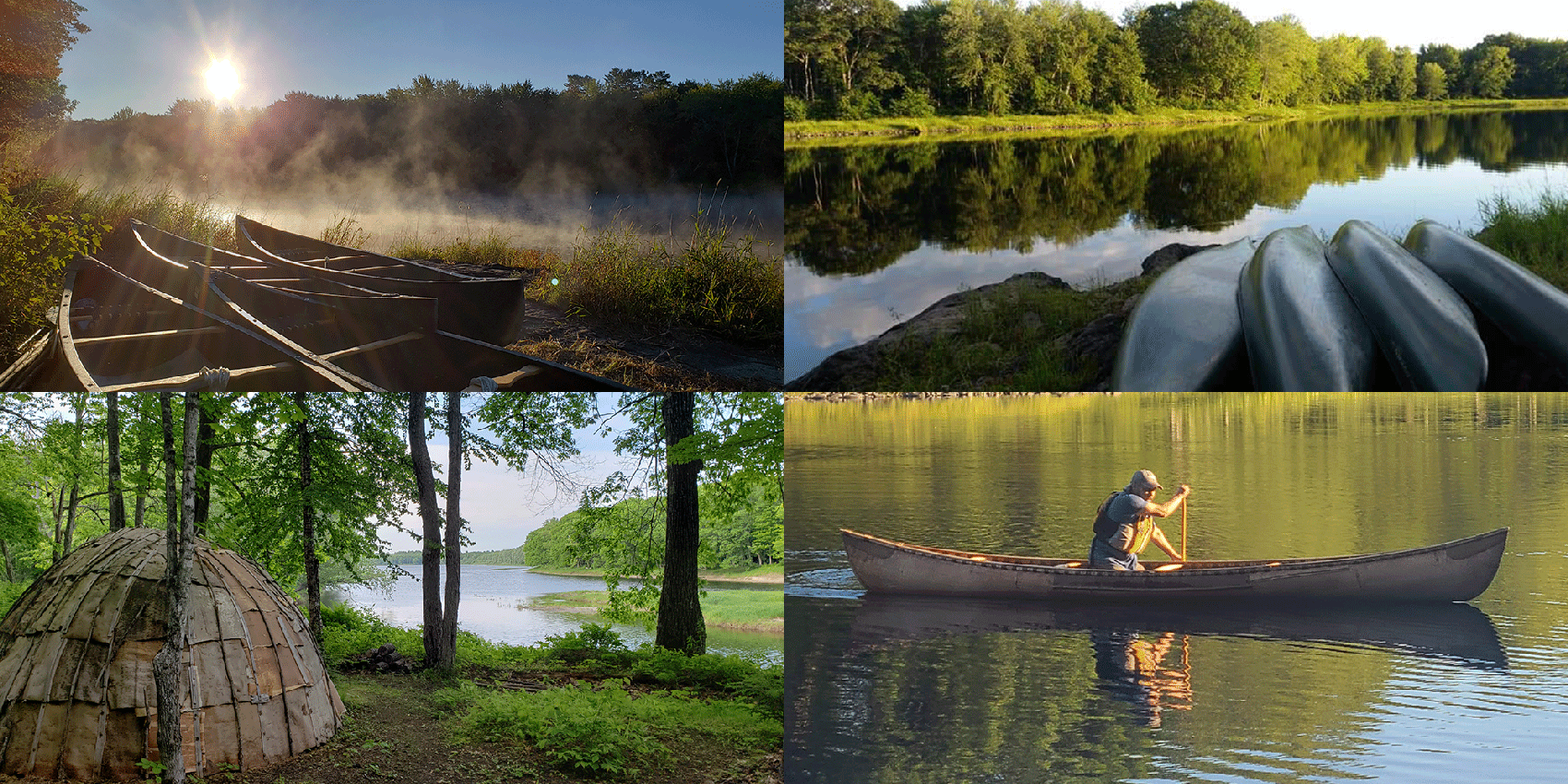
The Penobscot River was the lifeblood of their world. It was a highway for birchbark canoes, a source of sustenance through salmon, eels, and other fish, and the central artery around which their seasonal lives revolved. Communities moved with the seasons: inland for hunting moose and deer in winter, to rivers and lakes for fishing in spring and summer, and to coastal areas for shellfish and marine resources. Their traditional ecological knowledge (TEK) was sophisticated, ensuring the sustainability of their resources through careful observation and reciprocal relationships with the natural world. Every stream, mountain, and island had a name, a story, and a purpose, all forming an intricate web of cultural geography that this traditional map strives to articulate.

The Shadow of Colonialism: A Shifting Landscape
The arrival of European explorers, traders, and ultimately, settlers in the 17th century irrevocably altered the Penobscot world. Initial interactions, often involving trade, soon gave way to disease, land encroachment, and brutal conflicts. The Penobscot, caught between warring European powers (French and English), fought valiantly to protect their homelands. Yet, their numbers dwindled due to epidemics for which they had no immunity, and their traditional ways of life were increasingly disrupted.
The concept of "owning" land was alien to the Penobscot. Their understanding was one of communal use and stewardship. Europeans, however, saw vast, "unclaimed" wilderness ripe for logging, farming, and settlement. Treaties, often signed under duress or misunderstood due to cultural and linguistic barriers, systematically dispossessed the Penobscot of their ancestral domain. What was once a vast, fluid territory was gradually reduced to isolated parcels. By the 19th century, their physical territory had shrunk dramatically, primarily to Indian Island in the Penobscot River near Old Town, Maine, and a few other small land holdings. This reduction was a deliberate act of colonial policy aimed at diminishing their self-sufficiency and sovereignty. The traditional map, therefore, stands as a stark reminder of these historical injustices, illustrating the stark contrast between their ancestral domain and their legally recognized, yet severely limited, modern boundaries.
Resilience and Reclamation: The Fight for Sovereignty
Despite centuries of immense pressure, the Penobscot Nation has not only survived but continues to assert its identity and sovereignty. The traditional lands map is a crucial tool in this ongoing struggle. For much of the 20th century, the Penobscot and other Wabanaki Nations in Maine fought for recognition of their inherent sovereignty and their land rights. This culminated in the landmark Maine Indian Claims Settlement Act (MICSA) of 1980. While MICSA provided some financial compensation and affirmed a unique state-tribal relationship, it also imposed significant limitations on Penobscot sovereignty, particularly concerning land and water rights.
The Penobscot Nation continues to challenge these limitations, advocating for greater self-determination over their resources and territories. A prime example is their ongoing battle for the right to regulate fishing and water quality within their traditional river boundaries. For the Penobscot, the river is not just a resource; it is a sacred relative, and their responsibility to protect it stems directly from their ancestral connection to the entire watershed – the very expanse depicted on their traditional map. This map serves as evidence in legal and political arenas, demonstrating the historical scope of their presence and the depth of their relationship to the land and water.
Identity Forged in Landscape: Cultural Revitalization
The traditional lands map is not merely a historical artifact; it is a blueprint for cultural revitalization. It helps contemporary Penobscot people connect with their ancestral places, learn traditional place names in their language, and understand the stories and ceremonies associated with specific sites. This connection is vital for maintaining cultural identity, language, and spiritual practices. Educational programs within the Nation use these maps to teach younger generations about their heritage, fostering a deep sense of belonging and responsibility.
The map reinforces the idea that Penobscot identity is inextricably linked to the land. It’s a reminder that their ancestors walked these paths, fished these waters, and lived in harmony with these forests. This deep-seated connection fosters a powerful sense of stewardship, driving efforts in environmental protection, sustainable resource management, and the preservation of biodiversity across their ancestral domain. When the Penobscot Nation advocates for the health of the Penobscot River or the integrity of Maine’s forests, they do so not just as a political entity, but as people fulfilling an ancient covenant with their homeland.
For the Traveler and Educator: A Call to Deeper Understanding
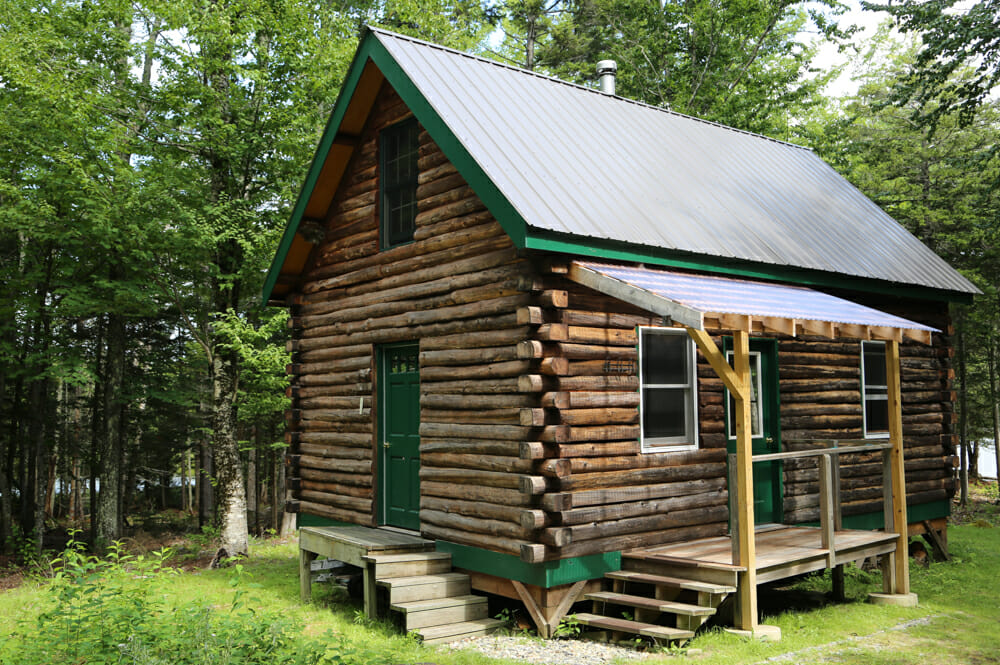
For those who travel to Maine, the Penobscot Nation’s traditional lands map offers an unparalleled opportunity to enrich their experience. It encourages a shift in perspective, moving beyond picturesque scenery to acknowledge the profound human history embedded in every landscape.
- Acknowledge and Respect: When you visit places within Maine, particularly along the Penobscot River or its watershed, understand that you are on the ancestral lands of the Penobscot Nation. This simple acknowledgement is a powerful act of respect.
- Seek Out Indigenous Voices: Learn from the Penobscot Nation directly. Support their cultural initiatives, museums, or businesses. Organizations like the Penobscot Nation Museum on Indian Island offer invaluable insights into their history, art, and contemporary life.
- Understand Ongoing Struggles: Recognize that the issues of sovereignty, land rights, and environmental protection are not just historical footnotes but ongoing challenges for the Penobscot Nation. Educate yourself on current events and support efforts that uphold Indigenous rights.
- Re-evaluate Your Own Maps: Consider how our modern maps often erase Indigenous histories. The Penobscot map invites us to look beyond political boundaries and see the deep cultural landscapes that truly define a place.
The traditional lands map of the Penobscot Nation is more than just lines on paper; it is a vibrant narrative. It tells a story of enduring connection, devastating loss, and remarkable resilience. It is a powerful reminder that Maine’s history is far richer and more complex than often presented, a history woven into the very fabric of the land by the Penobscot people. To truly explore Maine is to explore this map, allowing its ancient pathways and sacred sites to guide a deeper, more respectful understanding of the Dawnland and its original caretakers. By engaging with this map, we not only honor the past but also contribute to a more just and informed future for all who call this beautiful region home.

