Navigating the Invisible River: A Traveler’s Review of the Penobscot Through Indigenous Eyes
Forget the standard topographical charts and Google Maps. To truly experience the Penobscot River – Pamadumcook, as it is known to the Penobscot Nation – one must embark on a journey guided by maps far older, richer, and more profound: the Penobscot Nation’s traditional maps of river use. This isn’t a review of a physical location you can punch into a GPS, but rather a review of a way of seeing a place, a transformative lens that redefines what "travel" and "exploration" can mean. My "visit" to the Penobscot River, viewed through this Indigenous perspective, was less about traversing miles and more about uncovering layers of history, ecology, and spirit that conventional tourism utterly misses.
Beyond Cartography: The Living Maps of the Penobscot
What are these "traditional maps"? They are not static, paper documents in the Western sense, though modern iterations may exist to preserve this knowledge. Instead, they are the accumulated wisdom, memory, and experience of generations, passed down through oral histories, place names, seasonal practices, and spiritual connections. These maps detail not just geographical features, but also specific fishing grounds, prime hunting territories, sacred gathering spots, medicinal plant locations, travel routes, and the intricate, cyclical rhythms of the river’s ecosystem. They are a repository of Traditional Ecological Knowledge (TEK) – a sophisticated understanding of the environment gained over millennia of direct interaction and observation.
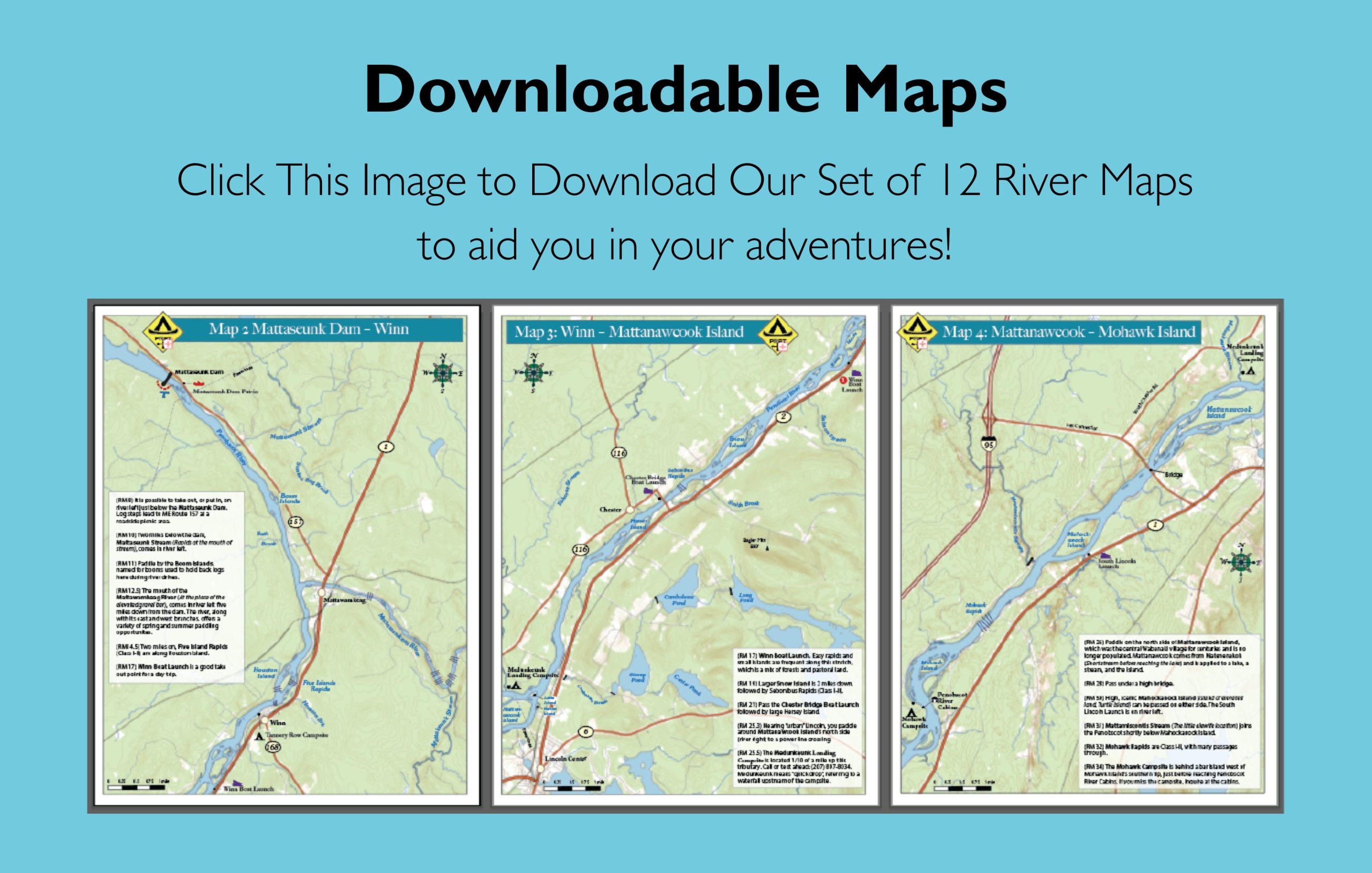
To engage with these maps, even conceptually, is to step into a living landscape. A conventional map might show a river bend; a Penobscot traditional map tells you why that bend is significant: perhaps it’s where salmon traditionally spawned, where specific reeds for basketry grew, or where ancestors held ceremonies. The river isn’t just a blue line; it’s a relative, a highway, a pantry, and a spiritual conduit. This profound difference in perspective fundamentally alters the "travel experience" from a passive observation to an active, respectful engagement with a vibrant, storied world.
A Journey Through Time and Spirit: Navigating Pamadumcook
My conceptual journey along the Penobscot, guided by this Indigenous understanding, began not at a designated trailhead, but in a deeper appreciation for the river’s entire watershed, from its remote headwaters in the northern Maine wilderness down to its expansive estuary where it meets the Atlantic Ocean.
Most travelers might focus on the river’s scenic beauty, its recreational opportunities like kayaking or fishing, or its role in Maine’s logging history. But through the lens of Penobscot traditional use, every segment of Pamadumcook unfolds with layers of purpose and meaning. The very names of places – many still echoing Wabanaki origins, even if anglicized – become clues to their historical and ecological function. A modern map might label a lake "Pemadumcook Lake"; an Indigenous map evokes its meaning: "lake of many points." This isn’t just a label; it’s a descriptor of its geography and a hint at its utility, perhaps as a strategic hunting or fishing spot due to its numerous coves and islands.
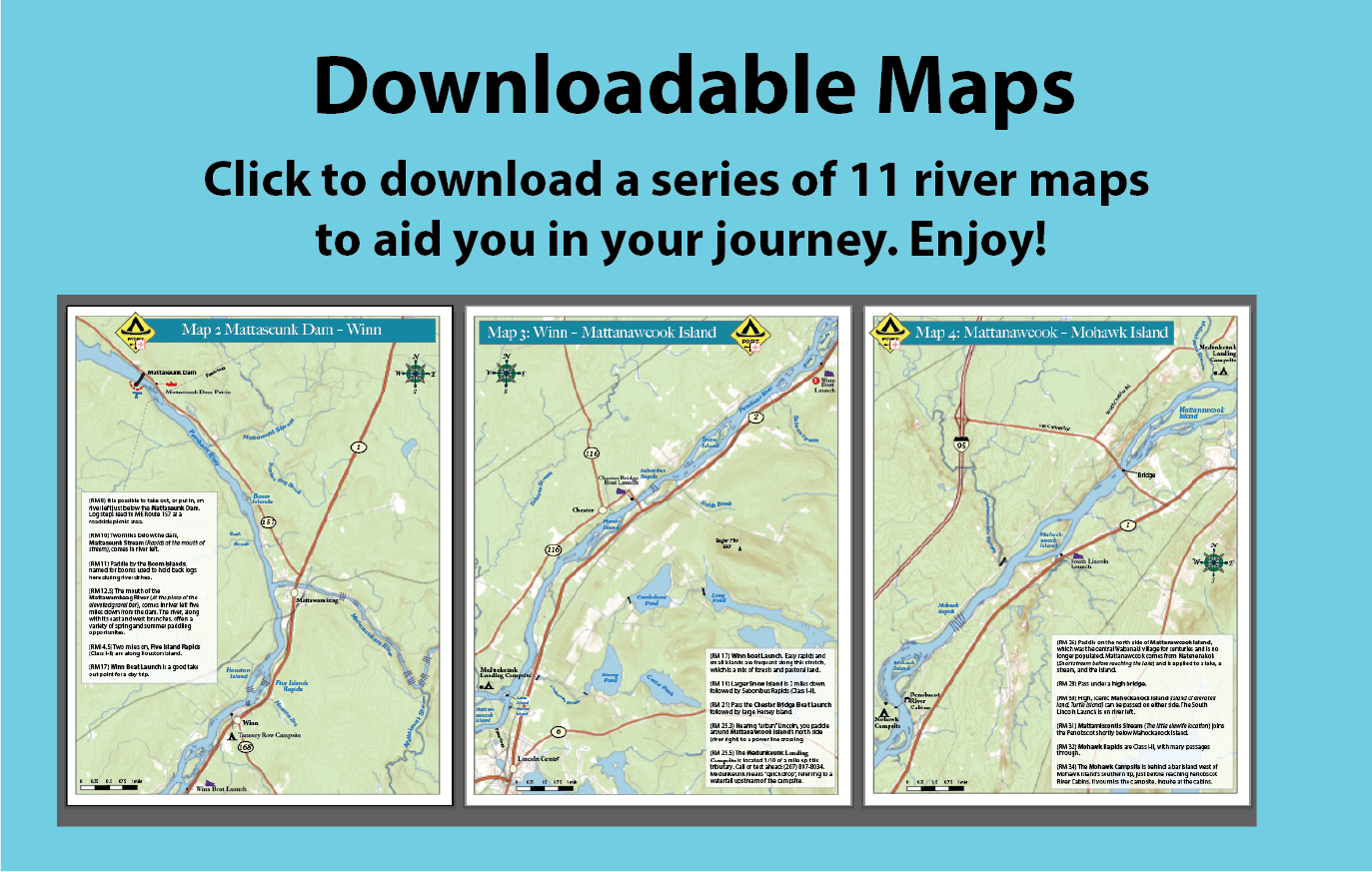
Further downriver, what appears as a series of rapids or falls on a conventional map transforms into a vital obstacle course where ancestral Penobscot people skillfully navigated canoes, knowing precisely where to portage, where to fish for migrating alewives, and where to gather medicinal plants that thrive in the mist of the cascading water. These were not just physical challenges, but places of intense activity, communal gathering, and spiritual significance. The river’s flow dictated the seasonal movements of the people, their hunting for moose and deer in the uplands, their fishing for salmon and eels in the main stem, and their gathering of berries and wild rice along the shores.
The estuary, where fresh and saltwater mingle, becomes an equally rich tapestry. While a modern traveler might see seabirds and a working waterfront, the traditional perspective reveals ancient clam flats, prime harvesting grounds for marine resources, and vital trade routes connecting inland communities with coastal peoples. The ebb and flow of the tide, the moon’s influence, and the migratory patterns of fish and birds were meticulously observed and integrated into a sustainable way of life. The Penobscot understood the interconnectedness of these systems, recognizing that what happened upstream impacted the estuary, and vice versa. This holistic view is a stark contrast to the fragmented approach often seen in modern resource management.
The Penobscot River: A Classroom of Indigenous Wisdom
Engaging with the concept of Penobscot Nation traditional river use maps is akin to attending a masterclass in sustainability, ecology, and cultural resilience.

Consider the fisheries. The Penobscot people maintained a profound relationship with species like Atlantic salmon, alewives, and eels for thousands of years. Their maps wouldn’t just show "fishing spots"; they would denote when to fish, how to fish sustainably, and where specific species were most abundant during their migratory cycles. This wasn’t merely about catching food; it was about stewardship, ensuring that future generations would also benefit. The modern traveler, understanding this, might look at a salmon ladder not just as an engineering feat, but as a symbolic bridge to a lost past, a reminder of the river’s former abundance and the Penobscot Nation’s ongoing efforts to restore it.
Plant gathering sites were equally important. The riverbanks, islands, and floodplains were an extensive pharmacy and pantry. Sweetgrass for ceremonies, cedar for canoes, birch bark for dwellings, and a myriad of edible and medicinal plants – each had its specific location and harvesting protocol, all encoded within the traditional "map." This knowledge underscores a deep respect for the plant world and an intricate understanding of its properties.
The river also served as the primary travel and trade route. Before roads, the Penobscot was the interstate highway of the Wabanaki Confederacy, connecting communities from the coast to the interior, facilitating trade in furs, tools, and knowledge. The rapids and portages, which might seem like barriers to the uninitiated, were simply well-known waypoints on an ancient network, each with its own story and significance.
Perhaps most importantly, these traditional maps illuminate the spiritual significance of the river. For the Penobscot, the river is a living entity, a source of life, identity, and spiritual sustenance. Sacred sites, ceremonial grounds, and places of ancestral memory are interwoven into the landscape. To understand the river through this lens is to move beyond mere scenery and to perceive a sacred geography, a place imbued with power and memory. This is a crucial distinction: the river is not just on the land; it is the land, and it is a part of the people.
The historical impact of colonialism, which disrupted these traditional uses and attempted to erase this knowledge, only highlights the immense resilience of the Penobscot Nation. Their ongoing work to revitalize their language, culture, and connection to Pamadumcook, often leveraging these traditional maps, is a testament to their enduring strength and an inspiration to anyone seeking a deeper connection to place.
Why This Perspective Matters for the Modern Traveler
For the contemporary traveler seeking authentic experiences beyond the superficial, understanding the Penobscot River through its traditional maps offers an unparalleled opportunity.
Firstly, it enriches the travel experience immeasurably. A simple paddle down the river transforms into a journey through millennia of human history and ecological wisdom. You’re not just seeing trees and water; you’re seeing the echoes of ancestral canoes, hearing the whispers of ancient stories, and appreciating the intricate web of life that has sustained a people for thousands of years. It moves beyond passive consumption of scenery to active engagement with a living cultural landscape.
Secondly, it promotes responsible tourism and cultural respect. By acknowledging and appreciating the Penobscot Nation’s deep connection to the river, travelers can foster a more respectful and ethical approach to visiting Indigenous territories. It encourages seeking out Indigenous voices, supporting Indigenous-led initiatives, and understanding that the land often carries a history and meaning far beyond what is immediately visible. It shifts the paradigm from "taking" an experience to "learning from" a place and its original inhabitants.
Thirdly, it allows for a deeper connection with nature. In an age of ecological crisis, the Penobscot Nation’s traditional knowledge offers vital lessons in sustainable living and reciprocal relationships with the natural world. Viewing the river through this lens isn’t just about cultural appreciation; it’s about re-learning how to be a part of an ecosystem, rather than merely an observer or user of it. It highlights the interconnectedness of all things and the long-term consequences of our actions.
Finally, it underscores the power of story and perspective. Our understanding of a place is shaped by the narratives we apply to it. Western maps tell one story; Indigenous maps tell another, often more comprehensive and profound. Embracing the latter opens up new ways of thinking about geography, history, and our place in the world.
How to Engage (Conceptually): Beyond the Physical Map
While the proprietary traditional maps of the Penobscot Nation are not typically accessible to the general public – they are cultural treasures and often contain sensitive information – the concept of these maps is profoundly accessible.
To "travel" with this understanding means to:
- Seek out Penobscot voices and narratives: Look for resources from the Penobscot Nation, visit their cultural centers if possible, read books and articles by Penobscot authors, and support their initiatives. Listen to their stories of the river.
- Learn Wabanaki place names: Even learning a few traditional names can transform your perception of the landscape.
- Practice mindful observation: When you are on or near the Penobscot River, try to imagine its historical uses. Where might fish have been caught? What plants might have grown here? How would this bend have been navigated by canoe?
- Understand the history of resource use and conservation: Learn about the Penobscot Nation’s efforts in river restoration, fisheries management, and cultural revitalization.
Conclusion
My "review" of the Penobscot River, framed by the Penobscot Nation’s traditional maps of river use, is not a recommendation for a scenic overlook or a specific trail. It is an endorsement of a profound shift in perspective. To understand Pamadumcook through the eyes of its original stewards is to unlock a river far more vibrant, complex, and meaningful than any conventional map could ever convey. It is an invitation to travel not just across a landscape, but into the very heart of a culture, a history, and a sustainable way of being. This journey, though largely conceptual for the non-Indigenous traveler, is perhaps the most authentic and enriching travel experience one can have along the Penobscot River. It is a reminder that the deepest connections to a place are often found not in what we see, but in what we learn to understand.

