
Navigating Sacred Ground: A Deep Dive into the Downloadable Map of US Native American Nations
Forget the typical road trip atlas. If you’re truly seeking to understand the American landscape, its profound history, and its living cultures, the downloadable map of US Native American nations is not just a tool—it’s an indispensable travel companion, a gateway to an entirely different kind of exploration. This isn’t a review of a single product, but an assessment of the concept of such a map and the transformative travel experience it enables across what is, and always has been, Indigenous land.
This map, in its ideal form, transcends mere cartography. It overlays the familiar state lines and interstates with the vibrant, complex, and often overlooked tapestry of sovereign Native American nations. It reveals ancestral territories, contemporary tribal lands, and historical sites of immense significance, offering a lens through which to view the continent with new eyes. For the conscious traveler, this isn’t just about finding a new destination; it’s about re-contextualizing every mile traveled, fostering respect, and engaging with the enduring spirit of America’s first peoples.
The Map as a Portal to Deeper Understanding

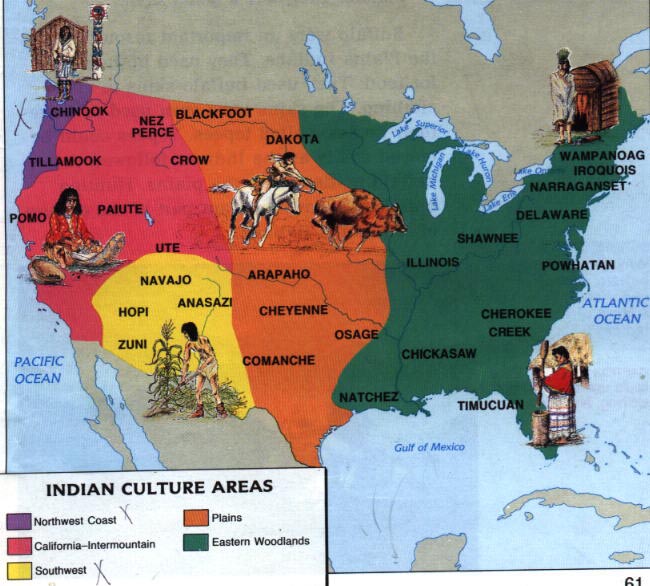
The immediate value of a comprehensive downloadable map of US Native American nations lies in its ability to decolonize your perception of the United States. Our standard maps primarily highlight colonial boundaries and landmarks. This alternative, however, pulls back the curtain, revealing hundreds of distinct nations, each with unique languages, governments, traditions, and stories. Seeing these boundaries laid out, often overlapping or completely redefining our common understanding of states, is a powerful visual lesson in history and sovereignty.
For a travel blogger, or anyone passionate about authentic cultural immersion, this map becomes the ultimate planning tool. It’s a call to move beyond the well-trodden tourist paths and delve into the heart of living cultures. Imagine planning a trip through the Southwest: instead of simply tracing a route through Arizona and New Mexico, the map encourages you to recognize the lands of the Navajo Nation, the Hopi, the Zuni, the Apache, and countless Pueblo peoples. Each nation represents a distinct opportunity for engagement, learning, and respectful interaction, provided you approach with an open mind and a willingness to listen.
Beyond Borders: Unveiling Historical and Cultural Significance
What elevates this map from a mere geographic guide to an essential travel resource is its potential to integrate layers of historical and cultural information. A truly robust version would link directly to tribal websites, cultural centers, museums, and historical markers. It would highlight not just current reservations but also significant ancestral sites, pre-contact trade routes, battlegrounds, and places of spiritual importance. This kind of integration turns a flat image into a dynamic educational platform.

Consider a journey through the Great Plains. A conventional map shows you Kansas, Nebraska, the Dakotas. A Native Nations map reveals the ancestral lands of the Lakota, Dakota, Cheyenne, Arapaho, Crow, and Pawnee, among others. It points you towards places like the Knife River Indian Villages National Historic Site in North Dakota, remnants of thriving Hidatsa and Mandan communities, or the Pipestone National Monument in Minnesota, sacred to many Plains tribes. It would prompt you to seek out places like the Crazy Horse Memorial in South Dakota, a testament to Lakota resilience, or the annual Red Earth Festival in Oklahoma City, celebrating the diversity of Native American cultures. These aren’t just points on a map; they are living testaments to enduring heritage.
Navigating the Southwest: A Case Study in Transformative Travel
Let’s ground this concept with a hypothetical road trip through the American Southwest, a region particularly rich in visible Indigenous heritage and vibrant contemporary Native communities. Using a comprehensive downloadable map of US Native American nations would fundamentally reshape this journey.
Your trip might begin in northern Arizona, not just exploring the Grand Canyon (itself a sacred place to many tribes) but specifically identifying the Hualapai and Havasupai tribal lands adjacent to it. The map would then guide you eastward into the heart of the Navajo Nation, the largest reservation in the US. Here, your itinerary shifts from national parks to cultural immersion. The map highlights iconic sites like Canyon de Chelly National Monument, which is jointly managed by the Navajo Nation and the National Park Service, allowing for tours led by local Navajo guides—a critical distinction that ensures economic benefit and authentic interpretation.
Instead of just driving through, the map encourages you to seek out the Navajo Arts and Crafts Enterprise in Window Rock, or attend a rodeo or traditional ceremony if timing allows and appropriate protocols are followed. It prompts you to look for signs to tribal parks like Monument Valley Navajo Tribal Park, where the towering sandstone buttes become more than just scenic backdrops; they are imbued with generations of stories and spiritual significance.
From Navajo lands, the map would guide you south, highlighting the cluster of Pueblo nations along the Rio Grande in New Mexico—the Taos, Ohkay Owingeh, Santa Clara, San Ildefonso, Cochiti, and many others. Each Pueblo is a distinct sovereign entity with unique traditions, feast days, and artistic expressions (pottery, jewelry). The map would point to the Taos Pueblo, a UNESCO World Heritage Site and one of the oldest continuously inhabited communities in North America, still a vibrant living community. It would also lead you to lesser-known, yet equally significant, Pueblo cultural centers and markets, encouraging direct engagement with artisans and community members.
Further west in New Mexico, the map would illuminate the Zuni Pueblo, renowned for its intricate carvings and silversmithing. Here, you’d be reminded of the importance of respecting privacy and cultural norms, often requiring permission before photographing or entering sacred spaces. The map, ideally, would include direct links to tribal tourism offices or cultural departments, making these protocols clear and accessible.
Even in urban centers like Albuquerque or Santa Fe, the map’s influence is profound. It reminds you that these cities exist on ancestral lands, prompting visits to places like the Indian Pueblo Cultural Center in Albuquerque, a vital institution that educates visitors about the 19 Pueblos of New Mexico through dance, art, and food. The map transforms a generic sightseeing trip into a pilgrimage of cultural discovery, emphasizing the continuous presence and vitality of Indigenous peoples.
Challenges and Responsible Engagement
Traveling with this heightened awareness also brings responsibility. The downloadable map, therefore, should ideally be more than just a geographic guide; it should be a guide to ethical tourism. Key considerations include:

- Respecting Sovereignty: Tribal lands are sovereign nations with their own laws, governments, and regulations. What is permissible off-reservation may not be on-reservation. The map should ideally provide direct links to tribal tourism offices for specific guidelines on permits (for hiking, fishing, photography), cultural protocols, and visitor etiquette.
- Economic Impact: Where possible, prioritize supporting Native-owned businesses—restaurants, hotels, art galleries, tour operators. This ensures that tourism directly benefits the communities you are visiting. The map could highlight these businesses.
- Cultural Sensitivity: Avoid treating Native cultures as historical relics. These are living, evolving societies. Be mindful of photography, especially of individuals or ceremonies, and always ask for permission. Educate yourself on the history and current issues facing the specific nation you are visiting.
- Environmental Stewardship: Many Native nations are deeply connected to the land. Practice Leave No Trace principles and be respectful of sacred natural sites.
- Understanding History: The map should subtly encourage deeper historical research beyond what’s presented on tourist placards, acknowledging the complexities of treaties, forced removals, and ongoing struggles for land rights and self-determination.
The Ideal Downloadable Map: Features for the Conscious Traveler
To truly earn its place as an indispensable travel resource, the downloadable map of US Native American nations would need several key features:
- Offline Accessibility: Crucial for remote areas with limited cell service.
- Layered Information: Toggle options for current tribal lands, ancestral territories, historical sites, language groups, and major cultural centers.
- Direct Links: Hyperlinks to official tribal websites, tourism departments, cultural centers, museums, and ethically vetted Native-owned businesses.
- Event Calendars: Regularly updated information on public powwows, feast days, art markets, and other cultural events.
- Ethical Travel Guidelines: Clear, concise information on cultural protocols, photography policies, and permit requirements for each nation.
- Interactive Filters: Ability to filter by specific nations, cultural experiences (e.g., art, history, outdoor activities), or historical periods.
- Educational Overlays: Brief historical summaries or context for specific regions or nations.
The Transformative Journey
Using a comprehensive downloadable map of US Native American nations is not just about finding new places to visit; it’s about transforming the way you travel. It encourages a slower, more deliberate, and profoundly more respectful journey. It shifts the focus from passive observation to active engagement, from simply seeing to truly understanding.
This map is a vital tool for any travel blogger or adventurer seeking to move beyond superficial tourism. It offers a chance to connect with the land and its peoples on a deeper level, to learn from millennia of wisdom, and to witness the resilience and vibrancy of America’s Indigenous nations. In an era where meaningful travel is increasingly valued, this map is not just a guide; it is an invitation to embark on a journey of discovery that will forever change your perspective on the continent you call home, or choose to explore. It’s an essential resource for those ready to truly see America.

