
Navigating Ancient Waters: A Traveler’s Journey Through Native American Fishing Rights in the Pacific Northwest
The Pacific Northwest, a land of emerald forests, mist-shrouded mountains, and a coastline carved by the relentless rhythm of the ocean, beckons travelers with its raw, untamed beauty. But beneath the veneer of picturesque landscapes lies a profound history, etched not just into the rocks and rivers, but into the very fabric of Indigenous cultures whose lives have been inextricably linked to these waters for millennia. For the discerning traveler, venturing beyond the postcard views to explore the legacy of Native American maps of historical fishing rights offers a journey into the heart of sovereignty, sustainability, and an enduring connection to place. This isn’t just about fish; it’s about the soul of a people, the wisdom of generations, and the ongoing fight for justice.
Our destination for this review isn’t a single point on a map, but rather a journey through the interwoven waterways and cultural landscapes of the Columbia River Basin and the Salish Sea – an exploration that reveals how ancient Indigenous knowledge, embodied in both physical and conceptual "maps," has shaped modern legal battles and continues to define tribal identity.
The Indigenous Cartography: More Than Lines on Paper
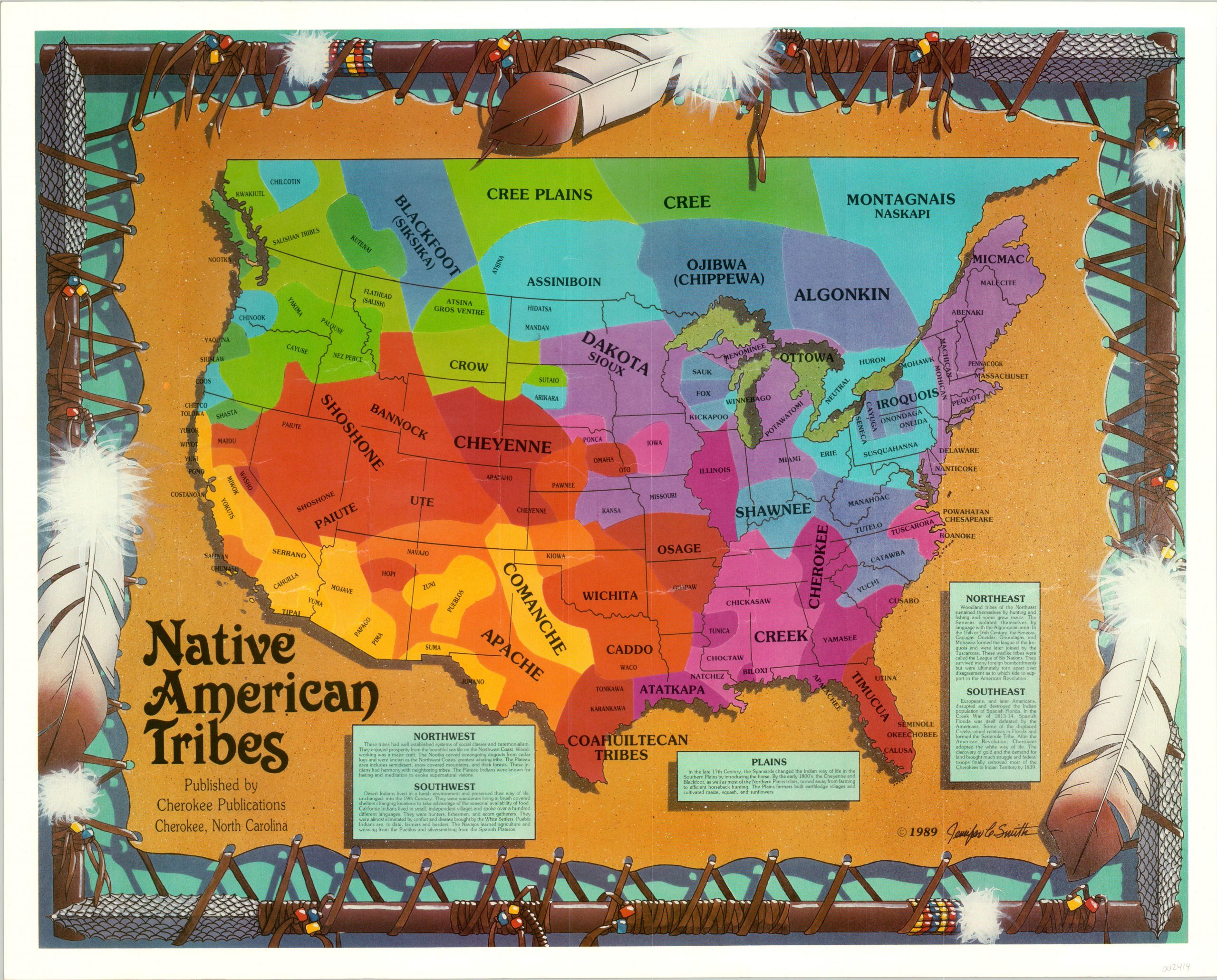
When we speak of "maps" in the context of Native American fishing rights, we must first broaden our understanding beyond the Eurocentric concept of two-dimensional charts. For Indigenous peoples, maps were not merely static representations of territory but dynamic repositories of knowledge, passed down through oral histories, ceremonial practices, sacred sites, and an intimate understanding of ecological rhythms. These "maps" detailed not just where resources were, but when they were available, how they were harvested sustainably, and who had the right to access them based on kinship, treaties, and intertribal agreements.
This profound understanding of place – the migratory patterns of salmon, the seasonal cycles of shellfish, the optimal locations for weirs and nets – constituted an unparalleled form of indigenous cartography. It was this deep, lived knowledge, often dismissed or misunderstood by colonizers, that later became crucial evidence in landmark legal battles. It spoke volumes about "usual and accustomed" fishing grounds, proving continuous occupation and usage stretching back to time immemorial, long before any colonial boundaries were drawn.
The Columbia River: A Lifeline Undammed and Redefined
Our journey begins in the heart of the Columbia River Basin, a region often called the "River of Life" by the Indigenous nations who have depended on its bounty for thousands of years. For tribes like the Yakama Nation, the Confederated Tribes of the Umatilla Indian Reservation, the Nez Perce Tribe, and the Confederated Tribes of Warm Springs, salmon were not just food; they were a spiritual cornerstone, a currency, and a cultural touchstone.

Before the era of dams, Celilo Falls was the vibrant heart of this fishing culture. A massive, churning cascade where salmon congregated, it was a central trading hub and a sacred site, depicted in countless oral histories and traditional "maps" of resource use. Here, generations of fishers honed their craft, using dip nets and platforms, their rights to this bounty explicitly reserved in treaties signed in the 1850s. These treaties, often poorly understood or willfully ignored by the U.S. government, guaranteed the tribes the right to fish "at all usual and accustomed places."
The construction of The Dalles Dam in 1957 submerged Celilo Falls, a catastrophic loss that remains a deep wound for the tribes. It wasn’t just the physical loss of a fishing site; it was the erasure of a spiritual nexus, a trading hub, and a symbol of sovereignty. Yet, even in its absence, the memory and the rights associated with Celilo persist. Today, travelers can visit viewpoints in the Columbia River Gorge, such as those near The Dalles, and gaze at the quiet stretch of water that once roared with life and commerce. While the falls are gone, the spirit of Celilo and the tenacious fight for fishing rights remain powerfully present.
To truly grasp this history, a visit to the Tamastslikt Cultural Institute near Pendleton, Oregon (on the Umatilla Reservation), is essential. This award-winning museum offers an immersive experience into the past, present, and future of the Cayuse, Umatilla, and Walla Walla peoples. Their exhibits beautifully articulate the historical relationship with the Columbia River, the impact of treaties and dams, and the ongoing efforts to restore salmon populations and reclaim traditional fishing practices. Here, you see how "maps" in the form of traditional narratives, artifacts, and archaeological findings become powerful tools for asserting and educating about these ancient rights.
Furthermore, driving through the Columbia River Gorge, one can observe modern tribal fishing platforms, often perched precariously over the river. These are not mere relics but active sites of sustenance and culture, a testament to the tribes’ enduring exercise of their treaty-reserved rights. Engaging with this landscape means understanding it not just as a scenic vista, but as a living testament to struggle and resilience, where ancient maps of usage continue to guide contemporary practices.
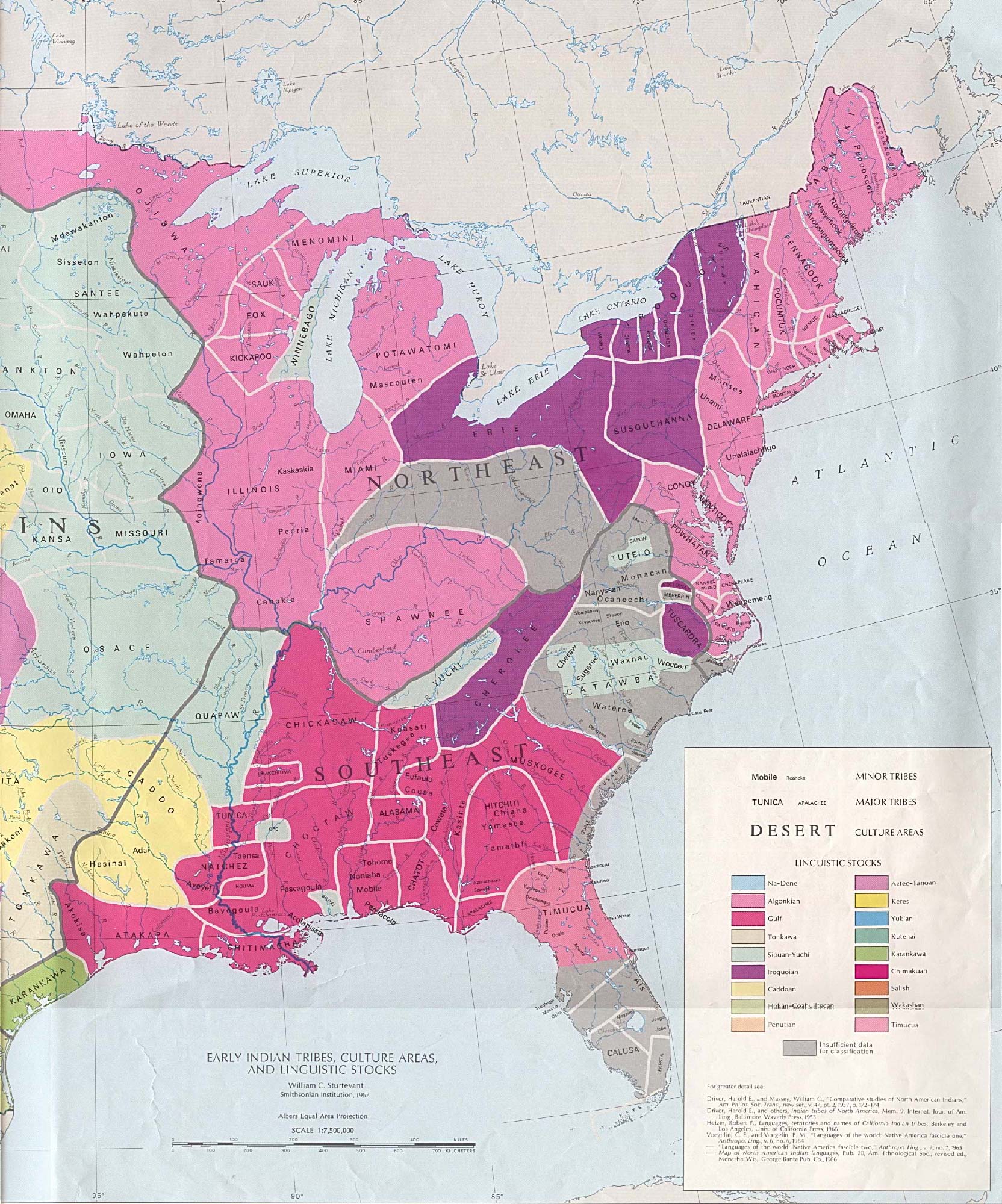
The Salish Sea: The Boldt Decision and the Usual and Accustomed
Moving westward to the intricate waterways of the Salish Sea – Puget Sound, the Strait of Juan de Fuca, and the Strait of Georgia – we encounter another pivotal chapter in the story of Native American fishing rights: the Boldt Decision. This landmark legal ruling in 1974 reaffirmed the treaty rights of numerous Western Washington tribes, including the Lummi, Makah, Suquamish, Nisqually, and many others, to harvest salmon and other fish from their "usual and accustomed" fishing grounds.
The case, United States v. Washington, revolved around interpreting the treaties signed in the 1850s, which reserved to the tribes the right to fish "at all usual and accustomed grounds and stations… in common with all citizens of the Territory." Non-Native fishers and the state of Washington had long interpreted "in common" to mean "equal access," effectively allowing state regulation to diminish tribal harvests. Judge George Boldt’s ruling, however, was revolutionary: he declared that "in common" meant sharing the resource, effectively granting treaty tribes the right to up to 50% of the harvestable salmon and steelhead returning to their traditional waters.
Crucially, the evidence presented in the Boldt case relied heavily on the Indigenous "maps" we discussed earlier. Anthropologists, historians, and tribal elders provided extensive testimony, supported by historical documents and archaeological evidence, detailing the precise locations and methods of ancestral fishing. These were not lines drawn on modern paper but rather a rich tapestry of knowledge about specific fishing camps, reef net sites, clam beds, and intertidal zones that had been used continuously for millennia. It was this deep, documented understanding of "usual and accustomed places" that proved indispensable in securing the tribes’ rights.
For travelers, experiencing the Salish Sea with this knowledge adds immense depth. Consider visiting tribal cultural centers like the Hibulb Cultural Center and Natural History Preserve (Tulalip Tribes) or the Squaxin Island Museum Library and Research Center. These institutions offer powerful insights into the historical and ongoing relationship between the tribes and the Salish Sea. You can learn about traditional fishing gear, the significance of different species, and the cultural practices that reinforce these rights.
Observing modern tribal fishing boats, often equipped with traditional methods alongside contemporary technology, offers a tangible connection to this living history. If fortunate enough to visit during a salmon season, you might witness tribal fishers exercising their treaty rights, a sight that embodies the resilience and continuity of their culture. Some tribal communities also host public festivals or events that celebrate their fishing heritage, offering a unique opportunity for respectful engagement.

Beyond the Map: Sovereignty, Stewardship, and Survival
The journey through Native American fishing rights is not merely an academic exercise or a look into the past; it’s an encounter with ongoing struggles and triumphs. These rights are not just about catching fish; they are fundamental to tribal sovereignty, cultural identity, and economic self-sufficiency. They are inextricably linked to the tribes’ role as environmental stewards, a responsibility rooted in traditional ecological knowledge (TEK) that predates Western conservation efforts by millennia.
Tribal nations today are at the forefront of salmon habitat restoration, water quality improvement, and the fight against climate change. Their understanding of interconnected ecosystems, passed down through generations, makes them vital partners in preserving the very resources that define their rights. For instance, the tribes actively manage hatcheries, restore spawning grounds, and advocate for dam removal to ensure the future of salmon for all. This stewardship is a living "map" of how to sustainably coexist with the land and water.
As a traveler, engaging with this narrative means recognizing that these are not forgotten histories but vibrant, living cultures. It means supporting tribal businesses, visiting their cultural centers, and listening to their stories. It means understanding that the beauty of the Pacific Northwest is not just natural, but cultural – shaped by the deep, enduring relationship between Indigenous peoples and their ancestral lands and waters.
The Traveler’s Role: Respectful Exploration
To embark on this journey is to travel with purpose. It is to acknowledge that every river, every bay, every forest in the Pacific Northwest has a name and a story in an Indigenous language.
- Seek out Tribal Cultural Centers and Museums: These are invaluable resources, offering authentic perspectives directly from the communities themselves.
- Support Tribal Businesses: Whether it’s art, guided tours, or local eateries, direct your tourism dollars to tribal enterprises.
- Learn the Local History: Before you arrive, research the specific tribes whose ancestral lands you will be visiting. Understand their treaties and their contemporary issues.
- Practice Respectful Observation: If you encounter tribal members fishing or engaged in cultural practices, maintain a respectful distance and do not interrupt or photograph without explicit permission.
- Educate Yourself and Others: Share what you learn. The more people understand the depth of Indigenous history and the importance of treaty rights, the stronger the foundation for reconciliation and justice.
Conclusion
Our review of this "location" – the living tapestry of Native American fishing rights in the Pacific Northwest – transcends the typical travel blog fare. It’s a profound exploration of how ancient wisdom, embodied in traditional maps and oral histories, continues to shape modern legal and cultural landscapes. From the tragic beauty of the submerged Celilo Falls to the enduring legacy of the Boldt Decision, this journey reveals a deep, unbreakable bond between Indigenous peoples and their waters.
It’s a powerful reminder that some of the most compelling stories of a place aren’t found on a tourist map, but within the hearts and histories of its first peoples. To travel here with an open mind and heart is to not just see the Pacific Northwest, but to truly understand it – as a land of breathtaking beauty, profound history, and an ongoing testament to the resilience and sovereignty of its Indigenous nations. This isn’t just a trip; it’s an education, a call to respect, and an invitation to witness the living legacy of ancient waters.

