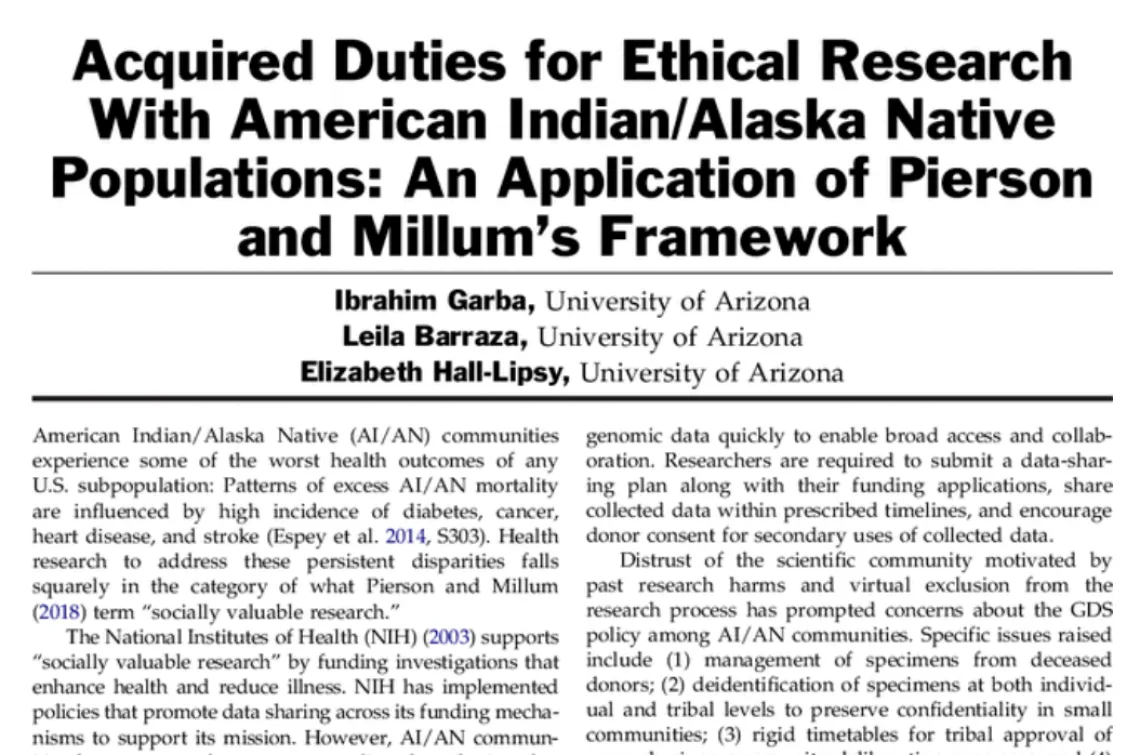
Directly engaging with the unseen narratives of a city is the essence of transformative travel. In Los Angeles, a sprawling metropolis often stereotyped by its film industry and beaches, lies a vibrant, resilient, and deeply rooted Indigenous presence that remains largely unmapped by conventional tourism. This review isn’t about a single landmark but about the profound experience of seeking and understanding the "Native American maps" of urban Indian populations—not as static cartography, but as living, breathing networks of community, history, and culture etched into the city’s fabric.
Los Angeles County holds the largest urban Native American population in the United States, a fact that surprises many. This isn’t an accident of history; it’s a direct consequence of federal policies like the Indian Relocation Act of 1956, which incentivized Indigenous people to move from reservations to urban centers, often with promises of jobs and a better life that rarely materialized as advertised. Yet, from this complex, often challenging history, a powerful and enduring Indigenous community blossomed, creating their own "maps" of survival, resistance, and cultural continuity.
Our journey to understand these maps begins not in a single museum exhibit, but with a conceptual framework that views the entire city as a palimpsest—layers of Indigenous history, presence, and future overlaid upon the settler-colonial landscape.
The Autry Museum of the American West: A Starting Point for Re-Mapping

While not exclusively focused on urban Indigenous populations, the Autry Museum of the American West in Griffith Park serves as an essential gateway. Its robust "Native Voices of the West" galleries provide critical context, showcasing the diverse Indigenous nations of North America with a particular emphasis on California. What makes the Autry a vital starting point for our "mapping" expedition is its commitment to presenting Indigenous perspectives, often directly through the voices of community members. Here, you’ll find traditional maps – the ones etched into memory, song, and oral histories – alongside contemporary art that challenges stereotypes and celebrates resilience.
For the traveler seeking to understand urban Indigenous maps, the Autry helps lay the groundwork. It illustrates the pre-colonial landscape of Tovaangar (the Tongva/Kizh homeland, which Los Angeles occupies), demonstrating that Indigenous presence isn’t just a modern phenomenon but a foundational one. You learn about the vast linguistic and cultural diversity, the deep spiritual connections to land, and the devastating impact of colonization. This historical grounding is crucial because it highlights what was lost, what was adapted, and what continues to thrive in urban settings. The museum acts as a kind of historical map, showing the ancestral roots from which urban communities have grown and re-rooted. It implicitly asks: how do these deep connections to specific lands translate or transform when people are relocated to a bustling metropolis?
Beyond the Museum: Navigating the Living Maps of Community
To truly map urban Indigenous Los Angeles, one must venture beyond institutional walls and engage with the community’s living heart. These are the "maps" of social networks, cultural organizations, and gathering spaces that Indigenous people have meticulously built over decades.
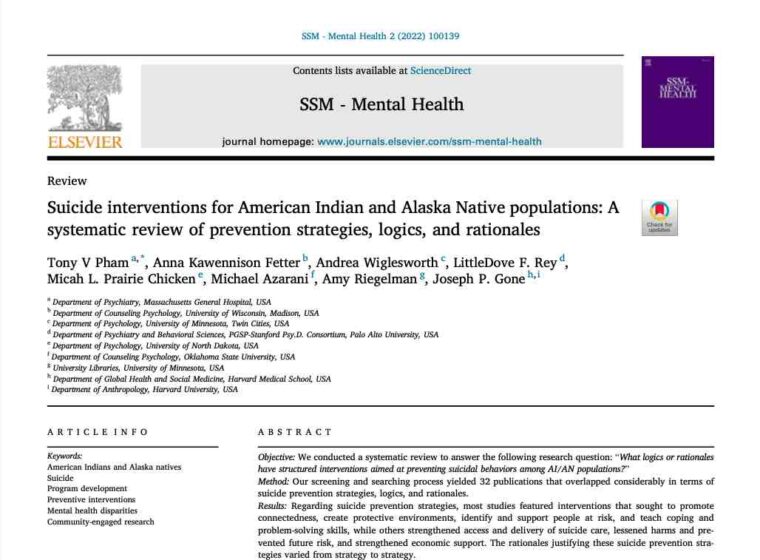
One of the most significant hubs is the Southern California Indian Center (SCIC). Established in 1966, the SCIC is a testament to the community’s self-determination. It’s not a tourist attraction, but a vital service provider, cultural beacon, and political voice. Visiting their website or attending a public event (if one is scheduled and open to the public) reveals a network of services—employment assistance, youth programs, elder support, cultural workshops—that form the connective tissue of urban Indigenous life. The SCIC represents a geographical and social node on our "map," marking a place where diverse tribal peoples from across the continent coalesce into a unified, pan-Indian identity, while simultaneously preserving their distinct tribal affiliations.
Similarly, the United American Indian Involvement (UAII), founded in 1974, is another critical "map point." Located in the historic Pico-Union district, UAII provides comprehensive health and human services to the Native American community. These organizations are the modern-day longhouses, council fires, and gathering places—they are the social cartography that defines urban Indigenous space, making the invisible visible. They are the actual "maps" that help people navigate not just the city, but life within it, connecting them to resources, cultural practices, and each other.
The Ephemeral Maps: Powwows, Art, and Public Spaces
Los Angeles’s urban Indigenous maps are also ephemeral, appearing and disappearing with the seasons, like the migrations of ancestral animals. These are the powwows, cultural festivals, art shows, and public gatherings that bring the community together.

Powwows are perhaps the most vibrant and accessible of these ephemeral maps. Held throughout the year in various locations—from college campuses to city parks—powwows are powerful expressions of cultural survival and celebration. Attending a powwow is an immersive experience: the rhythmic drumming, the colorful regalia, the intertribal dancing, the food vendors offering frybread and Indian tacos, and the artisan stalls selling everything from jewelry to intricate beadwork. Each powwow location becomes a temporary "map point" where thousands gather, reinforcing community bonds and sharing culture with both Indigenous and non-Indigenous attendees. These events are living archives, where traditions are performed, passed down, and renewed. They map the flow of people, the exchange of knowledge, and the enduring spirit of Indigenous nations.
Public art also serves as a crucial "map." Look for murals, sculptures, and installations that reflect Indigenous themes or were created by Native artists. For example, the Los Angeles City Hall itself sits on Tongva/Kizh land, and various public spaces within the city feature acknowledgments or artworks. These pieces act as visual markers, often subtle, that remind residents and visitors of the foundational Indigenous presence and ongoing contributions. They are static "maps" that, once noticed, reorient one’s understanding of the urban landscape.
Educational Institutions: Charting Intellectual and Cultural Landscapes
Universities also play a significant role in mapping urban Indigenous experiences. The American Indian Studies Center (AISC) at UCLA is a premier research and educational institution dedicated to the study of Indigenous peoples. Its library and archives are invaluable resources for scholars and curious travelers alike. The AISC publishes research, hosts lectures, and supports student initiatives that collectively contribute to a complex intellectual map of Indigenous issues, including urban dynamics. While not a typical tourist stop, engaging with their public programming or exploring their online resources offers a deeper, academic perspective on the forces that shape urban Indigenous life. They map the intellectual landscape, the ongoing struggles for sovereignty, and the future directions of Indigenous scholarship.
Re-Mapping the Narrative: A Traveler’s Perspective
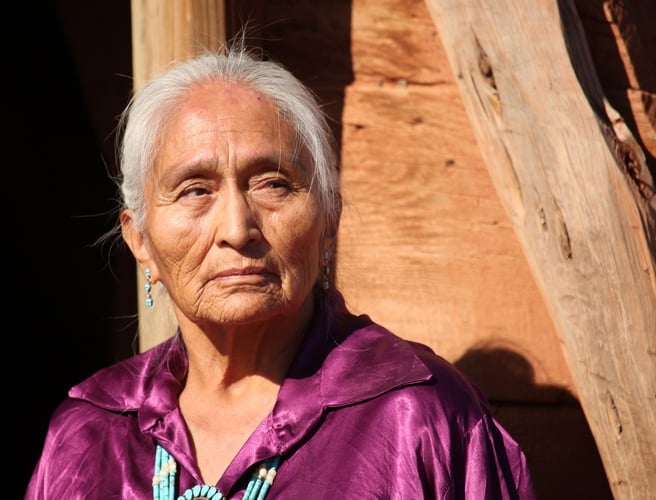
For the conscientious traveler, understanding these "Native American maps of urban Indian populations" transforms a visit to Los Angeles from a superficial tour into a profound encounter. It challenges the dominant narrative of Indigenous peoples as historical relics confined to reservations. Instead, it reveals a vibrant, adaptive, and politically engaged population thriving in the very heart of modernity.
This journey of re-mapping requires an active, respectful approach:
- Educate Yourself: Start with historical context. Understand the policies that led to urban migration.
- Seek Out Community-Led Initiatives: Prioritize supporting Indigenous-run organizations, businesses, and artists. Your dollars and attention directly benefit the community.
- Attend Public Events: Powwows, cultural festivals, and public lectures are excellent opportunities to learn and engage. Always be respectful of cultural protocols.
- Listen and Observe: Approach these spaces with humility and a willingness to learn. The maps are there, but they require careful observation to truly see.
- Acknowledge Land: Recognize that you are on the ancestral lands of the Tongva/Kizh people, and that many other Indigenous nations now call Los Angeles home. This simple act of acknowledgment is a powerful re-mapping of the city’s true origins.
The Power of the Unseen Map
The true power of these "Native American maps of urban Indian populations" lies in their ability to make the invisible visible. They reveal a landscape rich with stories, resilience, and cultural persistence that is often deliberately overlooked by mainstream society. Los Angeles, far from being an Indigenous void, is a dynamic tapestry woven with threads from hundreds of tribal nations, each contributing to a pan-Indian identity while maintaining unique cultural ties.
Reviewing this "location" is not about a single building or park; it’s about the entire urban ecosystem that Indigenous communities have cultivated. It’s about recognizing the profound act of creation—creating community, creating culture, creating identity—in a city that wasn’t designed for them. These maps are dynamic, constantly being redrawn by new generations, new challenges, and new triumphs.
To travel Los Angeles with these "maps" in mind is to embark on an adventure of discovery that goes far beyond Hollywood glitz or beachfront charm. It is to witness the enduring spirit of Native America, not in some distant historical past, but alive and thriving, actively shaping the future of one of the world’s most iconic cities. It is to understand that beneath the concrete and steel, a deeper, older, and incredibly resilient heart continues to beat, meticulously charting its own course in the urban wilderness. This is the true, invaluable experience of mapping urban Indigenous Los Angeles.

