
Stepping into the National Museum of the American Indian (NMAI) in Washington D.C., one immediately feels the weight of history and the vibrancy of living cultures. The building itself, a curvilinear sandstone edifice designed by Douglas Cardinal (Blackfoot), evokes natural forms and aligns with cardinal directions, setting a tone of deep connection to land and tradition. But it’s within its galleries that the profound concept of Indigenous mapping of traditional governance truly comes alive, offering a transformative lens through which to view sovereignty, history, and the very definition of place.
This isn’t a review of a single, static map. Instead, it’s a deep dive into how NMAI, and by extension other cultural institutions and tribal lands, illuminate the multifaceted and often misunderstood world of Native American governance structures as expressed through their unique forms of mapping. For the discerning traveler seeking more than just picturesque landscapes, understanding these "maps" – which often transcend physical cartography – unlocks a richer, more respectful engagement with Indigenous North America.
Forget the grid lines and fixed borders of European cartography. Native American maps of traditional governance structures are vastly more complex, dynamic, and embedded. They are not merely static representations of territory but living expressions of relationships: between people and land, among different communities, and with the spiritual world. These maps define responsibilities, resource management, social hierarchies, ceremonial paths, and political alliances. They are often oral, woven into stories, songs, and ceremonies. They are carved into petroglyphs, etched onto winter counts, embodied in wampum belts, or manifest in the very layout of villages and sacred sites. The NMAI excels in showcasing this diversity, providing tangible and conceptual entry points into these intricate systems.
NMAI as a Gateway to Understanding
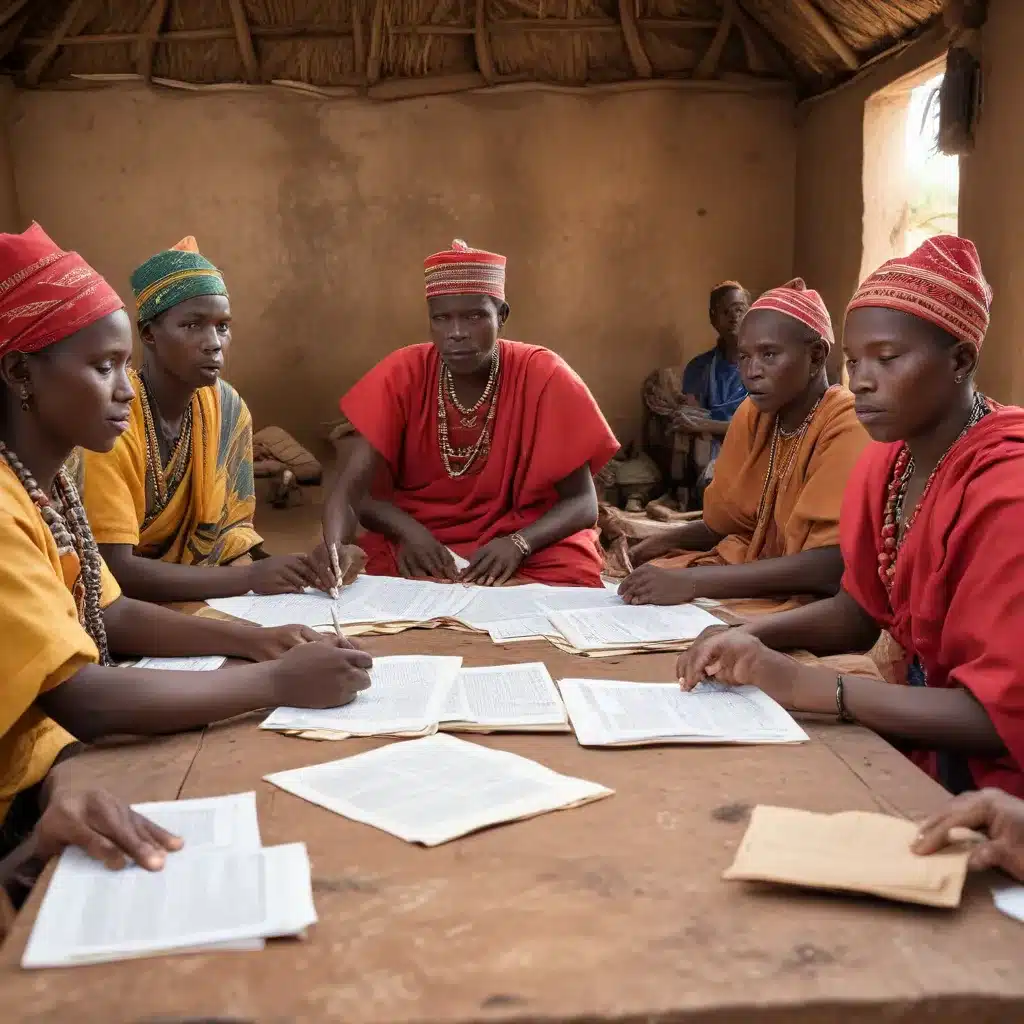
The NMAI doesn’t typically display a single "map" in the conventional sense that explicitly delineates governance structures with lines and labels. Instead, it immerses visitors in the elements that constitute these maps. Exhibits on Haudenosaunee (Iroquois) wampum belts, for instance, are not just about beautiful beadwork; they reveal intricate political treaties and historical agreements. The Two Row Wampum, a foundational Haudenosaunee covenant, depicts two parallel rows of purple beads on a white background, symbolizing two separate nations (the Haudenosaunee and European newcomers) traveling side-by-side on the river of life, each in their own vessel, never interfering with the other. This isn’t just a map of territory; it’s a map of diplomatic policy, of sovereignty, and of mutual respect – a governance structure in itself.
Similarly, displays on Diné (Navajo) cosmology and the significance of the four sacred mountains demonstrate how the landscape itself is mapped through spiritual and practical knowledge, guiding resource use, ceremonial practices, and community organization. The hogan, the traditional Diné dwelling, is a microcosm of the universe, its construction and orientation reflecting a spiritual map that governs daily life and societal roles. Seeing these artifacts and interpretations at the NMAI helps a traveler grasp that "mapping" for Indigenous peoples is often a holistic, integrated practice.
The Historical Significance: Sovereignty and Survival
Historically, these traditional maps were critical for asserting sovereignty and managing complex inter-tribal relations long before European contact. They guided seasonal migrations for hunting and gathering, defined fishing rights, and established trade routes. When European colonizers arrived, these Indigenous mapping systems became vital tools in treaty negotiations, albeit often misunderstood or deliberately ignored by the newcomers. While European maps sought to delineate fixed, exclusive territories, Indigenous maps emphasized shared access, seasonal use, and overlapping spheres of influence, reflecting a fundamentally different philosophy of land ownership and governance.

The NMAI, through its various historical exhibits, subtly highlights this clash of worldviews. Artifacts recovered from treaty negotiations, historical documents, and artistic representations often tell stories of Indigenous leaders attempting to convey their intricate territorial and governance systems to colonizers who only understood boundaries drawn on paper. This struggle underscores the enduring power of Indigenous maps: they were, and remain, assertions of self-determination in the face of immense pressure. They are evidence of sophisticated, long-standing political systems that existed and continue to exist.
Contemporary Relevance: Resurgence and Reclamation
Today, the understanding and revitalization of these traditional mapping systems are more crucial than ever. Indigenous nations are leveraging both traditional knowledge and modern technologies to map their ancestral territories, assert land rights, protect sacred sites, and reinforce their sovereign governance. Geographic Information Systems (GIS) are being used by tribes across North America to integrate traditional place names, ecological knowledge, and historical land use data with contemporary mapping techniques. This isn’t a mere academic exercise; it’s a powerful tool for cultural revitalization, environmental protection, and legal defense.
Consider the ongoing efforts of various nations to reclaim ancestral lands or assert treaty rights. Their arguments are often underpinned by a deep understanding of traditional land use, which is essentially a form of mapping. The NMAI, through its contemporary exhibits, showcases modern Indigenous artists, activists, and leaders who are actively engaged in these processes, demonstrating that these "maps" are not relics of the past but living, evolving instruments of governance and self-determination. They illustrate how traditional ecological knowledge, often encoded in these ancient mapping systems, is vital for addressing modern challenges like climate change and biodiversity loss.

Beyond the Museum: Experiencing the Maps on the Land
While NMAI provides an essential intellectual and emotional foundation, the true depth of these governance maps is experienced on the land itself. Traveling to tribal parks, cultural centers, or even simply respectfully engaging with Indigenous communities offers a chance to see these concepts in action.
- Haudenosaunee Territories (New York, Ontario): Visiting places like Ganondagan State Historic Site (Seneca) or the Six Nations of the Grand River Territory allows one to understand the enduring legacy of the Haudenosaunee Confederacy and its complex system of governance, still active today, rooted in principles articulated centuries ago. The wampum belts are not just museum pieces; they are living covenants.
- Diné Nation (Arizona, New Mexico, Utah): Traveling through the vast Diné Nation, one experiences the deep connection between land and identity. The four sacred mountains are ever-present, guiding the landscape and the people. Engaging with local guides or visiting cultural centers like the Navajo Nation Museum in Window Rock can reveal how traditional stories and place names function as a spiritual and practical map for life and governance.
- Pueblo Lands (New Mexico): The ancient and continuously inhabited pueblos, such as Taos Pueblo or Acoma Sky City, are physical manifestations of Indigenous governance. The layout of the villages, the ceremonial structures like kivas, and the communal spaces all reflect a sophisticated social and political order that has endured for millennia. Each architectural choice is a mapped decision about community, ceremony, and governance.
- Plains Nations (Dakotas, Montana): While more ephemeral, the movements of Plains nations were mapped through oral histories, winter counts (pictorial calendars), and ledger art. Visiting tribal museums like the Akta Lakota Museum & Cultural Center (Lakota) can offer insights into these narrative maps, which chronicle significant events, leadership changes, and resource management strategies across vast territories.
A Traveler’s Call to Action
For the discerning traveler, understanding these Indigenous mapping systems offers more than just historical insight; it provides a profound shift in perspective. It challenges the colonial assumption of empty lands waiting to be "discovered" and instead reveals a continent rich with intricate, long-standing political and social orders. It encourages a deeper respect for Indigenous sovereignty and self-determination.
When planning a trip that touches upon Native American lands or cultures, consider these points:
- Seek Out Indigenous Voices: Prioritize visiting tribal museums, cultural centers, and tribal parks. Hire Indigenous guides. Their perspectives are invaluable.
- Learn Local History: Understand whose traditional lands you are on. Many apps and websites provide this information (e.g., Native Land Digital).
- Support Indigenous Businesses: Invest directly in tribal economies and cultural initiatives.
- Practice Respectful Engagement: Be mindful of cultural protocols, ask for permission before photographing people or sacred sites, and always approach with humility and a willingness to learn.
- Look Beyond the Surface: Recognize that the landscape itself often holds centuries of mapped knowledge and governance. The trails, rivers, and mountains are not just geographical features; they are often inscribed with cultural meaning and historical significance that dictate relationships and responsibilities.
Conclusion
The journey through the NMAI and into the broader understanding of Native American maps of traditional governance structures is an enriching and humbling experience. These aren’t static artifacts of a bygone era; they are living testaments to enduring sovereignty, profound ecological knowledge, and sophisticated political systems that continue to shape Indigenous nations today. For the traveler, this understanding transforms a simple visit into an educational pilgrimage, fostering a deeper appreciation for the rich, complex tapestry of North American history and the vibrant, resilient future of its First Peoples. By learning to "read" these maps, we learn to see the world, and its original inhabitants, with new eyes.

