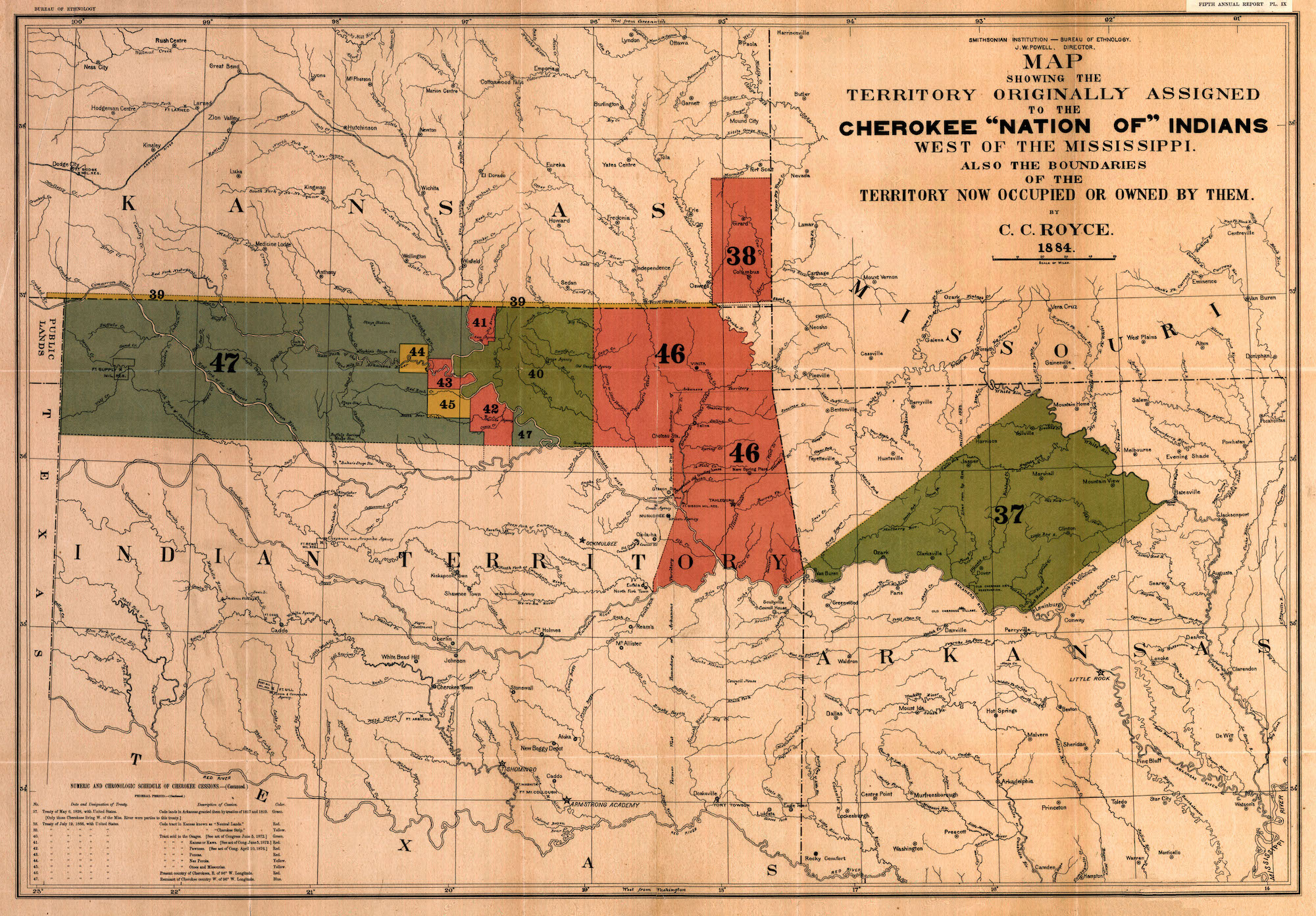
Forget your conventional road atlases and digital navigation. Erase the lines drawn by colonial powers. When we talk about "maps" in the context of Native American land return efforts, we’re not just discussing geographic representations; we’re stepping into a profound, often challenging, but ultimately transformative travel experience. This isn’t a review of a physical location you can pinpoint on Google Maps, but rather an immersive journey into a conceptual landscape – a visual and intellectual exploration of sovereignty, resilience, and reclamation that redefines every inch of the continent. To truly "travel" here is to re-educate your eyes and mind, understanding the land not as an empty space to be conquered, but as a living tapestry of Indigenous histories, present struggles, and future aspirations.
These maps are not mere cartographic tools; they are acts of assertion, cultural preservation, and a powerful visual language in the ongoing Land Back movement. They are created by Indigenous communities, scholars, and activists to challenge the dominant, colonial narratives that have systematically erased Native presence and rightful ownership. Unlike the government maps that delineate reservations as isolated pockets or "wilderness areas" as unclaimed territory, these Indigenous-led maps overlay traditional territories, ancestral homelands, sacred sites, and contemporary land claims onto the landscape, often extending far beyond federally recognized boundaries. They are a visual argument for continuity, for a history that predates the arrival of settlers, and for a future where Indigenous stewardship and sovereignty are fully restored.
Engaging with these maps is akin to visiting a monumental, ever-unfolding exhibition. Each map tells a story, not just of physical space but of cultural memory, linguistic heritage, and ecological knowledge. You might encounter historical maps painstakingly reconstructed from oral histories, archaeological evidence, and early ethnographic accounts, showing the vast territories and intricate trade routes of nations before European contact. These reveal a complex, interconnected continent, crisscrossed by Indigenous pathways, governed by Indigenous laws, and stewarded by Indigenous peoples for millennia. The sheer scale and detail of these pre-colonial landscapes are often breathtaking, offering a stark contrast to the simplistic "blank slate" narrative so often propagated in colonial histories.
Then there are the contemporary maps, vibrant and urgent, documenting ongoing struggles for land return, co-management agreements, and the protection of sacred sites from resource extraction or development. These maps are often activist tools, highlighting areas under threat, outlining proposed land transfers, or simply affirming the presence and enduring claim of a particular tribal nation over their ancestral lands. They can be incredibly detailed, showing specific ecological zones, traditional plant gathering areas, hunting grounds, or the locations of burial sites – knowledge that has been carefully preserved and passed down through generations. To "read" these maps is to understand the deep, intrinsic connection between Indigenous identity and the land, a bond that goes far beyond mere ownership to encompass spiritual, cultural, and ecological responsibilities.
For the conscious traveler, delving into these Indigenous maps is not just an academic exercise; it’s an essential part of responsible tourism. Imagine planning a trip to a national park, a pristine wilderness area, or a popular hiking trail. Your government-issued map might show it as federal land, a place of public recreation. But an Indigenous map of the same area would likely reveal it as the traditional territory of a specific tribe, a place with deep cultural significance, perhaps a site of ceremony, a source of traditional foods, or a place of historical trauma. This shift in perspective is profound. It transforms a seemingly neutral landscape into a place charged with history, meaning, and ongoing Indigenous presence. It encourages you to ask different questions: Whose land am I on? What is its Indigenous name? What are the local tribal nations doing to reclaim or protect it? How can I be a respectful visitor?
The "locations" where one can experience these maps are diverse and increasingly accessible. Many Indigenous nations maintain their own websites with maps of their traditional territories, current reservations, and ongoing land claims. These are invaluable resources, offering direct, unfiltered perspectives. Then there are platforms like Native Land Digital (www.native-land.ca), an extraordinary initiative that allows users to type in any location worldwide and see which Indigenous territories it falls within. This digital "atlas" is a revelation, instantly decolonizing your understanding of place and providing links to learn more about the specific nations. While not a complete or definitive source, it serves as an excellent starting point for anyone wishing to understand the Indigenous landscape of North America and beyond.
Beyond digital spaces, physical exhibitions occasionally showcase these powerful maps. Major museums and cultural institutions are slowly beginning to incorporate Indigenous cartography into their displays, moving beyond static historical exhibits to dynamic presentations of Indigenous sovereignty and contemporary land movements. Attending such an exhibition offers a different kind of engagement, allowing for a more tactile and reflective experience, often accompanied by oral histories or artistic interpretations that further enrich the cartographic data. Keep an eye on local Indigenous cultural centers, university galleries, and even national park visitor centers (where progressive, community-minded partnerships exist) for opportunities to see these maps in person.
The "review" of this experience is overwhelmingly positive, not in the sense of a luxurious stay, but in its profound impact and educational value. The accessibility of these maps, particularly online, makes this "journey" available to virtually anyone with an internet connection. The clarity and power of their message are undeniable. They serve as an immediate antidote to historical amnesia, forcing a confrontation with uncomfortable truths about colonization and dispossession. But more importantly, they offer a vision of justice, resilience, and hope. They are not merely documenting past injustices but charting a path forward, articulating a future where Indigenous land stewardship is honored, and sovereignty is respected.
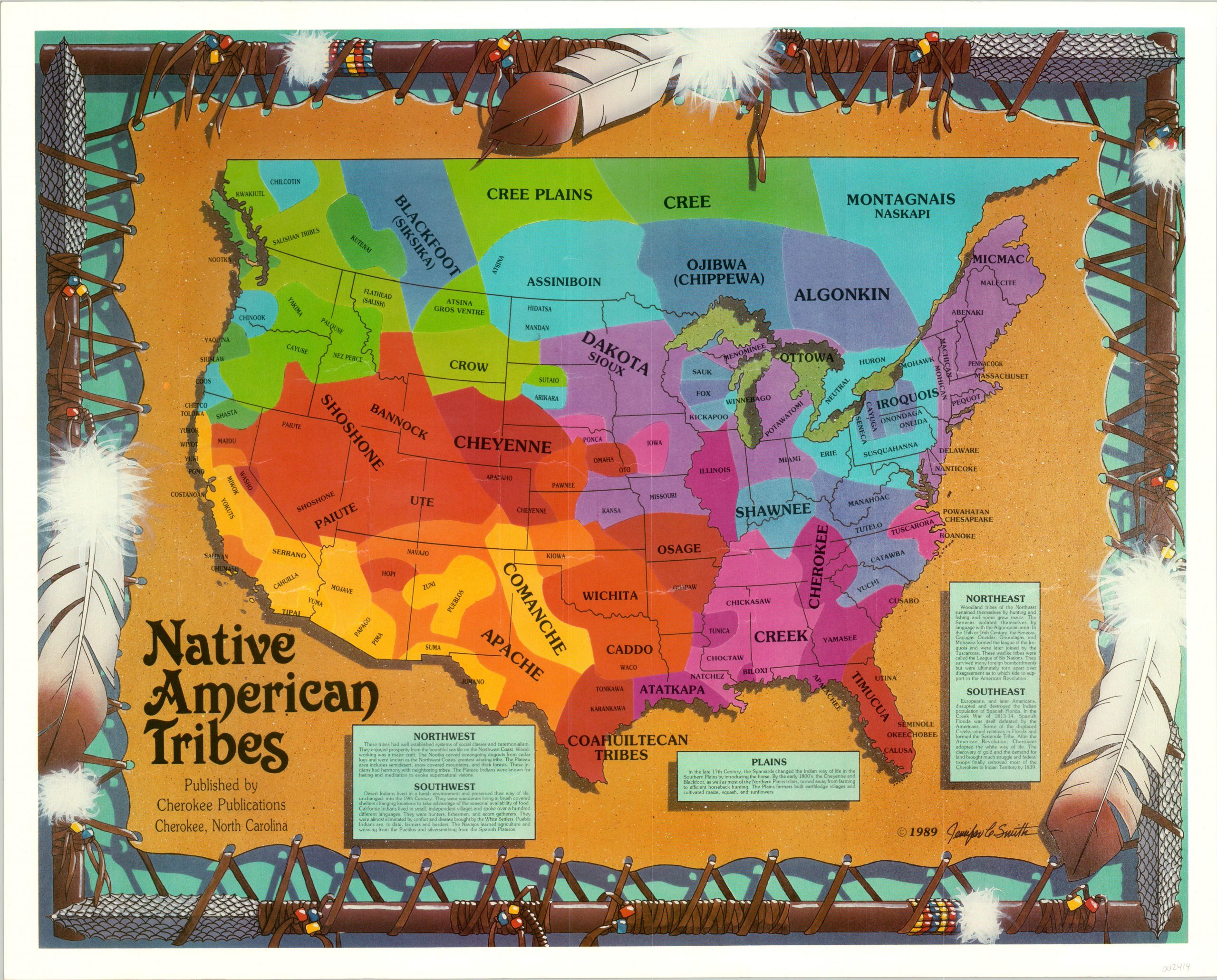
For the travel blogger, this topic offers a unique opportunity to transcend typical destination reviews. Instead of just detailing picturesque views or exciting activities, it allows for a deeper dive into the very ground beneath our feet. It challenges readers to think critically about the places they visit, to acknowledge the Indigenous peoples who have always called those places home, and to understand the ongoing efforts to reclaim and protect ancestral lands. It’s an invitation to become a more conscious, informed, and respectful traveler, one who recognizes that every landscape holds layers of history and meaning, much of which has been deliberately obscured.
The intellectual and emotional impact of engaging with Native American maps of land return efforts is immense. It fosters empathy, encourages critical thinking, and provides a framework for understanding complex issues like environmental justice, cultural preservation, and human rights. It transforms the act of looking at a map from a passive observation into an active engagement with history and a living political movement. It is a powerful reminder that "land" is not merely property, but identity, heritage, and future.
In conclusion, while you won’t find a star rating for this "location" on TripAdvisor, the experience of immersing yourself in Native American maps of land return efforts is, without exaggeration, five-star transformative. It is an essential journey for anyone who travels, for anyone who seeks to understand the true history and ongoing vitality of Indigenous peoples. These maps are not just lines on paper or pixels on a screen; they are living testaments to Indigenous resilience, powerful tools for decolonization, and an indispensable guide for navigating the world with greater awareness, respect, and a deeper appreciation for the lands we all share. So, before your next adventure, take a detour into this vital cartographic landscape. It will undoubtedly change the way you see the world, and every place within it.