
Forget the static lines of conventional maps. Forget the sterile, two-dimensional representations of borders and highways. To truly understand land, to truly travel, one must engage with maps that breathe, that carry millennia of stories, ecological wisdom, and spiritual connection. This is the profound insight offered by Native American maps, not as paper documents, but as living frameworks guiding the monumental and deeply hopeful work of land base restoration. This isn’t just about planting trees or reintroducing species; it’s about rematriating the land, returning it to its rightful stewards, and restoring the intricate web of life and culture.
For the intrepid traveler seeking more than just a scenic view, but a transformative understanding of our planet and its people, exploring locations dedicated to Native American-led land base restoration offers an unparalleled journey. It’s an opportunity to witness history being remade, to learn from ancient wisdom applied to modern ecological crises, and to participate – even as an observer – in a movement that promises a more sustainable and equitable future.
Our destination for this review is not a single point on a GPS, but a constellation of efforts, profoundly embodied by the Blackfeet Nation’s Iinnii Initiative in Montana, stretching across their ancestral lands adjacent to Glacier National Park. This is a place where the concept of "map" expands beyond cartography, where the restoration of a keystone species – the American bison (Iinnii in Blackfeet) – is simultaneously a restoration of culture, ecology, and sovereignty, guided by an indigenous understanding of place that Western science is only beginning to fully appreciate.
The Blackfeet Nation: A Living Map of Restoration
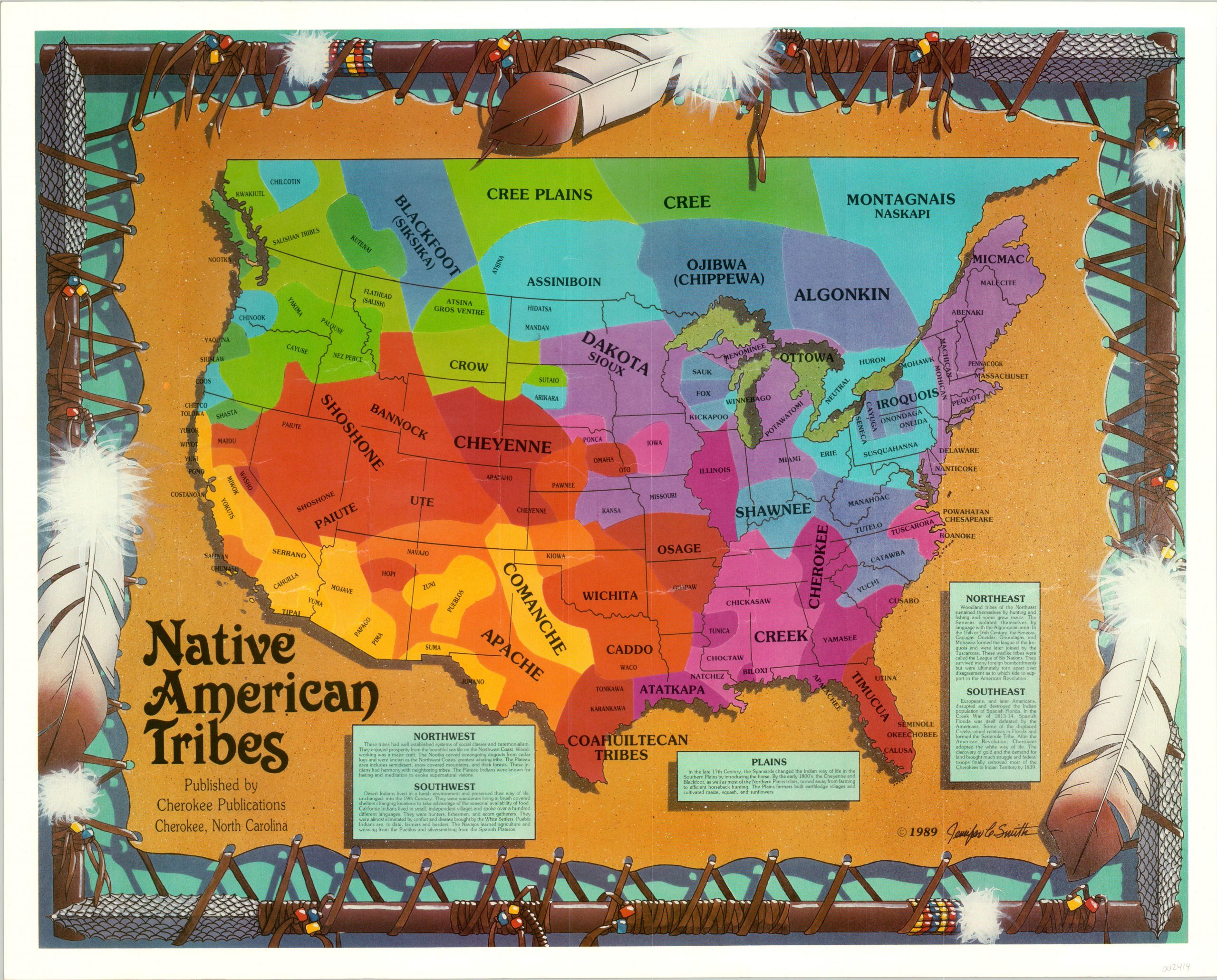
The Blackfeet Nation’s ancestral lands are a breathtaking expanse of plains, rivers, and mountains in what is now north-central Montana and southern Alberta. For centuries, this was buffalo country, the heartland of the Blackfeet people (Amskapi Piikani) whose lives, culture, and spirituality were intricately woven with the herds of Iinnii. The near-extermination of the bison in the 19th century was not just an ecological catastrophe; it was a deliberate act of cultural genocide, severing the Blackfeet from their primary food source, their spiritual kin, and their way of life.
The Iinnii Initiative, launched in partnership with organizations like the Wildlife Conservation Society, represents a powerful act of rematriation. It’s not simply about putting bison back on the land; it’s about restoring an entire ecosystem, a food system, and a cultural identity. For the Blackfeet, the bison are the map. Their migratory patterns, their grazing habits, their impact on the prairie ecosystem – these are all recorded in generations of oral histories, ceremonies, and traditional knowledge. When the bison return, they bring with them the blueprint for the land’s health, a map etched into the very fabric of the prairie.
Beyond the Cartographic: Native American Maps of Land
To truly grasp the significance of land base restoration in these contexts, one must first decolonize their understanding of "maps." Western maps are typically static, two-dimensional representations of fixed boundaries, ownership lines, and geographical features. They are tools of control, navigation, and resource extraction.
Native American "maps," however, are often fluid, multi-dimensional, and imbued with meaning that transcends mere geography. They are:
- Oral Histories and Storytelling: Land features are named for events, ancestors, and teachings. A mountain isn’t just a peak; it’s where the Creator taught lessons, where a hero journeyed, or where a specific plant for healing grows. These stories are passed down, creating a deep, shared mental map of the land’s history and significance.
- Traditional Ecological Knowledge (TEK): This is a vast, empirical knowledge system developed over millennia, detailing the relationships between species, water cycles, soil health, and climate patterns. TEK functions as an ecological map, guiding sustainable resource management, fire regimes, and plant cultivation. For the Blackfeet, their knowledge of bison behavior, optimal grazing areas, and prairie health is a living TEK map.
- Spiritual and Ceremonial Landscapes: Sacred sites, ceremonial grounds, and pathways for spiritual journeys form another layer of indigenous mapping. These aren’t just points on a landscape; they are places of power, healing, and connection to the spiritual realm, essential for the well-being of both people and land.
- Star Charts and Celestial Navigation: Many Native cultures used the stars as maps for seasonal movements, planting cycles, and navigating vast territories. The sky was intimately connected to the land below.
- Seasonal Cycles and Resource Availability: Indigenous maps often track the ebb and flow of seasons, indicating where specific plants ripen, where game animals migrate, or where fish spawn. This dynamic, temporal mapping ensures sustainable harvesting and survival.

When Native American communities undertake land base restoration, they are not simply looking at Western scientific data. They are consulting these profound, multi-layered indigenous maps – drawing on ancestral knowledge, listening to the land itself, and restoring not just biodiversity, but the cultural and spiritual fabric that binds them to their territory.
The Iinnii Initiative: Bison as Keystone of Cultural and Ecological Return

The return of the Iinnii to the Blackfeet Nation is a prime example of this holistic restoration. For decades, bison were confined to small herds in national parks, their ecological role largely diminished. But on the Blackfeet reservation, they are being welcomed back as a keystone species, central to prairie health.
Ecological Impact:
- Prairie Restoration: Bison are "ecosystem engineers." Their grazing patterns promote diverse plant communities, their hooves churn the soil, aiding seed dispersal and water penetration, and their wallows create micro-habitats for insects and amphibians. This natural process is a far more effective and sustainable form of land management than industrial agriculture.
- Biodiversity: The return of bison supports a cascade of other species, from birds that nest in their dung to predators that follow the herds. It rebuilds the entire food web of the prairie.
- Carbon Sequestration: Healthy grasslands, maintained by bison, are powerful carbon sinks, playing a vital role in mitigating climate change.
Cultural Impact:
- Food Sovereignty: Bison provide a healthy, traditional food source, reducing reliance on processed foods and strengthening community health.
- Spiritual Revival: The Iinnii are central to Blackfeet ceremonies, songs, and identity. Their return is a spiritual homecoming, revitalizing cultural practices and connection to the sacred.
- Economic Opportunity: Bison provide opportunities for tribal-led enterprises, including sustainable meat production, cultural tourism, and educational programs.
- Youth Engagement: The initiative provides powerful educational experiences for younger generations, connecting them to their heritage and empowering them as future land stewards.
The Blackfeet’s efforts are also part of a larger movement, the Buffalo Treaty, a groundbreaking intertribal agreement among over 20 Native American and First Nations communities in the US and Canada. This treaty acknowledges the cultural and ecological significance of buffalo and commits to their restoration across their traditional range, demonstrating a unified, indigenous-led approach to continental-scale land base restoration. It’s a map of interconnectedness, drawn by indigenous hands.
A Tapestry of Restoration: More Than Just Bison
While the Blackfeet Iinnii Initiative is a powerful beacon, it is just one thread in a rich tapestry of Native American-led land base restoration across the continent. These efforts, all guided by indigenous maps of knowledge and place, include:
- Cultural Burning: Tribes like the Karuk and Yurok in California are revitalizing ancestral practices of cultural burning to restore forest health, prevent catastrophic wildfires, and promote traditional food and medicine plants. Their fire maps are centuries old, passed down through generations.
- Wetland Restoration: The Pyramid Lake Paiute Tribe in Nevada is restoring vital wetlands in the Lahontan Valley, bringing back critical fish species like the cui-ui and Lahontan cutthroat trout, and revitalizing the water systems that are central to their identity. Their maps are based on deep knowledge of water flow, fish migration, and riparian ecosystems.
- Seed Saving and Food Sovereignty: Numerous tribes are actively restoring traditional food systems by saving ancestral seeds, cultivating native crops, and re-establishing gardens. This work restores biodiversity, improves community health, and ensures cultural continuity, guided by agricultural maps developed over millennia.
- Co-management of Protected Areas: Indigenous nations are increasingly partnering with federal and state agencies to co-manage national parks and wilderness areas, bringing their TEK and traditional mapping to bear on conservation efforts. This includes efforts in places like Bears Ears National Monument, where multiple tribes are working to protect and manage sacred lands.
These diverse projects share a common thread: they are driven by a holistic, long-term vision rooted in indigenous relationships to land, a relationship that understands humans not as masters of nature, but as integral, responsible members of the ecological community.
The Traveler’s Lens: Why Visit These Restored Lands?
For the conscious traveler, engaging with these sites of Native American-led land base restoration offers a profoundly enriching experience far beyond typical tourism:
- Authentic Cultural Immersion: You’re not just observing; you’re witnessing living culture, learning from those who have stewarded these lands for millennia. This is an opportunity for genuine cross-cultural exchange.
- Deep Ecological Learning: See firsthand how indigenous wisdom and modern science are converging to heal damaged ecosystems. Understand ecological processes from a perspective that values interconnectedness and long-term sustainability.
- Witnessing Hope and Resilience: These projects are testaments to the incredible resilience of Native American cultures and their unwavering commitment to healing their lands and communities. It’s inspiring to witness such profound acts of restoration.
- Ethical Tourism: By seeking out and supporting tribal tourism initiatives, cultural centers, and businesses, you contribute directly to the economic self-sufficiency and well-being of Native nations, ensuring your travel dollars have a positive impact.
- Shifting Your Own Map: Visiting these places challenges Western paradigms of land ownership, resource use, and human-nature relationships. It offers a chance to recalibrate your own internal map of how the world works.
Planning Your Journey: Respectful Engagement
When planning to visit areas involved in Native American land base restoration, respectful engagement is paramount. This isn’t just a "site" to be consumed; it’s a living landscape stewarded by sovereign nations.
- Research and Respect Sovereignty: Understand that reservations are sovereign nations. Respect their laws, customs, and cultural protocols. Look for official tribal tourism websites or cultural centers for information.
- Seek Guided Experiences: Many tribes offer guided tours, cultural workshops, or educational programs. These are invaluable for gaining deeper insight and ensuring you are learning directly from indigenous voices. For the Blackfeet Nation, consider visiting the Museum of the Plains Indian in Browning, or engaging with local Blackfeet guides who can offer tours of the reservation and insights into the Iinnii Initiative.
- Support Tribal Businesses: Purchase crafts, art, or food directly from tribal artisans and businesses. Eat at tribal-owned restaurants. Your financial support directly benefits the community.
- Learn Before You Go: Read up on the history, culture, and current restoration efforts of the specific tribe you plan to visit. A little preparation goes a long way in demonstrating respect.
- Ask Permission: If you wish to take photos of people or specific sites, always ask permission first. Some areas may be sacred or private.
- Leave No Trace: Practice strict Leave No Trace principles, and be especially mindful of sacred sites or sensitive ecological areas.
- Be Patient and Open: Embrace the opportunity to learn, listen, and experience the world from a different perspective.
These journeys are not about ticking off landmarks; they are about opening your mind to different ways of knowing, different ways of living with the land. They are about understanding that the true map of the world is not a static drawing, but a dynamic, interconnected web of life, history, and profound wisdom, much of which has been preserved and is now being powerfully re-expressed by Native American communities.
Conclusion: A New Horizon on the Map
The work of Native American land base restoration, guided by ancient, living maps, represents one of the most vital and hopeful movements of our time. It’s a testament to resilience, a masterclass in ecological wisdom, and a profound model for how humanity can move towards a more sustainable and just future.
For the traveler, these places offer more than just a destination; they offer a profound lesson. They teach us that the health of the land is inextricably linked to the health of its people, and that true progress lies not in conquering nature, but in learning to listen to its ancient rhythms and respect the wisdom of those who have always understood its deepest maps. To visit these lands is to embark on a journey that will not only change your perspective on travel but may very well change your understanding of the world itself. It’s a journey into the heart of what it means to belong to a place, guided by maps drawn not with ink, but with spirit, story, and unwavering stewardship.

