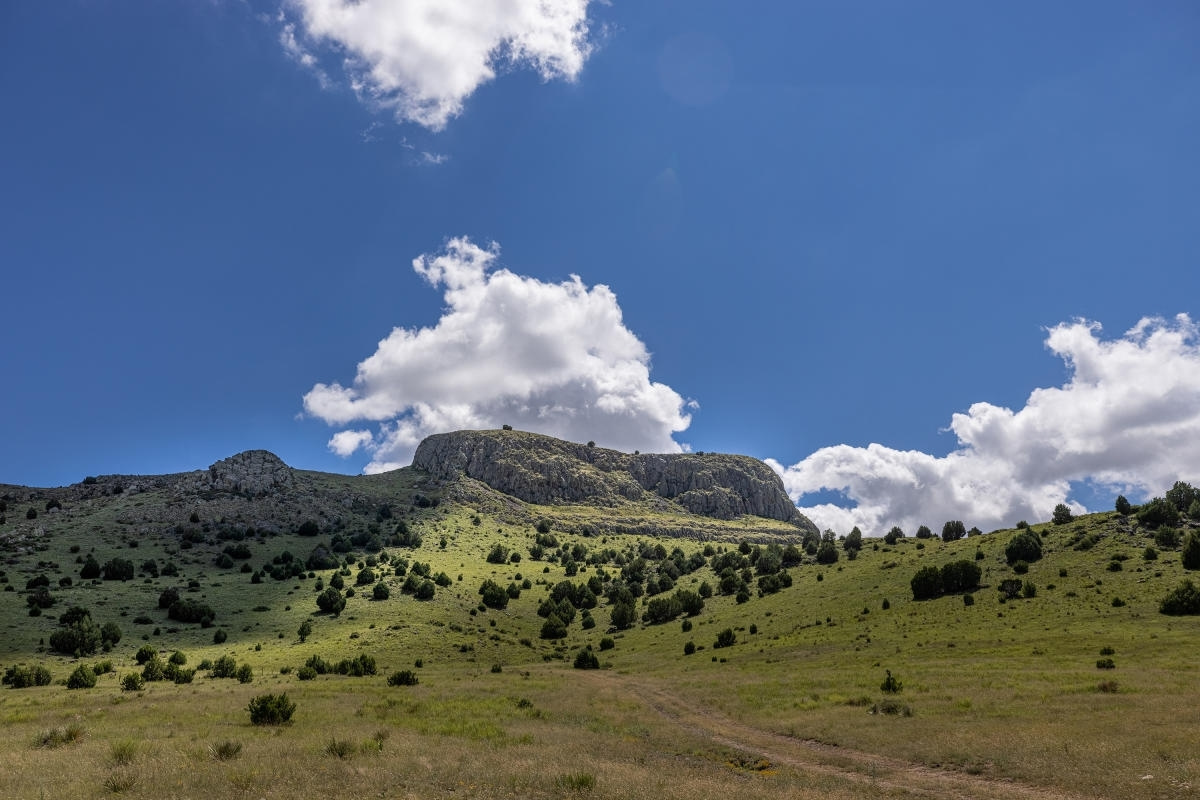
The dusty track leading into Chaco Culture National Historical Park isn’t just a road; it’s an immediate immersion into a landscape that once served as the central nervous system for an empire of exchange, a living testament to ancient Native American maps of intertribal trade routes. Forget the conventional idea of a parchment scroll or a digital GPS display. For the Ancestral Puebloans and countless other Indigenous nations, maps were not static objects but dynamic knowledge systems embedded in oral traditions, celestial observations, mnemonic devices, and, most profoundly, in the very land itself. Chaco Canyon, nestled in the stark beauty of northwestern New Mexico, offers an unparalleled opportunity to walk these maps, to feel the pulse of a vast trade network that connected diverse cultures across a continent.
Upon arrival, the silence of Chaco is profound, broken only by the whisper of the wind through sagebrush and the occasional call of a raven. This isn’t a place you simply visit; it’s a place that demands you listen, observe, and shed preconceived notions. The sheer scale of the architecture – the massive multi-story "great houses" like Pueblo Bonito, Chetro Ketl, and Hungo Pavi – immediately signals that this was no ordinary settlement. This was a ceremonial, economic, and social hub, a nexus from which influence radiated and to which goods flowed from incredible distances, defining the very arteries of intertribal trade.
The "maps" of Chaco are not artifacts you’ll find in a display case. Instead, they are etched into the landscape itself: the meticulously engineered Chacoan roads. These aren’t simple footpaths; they are wide, often arrow-straight, and expertly constructed thoroughfares, sometimes traversing challenging topography with ramps and staircases, extending for hundreds of miles beyond the canyon. They connect Chaco to over 150 outlying communities, or "outliers," creating a dendritic network across the San Juan Basin and beyond. For the Ancestral Puebloans, these roads were both literal and metaphorical maps – pathways for people, goods, and ideas, but also representations of cosmological order and social connection. Walking a segment of these ancient roads, still visible in places today, is to retrace the steps of traders, pilgrims, and messengers, feeling the weight of millennia of human movement.
Consider the evidence of trade that archaeologists have painstakingly uncovered. Chaco was not self-sufficient; its very existence as a cultural powerhouse depended on a robust and far-reaching trade economy. Turquoise, perhaps the most iconic Chacoan trade good, arrived from distant mines like Cerrillos, south of Santa Fe, and even as far as California. This wasn’t merely a decorative stone; turquoise held immense spiritual and economic value, its vibrant blue-green hues linking the earth to the sky. Imagine caravans of traders, guided by an intrinsic knowledge of water sources, celestial navigation, and landscape features – their internal "maps" – bringing this precious commodity to Chaco.

But turquoise was just one thread in a rich tapestry of exchange. From Mesoamerica, thousands of miles to the south, came macaws, their brilliant feathers adorning Chacoan elites and used in sacred rituals. Their presence here speaks volumes about the extent of the trade routes and the cultural connections that transcended vast geographical barriers. Obsidian, a sharp volcanic glass prized for tools, arrived from sources in the Jemez Mountains. Shells, particularly conch and abalone, traveled from the Pacific Coast and the Gulf of California, brought by traders navigating diverse ecosystems and interacting with numerous intermediary tribes. Copper bells, another Mesoamerican import, and distinctive pottery types from various regions further underscore the complexity and reach of Chaco’s trade network. Each of these items represents a journey, a connection, a line drawn on an invisible map of commerce and cultural interaction.
Experiencing these "maps" firsthand at Chaco involves more than just observation; it’s an active engagement with the environment. The drive into the park, often on unpaved roads, forces you to slow down, to appreciate the distances and the ruggedness of the terrain that ancient traders would have navigated. Once inside, hiking the trails that wind between the great houses and up to overlooks like Pueblo Alto, you gain a new perspective on the integrated nature of the site. From Pueblo Alto, you can clearly see segments of the Chacoan roads stretching out into the landscape, like faint scars on the earth, hinting at their far-flung destinations. This vantage point helps to visualize the hub-and-spoke system, the "map" radiating outwards from the canyon.
Exploring Pueblo Bonito, the largest and most intricately constructed of the great houses, is to step into the heart of this ancient metropolis. Its hundreds of rooms, kivas (circular ceremonial chambers), and plazas once bustled with activity. Imagine the arrival of traders from distant lands, laden with goods, the exchange of stories and news, the complex negotiations, and the elaborate ceremonies that cemented intertribal relationships. The very layout of the great houses, their alignment with astronomical events, suggests another layer of mapping – a celestial map used for timing agricultural cycles, ceremonial events, and likely for navigation across the vast, featureless landscapes of the Southwest. Spending a night at Chaco, under one of the darkest night skies in the continental United States, and witnessing the Milky Way arching overhead, brings this celestial mapping into breathtaking focus. The stars, planets, and moon were not just objects of beauty; they were compasses, calendars, and storybooks for ancient travelers.
The significance of these intertribal trade routes extended far beyond the exchange of material goods. They were conduits for the transmission of ideas, technologies, artistic styles, religious practices, and social structures. The widespread adoption of certain architectural styles, pottery designs, and ceremonial practices across the Southwest can be directly attributed to the flow of information along these routes. These "maps" fostered diplomacy, peace, and mutual understanding between diverse groups, even as they occasionally facilitated conflict. They were vital for survival in a challenging environment, allowing communities to access resources not available locally and to mitigate risks like drought or famine through reciprocal relationships.

Chaco Culture National Historical Park does an exceptional job of interpreting this complex history, though the emphasis is necessarily on the archaeological remnants rather than literal maps. The visitor center provides valuable context, and interpretive signs throughout the park offer insights into the lives of the Ancestral Puebloans. However, the true interpretive power of Chaco lies in its raw, unfiltered presence. The park has wisely chosen to maintain its remote and undeveloped character, ensuring that the experience remains as close as possible to what ancient visitors might have felt. This very remoteness, while challenging for modern travelers (be prepared for unpaved roads and limited services), is integral to understanding the scale of the ancient journeys.
For the modern traveler, a visit to Chaco requires preparation and respect. Go during the shoulder seasons (spring or fall) to avoid extreme temperatures. Bring plenty of water, food, and sun protection. Fuel up before you arrive, as there are no services nearby. Cell service is minimal to nonexistent, which is part of its charm – it forces a disconnection from the modern world and a deeper connection to the ancient past. Most importantly, approach Chaco with an open mind and a willingness to learn. Recognize that you are walking on sacred ground, a place of profound cultural significance for many contemporary Puebloan and Navajo peoples.
In conclusion, Chaco Culture National Historical Park is not just a collection of impressive ruins; it is a profound journey into the heart of ancient Native American ingenuity and interconnectedness. It is a place where the land itself functions as a map, where the ancient roads are the lines drawn by generations of travelers, and where every artifact whispers tales of distant lands and complex relationships. To walk among the great houses and along the faint traces of Chacoan roads is to step onto a living map, to feel the echoes of a vibrant intertribal trade network, and to gain a deeper appreciation for the sophisticated ways Indigenous peoples navigated, understood, and connected their vast world long before the advent of modern cartography. It is an essential pilgrimage for anyone seeking to understand the true depth and reach of Native American history and culture, a place where the past isn’t just remembered, but tangibly felt beneath your feet.