
For those seeking to truly connect with the profound, often heartbreaking, narrative etched into the American landscape, a journey through the sites and archives related to 19th-century Native American removal maps offers an unparalleled, if somber, travel experience. This isn’t a typical scenic route; it’s a pilgrimage into the cartography of displacement, a geographical understanding of forced migration, and a testament to resilience. Our focus here isn’t on a single museum display but on the immersive, multi-state experience of tracing these maps through the very land they depict, primarily along the Trail of Tears National Historic Trail and its associated interpretative centers, archives, and ancestral lands.
The Cartographic Imperative: Maps as Instruments and Records
Before embarking on the physical journey, it’s crucial to understand the nature of the maps themselves. In the 19th century, maps were not just tools for navigation; they were instruments of policy, declarations of ownership, and often, precursors to dispossession. For Native American nations, maps took on a dual, often contradictory, significance.
Firstly, there were the maps of ancestral lands, sometimes drawn by Indigenous cartographers, but more often by early European explorers and later, American surveyors. These maps depicted intricate networks of villages, hunting grounds, sacred sites, and established boundaries – a visual representation of sovereign nations thriving for millennia. These are the "before" maps, illustrating a rich tapestry of life and culture that existed prior to the pressures of westward expansion. When you visit places like the Great Smoky Mountains National Park or the Oconaluftee Indian Village in North Carolina, these maps vividly overlay the verdant valleys and ancient forests with the ghost of a vibrant Cherokee homeland. They remind us that the land was not "empty" but deeply inhabited and cultivated.

Secondly, and more infamously, came the removal maps. These were predominantly U.S. government-commissioned documents, starkly outlining proposed "Indian Territory" west of the Mississippi River, detailing the routes of forced removal, and carving up the lands left behind for white settlement. These maps were bureaucratic tools, devoid of human empathy, reducing entire nations to lines on paper, marking out paths of suffering. They often showed "unassigned lands" or "ceded territories," masking the violent mechanisms of treaties, coercion, and military force that facilitated their creation. Viewing these maps in places like the Cherokee National Museum in Tahlequah, Oklahoma, or the Oklahoma Historical Society Research Center in Oklahoma City, is a chilling experience. They are testaments to a dark chapter, yet also vital guides to understanding the geographic scale of the injustice.
The Trail of Tears National Historic Trail: A Living Map
The Trail of Tears National Historic Trail (NHT), managed by the National Park Service, is not a single, continuous path but a network of land and water routes stretching across nine states: Alabama, Arkansas, Georgia, Illinois, Kentucky, Missouri, North Carolina, Oklahoma, and Tennessee. It commemorates the forced removal of the Cherokee Nation and other Southeastern Indigenous peoples (Choctaw, Chickasaw, Creek, and Seminole) from their ancestral lands in the southeastern United States to Indian Territory (present-day Oklahoma) during the 1830s.
Embarking on this journey is to walk through these 19th-century maps, witnessing their lines and labels come to life.
1. The Eastern Homelands: The "Before" Maps Come Alive
Our journey begins where the maps of vibrant Indigenous life once flourished.
-
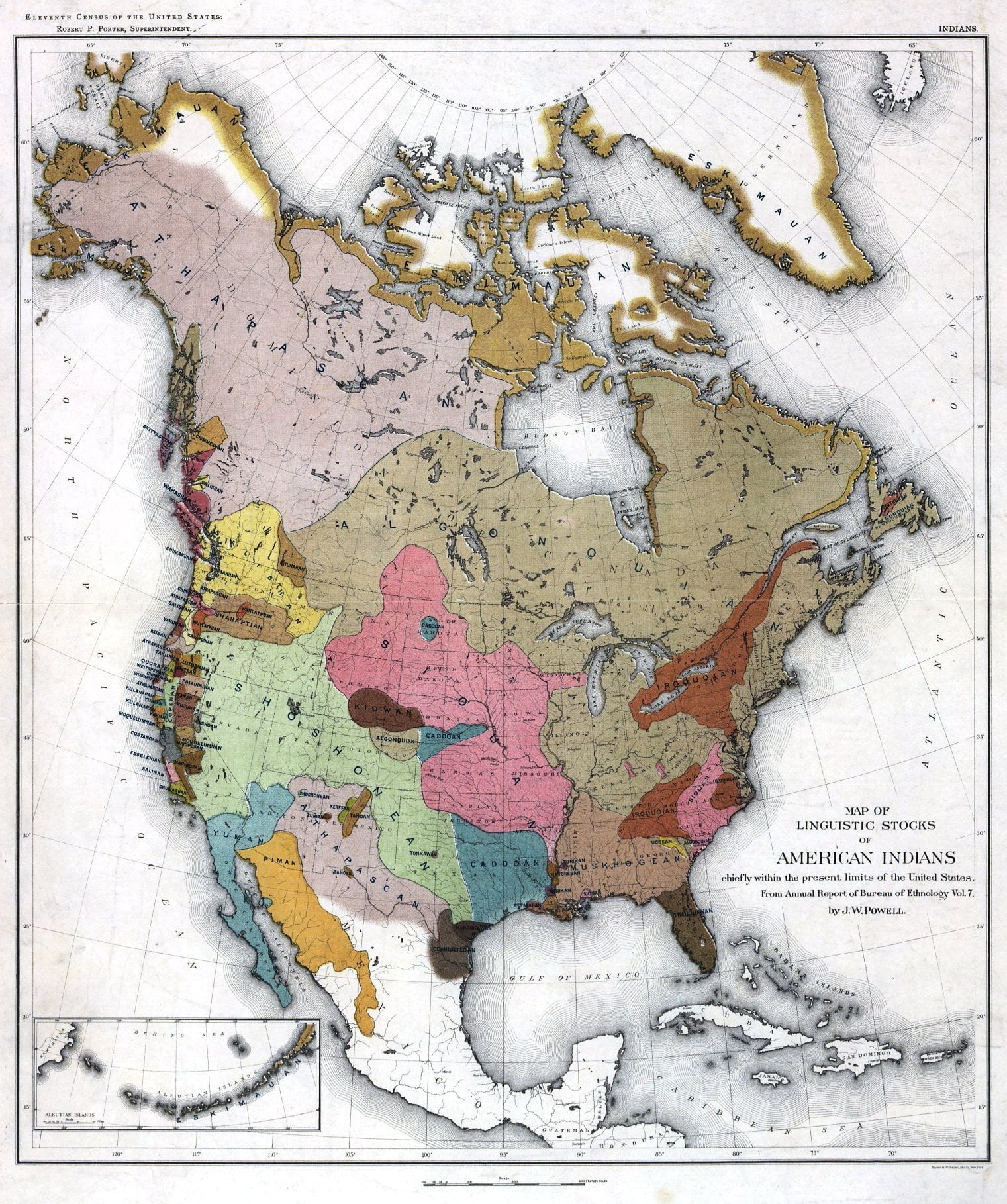
New Echota Historic Site, Calhoun, Georgia: This is perhaps one of the most poignant starting points. New Echota was the capital of the Cherokee Nation, a sophisticated community with a written constitution, a bicameral legislature, and a printing press for its newspaper, the Cherokee Phoenix. Maps of New Echota show a planned city, a testament to a sovereign nation. Walking the grounds, seeing the reconstructed buildings, and visiting the museum here, you gain a profound sense of what was lost. The maps detailing the Cherokee Nation’s boundaries prior to removal reveal a vast and prosperous territory, making the subsequent forced dispossession even more tragic. The maps here show a nation, not just a collection of tribes.
-
Great Smoky Mountains National Park & Qualla Boundary, North Carolina: For those seeking to connect with the land itself, the ancestral Cherokee lands now within the Great Smoky Mountains National Park offer a powerful experience. While most Cherokee were removed, a small group, the ancestors of today’s Eastern Band of Cherokee Indians (EBCI), managed to evade removal. Visiting the Museum of the Cherokee Indian in Cherokee, NC, and the Oconaluftee Indian Village provides deep insight into traditional Cherokee life and the resilience of those who remained. The topographical maps of the Smokies, when overlaid with historical maps of Cherokee settlements, reveal how intimately connected the people were to every valley and peak. This is where the land itself whispers stories of ancient pathways and hidden refuges.
2. The Routes of Removal: Tracing the Lines of Suffering
The heart of the journey lies in tracing the actual removal routes, where the government’s cartographic lines translated into immense human suffering. The Trail of Tears NHT has identified various certified sites where visitors can experience remnants of the original routes.
-
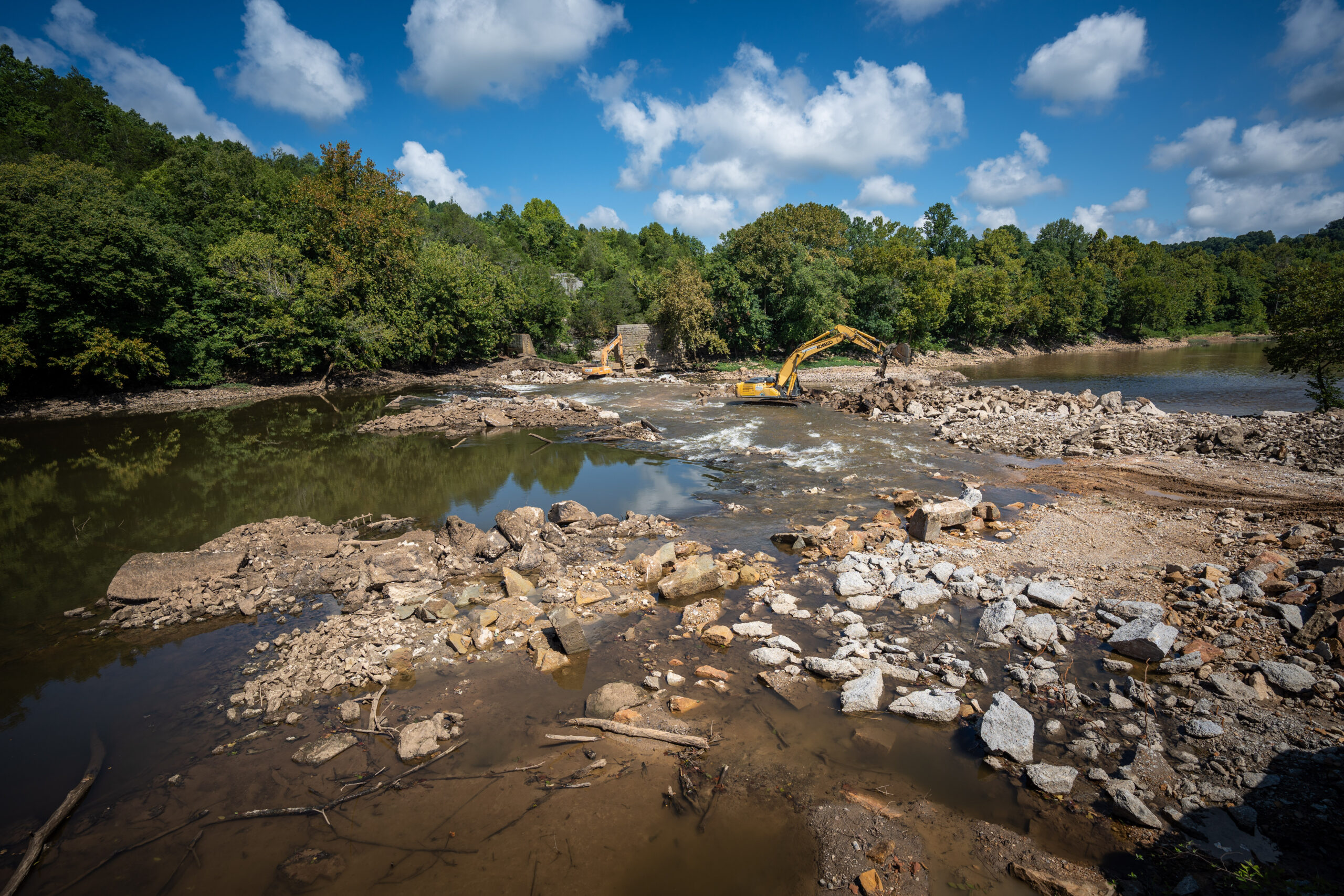
Land Routes – "Trail Ruts": In parts of Tennessee, Missouri, and Arkansas, you can still find original trail ruts – depressions left by thousands of wagons, horses, and foot traffic. Sites like Mantel Rock Nature Preserve in Kentucky (a large rock shelter that provided refuge during the harsh winter of 1838-39) or sections of the Old Stage Road in Missouri (part of the Benge Route) offer tangible connections. Here, the maps detailing overland routes become a visceral reality. You stand on the very ground where families walked, often without adequate food or shelter. The maps were precise in their depiction of these routes, but could never convey the human cost.
-
Water Routes – The Mississippi River: Many groups, particularly the Cherokee, were forced to travel by water, especially the Tennessee and Mississippi Rivers. A visit to sites along the Mississippi River, such as Trail of Tears State Park in Missouri (where many Cherokees crossed the river in winter, suffering immense losses), brings these watery routes into sharp focus. Historical maps often show the river systems as efficient arteries for transport, but for the removed nations, they became liquid graves. Imagine the fear and uncertainty of navigating these vast waterways, depicted on maps as simple blue lines, knowing you were being carried further and further from home.
-
Forts and Emcampment Sites: The removal maps also indicate various collection forts and internment camps. Visiting places like Fort Payne Cabin in Alabama (one of the sites where Cherokees were held before their forced march) or the remains of other stockades provides a grim understanding of the logistical side of removal. These were the staging grounds, the points on the map where entire communities were forcibly gathered, often for months, before being marched westward. The maps show these as mere dots, but they represent places of profound loss and despair.
3. The Western Terminus: "Indian Territory" and Rebuilding
The journey culminates in what was designated "Indian Territory," now primarily Oklahoma, where the maps show the new, often smaller, and unfamiliar lands assigned to the removed nations.
-
Cherokee National History Museum Complex, Tahlequah, Oklahoma: Tahlequah became the new capital of the Cherokee Nation. The Cherokee National History Museum and the Cherokee National Research Center are invaluable resources. Here, you’ll find extensive collections of maps – not just of the removal, but also of the newly established Cherokee Nation in Indian Territory, detailing land allotments, district boundaries, and later, the impact of the Dawes Act. These maps show the incredible effort to rebuild and establish new governments and communities despite the trauma of removal. They are maps of survival and adaptation.
-
Gilcrease Museum, Tulsa, Oklahoma: This museum holds one of the world’s most comprehensive collections of art and artifacts of the American West, including a significant collection of Native American materials and historical maps. Viewing original 19th-century maps here, often alongside portraits of leaders who endured the removal, provides a broader context of the entire westward expansion and its impact on Indigenous peoples. The maps here can illustrate the evolving concept of "Indian Territory," from a vast expanse to a fragmented landscape.
-
Oklahoma Historical Society Research Center, Oklahoma City: For the serious researcher or history buff, this center offers access to a wealth of archival materials, including original maps, treaties, and government documents related to the removals and the subsequent establishment of tribal nations in Oklahoma. It’s a place where you can directly engage with the primary sources that shaped this history.
The Cartographic Journey: A Deeper Understanding
Traveling these routes, with historical maps in hand (or on a digital device), transforms the experience. You can overlay the past onto the present, seeing how modern highways sometimes follow ancient paths, or how a quiet forest grove once marked a military encampment. The maps highlight the sheer scale of the removal – thousands of miles, hundreds of communities, millions of acres.
This is not a journey for the faint of heart or for those seeking only picturesque landscapes. It is a journey of introspection, empathy, and profound learning. It challenges the romanticized notions of westward expansion and forces a confrontation with the difficult truths of American history.
Practical Considerations for Your Cartographic Pilgrimage:
- Planning is Key: The Trail of Tears NHT spans multiple states and is not a single, continuous path. Use the National Park Service website (www.nps.gov/trte) to plan your itinerary, identify certified sites, and access interpretive materials.
- Respectful Engagement: Remember that these are sacred and historically sensitive sites. Approach your visit with respect for the Indigenous peoples whose history is told here. Support local Indigenous businesses and museums.
- Utilize Resources: Many sites have excellent interpretive signs, museums, and rangers who can provide context. Digital mapping tools, when combined with historical maps, can greatly enhance your understanding.
- Beyond the Trail: While the Trail of Tears is a primary focus, remember that other Indigenous nations also faced forced removal. Researching and visiting sites related to the Choctaw, Chickasaw, Creek, and Seminole removals will further broaden your understanding of this tragic period.
Conclusion: More Than Just Lines on Paper
To travel the routes illuminated by 19th-century Native American removal maps is to undertake a profound and transformative journey. It’s an act of remembrance, a lesson in resilience, and a stark reminder of the power of cartography – not just to describe the world, but to reshape it, often with devastating consequences. These maps, once instruments of displacement, now serve as essential guides, leading us to a deeper understanding of American history, the enduring spirit of Indigenous nations, and the landscapes that bear witness to both profound loss and unwavering survival. It’s a travel experience that demands more than just observation; it demands reflection, empathy, and a commitment to carrying forward the lessons learned from lines drawn on paper, stained with the tears of a nation.

