
The American Southeast, a sprawling tapestry of mountains, Piedmont, and coastal plains, holds a profound and often understated history etched into its very landscape. For the discerning traveler, particularly one with an affinity for cartography and Indigenous history, this region offers an unparalleled journey into the 18th-century tribal territories of Native America. This isn’t a review of a single site, but rather an immersive travel concept: navigating the contemporary South with the ghost maps of the 1700s as your guide, revealing the complex and dynamic homelands of nations like the Cherokee, Creek, Choctaw, Chickasaw, and Seminole.
Imagine overlaying a John Mitchell map from 1755, or a de Brahm chart from 1770, onto your modern GPS. The lines on these antique documents, often drawn by European cartographers with varying degrees of understanding and colonial ambition, are not rigid borders but fluid spheres of influence, dotted with trading paths, river systems, and the occasional European fort. These maps, while imperfect and biased, are vital keys to unlocking a deeper appreciation for the land you traverse today. They reveal not static borders, but living, breathing territories that were constantly negotiated, defended, and culturally imbued.
Our journey begins in the mountainous heartland, the ancestral domain of the Cherokee Nation. In the 18th century, their territory, known as "Kituwah" or "Ani-Yunwiya" (Principal People), stretched across what is now western North Carolina, eastern Tennessee, northern Georgia, and parts of Alabama and South Carolina. Their towns were clustered along river valleys, connected by ancient trails that would later become modern highways. For a traveler, this means heading into the Appalachian spine.
The Great Smoky Mountains National Park, a UNESCO World Heritage site, is more than just scenic beauty; it’s the spiritual and historical heart of the Cherokee. While the forced removal of 1838 (the Trail of Tears) largely emptied these lands of their people, the land itself remembers. Drive along US-441, tracing the Oconaluftee River, and you are following an ancient Cherokee thoroughfare. Visit the Oconaluftee Indian Village near Cherokee, NC, a living history museum that recreates an 18th-century Cherokee community. Here, you can witness traditional crafts, understand their agricultural practices, and grasp the sophisticated social and political structures that existed long before European contact. The nearby Museum of the Cherokee Indian provides invaluable context, showcasing artifacts, maps, and oral histories that illuminate their territorial claims and interactions with encroaching European powers. The maps of the 18th century often depicted Cherokee towns with surprising detail, reflecting their strategic importance in the deerskin trade and as a buffer between competing colonial empires. A careful look at these maps shows the clusters of "Lower Towns," "Middle Towns," and "Overhill Towns," each with distinct political leanings and trade relationships.
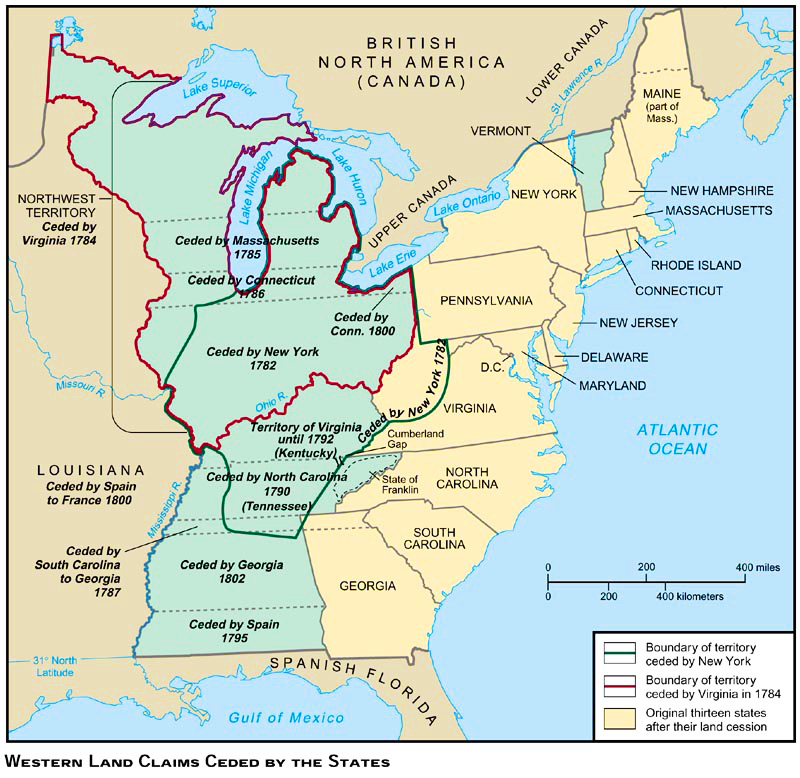
Venturing south and west, the landscape flattens into the Piedmont and coastal plain, bringing us into the vast and powerful confederacy of the Muscogee (Creek) Nation. In the 18th century, the Creek territories spanned much of present-day Alabama and Georgia, extending into parts of Florida. Unlike the singular Cherokee nation, the Creek were a complex alliance of towns, often divided into "Upper Towns" along the Alabama River and "Lower Towns" along the Chattahoochee and Flint Rivers. Their territories were defined less by rigid lines and more by the influence of their towns and the vast hunting grounds they controlled.
To trace their 18th-century influence, consider a road trip along the river systems of Alabama and Georgia. The Ocmulgee Mounds National Historical Park in Macon, Georgia, while primarily an earlier Mississippian site, lies within the heart of historical Creek territory and offers a profound connection to the ancient Indigenous occupation of the land. It’s a place where you can feel the deep layers of history beneath your feet. Further west, sites around Montgomery, Alabama, once a significant Creek area, hint at their historical presence. The 18th-century maps often show the "Creek Path" – a vast network of trade routes connecting their towns to European outposts like Augusta, Savannah, and Mobile. These paths were the arteries of their economy and diplomacy. Understanding these routes on a map gives a traveler insight into the strategic importance of river confluences and the vastness of their interconnected world. Modern-day Wetumpka, Alabama, for instance, was home to the important Upper Creek town of Coosa, a testament to their enduring presence. Visiting these areas with 18th-century maps in hand helps contextualize the European forts (like Fort Toulouse) that were strategically placed to engage with, and eventually dominate, Creek trade.
Moving west across Alabama into Mississippi, we enter the ancestral lands of the Choctaw and Chickasaw Nations. These were two distinct, powerful nations with long-standing presences in the lower Mississippi Valley. The Choctaw, known for their agricultural prowess and large towns, occupied a vast territory across central and southern Mississippi and parts of Alabama. The Chickasaw, renowned warriors, held lands primarily in northern Mississippi and western Tennessee.
A journey along the Natchez Trace Parkway offers an unparalleled opportunity to immerse oneself in these territories. This scenic parkway follows an ancient foot trail that connected the Mississippi River to Nashville, passing directly through Choctaw and Chickasaw lands. Along the Trace, interpretive markers and historic sites illuminate the Indigenous history. Near Jackson, Mississippi, the Canton Multipurpose Cultural Arts & Convention Center occasionally hosts exhibits on Choctaw history, while the Mississippi Band of Choctaw Indians maintains a vibrant presence and cultural center near Philadelphia, Mississippi. Further north, the Chickasaw homeland around Tupelo, Mississippi, offers sites like the Natchez Trace Parkway Visitor Center which has exhibits detailing their history. The 18th-century maps of this region are particularly fascinating, often depicting the "Choctaw Nation" as a densely populated area, sometimes showing individual towns, reflecting their strong presence and complex relationship with both French (to the west) and British (to the east) powers. The Chickasaw, often depicted on maps as a smaller, more strategically located nation, were known for their fierce independence and played a crucial role in the balance of power. A traveler contemplating these maps understands the sheer scale of these nations’ territories and the constant pressures they faced from colonial expansion.
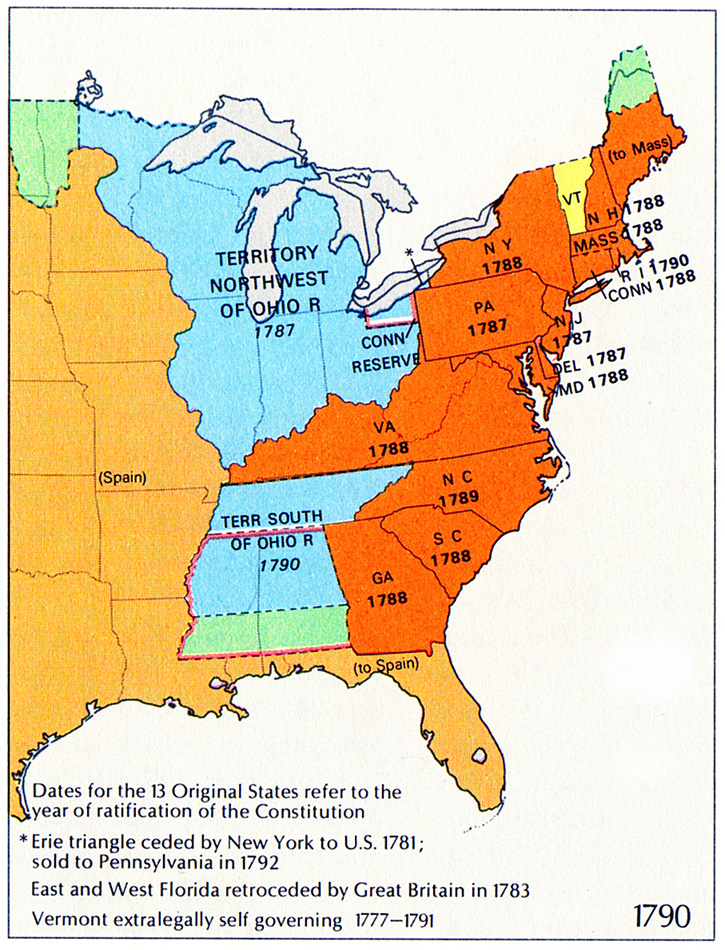
Finally, a dive into the swampy, subtropical expanse of Florida brings us to the territories of the Seminole Nation. While the Seminole as a distinct entity coalesced later in the 18th century from various Muscogee-speaking groups, runaway slaves, and other Native remnants, their story is deeply intertwined with the shifting territorial landscape of the era. Their lands, initially concentrated in northern and central Florida, gradually pushed south into the Everglades as pressure from American expansion mounted.
To understand 18th-century Seminole territorial origins, one would focus on areas like the Paynes Prairie Preserve State Park near Gainesville, Florida, an ancient prairie that was once a significant Seminole hunting ground and a nexus of interaction. As you travel south into the vast wetlands, particularly around the Everglades National Park, you are entering the heart of the later Seminole resistance. While the maps of the early 18th century might not explicitly delineate "Seminole" territory, they show the lands of the "Alachua" or "Oconee" groups, who would later become integral to the Seminole identity. These maps often highlight European forts like St. Augustine and Pensacola, serving as a reminder of the colonial pressures that reshaped Indigenous geographies in Florida. The Seminole cultural centers, like the Ah-Tah-Thi-Ki Museum on the Big Cypress Reservation, offer an invaluable contemporary perspective on their history and resilience, tying their origins back to those earlier territorial claims and migrations.
What these 18th-century maps, when viewed through a modern traveler’s lens, truly reveal is the incredible dynamism of Native American territories. They were not static, immutable lines on paper but living landscapes, shaped by trade, diplomacy, warfare, and cultural practice. The maps drawn by Europeans, while offering a glimpse, often fail to capture the intricate Indigenous knowledge systems that defined territory through oral traditions, seasonal movements, and spiritual connections to the land.
For the intrepid traveler, this historical mapping exercise transforms a mere road trip into an archaeological journey of the mind. It encourages a deeper engagement with the land, prompting questions: Where did this path lead? What treaty was signed near this river? What conflicts occurred over these hunting grounds? It demands a visit to tribal cultural centers and museums, not just as tourist stops, but as essential voices in understanding the enduring legacy of these nations.
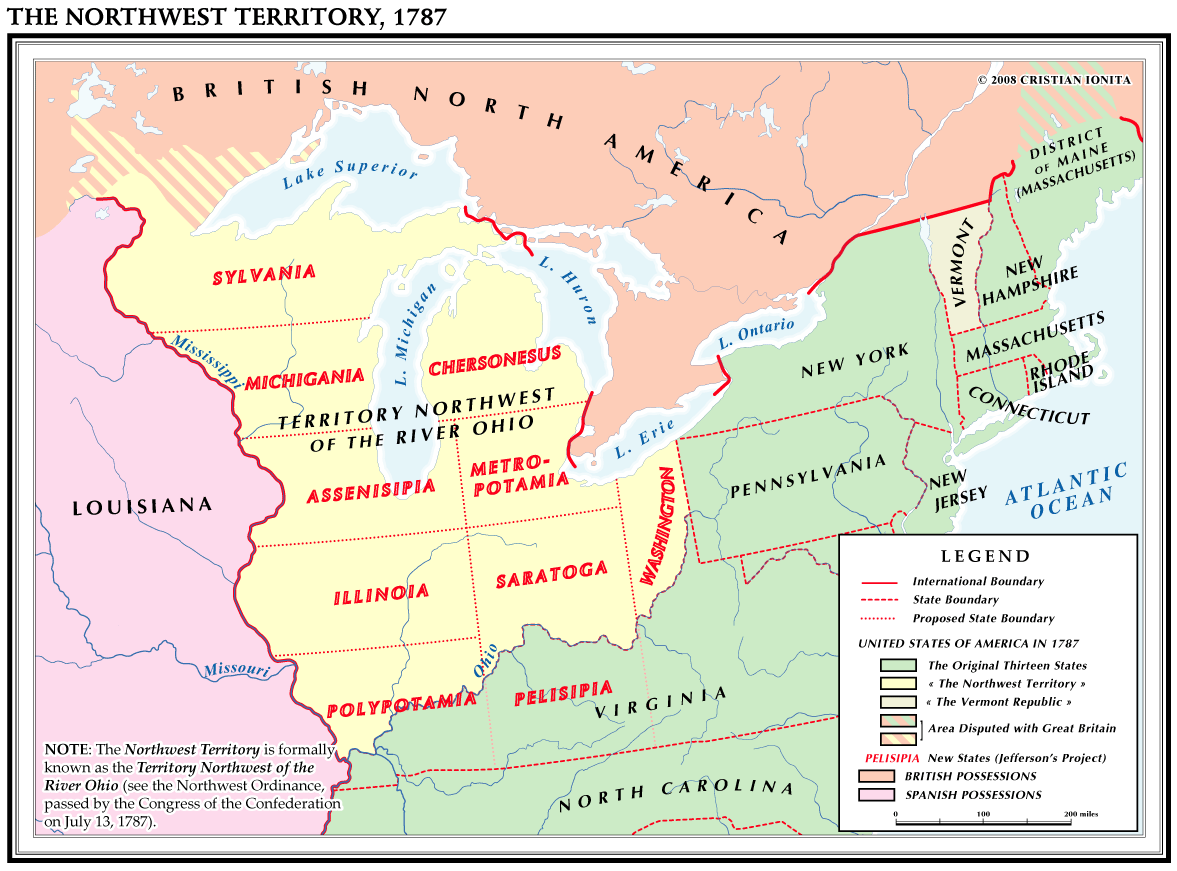
This journey is not without its complexities. The maps also tell a story of dispossession and forced removal. They are documents that reflect the inexorable march of colonial ambition, often showing the shrinking Indigenous domains as European settlements expand. Yet, by understanding these historical maps, a traveler gains profound respect for the resilience and persistence of Native American peoples, whose cultural and historical footprints remain indelibly marked on the land, despite centuries of challenge.
So, pack your bags, download some historical maps alongside your modern navigation apps, and set forth. Travel the American Southeast not just for its scenic beauty or charming towns, but as a living museum of 18th-century Native American tribal territories. It’s a journey that promises to enrich your understanding of American history, deepen your connection to the land, and offer a powerful testament to the enduring presence of Indigenous nations. This isn’t just travel; it’s a pilgrimage into the heart of a powerful, vibrant, and often overlooked past.


