Mesa Verde: A Journey into the Ancestral Puebloan Heart of the Southwest
To truly understand the profound history and enduring spirit of America, one must venture beyond the well-trodden paths and delve into the landscapes sculpted by its earliest inhabitants. Among the most awe-inspiring and culturally significant destinations is Mesa Verde National Park in southwestern Colorado, a UNESCO World Heritage site that offers an unparalleled window into the lives of the Ancestral Puebloan people. This isn’t just a collection of ruins; it’s an immersive experience, a silent conversation with a civilization that thrived for centuries, leaving behind architectural marvels etched into the very cliffs of the mesa.
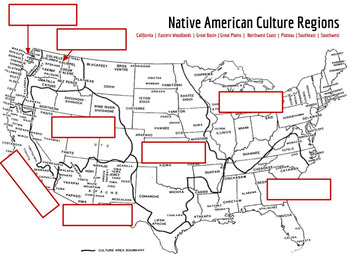
Mesa Verde, meaning "green table" in Spanish, rises majestically from the surrounding desert, a vast plateau covered in pinon-juniper forest. It’s a place where the air hums with ancient stories, where every canyon and rock overhang whispers tales of ingenuity, community, and an unbreakable connection to the land. For anyone interested in Native American cultural areas, Mesa Verde isn’t merely a point on a map; it’s the beating heart of the Ancestral Puebloan legacy, offering a tangible link to a past that shaped the very fabric of the American Southwest.
The Allure of the Mesa: More Than Just Ruins

What makes Mesa Verde so compelling? It’s the sheer audacity and artistry of its cliff dwellings. Imagine entire villages, intricately constructed with sandstone bricks and mortar, nestled precariously beneath massive rock overhangs, protected from the elements and hidden from view. These aren’t temporary shelters; they are multi-story complexes with hundreds of rooms, kivas (circular ceremonial chambers), and sophisticated defensive structures, all built without the aid of modern tools or even the wheel.
But Mesa Verde’s story isn’t just about the cliff dwellings. It’s a narrative of evolution, adaptation, and eventual departure. The park preserves a continuum of Ancestral Puebloan life, from the early pithouses built on the mesa top around 550 CE to the magnificent cliff dwellings constructed in the 13th century. This chronological progression allows visitors to trace the development of their culture, architecture, and agricultural practices, offering a comprehensive understanding of their sophisticated society.
Ascending the Mesa: A Glimpse into the Past
Our journey to Mesa Verde began with a winding ascent up the mesa’s steep slopes, a drive that immediately sets the tone for the adventure ahead. The landscape transforms from arid desert scrub to a lush, forested plateau, offering panoramic vistas that stretch for miles across the Four Corners region. The anticipation builds with every switchback, knowing that above, an ancient world awaits.

Upon reaching the mesa top, the new Visitor and Research Center serves as an essential starting point. Here, exhibits provide crucial context, displaying artifacts and explaining the history and culture of the Ancestral Puebloans. This is also where you’ll secure tickets for the ranger-guided tours of the major cliff dwellings – an absolute must for a truly immersive experience. These tours are highly popular, especially during peak season, so booking well in advance is non-negotiable. Without a tour, you can view many sites from overlooks, but nothing compares to stepping inside these ancient homes.
Mesa Top Exploration: The Genesis of a Civilization
Before descending into the canyons, it’s vital to explore the mesa top. The Far View Sites Complex, located just off the main road, offers a fascinating look at the earlier phases of Puebloan life. Here, you can walk among the remains of surface dwellings, kivas, and storage rooms, dating back to the 9th and 10th centuries. These sites demonstrate the transition from individual pit houses to more communal, above-ground structures, laying the groundwork for the later, more complex cliff dwellings.
The Square Tower House overlook provides a stunning first glimpse of a cliff dwelling from a distance, hinting at the wonders to come. Seeing it nestled so perfectly into the rock face, almost a natural extension of the canyon wall, is breathtaking. It’s a powerful reminder of the Puebloans’ profound understanding of their environment and their ability to integrate their architecture seamlessly with nature.

The Iconic Cliff Dwellings: Stepping into History
The true magic of Mesa Verde lies in its iconic cliff dwellings, primarily accessible via two scenic driving loops: the Mesa Top Loop and the Cliff Palace Loop. While the Mesa Top Loop offers numerous overlooks of various cliff dwellings, the Cliff Palace Loop leads to the trailheads for the ranger-guided tours of the most famous sites.
Our first ranger-guided tour took us to Cliff Palace, the largest and arguably most spectacular of the cliff dwellings. Descending a series of stone steps and ladders, the sheer scale of the site unfolds before you. With over 150 rooms and 23 kivas, it’s a sprawling, multi-tiered complex that housed approximately 100-120 people. Walking through its narrow passageways, ducking into ancient doorways, and peering into the circular kivas, one can almost hear the echoes of daily life: the grinding of corn, the chatter of children, the solemn chants of ceremonies. Our ranger’s insights brought the stones to life, explaining the sophisticated building techniques, the purpose of different rooms, and the social structure of the community. The craftsmanship, the precise stonework, and the sheer effort involved in constructing such a village in this challenging environment are truly humbling.
Next, we ventured to Balcony House, often considered the most adventurous tour. This site requires climbing a 32-foot ladder, crawling through a 12-foot tunnel, and ascending another series of hand- and toe-hold ladders. It’s a physical experience that rewards with an intimate encounter with a smaller, more defensible dwelling. The thrill of navigating these ancient access routes, imagining the daily lives of the Puebloans who scaled these same paths, adds an unforgettable dimension to the visit. Balcony House feels more secretive, more hidden, and offers a unique perspective on the defensive strategies employed by the Ancestral Puebloans.
For those with more time, a visit to Wetherill Mesa (seasonal access, often via shuttle bus) offers a different perspective. Here, you can take a ranger-guided tour of Long House, the second-largest cliff dwelling in the park, which often feels less crowded than Cliff Palace. Wetherill Mesa also offers the opportunity for hiking to various overlooks and other smaller sites, providing a quieter, more reflective experience.
Beyond the Structures: Nature and Reflection

Mesa Verde is not just an archaeological site; it’s a vibrant natural landscape. Between tours, or for those seeking a different kind of immersion, the park offers hiking trails that allow you to connect with the mesa’s environment. The Spruce Canyon Trail, for example, descends into the canyon below Spruce Tree House (the third-largest cliff dwelling, currently closed for tours but visible from an overlook), offering a different perspective of the landscape that sustained these ancient people. The Petroglyph Point Trail (check for current accessibility) provides an opportunity to see ancient rock art, further illustrating the rich cultural tapestry of the region.
As the sun begins its descent, casting long shadows across the canyons and illuminating the cliff dwellings in a golden glow, the park transforms. This is a magical time for photography and for quiet contemplation. The silence of the mesa, broken only by the rustling of leaves or the call of a bird, allows for a deeper connection to the place. One can ponder the mystery of their departure around 1300 CE – a migration likely driven by a combination of drought, resource depletion, and possibly social or spiritual factors. While their reasons for leaving remain somewhat enigmatic, their legacy lives on, not just in the stones, but in the vibrant Pueblo communities of today, who trace their ancestry directly to these ingenious people.
Respecting the Past, Preserving the Future
Visiting Mesa Verde is a privilege, and it comes with a responsibility to respect both the archaeological sites and the cultural heritage they represent. The park emphasizes the importance of "Leave No Trace" principles, ensuring that these invaluable resources are preserved for future generations. It’s also crucial to remember that the Ancestral Puebloans are not a vanished people; their descendants, the modern Pueblo tribes, continue to thrive throughout the Southwest, carrying on traditions and maintaining a deep connection to their ancestral lands. Our visit should be an act of reverence, acknowledging their enduring legacy and the profound wisdom embedded in their history.
Practical Tips for Your Journey:
- Best Time to Visit: Spring (April-May) and Fall (September-October) offer pleasant weather and fewer crowds. Summer (June-August) has full access to all tours and services but can be hot and crowded. Winter offers a serene, snow-dusted landscape but limited access.
- Accommodation: The Far View Lodge, located within the park, offers convenient lodging with stunning views. Alternatively, the nearby towns of Cortez and Mancos provide a range of hotels, motels, and campgrounds.
- Food: The Far View Terrace offers casual dining within the park. Picnic areas are also available.
- What to Bring: Essential items include plenty of water, sunscreen, a wide-brimmed hat, sturdy hiking shoes, binoculars for distant views, and a camera. Dress in layers, as mesa weather can change quickly.
- Tour Reservations: Absolutely critical, especially for Cliff Palace and Balcony House. Book well in advance via the Recreation.gov website. Tickets are not sold at the Visitor Center.
- Accessibility: Many cliff dwelling tours involve ladders, steep stairs, and uneven terrain. Check the park’s website for specific accessibility information for each tour and overlook.
A Lasting Impression
Mesa Verde National Park is more than just a tourist destination; it is an educational journey, a spiritual awakening, and a profound connection to America’s deep, ancient past. It challenges our perceptions of early civilizations and celebrates the ingenuity, resilience, and artistic spirit of the Ancestral Puebloan people. As you stand among the silent stones, gazing out at the vast, timeless landscape, you can’t help but feel the weight of history and the enduring power of human connection to place. It’s an experience that will stay with you long after you’ve descended from the green table, leaving an indelible mark on your understanding of Native American culture and the rich tapestry of the American story.

