
Mapping the Past, Navigating the Present: An Unforgettable Journey Through the Fur Trade’s Hidden Waters
Forget your GPS. Before satellites and Google Earth, before even the most rudimentary European surveys, there were maps born of bark, hide, and memory – intricate cartographies crafted by Native American hands, guiding traders through the vast, untamed wilderness of North America. These weren’t just lines on a page; they were stories, survival guides, and vital records of a sophisticated network that shaped a continent. Today, as a travel blogger constantly seeking the untold narratives woven into our landscapes, I’ve embarked on a journey to explore a place where these ancient maps truly come alive: the Great Lakes region, with a particular focus on the historical nexus of Mackinac Island, Michigan.
This isn’t just a trip for history buffs; it’s an immersive experience for anyone craving a deeper connection to the land and the often-overlooked indigenous ingenuity that facilitated one of history’s most lucrative, and transformative, global trades.
Beyond the Written Word: The Power of Native American Maps
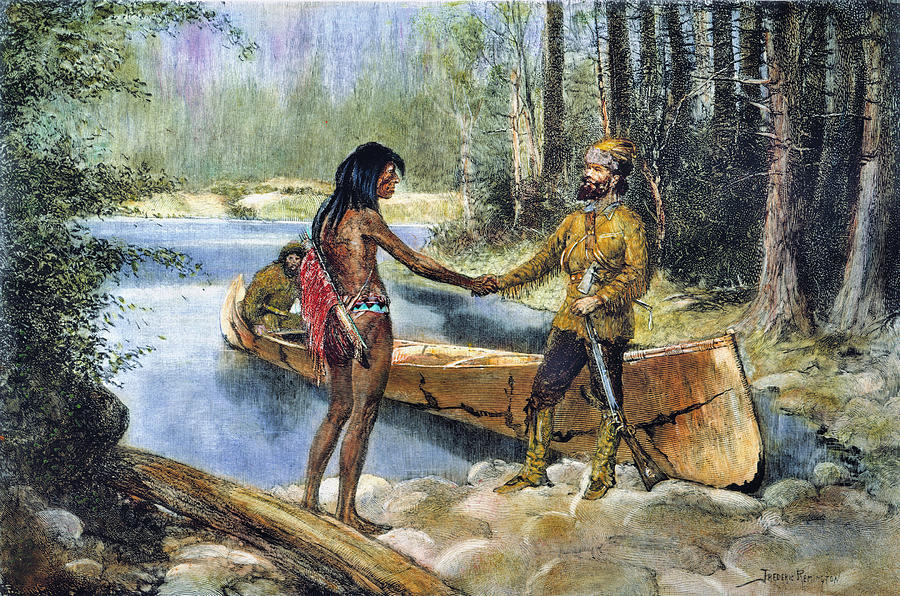
Imagine a time when the "roads" were rivers, and the "landmarks" were ancient trees, specific rock formations, or a certain bend in a stream. This was the world of the fur trade. While European explorers often stumbled blindly or relied on captured guides, Native American communities possessed an unparalleled understanding of the continent’s intricate waterways, portage routes, resource locations, and tribal territories. Their maps, often drawn on birchbark, deerskin, or even in sand, were fluid, dynamic, and incredibly accurate.
Unlike the grid-based, territorial focus of European cartography, Native maps prioritized utility and experience. They highlighted crucial portages where canoes had to be carried overland, denoted prime hunting or fishing grounds, marked dangerous rapids, and sometimes even conveyed spiritual significance or historical events. These were living documents, passed down through generations, embodying an intimate relationship with the land that European newcomers could only dream of. Without these indigenous guides and their unparalleled knowledge – literally mapped out – the fur trade, dominated by French, British, and later American interests, simply would not have thrived.
This profound realization is the bedrock of our journey. We’re not just looking at historical sites; we’re trying to see the landscape through the eyes of those who mapped it first.
Mackinac Island: The Beating Heart of a Continental Trade
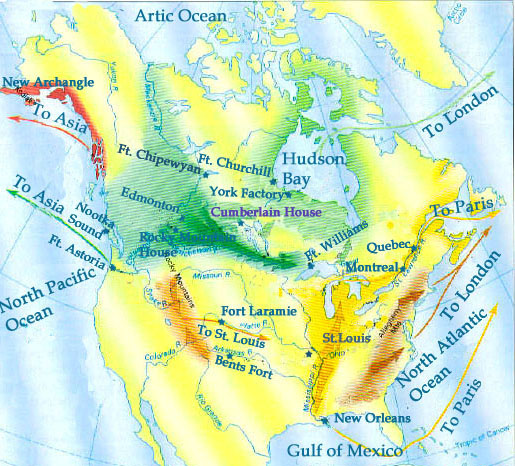
Our ultimate destination, and the focal point of this exploration, is Mackinac Island. Perched strategically in the straits between Lake Huron and Lake Michigan, this small island was not just a trading post; it was a grand central station, a diplomatic hub, and a cultural melting pot for centuries. From the late 17th century through the mid-19th century, Mackinac served as the undisputed epicenter of the Great Lakes fur trade. Its location was paramount, allowing easy access to the vast networks of rivers and lakes that stretched west to the Mississippi, north to Lake Superior, and east to the Atlantic.
Stepping onto Mackinac Island today feels like stepping back in time. With no cars allowed, horse-drawn carriages and bicycles are the primary modes of transport, immediately setting a slower, more contemplative pace. This anachronistic charm is more than just a tourist gimmick; it forces you to engage with the island’s history on a more visceral level. You walk the same paths, feel the same breezes, and hear the same lapping waters that generations of fur traders, Native American hunters, voyageurs, and soldiers experienced.
Experiencing the Past: From Birchbark to Boardrooms
To truly appreciate the significance of Native maps in this region, you must immerse yourself in the remnants of the fur trade. Mackinac offers unparalleled opportunities:
-
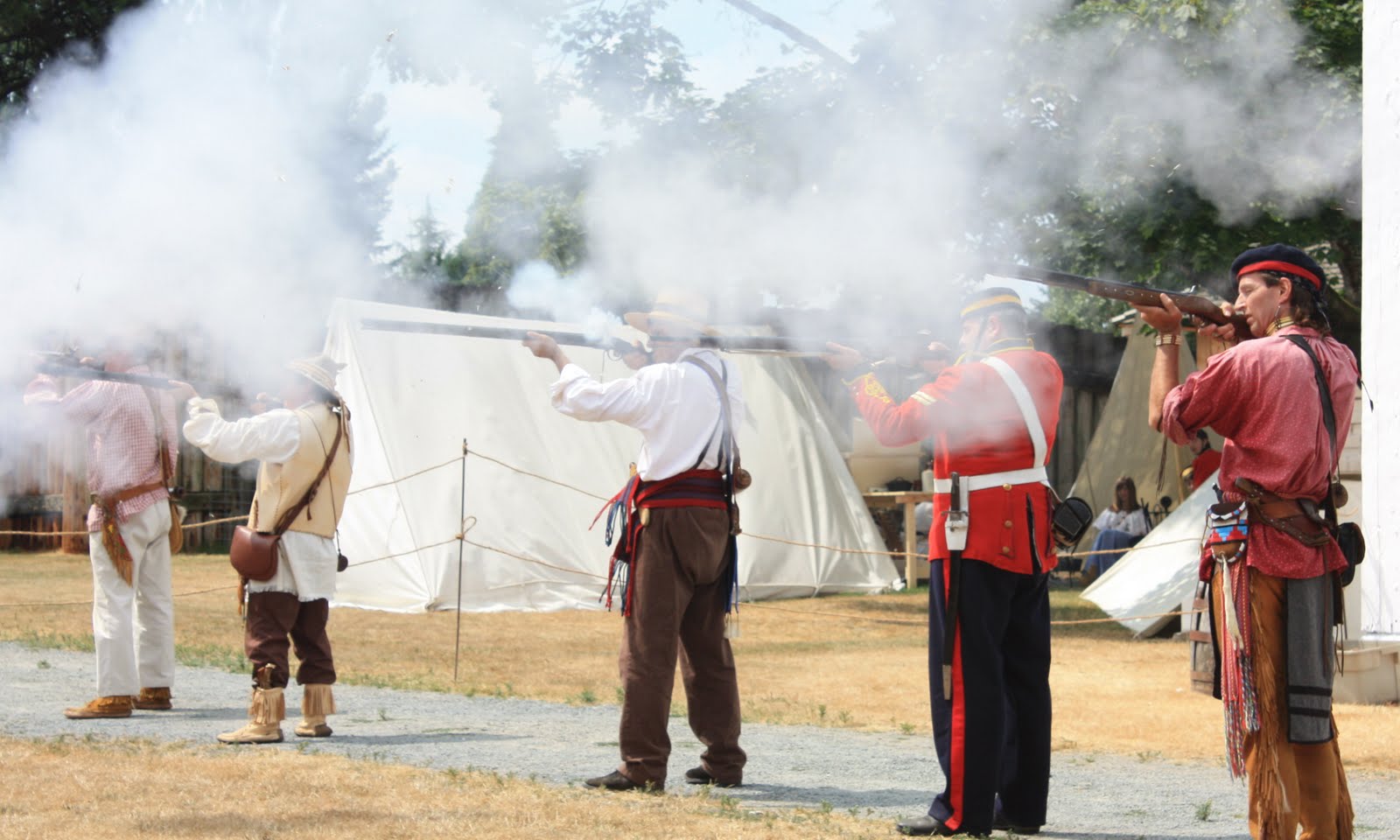
Colonial Michilimackinac (on the mainland, just across the ferry): This reconstructed 18th-century fort and fur trading village is an essential starting point. Here, you can witness living history demonstrations of daily life, interact with costumed interpreters, and gain a tangible sense of the bustling, often chaotic, atmosphere of a major trading post. You’ll see the types of trade goods exchanged (beads, blankets, metal tools for beaver pelts), learn about the different roles – from the French voyageurs paddling canoes laden with goods to the Native American families bringing their furs. It’s here that you begin to visualize how critical Native expertise, including their maps of hunting territories and canoe routes, was to the entire operation. Imagine a European trader, newly arrived, trying to navigate this complex economy without the indigenous knowledge of where the beavers were, how to reach them, and what dangers lay on the journey. It was unthinkable.
-
Fort Mackinac (Mackinac Island): While primarily a military fort, its strategic importance was inextricably linked to controlling the fur trade. Explore the barracks, the officer’s quarters, and the parade grounds. From its ramparts, you gain a panoramic view of the straits, a breathtaking expanse of water that was once the superhighway of the fur trade. Standing here, you can almost trace the invisible lines of those ancient Native American maps, visualizing the water routes leading from the distant trapping grounds of the Ojibwe, Odawa, and Potawatomi peoples, converging on this very spot. The fort represents the colonial power attempting to control the trade, but it was the indigenous communities who understood and facilitated it.
-
The American Fur Company Store & Richard and Jane Manoogian Mackinac Art Museum (Mackinac Island): Delve into the commercial side of the trade at the reconstructed American Fur Company Store. This was John Jacob Astor’s empire, one of the wealthiest men in America, built largely on the back of the fur trade. The museum often features exhibits that touch upon the cultural exchange and impact of the fur trade, sometimes showcasing reproductions or interpretations of Native American maps or the tools used in their creation. While these might not be the original fragile artifacts, the context provided allows you to understand their function and importance within this commercial ecosystem. You begin to grasp how European map-makers often incorporated – and sometimes appropriated – Native American geographical knowledge into their own "official" charts.
-
Exploring the Island’s Natural Beauty: Beyond the historical structures, Mackinac Island itself is a testament to the landscape that inspired these early maps. Rent a bike and cycle the eight-mile perimeter road. You’ll pass Arch Rock, Sugar Loaf, and other natural formations that would have been key landmarks on any indigenous map of the area. As you paddle a kayak along the shore, you feel the gentle currents that were once crucial highways. It’s in these moments of quiet observation that the ancient maps transition from abstract concepts to tangible realities. You understand why a map might highlight a sheltered cove for landing canoes, or a high bluff for observation.
The Broader Canvas: Other Fur Trade Gems
While Mackinac Island provides an exceptional concentrated experience, the journey to understand Native American maps and the fur trade extends across the Great Lakes. Consider these other significant locations to round out your adventure:
-
Grand Portage National Monument (Minnesota): This is another iconic site, a crucial nine-mile portage connecting Lake Superior to the Pigeon River, opening up routes to the vast Canadian interior. Operated by the North West Company, it was a gathering place for voyageurs and Ojibwe traders. The visitor center and reconstructed trading post vividly illustrate the scale and logistics of the trade, further emphasizing the reliance on indigenous knowledge for navigation and survival in this rugged terrain. Here, the "maps" were not just static drawings but routes etched into the very landscape by countless footsteps and paddle strokes.
-
Sault Ste. Marie (Michigan/Ontario): At the nexus of Lake Superior and Lake Huron, the "Soo" was another vital trading hub for centuries, particularly for the Ojibwe (Anishinaabe) people who had long used the rapids for fishing. Visiting both sides of the modern Sault allows you to connect with the deep indigenous history of the area, predating European contact by millennia. The very existence of this trading post was built on the indigenous knowledge of its strategic location and abundant resources.
A Call to Responsible Exploration
This journey isn’t just about admiring old maps; it’s about understanding a complex, often fraught, period of history through a different lens. It’s about recognizing the profound contributions of Native American communities, not just as suppliers of furs, but as sophisticated geographers, diplomats, and economic partners. It’s about acknowledging their enduring connection to these lands, a connection often overlooked in mainstream historical narratives.
As you explore these sites, seek out information presented from indigenous perspectives. Visit tribal cultural centers if available. Support local Native American artists and businesses. Remember that the "past" isn’t always past; indigenous communities continue to thrive in these regions, carrying on traditions and knowledge.
So, pack your bags, leave your modern maps behind (metaphorically, of course – a good physical map of the area is always wise!). Come to the Great Lakes, come to Mackinac Island, and embark on a journey that will not only connect you to the history of the fur trade but will also reveal the incredible, unsung legacy of Native American cartography – a legacy that continues to echo in the whispers of the wind and the lapping of the waters, waiting for you to discover it. This isn’t just a trip; it’s an awakening to the power of indigenous knowledge that literally mapped a continent.

