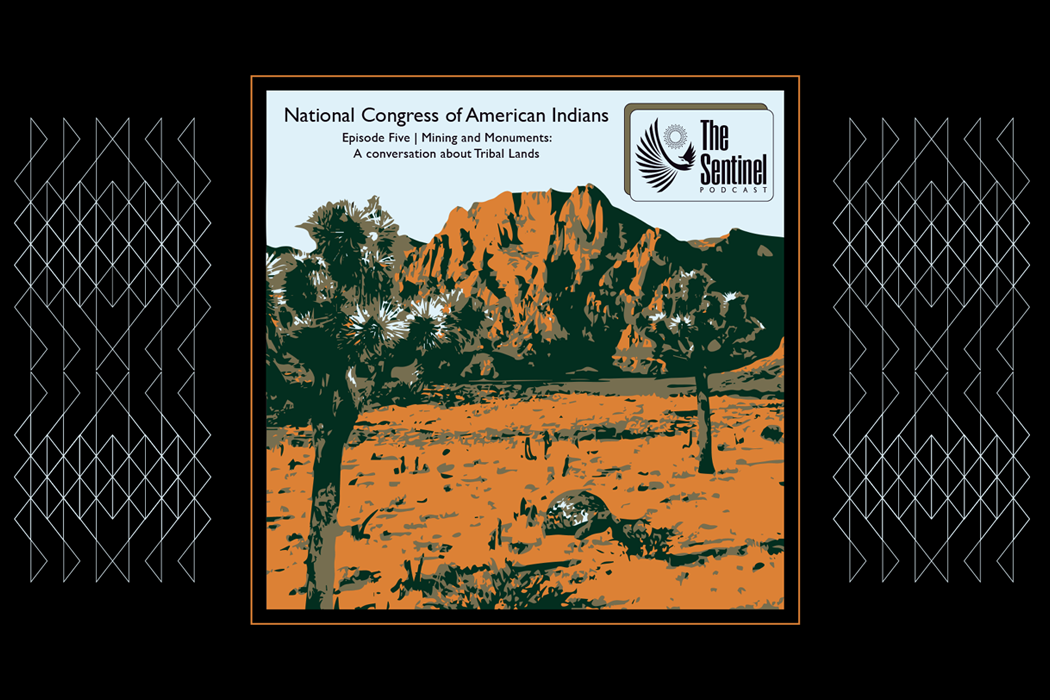
Mapping Resilience: Native American Perspectives on Mining and the Sacred Geography of Tribal Lands
Forget the glossy brochures and the well-trodden paths. True travel often means journeying into the unseen, understanding the layers beneath the surface, and listening to the stories the land itself holds. For those seeking a profound connection with North America’s indigenous heritage, there’s a unique and powerful "map" to explore – not one of trails and scenic overlooks, but one drawn from centuries of stewardship, overlaid with the stark realities of resource extraction, and illuminated by an enduring spirit of resistance: Native American maps of mining operations on tribal lands.
This isn’t a physical destination you can pinpoint with GPS. Rather, it’s an immersive understanding of places like the Navajo Nation, the Hopi mesas, the Ute lands, and countless other indigenous territories across the continent. It’s an intellectual and emotional journey into a landscape where the earth’s bounty has become both a blessing and a curse, and where the act of mapping itself transforms from a mere geographical exercise into a powerful tool for cultural preservation, environmental justice, and sovereign self-determination.
The Land as Palimpsest: A Different Kind of Cartography

To understand Native American maps of mining, we must first appreciate the fundamental difference in indigenous cartography. Traditional Native American mapping wasn’t about straight lines, fixed boundaries, or resource inventories for exploitation. It was a dynamic, relational understanding of place, often transmitted through oral histories, songs, ceremonies, and intricate storytelling. These maps embedded sacred sites, migration routes, hunting grounds, seasonal cycles, and the very identity of a people within a living, breathing landscape. The land wasn’t merely property; it was a relative, a teacher, a source of spiritual power, and a repository of ancestral memory.
When the colonial gaze turned to these lands, it brought a different kind of map – one of division, conquest, and resource quantification. With the advent of industrial mining, this new cartography began to literally redraw the indigenous world, replacing sacred geography with extraction sites, open pits, tailings ponds, and toxic plumes. What resulted was a palimpsest: the ancient, sacred map of indigenous knowledge overlaid by the brutal, scarring lines of mining operations.
The Scars Beneath the Surface: A History of Extraction
The history of mining on tribal lands is long, complex, and often tragic. From the copper mines of the Anishinaabeg in the Great Lakes to the gold rushes in California, indigenous peoples have witnessed their lands transformed and their communities impacted by the relentless pursuit of valuable minerals. However, the post-World War II era brought an unparalleled boom, particularly in uranium and coal, driven by the Cold War and the nation’s energy demands.

Uranium on the Navajo Nation: The Four Corners region, particularly the vast Navajo Nation (Diné Bikeyah), became ground zero for uranium mining in the mid-20th century. With little regulation and even less regard for the health of the indigenous workforce, thousands of Navajo men mined uranium for the U.S. nuclear weapons program. The legacy is devastating: an estimated 500 abandoned uranium mines, contaminated water sources, high rates of cancer and respiratory illnesses among former miners and their families, and a landscape pockmarked with radioactive waste. The traditional Navajo map, once guiding ceremonies and sheep herding, now features invisible but deadly pathways of radiation.
Coal on Black Mesa: The Black Mesa region, sacred to both the Hopi and Navajo people in Arizona, became a major coal-mining hub. For decades, Peabody Energy operated massive strip mines, extracting coal for power plants and, controversially, utilizing vast quantities of precious groundwater through a process called "slurry pipelining." This not only depleted ancient aquifers but also disturbed burial grounds and sacred sites, further fracturing the deep connection between the people and their ancestral lands. The once-pristine springs, vital for agriculture and ceremony, dried up, and the very ground beneath their feet was literally removed.
These are just two prominent examples, but similar stories echo across indigenous territories: copper mining in Arizona (Apache, Tohono O’odham), coal in Montana (Crow, Northern Cheyenne), gold in the Black Hills (Lakota), and rare earth minerals across the West. In each instance, the promise of economic development often came at an unbearable cost: environmental degradation, cultural desecration, and profound health crises.
Indigenous Mapping as Resistance and Reclamation
In response to this onslaught, Native American communities have transformed the act of mapping into a powerful tool for resistance, advocacy, and reclamation. These aren’t just academic exercises; they are vital strategies for survival and self-determination.
Documenting the Damage: Indigenous mappers, often working with tribal environmental departments, universities, and non-profit organizations, are creating highly detailed maps of mining’s impact. These maps pinpoint abandoned mine sites, track groundwater contamination plumes, identify radiation hotspots, and document the presence of toxic waste. They are crucial for assessing the true scale of environmental damage, advocating for cleanup funds, and holding corporations and governments accountable. These maps literally make the invisible threats visible.
Asserting Sacred Geography: Beyond the scientific data, indigenous mapping reasserts the sacred geography that colonial maps sought to erase. These maps identify culturally significant sites – burial grounds, ceremonial spaces, traditional plant gathering areas, and ancestral pathways – that are threatened or have been destroyed by mining. By mapping these sacred places, communities can advocate for their protection, challenge proposed developments, and educate outsiders about the profound spiritual and cultural value of their lands, far beyond any mineral beneath the surface.
Challenging "Consultation": Federal laws often require "consultation" with tribal nations before development on or near their lands. However, this often falls short of meaningful consent. Indigenous maps, grounded in community knowledge and oral histories, provide irrefutable evidence of the deep historical and cultural connections to the land, offering a powerful counter-narrative to corporate proposals that prioritize profit over people and planet. They demonstrate that consultation must extend beyond a mere checklist to genuine respect for sovereign rights and indigenous ways of knowing.
Planning for the Future: Indigenous mapping is not just about documenting past harms; it’s about envisioning and planning for a healthier future. These maps are used to identify areas for environmental remediation, plan sustainable economic development that aligns with cultural values, and guide land-use policies that prioritize ecological restoration and community well-being. They become blueprints for healing, not just geographically but culturally and spiritually.
Digital Cartography and Indigenous Knowledge: The advent of GIS (Geographic Information Systems) and digital mapping technologies has revolutionized this work. Indigenous communities are leveraging these tools to combine traditional ecological knowledge with modern scientific data. This fusion creates incredibly rich, multi-layered maps that are both scientifically robust and culturally resonant, enabling communities to tell their stories in powerful, undeniable ways. These digital maps are also crucial for educating younger generations within their own communities about their ancestral lands and the ongoing struggles for their protection.
The Traveler’s Lens: Engaging with This Profound Landscape
For the conscientious traveler, understanding Native American maps of mining operations isn’t about visiting a "site" in the conventional sense. It’s about approaching indigenous lands with a heightened awareness, a commitment to learning, and a profound respect for the ongoing struggles and resilience of Native peoples. It’s about recognizing that every landscape has a story, and some stories are etched in pain but also in incredible strength.
How to Engage Respectfully:
- Educate Yourself Before You Go: Before visiting any tribal land, research its history, its people, and the issues they face. Seek out resources from indigenous voices – books, documentaries, tribal websites, and cultural centers. Learn about the specific mining legacies in the regions you plan to visit.
- Visit Tribal Museums and Cultural Centers: These institutions are invaluable resources for understanding indigenous perspectives. Many have exhibits that touch upon land use, environmental issues, and the impact of resource extraction, often told directly by community members. The Navajo Nation Museum in Window Rock, Arizona, or the Hopi Cultural Center on Second Mesa, for example, offer deep insights.
- Support Indigenous-Led Initiatives: Look for non-profit organizations, environmental justice groups, or tribal programs that are working on mine cleanup, water protection, or cultural preservation. Your financial support, even if small, can make a tangible difference.
- Listen to Indigenous Voices: If you have the opportunity to attend public gatherings, cultural events (where appropriate), or listen to talks by tribal elders or community leaders, do so with an open mind and heart. Their oral histories are living maps.
- Respect Tribal Sovereignty: Remember that tribal lands are sovereign nations. Adhere to all rules and regulations, ask for permission before venturing into certain areas, and understand that some places are sacred and not open to the public. Never trespass on private or culturally sensitive lands.
- Be a Conscious Consumer: Reflect on where the minerals in your electronics, your energy, and your jewelry come from. Understanding the global supply chain can help connect you to these issues on a deeper level.
- Recognize the Ongoing Nature of the Struggle: The impacts of mining are not historical artifacts; they are ongoing realities for many communities. Engage with the present-day efforts towards justice and healing.
This journey into Native American maps of mining operations is not for the faint of heart. It requires confronting uncomfortable truths about industrial expansion, colonial legacies, and environmental injustice. But it also reveals an extraordinary resilience, a profound connection to the land, and a powerful vision for a future where indigenous knowledge guides the path to healing. By understanding these unseen maps, we can become more informed travelers, more compassionate citizens, and more effective allies in the ongoing struggle for environmental justice and indigenous sovereignty. The real adventure isn’t just seeing the landscape; it’s understanding the stories it holds, and recognizing the strength of those who continue to map their way forward.

