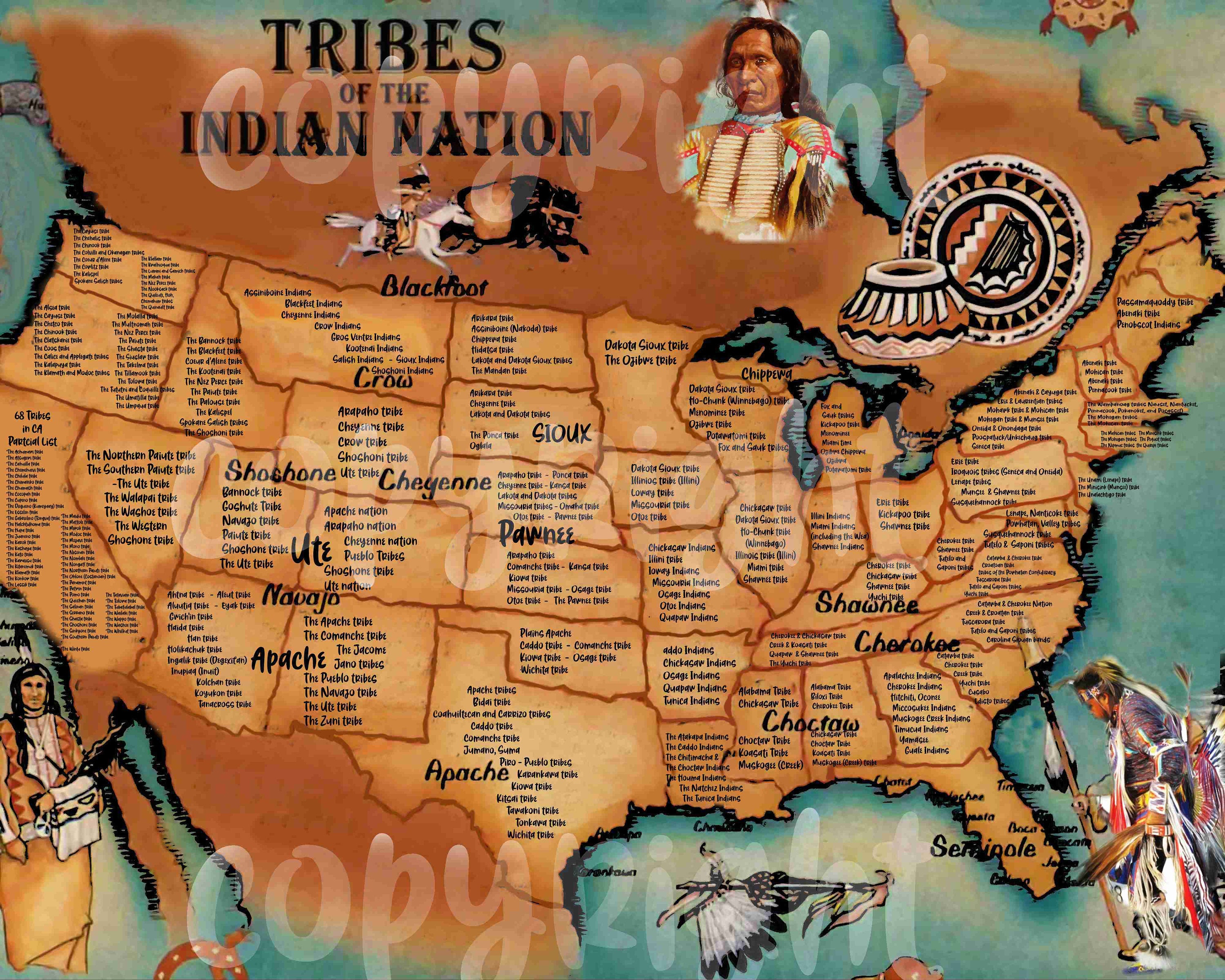
Unveiling Resilience: A Journey Through the Map of Native American Youth Programs
Beyond mere cartography, the "Map of Native American Youth Programs" is a vibrant tapestry woven from history, identity, and an unyielding spirit of resilience. It is not just a collection of pins on a digital landscape; it is a profound declaration of self-determination, a testament to the enduring strength of Indigenous cultures, and a guidepost for the future of Native youth across North America. For the discerning traveler and the dedicated student of history, understanding this map is to grasp the living pulse of Indigenous nations – their past struggles, their present triumphs, and their hopeful horizon.
The Map: A Window into Vitality
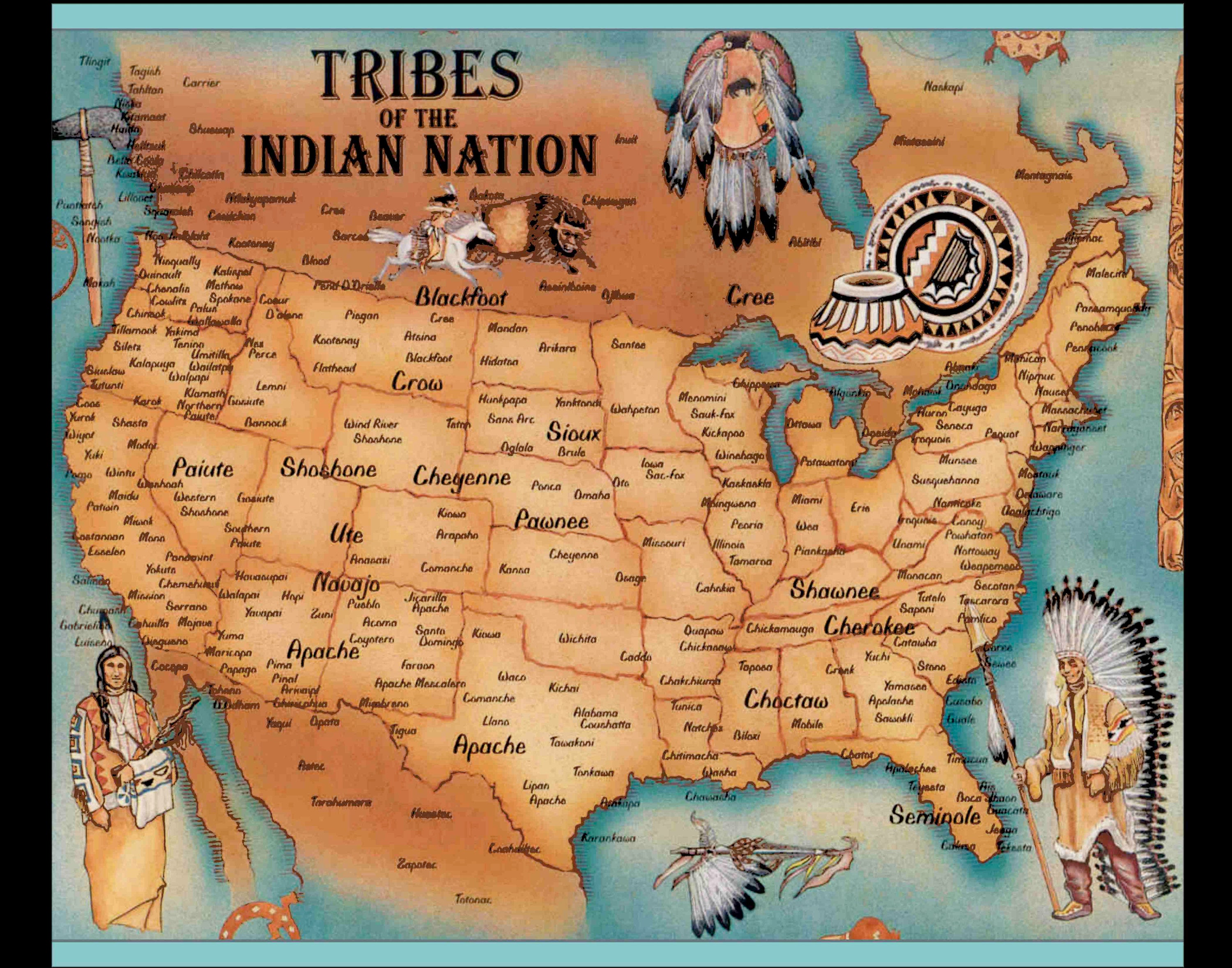
At first glance, the map presents a geographical distribution of initiatives: after-school programs, summer camps, cultural workshops, leadership academies, and educational centers. Each pin represents a community’s investment in its most precious resource: its children. But to interpret this map solely on its spatial data is to miss its deeper narrative. It charts the deliberate efforts to revitalize languages, preserve traditional ecological knowledge, foster intergenerational connections, heal historical trauma, and equip young people with the skills and confidence to thrive in both their cultural worlds and the broader contemporary society. It visualizes the active process of cultural transmission, a direct counter-narrative to centuries of attempted erasure.
Echoes of the Past: The Genesis of Necessity
To truly appreciate the significance of these programs, one must first confront the historical landscape that necessitated their creation. Before the advent of colonial powers, Indigenous youth across the continent were educated within robust, community-centric systems. Knowledge was passed down orally, through ceremonies, apprenticeships, and direct engagement with the land. Identity was intrinsically linked to family, clan, nation, and a profound spiritual connection to the natural world. Children were active participants in their communities, learning skills essential for survival, governance, and cultural continuity.
The arrival of Europeans shattered these systems. Decades, then centuries, of disease, warfare, forced displacement, and treaty violations devastated Native populations and fractured their social structures. The most devastating assault on Indigenous identity, however, came through policies of forced assimilation, most notably the residential or boarding school system. From the late 19th century through much of the 20th, tens of thousands of Native children were forcibly removed from their families and communities, often sent hundreds or thousands of miles away to institutions designed to "kill the Indian, save the man."
In these schools, children were stripped of their names, languages, traditional clothing, and cultural practices. They were subjected to harsh discipline, forced labor, and widespread abuse – physical, emotional, and sexual. The explicit goal was to eradicate their Indigenous identity and replace it with a Euro-American one. This systemic cultural genocide created intergenerational trauma that continues to impact Native communities today, manifesting in higher rates of poverty, substance abuse, mental health crises, and the erosion of cultural knowledge.

The youth programs mapped today are a direct, powerful response to this history. They represent a collective act of reclamation and healing. Where boarding schools sought to sever connections, these programs seek to forge them anew – connections to language, land, elders, and a proud cultural heritage.
Reclaiming Identity: The Core of the Programs
The various programs highlighted on the map are not homogenous; they reflect the incredible diversity of the more than 574 federally recognized tribes in the United States alone, each with unique languages, customs, and histories. However, common threads of identity and resilience run through them all:
-
Language Revitalization: Language is the bedrock of culture. Many Indigenous languages were brought to the brink of extinction by assimilation policies. Youth language immersion camps, after-school classes, and mentorship programs are crucial in reversing this trend. Learning their ancestral language connects youth directly to their heritage, allowing them to access traditional stories, ceremonies, and ways of thinking that are embedded within the linguistic structure itself. It fosters a profound sense of belonging and cultural pride.
-
Traditional Arts and Crafts: From weaving and pottery to beadwork, carving, and traditional music and dance, these art forms are not merely decorative; they are living expressions of cultural identity, history, and spiritual beliefs. Programs teaching these skills provide tangible links to ancestors, allowing youth to understand their place in a continuous artistic and cultural lineage. They also serve as powerful mediums for storytelling and community building.
-
Land Stewardship and Traditional Ecological Knowledge (TEK): For Indigenous peoples, land is not just property; it is a relative, a provider, and a teacher. Many youth programs focus on reconnecting young people with their ancestral lands through activities like traditional hunting, fishing, gathering, farming, and environmental conservation. This fosters an understanding of TEK – sophisticated knowledge systems developed over millennia of observing and interacting with specific ecosystems. It instills a sense of responsibility, identity tied to place, and a commitment to protecting the environment for future generations.
-
Leadership and Mentorship: Many programs are designed to cultivate future leaders. Elders and community leaders mentor youth, sharing wisdom, life skills, and the responsibilities of community governance. These programs empower young people to navigate the challenges of the modern world while remaining grounded in their cultural values, fostering self-confidence and a sense of agency.
-
Health, Wellness, and Healing: Recognizing the ongoing impact of historical trauma, many programs integrate traditional healing practices, culturally sensitive counseling, and activities that promote mental, emotional, and physical well-being. Connecting youth to traditional foods, ceremonies, and community support networks helps build resilience and provides culturally relevant coping mechanisms.
-
Academic and STEM Support: While rooted in culture, these programs also equip youth for contemporary success. Many offer academic tutoring, college preparation, and STEM (Science, Technology, Engineering, Math) education, often integrating Indigenous perspectives and knowledge systems into these fields. This ensures that Native youth are not only culturally grounded but also academically competitive, prepared to contribute to their communities and the world at large.

Building Bridges, Forging Futures
The map illustrates not just the individual efforts of tribes but a broader movement of cultural resurgence. These programs are vital in addressing contemporary challenges faced by Native youth, including high rates of poverty, limited access to resources, the ongoing impact of discrimination, and the struggle to maintain cultural relevance in a globalized world. By providing safe spaces, positive role models, and a strong cultural foundation, these initiatives contribute significantly to improved educational outcomes, higher self-esteem, reduced rates of substance abuse, and stronger community bonds.
Crucially, these programs are often community-led and tribally administered, reflecting the principle of sovereignty and self-determination. They are not external impositions but organic expressions of Indigenous communities taking charge of their own futures, defining what success means on their own terms, and nurturing the next generation in ways that are culturally appropriate and deeply meaningful.
For the Traveler and the Learner
For those interested in ethical travel and meaningful historical education, the "Map of Native American Youth Programs" offers invaluable insights. It challenges monolithic stereotypes of Native Americans, revealing the dynamic, diverse, and forward-looking nature of Indigenous communities.
- Learn and Listen: Before visiting any Indigenous community or engaging with Native issues, take the time to learn about the specific tribe or nation whose ancestral lands you are on. Understand their history, their contemporary challenges, and their sovereignty. Many tribes have cultural centers or museums that offer authentic educational experiences.
- Support Ethically: While direct participation in most youth programs is reserved for tribal members, understanding their existence underscores the importance of supporting Indigenous-led initiatives. This could involve purchasing authentic Native art, supporting Native-owned businesses, or donating to reputable Native non-profits (after thorough research).
- Respect and Reciprocity: Approach with humility and respect. Recognize that Native lands and cultures are not tourist attractions to be consumed but living, breathing entities with deep spiritual significance. Seek permission, respect privacy, and engage with a spirit of reciprocity – asking what you can offer, not just what you can gain.
- Challenge Misinformation: Use your knowledge to counter stereotypes and misinformation about Native peoples. Advocate for accurate representation in education, media, and public discourse.
Conclusion
The "Map of Native American Youth Programs" is not merely a collection of data points; it is a living testament to an enduring spirit. It charts a course through a complex history of dispossession and trauma, leading to a present defined by resilience, cultural resurgence, and unwavering hope. Each pin on that map represents a seed of traditional knowledge replanted, a language revived, a young leader empowered, and an identity reaffirmed. For anyone seeking a deeper understanding of North America’s Indigenous peoples, this map is an essential guide – illustrating not just where programs exist, but where the heart of Native America beats strongest: in the hands and voices of its children, shaping a future deeply rooted in the wisdom of the past.

