
Echoes of the Past, Voices of the Present: A Journey Through Native American Lands Near Rainy River
The Rainy River, a tranquil ribbon of water that delineates a segment of the Canada-United States border between Minnesota and Ontario, is more than just a geographical marker. It is a living tapestry woven with the enduring histories, profound identities, and resilient spirits of the Indigenous peoples who have called this land home for millennia. For the discerning traveler and history enthusiast, understanding the Native American tribes near the Rainy River offers an unparalleled journey into a world shaped by deep spiritual connection to the land, sophisticated cultural practices, and an unwavering commitment to identity amidst profound change.
This region, often romanticized for its pristine wilderness and abundant waters, is fundamentally Anishinaabe Akiing – the Land of the Anishinaabe. While other nations have historically traversed or interacted with this territory, the Anishinaabe, often known as Ojibwe or Chippewa, stand as the primary stewards and cultural architects of the Rainy River landscape. Their story is central to understanding this vibrant borderland.
The Anishinaabe: Stewards of the Waterways and Forests
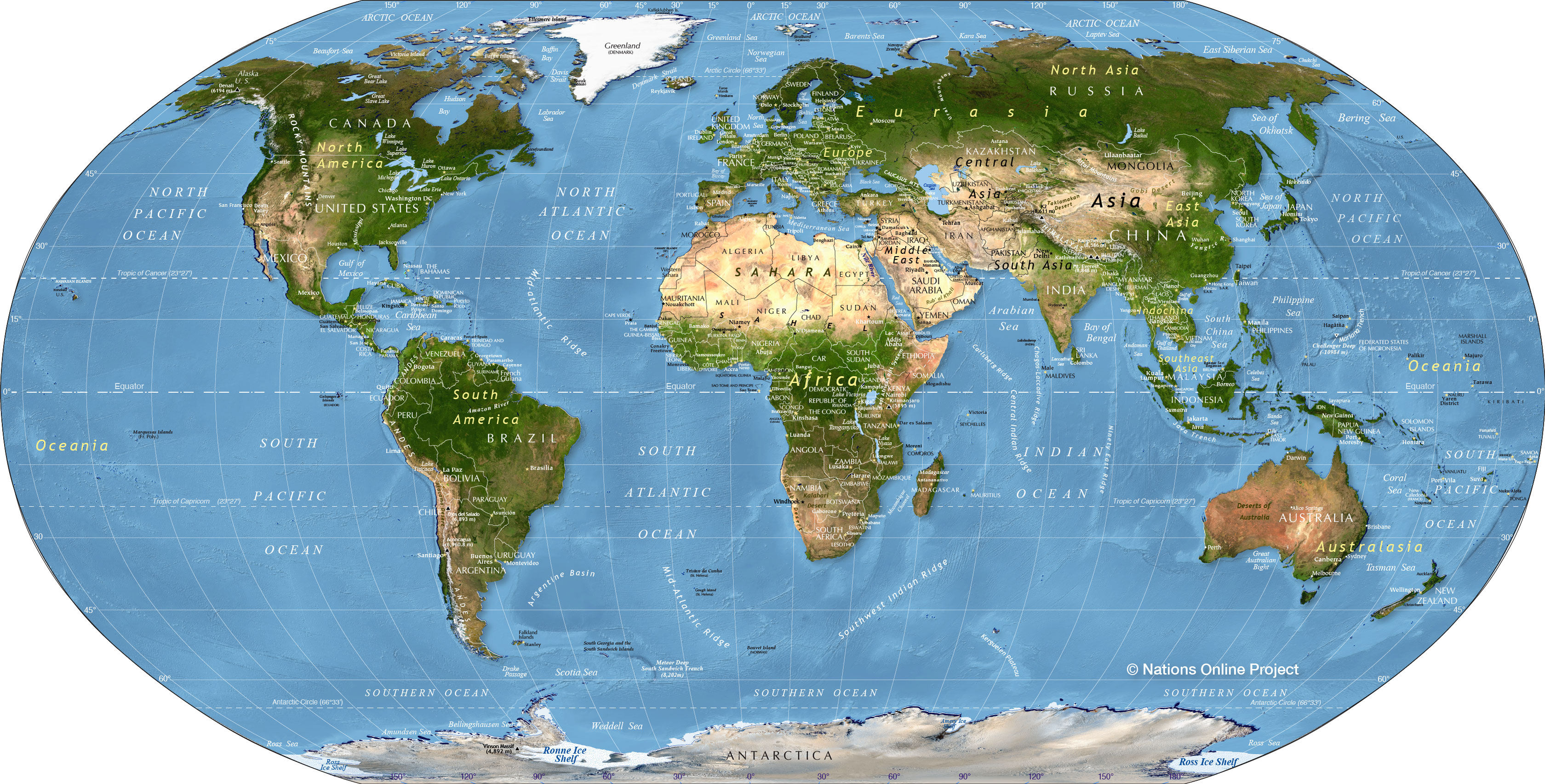
The Anishinaabe are one of the largest and most widespread Indigenous nations in North America, with communities stretching from Quebec to British Columbia, and Michigan to Saskatchewan. Their oral traditions speak of a great migration from the Atlantic Coast, guided by prophecies, leading them to the Great Lakes region and eventually westward. The Rainy River, with its strategic position connecting Rainy Lake to Lake of the Woods, became a vital artery in their vast network of waterways, a place of convergence, sustenance, and spiritual significance.
Traditional Lifeways and Connection to the Land:
Before European contact, Anishinaabe life was intricately linked to the seasonal rhythms of the land and water. Their subsistence strategies were a testament to their deep ecological knowledge. Spring brought maple sugar harvesting, a crucial source of energy after the long winter. Summer was a time for cultivating gardens (corn, beans, squash – the "Three Sisters"), fishing the abundant waters of the Rainy River and its connecting lakes, and gathering berries and medicinal plants.
Autumn was arguably the most significant season, marked by the harvesting of Manoomin (wild rice), a sacred food and staple that grew prolifically in the shallow waters of the region. This labor-intensive but communal activity reinforced social bonds and provided essential sustenance for the winter months. Winter saw families disperse to their hunting territories, pursuing moose, deer, and smaller game, relying on birchbark canoes for summer travel and snowshoes for winter journeys.
The birchbark canoe, a marvel of Indigenous engineering, was perhaps the most iconic symbol of Anishinaabe adaptability and ingenuity. Lightweight, durable, and easily repairable, these vessels allowed them to navigate the intricate web of rivers and lakes with unparalleled efficiency, facilitating trade, travel, and communication across vast distances. Wigwams, dome-shaped dwellings made from birchbark or cattail mats over a wooden frame, provided warm and portable homes.
Social Structure and Spirituality:
Anishinaabe society was organized around a complex clan system, often represented by animal totems like the Bear, Crane, Loon, Fish, and Marten. Each clan held specific responsibilities within the community, fostering a balance of governance, healing, leadership, and protection. Leadership was often consensual and based on wisdom, experience, and oratorical skill rather than hereditary power.
Spirituality permeated every aspect of Anishinaabe life. The Midewiwin (Grand Medicine Society) was a central institution, a sacred society dedicated to healing, preserving oral traditions, and transmitting spiritual knowledge through intricate ceremonies and birchbark scrolls. Dreams, visions, and respect for the natural world were integral to their spiritual practices, recognizing the interconnectedness of all living things and the presence of Manidoo (spirit) in everything. The Rainy River itself, with its powerful currents and life-giving bounty, was undoubtedly considered a sacred entity, a place where spirits resided and ancestral stories unfolded.

A Confluence of Cultures: Interaction with Other Nations
While the Anishinaabe were the dominant presence, the Rainy River region was not isolated. It lay at a geographical crossroads, leading to interactions with other Indigenous nations.
The Dakota (Sioux): To the south and west of Anishinaabe territories lay the expansive lands of the Dakota people (part of the larger Sioux nation). While periods of conflict certainly occurred, particularly over hunting grounds and resource access, there were also extensive trade relationships. The Rainy River served as a northern boundary of occasional Dakota presence, and cultural exchange was inevitable. Understanding the Dakota perspective is crucial for a complete picture of regional history, acknowledging their distinct identity and their own deep connection to the broader Minnesota landscape.
The Cree: To the north and west, the Cree nation held vast territories. Trade routes connected the Anishinaabe and Cree, facilitating the exchange of goods, knowledge, and sometimes alliances. These interactions, both cooperative and competitive, shaped the geopolitical landscape of the pre-contact era.
These intertribal relationships highlight the dynamic and complex nature of Indigenous North America, a world of distinct nations, fluid borders, and a sophisticated web of diplomacy and occasional warfare long before European arrival.
The Impact of Contact: Fur Trade, Treaties, and Transformation

The arrival of Europeans brought profound and irreversible changes to the Rainy River region. The French voyageurs and later the British fur traders were drawn by the rich abundance of beaver and other furs. The Rainy River became a critical thoroughfare in the vast fur trade network, connecting the interior of the continent to the Great Lakes and beyond.
The Fur Trade: Initially, the fur trade presented new opportunities for the Anishinaabe. They became indispensable partners, providing furs in exchange for metal tools, firearms, blankets, and other European goods. This economic shift, however, gradually altered traditional lifeways, creating a dependency on European goods and disrupting traditional hunting patterns. The introduction of alcohol and European diseases also had devastating consequences.
Treaties and Dispossession: As European colonial powers solidified their control, the concept of land ownership – alien to Indigenous worldviews – was imposed. In the mid-19th century, a series of treaties were negotiated between the Anishinaabe and the governments of both the United States and Canada. The Treaty of La Pointe (1854) and the Treaty of Fort William (Robinson-Superior Treaty, 1850) in Canada, among others, saw vast tracts of Anishinaabe land ceded in exchange for reservations, annuities, and hunting and fishing rights.
While often framed as mutually beneficial agreements, these treaties were fundamentally asymmetrical, driven by colonial expansion and the desire for resources. They drastically reduced Indigenous land bases, disrupted traditional governance structures, and forced communities onto much smaller, often less resource-rich reserves or reservations, setting the stage for generations of struggle.
Assimilation Policies: The late 19th and 20th centuries brought even more aggressive policies aimed at assimilating Indigenous peoples into dominant society. Boarding and residential schools, both in the US and Canada, forcibly removed children from their families, punishing them for speaking their languages and practicing their cultures. The goal was to "kill the Indian in the child," leading to immense intergenerational trauma that continues to impact communities today. The Rainy River Anishinaabe, like countless others, endured these policies with immense resilience.
Contemporary Identity and Cultural Resurgence
Despite centuries of colonization, displacement, and attempts at assimilation, the Anishinaabe people of the Rainy River region and across their traditional territories have maintained a vibrant and enduring identity. The echoes of their ancestors resonate in their languages, ceremonies, and their continued connection to the land.
Sovereignty and Self-Determination: Today, numerous Anishinaabe First Nations in Ontario (such as Couchiching First Nation, Naicatchewenin First Nation, and Nigigoonsiminikaaning First Nation) and Ojibwe bands in Minnesota (like the Bois Forte Band of Chippewa and the Grand Portage Band of Lake Superior Chippewa, whose territories are connected to the broader Anishinaabe sphere) exercise their inherent sovereignty. They govern their own communities, manage their lands and resources, and strive for economic development that aligns with their cultural values. This includes ventures in tourism, gaming, and resource management, all aimed at fostering self-sufficiency and improving the well-being of their people.
Language and Cultural Revitalization: There is a powerful resurgence of Anishinaabemowin (Ojibwe language) across communities, with immersion programs, language nests, and cultural camps working to restore fluency among younger generations. Traditional arts like beadwork, quillwork, birchbark crafting, and drumming are flourishing. Powwows, ceremonies, and traditional teachings are vital spaces for cultural transmission and celebration, inviting both community members and respectful visitors to witness the richness of Anishinaabe heritage.
Land Stewardship and Environmental Advocacy: The profound spiritual connection to the land continues to inform contemporary Anishinaabe identity. They are often at the forefront of environmental protection efforts, advocating for sustainable practices, protecting sacred sites, and ensuring the health of the waters and forests for future generations. The Rainy River, with its vital ecosystem, remains central to these efforts.
Traveling Ethically: A Journey of Learning and Respect
For travelers drawn to the beauty and history of the Rainy River region, an ethical approach to engagement is paramount. This means moving beyond a purely scenic appreciation to one of deep historical and cultural understanding.
- Seek Out Indigenous Voices: Visit tribal cultural centers, museums, and interpretive sites. Many First Nations and Ojibwe bands have developed excellent resources that tell their stories from their own perspectives. Support Indigenous-owned businesses and artists.
- Attend Public Events with Respect: If you have the opportunity to attend a public powwow or cultural event, do so with an open mind and a respectful demeanor. Research proper etiquette beforehand (e.g., asking permission before taking photos, dressing modestly, respecting ceremonial protocols).
- Learn the History: Educate yourself on the specific treaties, historical events, and ongoing issues that affect the local Indigenous communities. Understand that the past is not merely history; it lives in the present through the experiences of Native peoples.
- Acknowledge the Land: Recognize that you are on the traditional territories of Indigenous nations. A simple acknowledgment, even in thought, can be a powerful act of respect.
- Support Sustainable Tourism: Choose tour operators and businesses that demonstrate a commitment to environmental stewardship and that partner respectfully with local Indigenous communities.
- Understand Sovereignty: Recognize that First Nations and tribal governments are sovereign entities with their own laws, customs, and jurisdictions.
Conclusion
The Rainy River is far more than a geographical boundary; it is a profound cultural landscape where the past and present of Native American nations, particularly the Anishinaabe, converge. Their history is not confined to dusty archives but is alive in the whispering pines, the flowing waters, the resilient communities, and the vibrant cultural resurgence that defines the region today. For those who travel here with an open heart and a willingness to learn, the Rainy River offers an invaluable opportunity to connect with a history that is both ancient and profoundly contemporary, enriching their understanding of North America’s true heritage and fostering a deeper appreciation for the enduring spirit of its original peoples. By engaging thoughtfully and respectfully, visitors can contribute to a future where these voices are heard, their histories honored, and their identities celebrated.

