
Beyond the Map: Unpacking Indigenous Presence in the Hawaiian Islands
The concept of a "Map of Native American tribes near Hawaiian Islands" immediately presents a geographical and cultural paradox that warrants direct clarification. To understand the indigenous landscape of Hawaiʻi, one must first recognize a fundamental distinction: Native American tribes are indigenous peoples of the continental United States and parts of North and South America, while the native peoples of the Hawaiian Islands, known as Kanaka Maoli, are Polynesian. They are descendants of voyagers from other Pacific islands, distinct in ancestry, language, and culture from the indigenous nations of the American mainland.
Therefore, no map exists depicting "Native American tribes near Hawaiian Islands" because such tribes do not and never have resided there. Instead, the focus must shift to the rich, complex, and enduring indigenous presence within the Hawaiian archipelago – a history and identity shaped by millennia of Polynesian navigation, settlement, and sophisticated societal development, now confronting the legacies of colonialism and advocating for self-determination.
This article will explore what a true "indigenous map" of Hawaiʻi would represent: not tribal boundaries in the continental sense, but a profound connection to ʻāina (land), moʻolelo (story), and kūʻē (resistance), vital for any traveler or student of history seeking to understand these unique islands.
The Genesis of an Indigenous Archipelago: Polynesian Voyagers
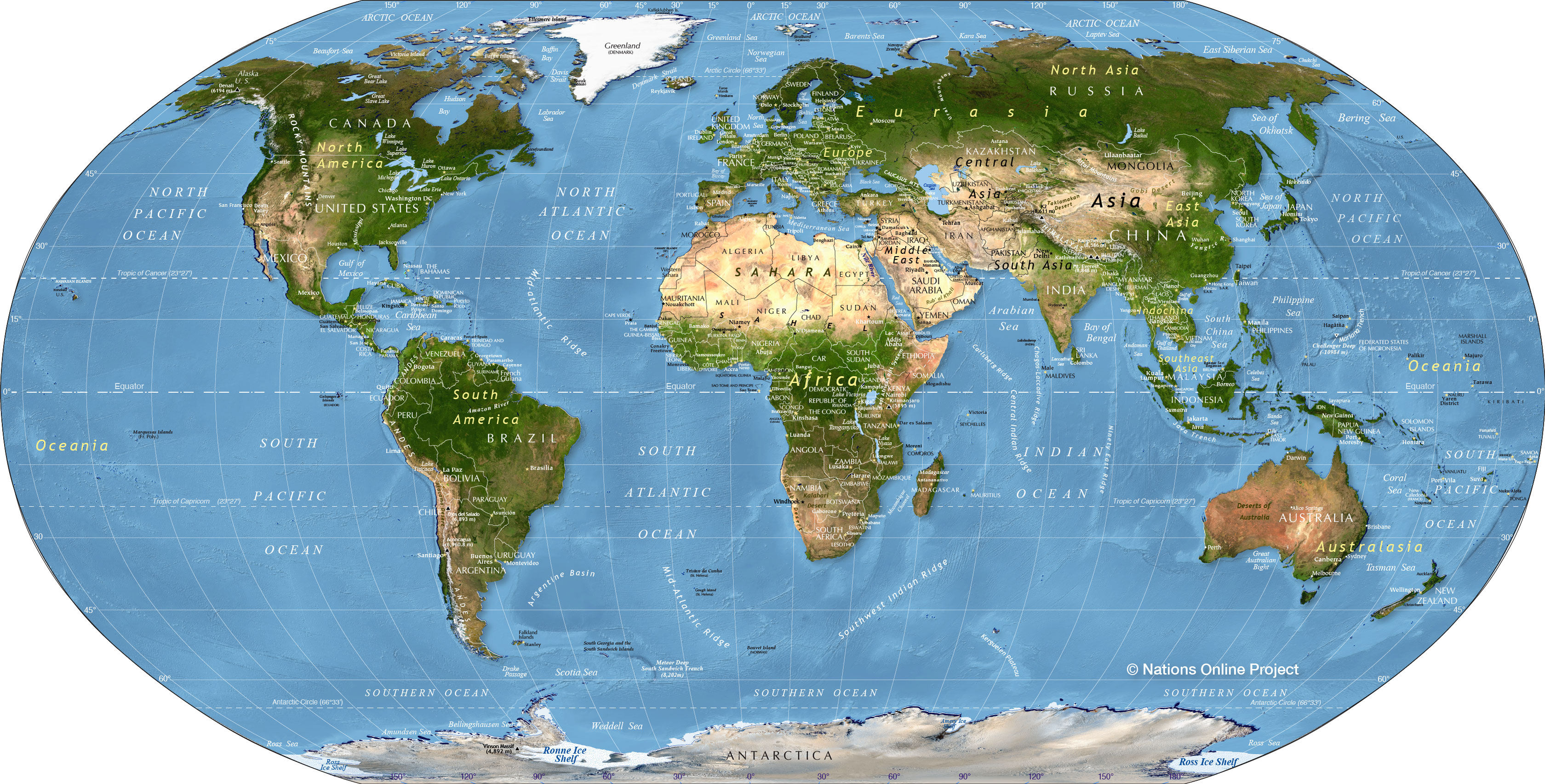
The story of Hawaiʻi’s indigenous people begins not with land bridges, but with the ocean. Between 300 and 800 CE, and then in a second wave around 1100 CE, intrepid Polynesian navigators embarked on epic voyages across vast stretches of the Pacific. Using sophisticated knowledge of stars, currents, and swell patterns, they sailed double-hulled canoes from islands like the Marquesas and Tahiti, eventually discovering and settling the remote Hawaiian archipelago.
These pioneers brought with them not only essential plants and animals (like taro, breadfruit, pigs, and chickens) but also a highly organized social structure, spiritual beliefs, and an intricate understanding of resource management. They were not "tribes" in the same political sense as many mainland Native American nations, but rather a unified cultural group that developed distinct island identities and chiefdoms (moku). The "map" of their arrival would trace these incredible journeys, illustrating the human capacity for exploration and adaptation across the world’s largest ocean.
A Living Map of Land and Spirit: The Ahupuaʻa System
Once settled, the Kanaka Maoli developed a profound and sustainable relationship with their new home. Central to this was the ahupuaʻa system, a unique land division that exemplifies their deep ecological knowledge and social organization. An ahupuaʻa was typically a wedge-shaped land parcel extending from the mountains (mauka) to the sea (makai), encompassing all the resources needed for a self-sufficient community: freshwater streams, fertile agricultural lands for taro and sweet potato, forests for timber and spiritual sites, and ocean access for fishing and aquaculture.
This system was far more than just a property line; it was a social, economic, and spiritual blueprint. Each ahupuaʻa had its own chief (aliʻi) and konohiki (land manager), responsible for ensuring the well-being of the people and the sustainable use of resources within their domain. The ahupuaʻa fostered a sense of collective responsibility and interdependence, embodying the principle of mālama ʻāina – to care for the land.
A conceptual indigenous map of Hawaiʻi would prominently feature these ahupuaʻa boundaries, crisscrossing every island. It would highlight:
- Sacred sites (heiau): Ancient temples and places of worship, often built on significant geographical features.
- Agricultural complexes: Extensive taro patches (loʻi kalo) and fishponds (loko iʻa) that demonstrate advanced engineering and sustainable food production.
- Wahi Pana (storied places): Locations imbued with historical events, mythological narratives, and spiritual significance.
- Battlegrounds: Sites of ancient conflicts between rival chiefs, shaping the political landscape before unification.

This map would not show "tribes" but rather a sophisticated, interconnected society deeply rooted in specific ecological zones, demonstrating a land tenure system vastly different from Western concepts of private property.

The Unification of a Kingdom: Kamehameha I
By the late 18th century, the Hawaiian Islands were a mosaic of independent chiefdoms, often engaged in fierce inter-island warfare. This era saw the rise of Kamehameha I, a powerful chief from Hawaiʻi Island, who, through strategic alliances, military prowess (aided by early Western weaponry), and strong leadership, successfully unified all the main islands into a single Hawaiian Kingdom by 1810.
This period of unification is a critical chapter in Hawaiian history. It established a sovereign nation that would later engage in diplomatic relations with major world powers, earning recognition as a legitimate, independent state. The "map" of this era would show the consolidation of power, the shifting allegiances, and the eventual creation of a centralized government, laying the groundwork for a modern nation.
The Impact of Contact and the Erosion of Identity
The arrival of Captain James Cook in 1778 marked a dramatic turning point. While initially bringing new technologies and trade, it also ushered in devastating diseases that decimated the Native Hawaiian population (from an estimated 300,000-800,000 pre-contact to around 40,000 by the late 19th century). Western missionaries, whalers, and merchants followed, introducing foreign ideas, religions, and economic systems that profoundly altered traditional Hawaiian society.
The most devastating blow to the traditional "map" of indigenous land tenure came with the Māhele (land division) of 1848. Under pressure from foreign advisors and the growing influence of Western concepts of private land ownership, King Kamehameha III enacted a reform that privatized land, dividing it among the King, high chiefs, and the government. While intended to protect Hawaiian land from foreign acquisition, it inadvertently led to massive land dispossession for the common people (makaʻāinana), who often lacked the means or understanding to secure title to their ancestral lands. This act fundamentally shattered the ahupuaʻa system and opened the door for foreign speculators to acquire vast tracts of Hawaiian land.
The "map" of this era would be one of fragmentation and loss: traditional land uses disrupted, sacred sites increasingly vulnerable, and the very foundation of Kanaka Maoli identity – their connection to ʻāina – severely undermined.
The Overthrow and Annexation: A Stolen Map
The ultimate betrayal of Hawaiian sovereignty occurred on January 17, 1893, when American and European businessmen, backed by the U.S. military (without official orders), overthrew the reigning monarch, Queen Liliʻuokalani. This illegal act led to the establishment of a provisional government, then a republic, and finally, in 1898, the annexation of Hawaiʻi by the United States – despite widespread Native Hawaiian protests and a formal apology from the U.S. Congress a century later (the 1993 Apology Resolution).
This period marks the darkest chapter in the indigenous map of Hawaiʻi: the physical and political erasure of a sovereign nation. The U.S. flag replaced the Hawaiian flag, Hawaiian language was banned in schools, and the unique identity of the Kanaka Maoli was systematically suppressed in an attempt to assimilate them into American culture.
Reclaiming the Map: Cultural Renaissance and Sovereignty Movement
Despite the immense pressures and historical injustices, the Kanaka Maoli have demonstrated remarkable resilience. The latter half of the 20th century witnessed a powerful cultural renaissance and a growing sovereignty movement. This modern "map" of indigenous Hawaiʻi is one of resurgence and reclamation:
- Language Revitalization: Efforts to bring back ʻŌlelo Hawaiʻi (Hawaiian language) from the brink of extinction, establishing immersion schools and a new generation of fluent speakers.
- Hula and Traditional Arts: A renewed appreciation and practice of hula, chant, music, and traditional crafts, serving as powerful vehicles for cultural transmission and identity.
- Voyaging Canoes: The revival of traditional voyaging, epitomized by the Hōkūleʻa, which has sailed across the Pacific using ancient navigation techniques, reconnecting Hawaiʻi with its Polynesian roots.
- Political Activism: The rise of organizations like the Office of Hawaiian Affairs (OHA) and various sovereignty groups advocating for land rights, self-determination, and federal recognition.
- Protection of Sacred Sites: Ongoing struggles to protect places like Mauna Kea from development, symbolizing the deep spiritual connection to the land and the assertion of indigenous rights.
This contemporary map is dynamic, showing pockets of cultural strength, legal battles for ancestral lands, and a vibrant political landscape where the voices of Kanaka Maoli are increasingly heard. It’s a map not of fixed borders, but of ongoing struggle, education, and cultural revitalization.
For the Traveler and Historian: Navigating the True Indigenous Map
For those seeking to understand Hawaiʻi beyond its postcard-perfect images, engaging with this true indigenous map is essential.
- Acknowledge the Distinction: Recognize that Native Hawaiians are distinct from Native Americans. Their history, culture, and political aspirations are unique.
- Learn the History: Understand the pre-contact sophistication, the impact of the Māhele, the illegal overthrow, and the ongoing sovereignty movement. This context transforms a mere vacation into an educational journey.
- Respect the Land and Culture: Practice mālama ʻāina (care for the land) and kūleana (responsibility). This means respecting sacred sites, supporting local and Native Hawaiian businesses, and engaging with cultural practices thoughtfully and respectfully.
- Seek Authentic Experiences: Look for opportunities to learn from Kanaka Maoli cultural practitioners, visit cultural centers, and understand the stories behind the places you visit. This goes beyond commercialized luaus to deeper engagements with history and community.
- Listen to Native Voices: Pay attention to current issues concerning Native Hawaiians, whether it’s land development, water rights, or political self-determination.
Conclusion: The Enduring Heart of Hawaiʻi
The idea of a "Map of Native American tribes near Hawaiian Islands" is a misnomer that, when corrected, opens the door to a far richer and more profound understanding of Hawaiʻi. The indigenous map of these islands is not one of external tribes, but of the Kanaka Maoli – a people whose identity is inextricably linked to their unique Polynesian heritage, their profound connection to ʻāina, and their enduring spirit of aloha and kūʻē.
Their story is one of epic voyaging, sophisticated societal development, devastating historical trauma, and a powerful, ongoing cultural and political resurgence. For any traveler or student of history, acknowledging and engaging with this true indigenous map is not just an educational exercise; it is an act of respect, recognizing the sovereign heart that beats at the core of these extraordinary islands. The map of Hawaiʻi is, and always will be, primarily a map of its first people, the Kanaka Maoli.

