
The Unseen Map: Tracing Native American Tribes Along the Colorado River
The Colorado River, a serpentine vein of life carving through the arid American Southwest, is more than just a hydrological feature; it is a profound historical and cultural artery. For millennia, its waters sustained a multitude of Native American tribes, shaping their identities, economies, spiritual beliefs, and territories. To view a map of Native American tribes near the Colorado River is not merely to observe lines on paper, but to glimpse a living tapestry of resilience, adaptation, and deep-seated connection to a landscape that defines them. This exploration delves into the history, identity, and enduring legacy of these tribes, offering a lens suitable for both the curious traveler and the student of history.
The Lifeline of the Arid West: The Colorado River Basin
The Colorado River Basin spans over 246,000 square miles, encompassing parts of seven U.S. states and two Mexican states. From its headwaters in the Rocky Mountains to its historic delta at the Gulf of California, the river traverses an astonishing diversity of ecosystems: alpine forests, vast plateaus, deep canyons, and scorching deserts. For the indigenous peoples, the river was the ultimate resource. It provided potable water in an often water-scarce environment, supported diverse flora and fauna crucial for hunting and gathering, and deposited fertile silts along its banks, enabling agriculture. Its canyons and plateaus offered shelter, defensive positions, and abundant natural resources, while the river itself served as a natural highway for trade and communication.
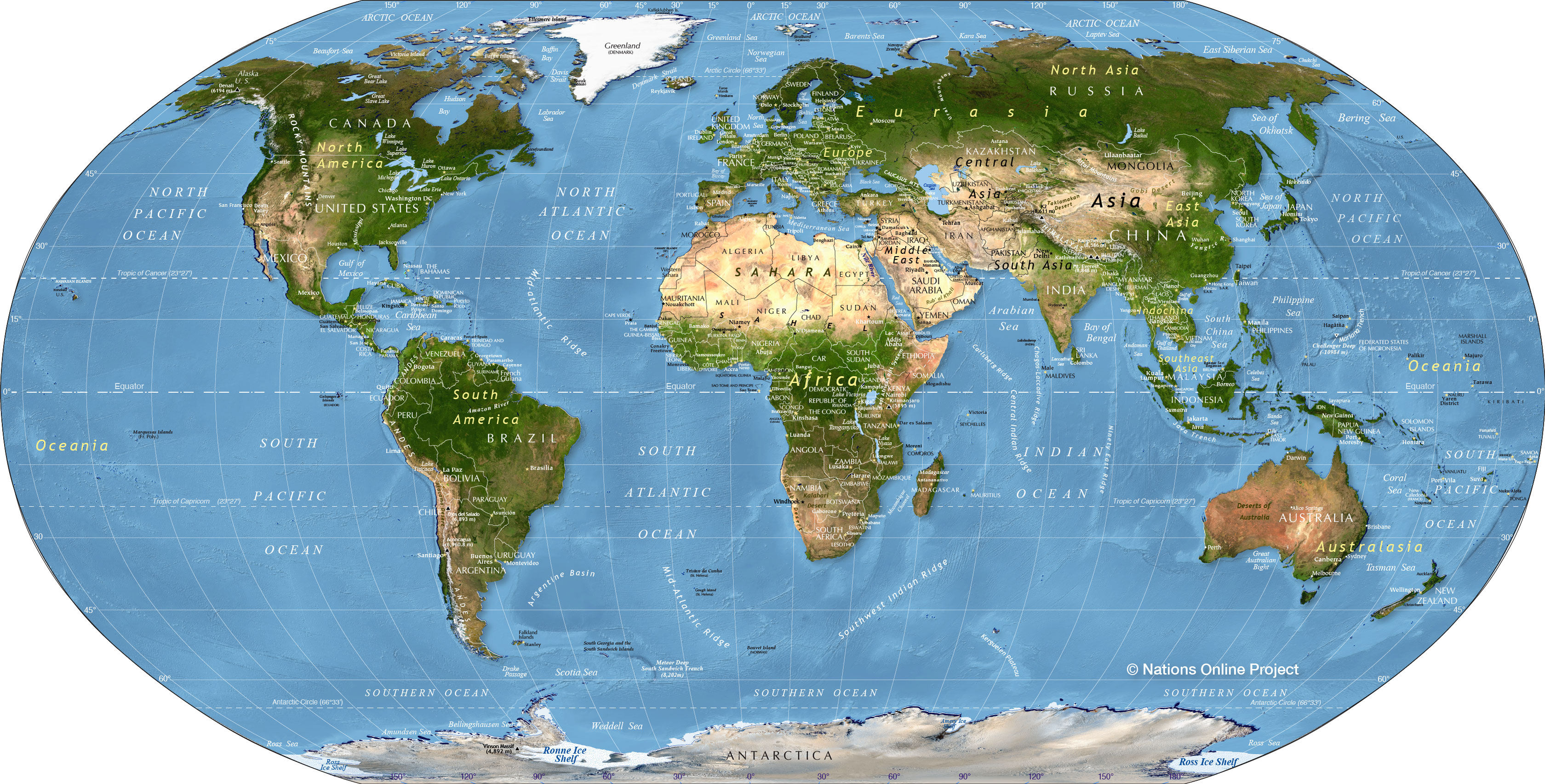
The unique geography dictated varied lifeways. Upstream tribes adapted to higher elevations and more seasonal climates, often relying on hunting and foraging. Further downstream, in the deep canyons and broad floodplains, agriculture became more prominent, supplemented by fishing and desert foraging. This dynamic interaction between environment and culture is central to understanding the distinct identities of the tribes along the river.
Peoples of the Upper Colorado: Ute and Shoshone Territories
In the northern reaches of the Colorado River Basin, particularly across present-day Colorado, Utah, and Wyoming, the Ute people held sway for centuries. The Ute were a powerful, highly mobile Numic-speaking nation, traditionally organized into several independent bands, each with its own territory but united by language and cultural ties. Their lands encompassed a vast and varied landscape, from the mountainous headwaters of the Colorado to the high plateaus and deserts of eastern Utah.
The Ute were skilled hunters, particularly of deer, elk, and buffalo, utilizing their knowledge of the land for seasonal migrations to follow game and gather wild plants. Their adaptation to horseback riding after European contact transformed their mobility and hunting prowess, making them formidable warriors and traders. The river provided vital water sources throughout their expansive territories, supporting game and plant life. Their identity is intrinsically tied to the land—the mountains, valleys, and rivers are not just physical spaces but sacred entities embedded in their creation stories and spiritual practices. The Ute, today, maintain three federally recognized tribes: the Ute Indian Tribe of the Uintah and Ouray Reservation (Utah), the Southern Ute Indian Tribe, and the Ute Mountain Ute Tribe (both in Colorado).

Adjacent and often interacting with the Ute were various bands of the Shoshone people, particularly the Eastern Shoshone in Wyoming and parts of Utah. While their primary territories often lay slightly north of the main Colorado River stem, their traditional hunting and gathering grounds sometimes overlapped, and their presence influenced regional dynamics. Like the Ute, the Shoshone were highly mobile, utilizing horses to hunt buffalo on the plains and gather resources in the mountains. Their deep knowledge of the land and its resources allowed them to thrive in challenging environments.
The Grand Canyon’s Guardians: Havasupai, Hualapai, and Southern Paiute
As the Colorado River carves its monumental path through the Grand Canyon, it enters the traditional lands of several distinct Yuman-speaking tribes, each with a unique adaptation to this breathtaking, yet challenging, environment.
The Havasupai, whose name means "people of the blue-green water," are perhaps the most isolated of the Grand Canyon tribes. Their traditional lands centered on the side canyon of Havasu Creek, a verdant oasis within the arid canyonlands. For centuries, the Havasupai practiced irrigated agriculture on the canyon floor, growing corn, beans, squash, and sunflowers. During cooler months, they would ascend to the plateau rim to hunt and gather. Their intimate knowledge of their unique environment, their reliance on the creek’s life-giving waters, and their relative isolation fostered a distinct cultural identity deeply intertwined with the canyon itself. Today, their reservation remains within the Grand Canyon, a testament to their enduring presence.

To the west of the Havasupai, primarily on the plateaus above the Grand Canyon’s southern rim, lived the Hualapai, meaning "people of the tall pines." Their traditional territory spanned diverse landscapes, from the Colorado River itself up to the pine forests. The Hualapai were primarily hunter-gatherers, adept at utilizing the varied resources of their vast lands. They hunted deer, bighorn sheep, and rabbits, and gathered a wide array of desert plants. While less reliant on direct river agriculture than the Havasupai, the Colorado River formed a significant boundary and resource for them, particularly for fishing and water access at certain points. The Hualapai Tribe continues to reside on its reservation in northwestern Arizona, embracing their cultural heritage while managing a significant portion of the Grand Canyon’s tourism.
Extending across southern Utah, northern Arizona, and southern Nevada, the Southern Paiute (a Numic-speaking people, distinct from the Yuman groups) also claimed significant portions of the Grand Canyon and the surrounding plateau lands. Unlike the more concentrated settlements of the Havasupai, the Southern Paiute lived in smaller, dispersed family groups, adapting to the highly varied and often harsh desert environment. They were master foragers, utilizing hundreds of plant species, and also practiced small-scale dry farming where feasible. Their deep knowledge of seasonal plant cycles and water sources was paramount to their survival. The Southern Paiute’s connection to the Grand Canyon is multifaceted, with sacred sites and traditional resource areas scattered throughout its vastness. Numerous federally recognized Southern Paiute tribes and bands exist today, including the Kaibab Band of Paiute Indians in Arizona and various bands in Utah and Nevada.
The River Yuman Tribes: Lower Colorado Basin
As the Colorado River flows south, widening into a significant waterway before reaching its delta, it enters the traditional homelands of the "River Yuman" tribes, whose cultures were intimately shaped by the river’s annual flood cycles and abundant resources.
The Mojave people, whose name translates to "the people who live along the water," occupied a vast stretch of the Colorado River from Black Canyon south to the vicinity of the present-day Bill Williams River. Their lives were entirely centered on the river. The Mojave were expert floodplain farmers, utilizing the rich silt deposited by the annual floods to cultivate corn, beans, squash, and melons without extensive irrigation. They were also skilled fishermen and hunters of riverine game. Their distinctive pottery, woven baskets, and elaborate tattooing practices speak to a rich material culture. The river was not just a source of sustenance but a sacred entity, central to their cosmology and origin stories. The Mojave were known for their strong warrior tradition and extensive trade networks that stretched across the Southwest. Today, the Fort Mojave Indian Tribe and the Colorado River Indian Tribes (CRIT) represent their enduring presence.
Further south, near the confluence of the Colorado and Gila Rivers, resided the Quechan (also known as Yuma) people. Like the Mojave, the Quechan were highly successful floodplain farmers, relying on the river’s seasonal inundations. Their strategic location made them a hub for trade, connecting peoples from California, Arizona, and northern Mexico. The Quechan also possessed a strong warrior tradition and a complex social and ceremonial life. Their historical interactions with Spanish and later American explorers were often marked by conflict due to their defense of their lands and resources. The Quechan Indian Tribe of the Fort Yuma Reservation maintains its presence at this vital junction.

The southernmost of the River Yuman tribes along the Colorado were the Cocopah people, residing near the river’s delta in present-day Arizona and Baja California, Mexico. Their unique environment, where the freshwater river met the saltwater Gulf of California, fostered a distinct adaptation. The Cocopah were master fishermen, utilizing the delta’s rich marine life, and also practiced floodplain agriculture. Their identity is inextricably linked to the delta’s intricate network of sloughs, wetlands, and shifting channels. The Cocopah Tribe of Arizona and their relatives in Mexico continue to preserve their cultural heritage in this ecologically sensitive region.
The Halchidhoma and Maricopa peoples also historically resided along the lower Colorado River, practicing similar floodplain agriculture. However, due to severe conflicts with the Quechan and Mojave in the 18th and early 19th centuries, many Halchidhoma migrated eastward to the Gila River, eventually merging with the Maricopa people. Their story highlights the dynamic and sometimes turbulent intertribal relationships in the pre-contact era.
Shared Threads and Distinct Identities: Cultural Elements
Despite their diverse languages (Numic, Yuman) and varied ecological adaptations, the Native American tribes along the Colorado River shared fundamental cultural elements while maintaining their distinct identities.
Adaptation and Resourcefulness: All tribes demonstrated an unparalleled understanding of their environment, developing sophisticated techniques for hunting, gathering, and agriculture to thrive in challenging landscapes. This included knowledge of seasonal plant cycles, animal migrations, water management, and the sustainable use of resources.
Trade Networks: The Colorado River acted as a major trade artery. Goods such as obsidian, turquoise, pottery, shells from the Pacific coast, salt, and foodstuffs moved along well-established routes, fostering economic and cultural exchange between tribes spanning vast distances.
Spiritual Connection to Land and Water: For every tribe, the Colorado River and its surrounding landscape were deeply sacred. The river was often considered a living entity, central to creation myths, ceremonies, and the overall spiritual well-being of the people. Ancestral lands were not merely property but a part of their very identity, imbued with spiritual power and ancestral memory.
Oral Traditions: Storytelling was, and remains, a vital mechanism for transmitting history, cultural values, spiritual knowledge, and practical skills across generations. These oral histories offer invaluable insights into pre-contact lifeways and the deep connection to the land.
The Impact of Colonization and the Fight for Survival
The arrival of Europeans brought catastrophic changes. Early Spanish explorations introduced diseases that decimated native populations even before direct sustained contact. Later, American expansion in the 19th century, driven by Manifest Destiny, the Gold Rush, and agricultural ambitions, led to relentless pressure on tribal lands. Treaties were signed and frequently broken, resulting in forced removals and the establishment of reservations, often on marginal lands far from traditional territories.
The most profound impact on the Colorado River tribes, however, arguably came in the 20th century with the massive damming projects. The Hoover Dam, Glen Canyon Dam, and numerous others transformed the river from a wild, dynamic system to a controlled, managed one. This eliminated the natural flood cycles essential for floodplain agriculture, submerged sacred sites, disrupted ecosystems, and profoundly altered traditional lifeways.
A critical ongoing struggle for Colorado River tribes has been the fight for water rights. While the landmark 1908 Winters v. United States Supreme Court case affirmed that tribal reservations have "reserved" water rights sufficient to fulfill the purposes of the reservation, actual quantification and enforcement of these rights have been a continuous legal and political battle. Tribes like the Colorado River Indian Tribes (CRIT) and the Fort Mojave Indian Tribe have been at the forefront of this complex and vital fight, advocating for their inherent rights to the water that sustained their ancestors for millennia.
Resilience, Revitalization, and Modern Identity
Despite centuries of dispossession, cultural suppression, and environmental alteration, the Native American tribes along the Colorado River have demonstrated remarkable resilience. Today, they are vibrant, self-governing nations actively engaged in preserving their languages, traditions, and ceremonies.
Cultural Revitalization efforts include language immersion programs, traditional arts and crafts workshops, and the revival of ancient ceremonies. Tribal museums and cultural centers serve as vital institutions for education and cultural preservation.
Economic Development initiatives range from tourism (such as the Hualapai’s Grand Canyon Skywalk or the Havasupai’s permit system) to gaming, resource management, and various enterprises aimed at achieving self-sufficiency and improving the well-being of their communities.
Advocacy for sovereignty, land rights, and water rights continues on multiple fronts, ensuring their voices are heard in decisions affecting their ancestral lands and resources. Their contributions to environmental stewardship and sustainable resource management are increasingly recognized.
Conclusion: A Living Map of History and Identity
To understand the map of Native American tribes near the Colorado River is to understand a history of deep connection, adaptation, and profound struggle. It is a map not of static boundaries, but of dynamic cultural landscapes shaped by the ebb and flow of a mighty river and the resilience of its people. From the Ute in the northern mountains to the Cocopah in the southern delta, each tribe carries a unique identity forged over millennia, yet all share an enduring spiritual and historical bond with the Colorado River.
For travelers, engaging with this history means approaching the region with respect, seeking out tribal cultural centers, supporting tribal enterprises, and learning about the ongoing struggles and triumphs of these sovereign nations. The Colorado River Basin is not merely a landscape of stunning natural beauty; it is a living testament to the enduring presence, rich heritage, and profound wisdom of its original inhabitants. Their stories, deeply etched into the canyons and carried by the river’s flow, offer invaluable lessons for understanding history, identity, and humanity’s enduring relationship with the natural world.

