
Understanding Indigenous Narratives: Bridging Continents and Cultures – The Distinct Worlds of Native America and American Samoa
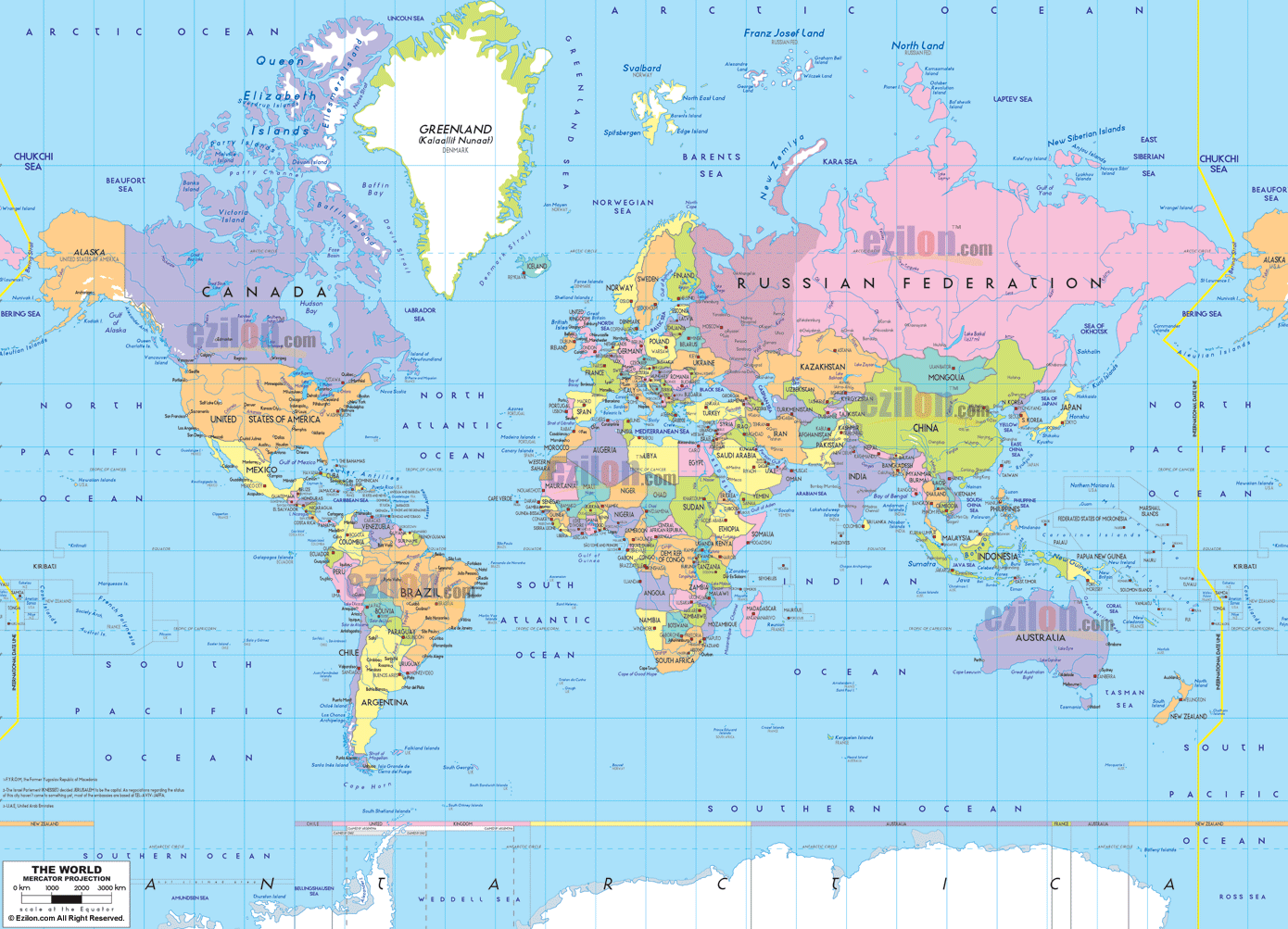
The premise of "Native American tribes near American Samoa" presents a fascinating geographical and cultural juxtaposition that requires immediate clarification. Geographically, Native American tribes are indigenous to the continent of North America, encompassing the vast lands from the Arctic to the Caribbean and from the Atlantic to the Pacific. American Samoa, conversely, is an unincorporated territory of the United States located in the South Pacific Ocean, an integral part of Polynesia. These two distinct regions are separated by thousands of miles of ocean, representing entirely different hemispheres, histories, and cultural lineages.
Therefore, this article will not discuss Native American tribes near American Samoa, as no such geographical proximity exists. Instead, it will delve into two separate but equally vital narratives: first, the rich history and identity of the indigenous people of American Samoa—the Samoans—and second, a broader understanding of Native American tribes within their proper North American context. While geographically distant, exploring these two distinct indigenous experiences allows for a deeper appreciation of human diversity, resilience, and the profound connection between people, land, and cultural identity. This approach serves both a travel blog’s desire for authentic cultural insight and an educational platform’s commitment to historical accuracy and understanding.
I. The Indigenous People of American Samoa: Fa’a Samoa – The Samoan Way
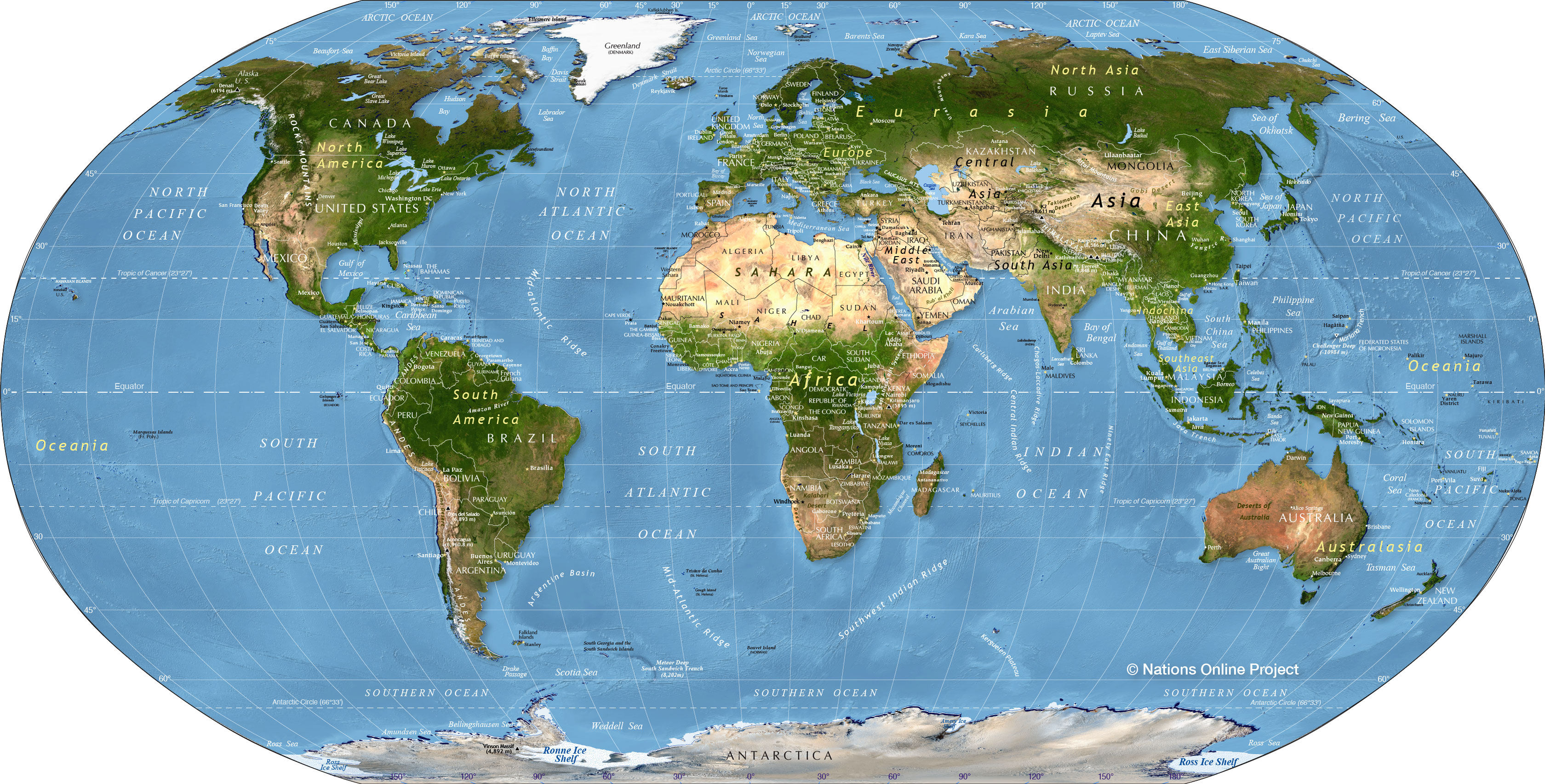
American Samoa is a verdant archipelago, a tropical paradise shaped by volcanic activity and millennia of human habitation. Its indigenous people are the Samoans, a proud Polynesian society whose history stretches back thousands of years, long before European contact. Their identity is inextricably linked to their ancestral lands, the surrounding ocean, and a complex, deeply ingrained cultural system known as Fa’a Samoa – "The Samoan Way."
A. Ancient Roots and Oceanic Journeys:
The origins of the Samoan people are traced back to the Lapita culture, a prehistoric people who migrated eastward from Southeast Asia, colonizing various Pacific islands between 1500 and 500 BCE. Samoa is considered one of the cradles of Polynesian culture, with archaeological evidence suggesting settlement as early as 1000 BCE. From Samoa, voyagers continued to explore and settle other parts of Polynesia, including Hawaii, Tahiti, and New Zealand, carrying with them sophisticated navigation techniques, agricultural practices, and distinct social structures.
For centuries, Samoan society flourished in relative isolation, developing a complex hierarchical system centered around extended family (aiga) and traditional chiefs (matai). These matai, chosen by consensus within the aiga, hold significant authority over land, resources, and the well-being of their communities. They are the custodians of Fa’a Samoa, responsible for upholding customs, resolving disputes, and representing their family in village councils.
B. European Contact and American Annexation:
The first European contact with Samoa occurred in the 18th century, but it was in the 19th century that Western influence began to profoundly reshape the islands. Missionaries introduced Christianity, which was largely integrated into existing Samoan social structures rather than entirely supplanting them. By the late 19th century, the Samoan islands became a point of contention among colonial powers—Germany, Great Britain, and the United States—due to their strategic location.
The 1899 Tripartite Convention formally divided the Samoan archipelago. Germany gained control of the larger western islands (now the independent nation of Samoa), while the United States annexed the eastern islands, which became American Samoa. This annexation marked a significant turning point, bringing the islands under U.S. administration, though with a unique commitment to preserving Fa’a Samoa. Unlike many other colonial experiences, the U.S. largely allowed the Samoan traditional governance system to remain intact, recognizing the authority of the matai and the village councils.
C. Fa’a Samoa: The Enduring Identity:

Fa’a Samoa is more than just a set of customs; it is the philosophical and practical framework that underpins Samoan life. It emphasizes:
- Aiga (Extended Family): The aiga is the fundamental unit of society, encompassing living relatives and ancestors. Loyalty and reciprocal obligations within the aiga are paramount.
- Matai (Chiefly System): The matai provides leadership, manages family lands, and ensures adherence to cultural norms. Their authority is respected and central to community life.
- Land and Sea: A deep spiritual and practical connection to the land (fanua) and sea (sami) is fundamental. Land is collectively owned by the aiga, not individuals, and its stewardship is a sacred duty. The ocean provides sustenance and is a vital part of their identity as navigators.
- Language (Gagana Samoa): The Samoan language is a cornerstone of cultural identity, actively spoken and taught, ensuring the transmission of traditions, stories, and values.
- Community and Harmony: Emphasis is placed on collective well-being, respect for elders, and maintaining social harmony (mamalu). Conflicts are often resolved through traditional dialogue and consensus.
- Traditional Arts: Intricate tattooing (tatau), especially the male pe’a and female malu, weaving of fine mats (ie toga), carving, and vibrant music and dance (siva) are living expressions of Samoan identity and history.

D. Modern Challenges and Cultural Resilience:
Today, American Samoa faces the complexities of balancing traditional ways with modern influences. Economic development, migration, and exposure to global media bring both opportunities and challenges. Climate change poses an existential threat to low-lying coastal communities. Yet, Fa’a Samoa remains remarkably resilient. Efforts to revitalize traditional crafts, promote the Samoan language in schools, and integrate cultural values into contemporary governance ensure that the unique identity of the Samoan people continues to thrive, even as they navigate the complexities of their status as a U.S. territory.
II. Native American Tribes: A Continent of Diverse Nations
Shifting our focus across thousands of miles to North America, we encounter an immense and unparalleled diversity of indigenous peoples—the Native American, or American Indian, tribes. Unlike the relatively uniform Polynesian culture of Samoa, Native America encompasses hundreds of distinct nations, each with its own language, history, spiritual beliefs, governance systems, and cultural practices. To speak of "Native American tribes" as a monolith is to misunderstand the rich tapestry of indigenous life across a vast continent.
A. Ancient Histories and Ecological Adaptations:
Native American presence in North America dates back tens of thousands of years, with diverse theories on their arrival via the Bering land bridge or ancient maritime routes. For millennia, these peoples developed sophisticated societies perfectly adapted to their varied environments. From the arid deserts of the Southwest, where the Pueblo peoples built multi-story adobe dwellings and developed intricate irrigation systems, to the dense forests of the Northeast, home to the Iroquois Confederacy with its advanced political structure, and the vast plains, where nomadic tribes like the Lakota followed the buffalo herds, indigenous ingenuity shaped the landscape and fostered sustainable living.
Pre-Columbian North America was not a wilderness but a continent teeming with complex societies, extensive trade networks, advanced agriculture (responsible for domesticating crops like corn, beans, and squash that now feed the world), and profound spiritual traditions that emphasized reciprocity with the natural world.
B. The Impact of European Colonization:
The arrival of Europeans from the late 15th century onwards unleashed a cataclysmic era for Native American populations. Disease, to which indigenous peoples had no immunity, decimated communities. This was followed by centuries of warfare, land dispossession, forced removals, and policies of assimilation designed to eradicate Native cultures and languages. Iconic historical events like the Trail of Tears (forced removal of Southeastern tribes), the Plains Wars, and the Wounded Knee Massacre represent just a fraction of the violence and injustice inflicted upon Native peoples.
The U.S. government, through a complex and often contradictory history of treaty-making and breaking, established a system of reservations. These lands, often a fraction of ancestral territories and frequently of poor quality, were meant to contain and control Native populations.
C. Identity Amidst Adversity: Resilience and Sovereignty:
Despite centuries of oppression, Native American identity has endured with remarkable resilience. Key aspects of their identity include:
- Sovereignty and Self-Determination: Many Native American tribes are recognized as sovereign nations within the United States, possessing inherent rights to self-governance. The struggle for full recognition and exercise of this sovereignty remains central to their political identity.
- Land and Sacred Sites: The connection to ancestral lands is profound, often spiritual, and inextricably linked to cultural survival. Many sacred sites remain critical to ceremonies and identity.
- Language Revitalization: Efforts to preserve and revive hundreds of indigenous languages, many of which were suppressed for generations, are crucial to maintaining cultural continuity.
- Spiritual Traditions: Diverse spiritual beliefs and practices, often centered on a deep reverence for nature and a cyclical understanding of time, continue to guide many Native communities.
- Community and Kinship: Family and tribal kinship ties are paramount, fostering strong community bonds and mutual support.
- Cultural Expression: Traditional arts—ranging from intricate beadwork and pottery to vibrant dances, storytelling, and music—are vibrant expressions of tribal identity and a means of cultural transmission.
D. Contemporary Challenges and Triumphs:
Today, Native American tribes continue to face significant challenges, including economic disparities, inadequate healthcare and education, environmental degradation on reservation lands, and the ongoing struggle against systemic racism and misrepresentation. However, there are also numerous triumphs. Tribes are asserting their sovereignty through economic development (e.g., casinos, renewable energy projects), strengthening tribal courts, revitalizing languages, and leading movements for environmental justice and indigenous rights. The Standing Rock Sioux Tribe’s protest against the Dakota Access Pipeline, for instance, drew global attention to indigenous land rights and environmental protection.
III. Connecting the Disparate Narratives: Shared Themes of Indigenous Experience
While Native American tribes and the indigenous people of American Samoa are separated by vast distances and distinct cultural trajectories, their stories offer compelling thematic parallels that enrich our understanding of indigenous experiences globally.
Both narratives speak to:
- Profound Connection to Land and Sea: For Samoans, the ocean is the lifeblood; for many Native American tribes, the land is sacred and foundational to identity. Both demonstrate a stewardship ethic often in stark contrast to Western resource exploitation.
- Resilience in the Face of Colonialism: Both peoples endured the disruptive and often devastating impacts of European and American expansion. Their survival and continued cultural vibrancy are testaments to their strength, adaptability, and unwavering commitment to their heritage.
- The Importance of Traditional Governance and Community: The matai system in Samoa and the diverse tribal councils and confederacies in Native America highlight the enduring power and effectiveness of indigenous forms of governance, which prioritize collective well-being and consensual decision-making.
- Cultural Preservation and Revitalization: Both Samoans and Native Americans actively work to preserve and revitalize their languages, arts, and ceremonies, recognizing them as vital links to their past and crucial for their future.
- The Struggle for Self-Determination: Whether it’s American Samoa’s unique relationship with the U.S. that largely preserves Fa’a Samoa or Native American tribes’ ongoing fight for full sovereignty, both narratives underscore the universal indigenous desire to control their own destinies and govern their own affairs according to their ancestral ways.
Conclusion: Valuing Specificity in Indigenous Histories
The initial query about "Native American tribes near American Samoa" underscores a common tendency to conflate or generalize diverse indigenous experiences. This article has aimed to correct that geographical inaccuracy by presenting two distinct, rich, and compelling narratives: the vibrant Polynesian culture of the Samoan people in American Samoa and the vast, diverse, and resilient nations of Native America.
By understanding the specific histories, cultural practices, and contemporary challenges faced by these unique groups, we move beyond simplistic generalizations. For the traveler or the history enthusiast, this nuanced perspective offers a far deeper and more respectful engagement with the world’s indigenous peoples. It highlights that while indigenous struggles for recognition, land rights, and cultural preservation share common threads globally, the specific manifestations of identity, history, and resilience are as diverse and awe-inspiring as the landscapes they call home. To appreciate the indigenous world is to appreciate its magnificent, intricate mosaic, one distinct culture and history at a time.

