
Here is a 1200-word article on the Native American tribes near the Aleutian Islands, focusing on history and identity, suitable for a travel and educational blog.
>
Beyond the Horizon: Navigating the Indigenous Map of the Aleutian Islands
The Aleutian Islands, a volcanic arc stretching across the North Pacific, represent one of Earth’s most formidable and breathtaking landscapes. But beyond their rugged beauty and strategic importance, these islands and the adjacent Alaskan mainland hold a profound human story, etched into the very fabric of their existence by the Indigenous peoples who have called this windswept frontier home for millennia. A "map" of Native American tribes in this region is not merely a geographical charting of communities; it is a living document of unparalleled adaptation, resilience, and a vibrant cultural heritage that continues to thrive against all odds.
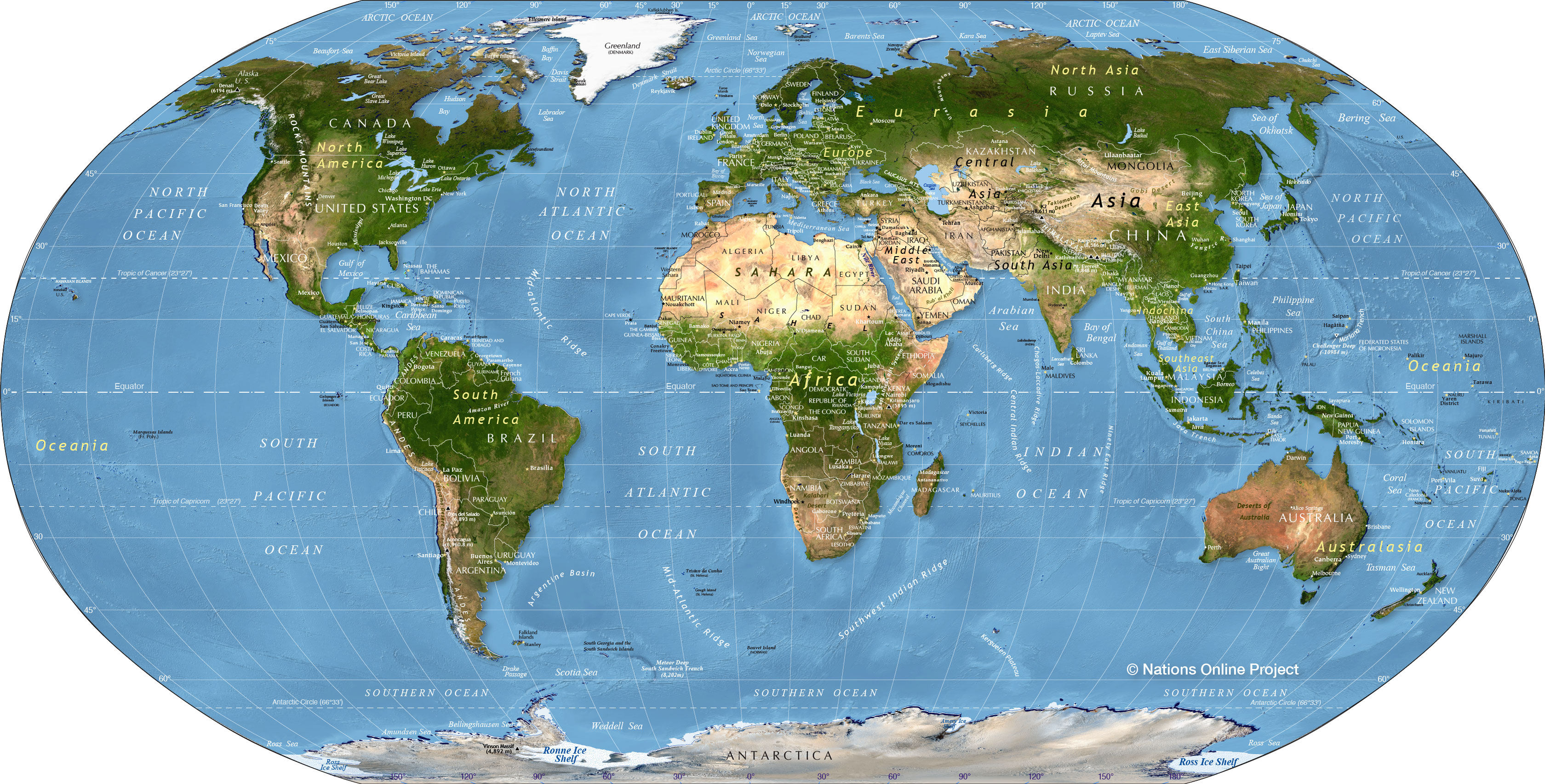
To truly understand this map, we must move beyond simplistic labels and delve into the distinct identities, histories, and interconnections of the Unangan (Aleut), Alutiiq (Sugpiaq), and Yup’ik peoples, who form the primary Indigenous tapestry of the Aleutian chain and its immediate continental vicinity.
The Unangan (Aleut): Masters of the Treacherous Seas
At the heart of the Aleutian Islands themselves are the Unangan, more commonly known as the Aleut. Their name, "Unangan," translates to "people of the eastern region," reflecting their ancient origins and their deep connection to this unique environment. For over 9,000 years, the Unangan have inhabited these islands, developing an astonishingly sophisticated culture perfectly attuned to the harsh, marine-rich ecosystem.
Their traditional territory stretched from the Commander Islands in the west (now part of Russia) across the entire Aleutian chain to the tip of the Alaska Peninsula. This vast maritime domain fostered a singular way of life centered on the sea. The Unangan were, and remain, unparalleled mariners. Their iconic qayaq (kayak) and the larger, multi-person baidarka were engineering marvels: sleek, fast, and remarkably seaworthy skin boats, capable of navigating the Aleutians’ notoriously turbulent waters. These vessels were not just transportation; they were extensions of the hunter, essential tools for pursuing seals, sea lions, otters, whales, and the abundant fish that formed the cornerstone of their diet.
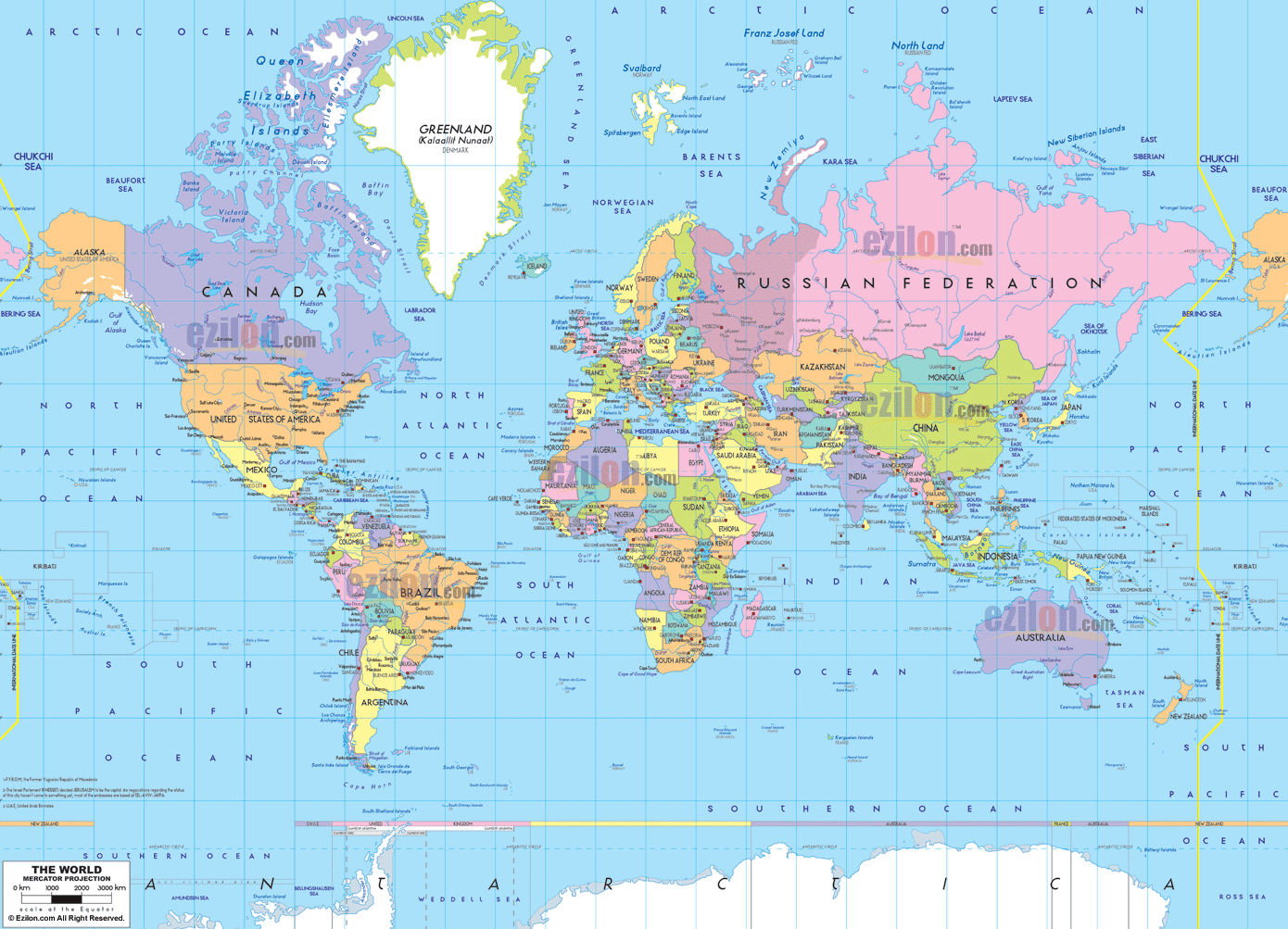
Unangan identity is inextricably linked to their environment. Their spiritual beliefs, oral traditions, and intricate material culture all reflect this deep bond. Their homes, called barabaras, were semi-subterranean structures, expertly insulated with sod and driftwood, providing warmth and shelter against the relentless winds. Their clothing, crafted from the skins of birds, seals, and sea otters, was not only practical but beautifully adorned, showcasing their artistic prowess. Basketry, meticulously woven from rye grass, reached an astonishing level of fineness, often compared to woven fabric.
The Unangan language, Unangam Tunuu, is part of the Eskimo-Aleut language family, distinct from their neighbors. Its complex grammar and rich vocabulary reflect a nuanced understanding of their world, particularly the sea, weather, and marine life. Though severely impacted by historical events, efforts to revitalize Unangam Tunuu are central to contemporary Unangan identity and cultural preservation.
The Alutiiq (Sugpiaq): Coastal Kin Across the Gulf
Moving eastward from the Aleutian chain, primarily along the Alaska Peninsula, Kodiak Island, and the Prince William Sound, we encounter the Alutiiq, also known as Sugpiaq. While often grouped geographically with the Aleut, the Alutiiq are a distinct cultural and linguistic group, though they share many similarities due to their shared maritime environment and historical interactions. Their language, Alutiiq, is a Yup’ik language, differentiating them linguistically from the Unangan.

Like the Unangan, the Alutiiq are a coastal people, their lives revolving around the rich resources of the Gulf of Alaska. They, too, were expert qayaq builders and hunters, their subsistence practices mirroring those of the Unangan. However, their cultural expressions, particularly in their art, masks, and spiritual practices, possess unique characteristics. The Alutiiq territory, with its slightly less extreme weather than the outer Aleutians, allowed for different forms of social organization and resource management.
Their history, too, intersects with and diverges from that of the Unangan. Both experienced the devastating impact of Russian colonization, but the specifics of forced labor, resource exploitation, and cultural suppression varied. Today, Alutiiq communities are fiercely dedicated to revitalizing their language, traditional arts (such as mask carving and skin sewing), and traditional ecological knowledge, ensuring their distinct identity continues to flourish.
The Yup’ik: The Bering Sea’s Enduring People
Further north and west along the Bering Sea coast of mainland Alaska, extending into the vast Yukon-Kuskokwim Delta, lie the territories of the Yup’ik people. While not directly on the Aleutian chain, their proximity to the Alaska Peninsula and their shared linguistic roots with the Alutiiq place them firmly on any comprehensive "map" of Indigenous peoples near the Aleutians. The Yup’ik are one of the largest Indigenous groups in Alaska, comprising several distinct dialects and regional variations, including Central Alaskan Yup’ik, Siberian Yupik (St. Lawrence Island), and Naukan Yupik.
Yup’ik culture is profoundly shaped by the immense deltaic environment and the Bering Sea. They are renowned for their sophisticated understanding of ice and sea conditions, their elaborate mask-making traditions used in ceremonies and dances, and their deep spiritual connection to the animal world. Subsistence hunting of seals, walrus, and caribou, alongside extensive fishing for salmon and whitefish, remains central to their way of life and cultural identity.
Yup’ik language, like Alutiiq, is part of the Eskimo-Aleut family, but distinct from Unangam Tunuu. It is one of the most vibrant Indigenous languages in Alaska, with a relatively high number of fluent speakers. Yup’ik identity is also strongly tied to their oral traditions, which include epic stories, songs, and dances that convey their history, values, and relationship with the spiritual and natural worlds.

The Shifting Map: A History of Contact and Resilience
For millennia, these distinct but often interconnected peoples thrived, their societies evolving in harmony with their demanding environments. This ancient "map" of self-sufficient, culturally rich communities was irrevocably altered with the arrival of European explorers and traders.
The Russian Era (Mid-18th Century – 1867): The 1741 expedition of Vitus Bering brought Russian fur traders (promyshlenniki) to the Aleutian Islands. What followed was a period of immense suffering and cultural upheaval for the Unangan and Alutiiq. Driven by the insatiable demand for sea otter pelts, the Russians enslaved Indigenous hunters, forcing them to work under brutal conditions. Disease, to which the Native populations had no immunity, decimated communities. Villages were destroyed, traditional social structures undermined, and language and spiritual practices suppressed. This era marked a catastrophic demographic collapse for the Unangan, reducing their population by as much as 90% in some areas. Despite this devastation, the Unangan demonstrated remarkable resilience, subtly adapting aspects of Russian culture, including elements of the Russian Orthodox faith, while fiercely preserving their core identity.
The American Era (1867 – Present): With the Alaska Purchase in 1867, the Aleutians and surrounding territories came under American control. While the brutality of the fur trade waned, new challenges emerged. American policies of assimilation, including the establishment of boarding schools, further aimed to suppress Indigenous languages and cultures. Resource extraction continued, with commercial fishing and whaling impacting traditional subsistence practices.
World War II and its Trauma: One of the most traumatic chapters for the Unangan people occurred during World War II. In 1942, Japanese forces invaded the Aleutian islands of Attu and Kiska. In response, the U.S. government forcibly evacuated nearly 900 Unangan civilians from their homes across the Aleutians and Pribilof Islands. They were interned in deplorable, makeshift camps in Southeast Alaska, often without adequate food, shelter, or medical care. Many perished from disease and neglect. Their homes were ransacked or destroyed, and their churches desecrated. When they were finally allowed to return after the war, they found their villages ruined, their belongings gone, and their way of life profoundly disrupted. This forced relocation and internment is a deeply painful part of Unangan history, a testament to government negligence and racial prejudice.
Identity and the Future: A Living Map
Today, the map of Indigenous tribes near the Aleutian Islands is one of enduring strength, cultural revitalization, and self-determination. The Alaska Native Claims Settlement Act (ANCSA) of 1971 profoundly reshaped land ownership and political structures, creating regional and village corporations that are now vital economic and cultural forces.
Contemporary Unangan, Alutiiq, and Yup’ik communities are actively engaged in preserving and promoting their heritage. This includes:
- Language Revitalization: Programs to teach Unangam Tunuu, Alutiiq, and Yup’ik to younger generations are flourishing, recognizing language as the cornerstone of cultural identity.
- Traditional Arts and Crafts: The intricate basketry of the Unangan, the powerful masks of the Alutiiq and Yup’ik, and the ancient skills of skin sewing and boat building are being taught and celebrated.
- Subsistence Rights: Protecting the right to hunt, fish, and gather traditional foods remains paramount, linking modern communities to their ancestral practices and ensuring food security.
- Environmental Stewardship: With millennia of living in harmony with the land and sea, Indigenous communities are at the forefront of advocating for environmental protection, particularly in the face of climate change and industrial development threats.
- Self-Governance and Advocacy: Tribal governments and Alaska Native organizations play crucial roles in advocating for their people’s rights, managing resources, and shaping their own futures.
A journey through the Aleutian Islands and the adjacent Alaskan coastline offers more than just stunning scenery. It offers a profound opportunity to engage with a living map of Indigenous cultures – the Unangan, Alutiiq, and Yup’ik peoples – whose histories are deeply intertwined with this unique land and sea. Their stories are not relics of the past but vibrant narratives of resilience, adaptation, and an unwavering commitment to their identity, inviting visitors to learn, respect, and connect with a heritage as vast and enduring as the Aleutian horizon itself.

