
The Living Map: Navigating the Native American Nations of the Rocky Mountains
The Rocky Mountains, a majestic spine of North America, are often celebrated for their breathtaking peaks, pristine wilderness, and abundant wildlife. Yet, beneath the surface of this natural grandeur lies a profound and complex human history, etched into every canyon, river, and alpine meadow. This isn’t just a landscape; it is, and always has been, a homeland—a living map of Native American tribes whose identities, histories, and spiritualities are inextricably bound to these "Shining Mountains." For anyone seeking to understand the true spirit of the Rockies, a journey into the rich tapestry of its Indigenous nations is essential, offering a narrative far deeper and more enduring than any geological survey.
The Land as Teacher: Shaping Diverse Identities
Before the arrival of European explorers, and long before the concept of fixed, geopolitical borders, the Rocky Mountains were a dynamic mosaic of interconnected territories. The diverse ecosystems—from arid sagebrush flats at the base to dense coniferous forests and treeless alpine tundra—dictated distinct ways of life, fostering a remarkable array of cultural adaptations. Tribes learned to read the land, moving with the seasons, following game, and harvesting nature’s bounty with profound knowledge and respect. This intimate relationship with the environment became the bedrock of their identities, influencing everything from their social structures and spiritual beliefs to their languages and material cultures.
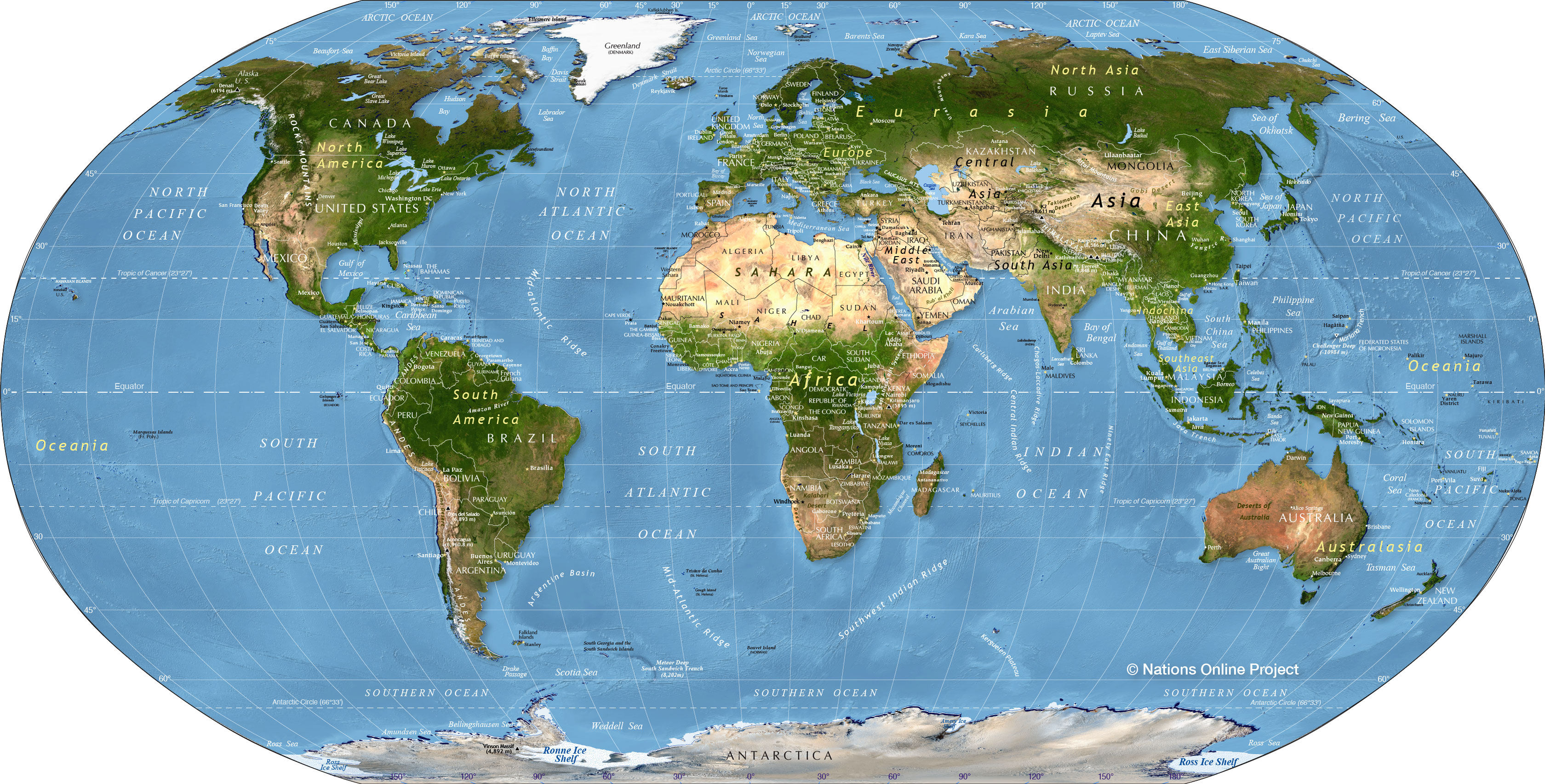
The term "Rocky Mountain tribes" itself is a simplification. It encompasses groups whose primary territories lay deep within the mountain ranges, those who used the mountains as vital seasonal hunting grounds or places of refuge, and those who navigated the transition zones between the mountains and the vast plains to the east or the plateaus to the west. Their "map" was not static lines on paper, but a dynamic, lived experience of trails, hunting grounds, sacred sites, and inter-tribal relationships.
A Tapestry of Nations: Exploring Key Inhabitants
To truly appreciate the Indigenous map of the Rockies, we must delve into the specific nations that called these mountains home:
1. The Ute Nation (Núuchi): Guardians of the Central Rockies
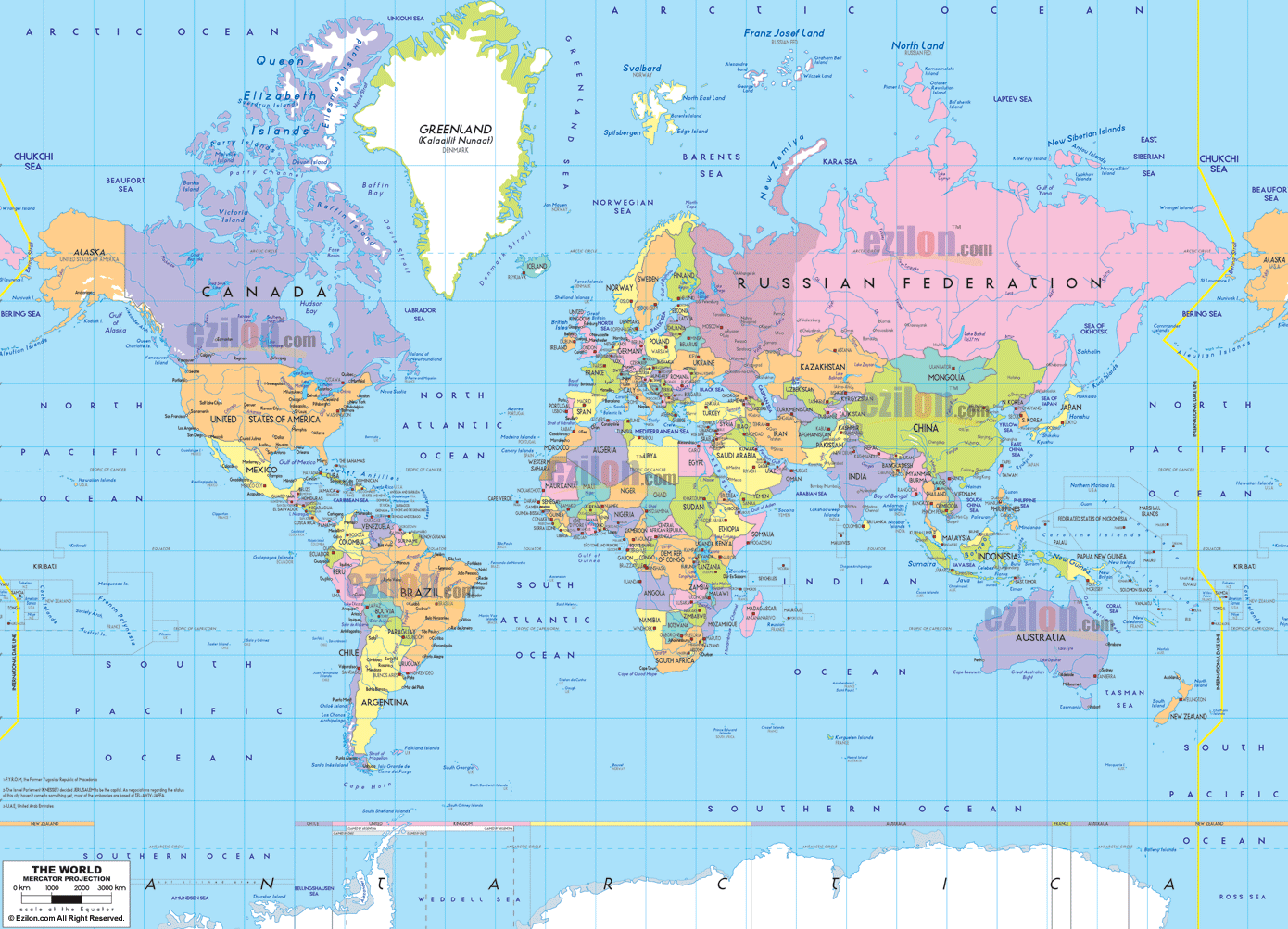
Perhaps no tribe is more synonymous with the central Rocky Mountains than the Ute. Their ancestral lands, encompassing much of present-day Colorado and Utah, earned them the moniker "People of the Shining Mountains." The Ute were highly mobile hunter-gatherers, adept at navigating the rugged terrain. With the introduction of the horse, they became skilled riders and hunters, pursuing deer, elk, and bison, often venturing onto the plains. Their deep spiritual connection to the land is evident in their oral traditions, which speak of sacred peaks and healing springs. Ute identity is marked by resilience, as they endured significant displacement but continue to thrive today, maintaining strong cultural ties to their ancestral lands.
2. The Shoshone (Newe): Spanning the Great Basin and Beyond
The Shoshone, whose name means "Grass House People," held vast territories stretching from the Great Basin across the Intermountain West and into the western slopes of the Rockies. Different bands adapted to varying environments: the "Mountain Shoshone" (often called Sheep Eaters) were uniquely adapted to high-altitude living, hunting bighorn sheep and other mountain game, while others, like the Eastern Shoshone, embraced horse culture and bison hunting on the plains, often crossing the Rockies for these pursuits. Their cultural identity is characterized by adaptability, resourcefulness, and a strong sense of community, with kinship ties forming the bedrock of their social structure.
3. The Crow (Apsáalooke): Masters of the Northern Plains and Mountain Foothills

While primarily known as a Plains tribe, the Crow’s ancestral lands extended into the northern Rocky Mountain foothills of Montana and Wyoming. The mountains provided crucial winter shelter, timber, and diverse game like bighorn sheep and elk, complementing their bison hunting on the plains. The Apsáalooke, or "Children of the Large-Beaked Bird," were renowned for their horsemanship, elaborate tipis, and complex social structures, including distinct clans and warrior societies. Their identity is fiercely independent, deeply spiritual, and intertwined with both the expansive plains and the protective embrace of the mountains.
4. The Cheyenne (Tsitsistas/So’taeo’o) and Arapaho (Hinono’eino): Nomads of the Eastern Front
These closely allied Plains tribes often utilized the eastern slopes and valleys of the Colorado Rockies. The mountains offered respite from harsh plains winters, sacred sites for vision quests, and additional hunting grounds. Both the Cheyenne and Arapaho developed highly sophisticated horse cultures, organized into bands and warrior societies, with rich oral traditions and spiritual ceremonies. Their identity reflects a dynamic interplay between the open plains and the rugged mountains, using both environments to sustain their way of life and spiritual practices.
5. The Flathead (Salish) and Kootenai (Ktunaxa): Peoples of the Northern Valleys
In the northern Rockies, specifically in what is now Montana and Idaho, lived the Confederated Salish and Kootenai Tribes. The Salish, often referred to as "Flathead," were riverine people, utilizing the Flathead River and Lake for fishing, while also hunting big game in the surrounding mountains. The Kootenai, speaking a distinct language isolate, were also adept hunters and fishermen, known for their unique Sturgeon-nosed canoes. Both groups maintained sophisticated trade networks and adapted to the specific challenges and opportunities presented by the northern Rocky Mountain environment, their identity rooted in a balanced relationship with the land and water.
6. The Nez Perce (Nimíipuu): Traversing the Peaks

While primarily a Plateau tribe, the Nez Perce, or "Nimíipuu" ("The People"), utilized the Bitterroot Mountains and other ranges of the northern Rockies for hunting, gathering, and spiritual practices. Renowned for their selective horse breeding (developing the Appaloosa), they were skilled travelers, moving between the salmon-rich rivers of the Plateau and the game-filled mountain forests. Their epic resistance in 1877, attempting to reach Canada through the daunting mountain passes, stands as a testament to their intimate knowledge of the terrain and their unyielding spirit.
7. Apache and Navajo (Diné): Southern Mountain Dwellers
In the southern reaches of the Rockies, particularly in New Mexico and Arizona, various Apache groups, such as the Jicarilla Apache, made their homes. These highly adaptable hunter-gatherers and raiders utilized the mountains as defensive strongholds and rich hunting grounds. The Navajo (Diné), though often associated with the Four Corners region’s mesas and canyons, also had bands that frequented the eastern slopes of the Rockies for resources and spiritual connection, their identity deeply tied to the land and a complex spiritual cosmology.
Shared Threads: Culture, Spirituality, and Resilience
Despite their distinct languages and specific cultural practices, many Rocky Mountain tribes shared common threads that wove through their identities:
- Deep Connection to Land: The mountains were not just a resource; they were sacred. Peaks were homes to spirits, valleys held ancient stories, and specific sites were used for ceremonies, vision quests, and healing. This spiritual stewardship meant understanding the interconnectedness of all life.
- Mobility and Adaptation: The seasonal rhythms of the mountains dictated movement. Whether pursuing bison, elk, or bighorn sheep, or gathering berries, roots, and medicinal plants, tribes were constantly in motion, their camps shifting with the available resources. The horse revolutionized this mobility for many, enhancing hunting efficiency and expanding trade networks.
- Oral Traditions: History, laws, values, and spiritual teachings were passed down through generations via storytelling. These narratives often featured the mountains as central characters, shaping identity and conveying a profound sense of place.
- Resilience: The ability to adapt to harsh environments and survive long, cold winters fostered a deep-seated resilience that would later be tested by immense external pressures.
The Winds of Change: European Arrival and Its Aftermath
The arrival of European fur traders, explorers, and later, miners and settlers, irrevocably altered the Indigenous map of the Rockies. Initial encounters brought new goods, technologies, and devastating diseases that decimated populations. The 19th century saw a dramatic acceleration of land encroachment, driven by the California Gold Rush, the Homestead Act, and the expansion of railroads.
This era was marked by conflict, broken treaties, and forced removals. Tribes like the Ute were systematically dispossessed of their ancestral lands in Colorado, confined to reservations in Utah. The Nez Perce’s epic flight through the mountains underscored the desperate struggle to maintain their freedom and homeland. The "Indian Wars" were not just battles for territory but profound clashes of worldviews, where the Indigenous concept of shared, living land clashed with the European notion of private, exploitable property. The imposition of reservation boundaries, often on less desirable lands, fragmented tribal territories and disrupted traditional ways of life, leading to immense suffering and loss.
Enduring Legacy: Resilience and Revival in the Modern Era
Despite centuries of dispossession, assimilation policies, and the profound trauma of historical injustices, the Native American nations of the Rocky Mountains have demonstrated extraordinary resilience. Their identities, forged in the crucible of these mountains, have not been extinguished.
Today, tribes like the Ute, Shoshone, Crow, Salish, Kootenai, Nez Perce, Cheyenne, Arapaho, Apache, and Navajo are vibrant, self-governing nations. They are actively engaged in cultural revitalization, language preservation, and the assertion of their inherent sovereignty. Modern maps might show reservations, but the spiritual and cultural map of Indigenous presence in the Rockies extends far beyond these lines. Tribal members continue to visit sacred sites, practice traditional ceremonies, and pass down ancestral knowledge.
Their voices are increasingly heard in conversations about land management, environmental protection, and historical interpretation. They are not just figures of the past but living communities whose perspectives are vital for understanding and shaping the future of the Rocky Mountains.
Conclusion: A Deeper Journey
To travel through the Rocky Mountains with an awareness of its Indigenous history is to embark on a far richer and more meaningful journey. It’s to see the mountains not just as geological formations but as landscapes imbued with millennia of human experience—of hunting, gathering, ceremony, struggle, and enduring spiritual connection. The "map" of Native American tribes in the Rockies is not a static artifact but a dynamic, living narrative that continues to unfold. By seeking to understand and respect these sovereign nations and their profound relationship with this land, we honor their legacy and gain a deeper appreciation for the true, multifaceted identity of the magnificent Rocky Mountains. It’s an education in history, identity, and the enduring power of place that transcends any conventional travel guide.

