
Navigating the Arctic’s Indigenous Tapestry: A Map of History, Identity, and Resilience
The Arctic, a vast and often misunderstood region, is far more than a desolate icy expanse. It is a vibrant homeland, shaped by millennia of human ingenuity and profound cultural connection. A map detailing the Native American tribes of the Arctic is not merely a geographical representation; it is a profound narrative, illustrating the deep historical roots, unique identities, and unwavering resilience of the peoples who have thrived in one of the planet’s most challenging environments. For the curious traveler and the earnest student of history alike, this map serves as an indispensable guide to understanding a rich and enduring human story.
Defining the Arctic and Its First Peoples
When we speak of "Native American tribes in the Arctic," we are primarily referring to the Indigenous peoples inhabiting the circumpolar region of North America, encompassing Alaska, the Canadian Arctic, and Greenland. While "Native American" is a broad term, within the Arctic context, it predominantly includes the Inuit (with their numerous subgroups like Inupiat, Yup’ik, Kalaallit, Inuvialuit, and various Nunavut and Labrador Inuit communities), the Aleut, and certain Athabaskan-speaking groups, most notably the Gwich’in, whose traditional territories stretch into the boreal forests and tundra of Alaska and Canada. The map vividly delineates these vast territories, showing how distinct linguistic and cultural groups adapted to specific ecological niches, from the treeless tundra to the coastal ice edges.
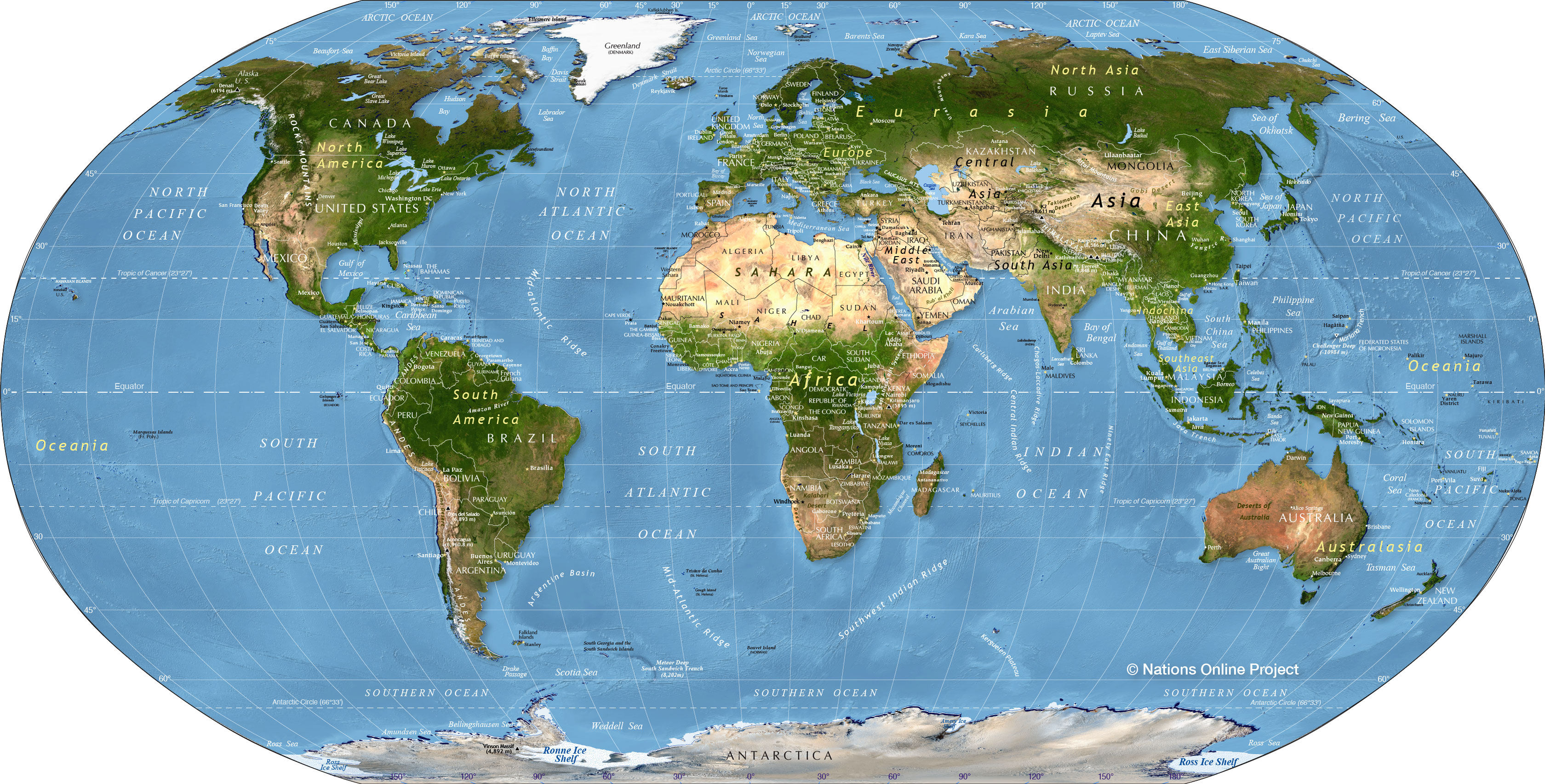
The very distribution of these groups on a map speaks volumes. It highlights the vast distances traveled, the resource specializations, and the subtle, yet significant, cultural variations that emerged across the immense Arctic landscape. Unlike the densely packed tribal territories of more temperate regions, Arctic territories are often sprawling, reflecting the lower population densities necessitated by a subsistence lifestyle in a resource-scarce environment.
A Deep Dive into History: Ancient Roots and Unparalleled Adaptation
The history of Arctic Indigenous peoples is one of remarkable survival and innovation, stretching back thousands of years. The earliest human migrations into North America, often associated with the Beringia land bridge, laid the groundwork for the unique cultures that would later flourish in the Arctic.
Paleo-Arctic and Arctic Small Tool Traditions: Archaeological evidence points to early inhabitants, such as those of the Paleo-Arctic tradition, who were present in Alaska as far back as 10,000 to 12,000 years ago. These were followed by the "Arctic Small Tool Tradition" (ASTt) peoples, who emerged around 5,000 years ago, characterized by their distinctive microblade technology and their spread across the entire North American Arctic, reaching Greenland. These early cultures were highly mobile hunters, utilizing bone, ivory, and stone tools to hunt caribou, seals, and other Arctic fauna.
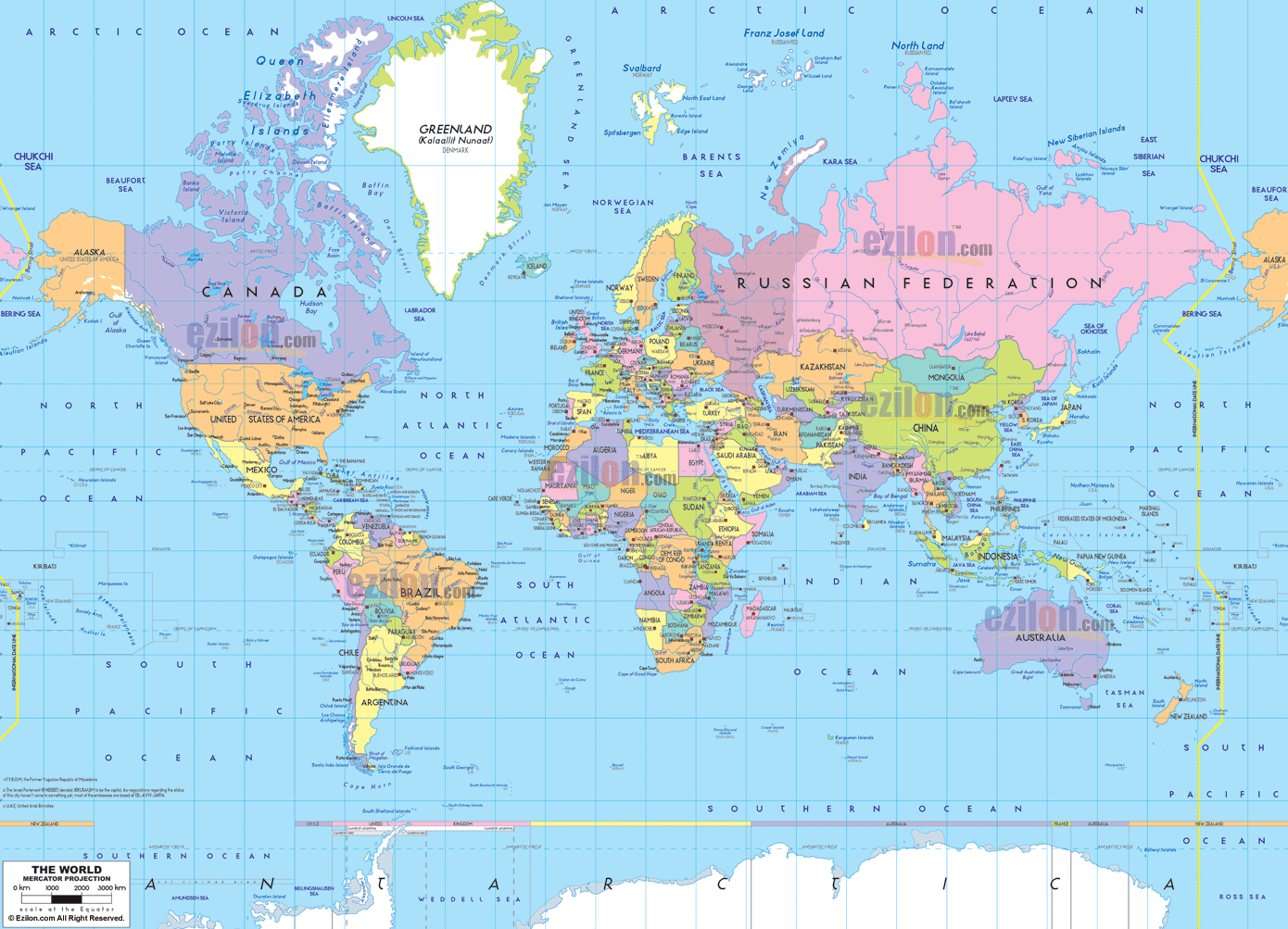
The Rise of the Thule Culture: A pivotal development in Arctic history was the emergence of the Thule culture around 1,000 years ago in Alaska. These people, direct ancestors of today’s Inuit, possessed advanced technologies for marine hunting, including sophisticated harpoons, kayaks (single-person hunting boats), and umiaks (larger open skin boats). Their ability to hunt large marine mammals like whales and walrus allowed them to expand rapidly eastward across the Canadian Arctic and into Greenland, largely displacing or absorbing the earlier Dorset culture. The Thule expansion is a testament to their incredible adaptability and technological prowess, fundamentally shaping the ethnolinguistic map of the Arctic as we know it today.
Mastering the Environment: The historical map of Arctic tribes is a testament to ingenious adaptation. These communities developed a profound understanding of their environment, crafting tools, shelters, and clothing perfectly suited for extreme cold. Igloos (snow houses), sod houses, and tent structures provided shelter. Intricately designed caribou skin and seal skin parkas, mittens, and boots offered unparalleled warmth. Their deep knowledge of animal behavior, ice conditions, and celestial navigation was critical for survival. Oral traditions, passed down through generations, served as living repositories of this vital knowledge, recounting migrations, successful hunts, warnings of famine, and the spiritual connections binding people to the land and its creatures.
Colonial Encounters and Enduring Impact
The arrival of Europeans brought profound and often devastating changes to the Arctic. While initially sporadic, contact intensified over centuries, leaving an indelible mark on Indigenous societies.

Early Explorers and Whalers: Beginning with Viking explorations in Greenland, followed by Russian traders in Alaska, and British and American whalers and explorers across the High Arctic, European presence gradually increased. These encounters introduced new goods like metal tools, firearms, and tea, which sometimes integrated into traditional economies, but also brought devastating diseases against which Indigenous peoples had no immunity. Smallpox, influenza, and tuberculosis decimated populations, disrupting social structures and oral histories.
Resource Exploitation and Sovereignty: The pursuit of furs, whales, and minerals by external powers often led to the exploitation of Indigenous labor and resources. The establishment of national borders – American, Canadian, and Danish – further complicated traditional nomadic patterns and divided families and communities who had historically moved freely across vast territories. This imposition of external sovereignty often disregarded existing Indigenous land tenure systems and political organizations.
Cultural Suppression and Assimilation: The 19th and 20th centuries witnessed aggressive policies of assimilation, particularly in Canada and the United States. Residential schools (or boarding schools in the US) forcibly removed children from their families, suppressing Indigenous languages, spiritual practices, and cultural identity. Forced relocations, often for administrative convenience or geopolitical reasons (such as during the Cold War when the Arctic gained strategic military importance), further disrupted traditional ways of life and connection to ancestral lands. The map, in this context, becomes a silent witness to these historical injustices, showing the territories that were governed without the consent of their original inhabitants.
Identity: Cultures Forged in Ice and Spirit
Despite centuries of external pressure, the Indigenous peoples of the Arctic have maintained strong, distinct identities rooted in their unique histories, languages, and deep connection to their homelands.
Language as a Cornerstone: Languages like Inuktitut, Yup’ik, Aleut, and Gwich’in are more than just means of communication; they are reservoirs of traditional knowledge, cultural values, and specific worldviews. Each word often carries layers of meaning, reflecting the intimate relationship between people and their environment (e.g., the numerous terms for snow and ice). While many Indigenous languages faced severe decline due to assimilation policies, there are ongoing, vigorous efforts today to revitalize and strengthen them through education, media, and community initiatives.

Traditional Knowledge (IQ/TEK): The accumulated knowledge of generations—Traditional Ecological Knowledge (TEK) or Indigenous Knowledge (IQ)—is a defining aspect of Arctic identity. This encompasses an unparalleled understanding of weather patterns, animal migrations, plant uses, navigation, and sustainable resource management. In an era of rapid climate change, this knowledge is proving invaluable, offering critical insights into environmental shifts and adaptation strategies. It is a living, evolving body of knowledge, passed from elders to youth, forming an unbreakable link to the past and a guide for the future.
Art, Storytelling, and Spirituality: Arctic Indigenous cultures are rich in artistic expression and storytelling. Inuit carvings in soapstone, ivory, and bone, depicting animals, spirits, and human figures, are renowned worldwide. Drum dancing, throat singing, and oral narratives are powerful forms of cultural transmission, preserving history, teaching values, and celebrating community. Traditional spiritual beliefs, often characterized by a profound respect for nature and the interconnectedness of all living things, continue to influence contemporary identity, even alongside the adoption of other faiths. Shamans, historically revered as healers and intermediaries with the spirit world, represent a deep spiritual heritage.
Subsistence and Connection to Land: For many Arctic communities, a subsistence lifestyle – hunting seals, whales, caribou, fishing, and gathering berries – remains central to their identity, food security, and cultural practice. It is not merely about obtaining food; it is about maintaining a relationship with the land and sea, passing on hunting skills, and reinforcing community bonds. This deep connection to the land is a core tenet of their identity, influencing their political aspirations and their stance on resource development.
Self-Determination and Modern Governance: The late 20th and early 21st centuries have seen significant strides in self-determination. Land claims agreements, such as the Alaska Native Claims Settlement Act (ANCSA) in the United States and the creation of Nunavut in Canada (the largest Indigenous-governed territory in the world), represent monumental achievements. These agreements have empowered Indigenous communities to exert greater control over their lands, resources, and governance, ensuring that their voices are heard in decisions affecting their future.
The Map as a Living Document: Modern Relevance
Today, the map of Native American tribes in the Arctic is more than a historical artifact; it is a dynamic document reflecting ongoing challenges and triumphs.
Climate Change at the Forefront: The Arctic is warming at twice the global average, and its Indigenous inhabitants are on the front lines of climate change. The map visually represents the communities directly impacted by melting sea ice, thawing permafrost, coastal erosion, and changes in animal migration patterns. Understanding where these communities are located on the map helps to grasp the immediacy and scale of the climate crisis for these cultures. Their traditional knowledge is crucial for understanding these changes and developing adaptive strategies.
Resource Development and Environmental Stewardship: The Arctic is rich in oil, gas, and mineral resources, leading to increasing pressure for industrial development. The map becomes a tool for visualizing the potential conflicts between economic development and environmental protection, and it highlights the Indigenous communities who are advocating for responsible stewardship, free, prior, and informed consent, and the protection of their traditional territories.
Cultural Tourism and Education: For travelers seeking authentic experiences and deeper understanding, the map serves as an educational entry point. It encourages respectful engagement, guiding visitors to appreciate the diversity of cultures and the importance of supporting Indigenous-led tourism initiatives. By visiting communities marked on the map, travelers can learn directly from elders, witness traditional arts, and gain insights into contemporary Arctic life. It fosters an understanding that these are not relics of the past but living, evolving cultures.
Decolonizing Geography: Increasingly, efforts are being made to decolonize maps by restoring traditional Indigenous place names and recognizing Indigenous perspectives on geography. This process is vital for reclaiming cultural identity and correcting historical erasures, making the map a more accurate and respectful representation of the land and its original inhabitants.
Conclusion
The map of Native American tribes in the Arctic is a powerful testament to the enduring human spirit. It charts not just geographical locations, but thousands of years of history, innovation, and unwavering cultural identity. From the ancient migrations across Beringia to the sophisticated Thule expansion, and through the profound challenges of colonial contact, Arctic Indigenous peoples have demonstrated extraordinary resilience. Today, as they navigate the complexities of climate change, resource development, and self-determination, their voices and their unique ways of life remain vital. For anyone seeking to understand the Arctic, this map is an invitation to explore a rich tapestry of human experience, a journey into cultures that have mastered the ice, nurtured their spirits, and continue to thrive in one of the world’s most magnificent and unforgiving landscapes.

