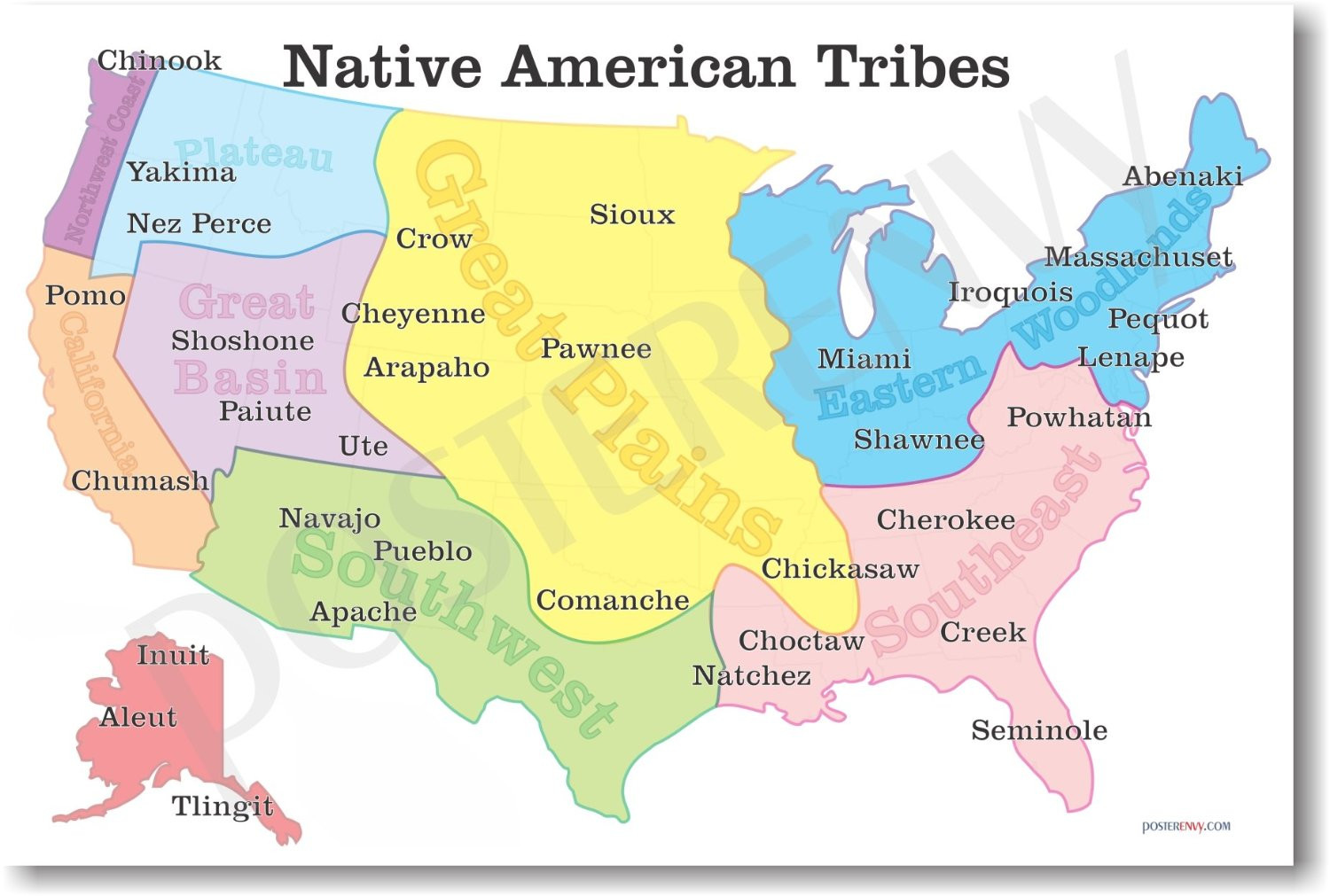
Beyond Borders: Navigating the Map of Native American Tribal Governments, History, and Identity
The map of Native American tribal governments is far more than a cartographic representation of land; it is a living document of enduring sovereignty, complex histories, and vibrant identities. For travelers, educators, and anyone seeking a deeper understanding of North America, comprehending this intricate political and cultural landscape is essential. This article delves into the profound significance of these maps, exploring the historical journey that shaped them, the foundational principles of tribal sovereignty, and the rich tapestry of Indigenous identities that continue to thrive.
The Land Before the Lines: A History of Nations
To understand the current map of tribal governments, one must first look back to the time before European contact. North America was not an empty wilderness but a continent teeming with hundreds of distinct nations, each with unique languages, governance structures, spiritual beliefs, and economies. From the agricultural societies of the Pueblo peoples in the Southwest to the sophisticated confederacies of the Iroquois in the Northeast, Indigenous peoples had established complex systems of law, trade, and diplomacy. These were self-sufficient, sovereign nations in every sense of the word.
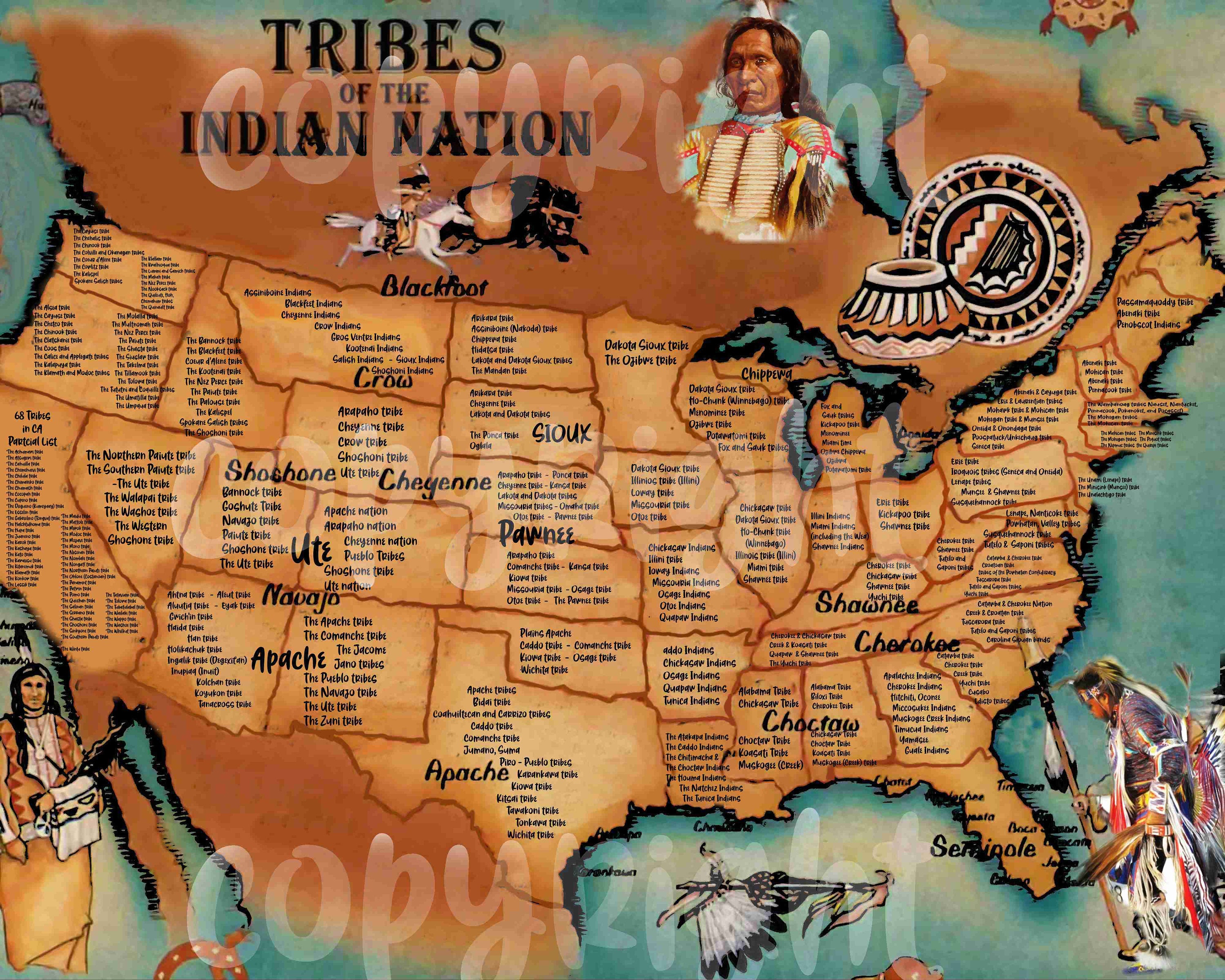
The arrival of European colonizers initiated a cataclysmic shift. Disease, displacement, and the relentless pressure of colonial expansion dramatically altered the demographic and political landscape. Despite these assaults, many tribes fiercely resisted, adapting and enduring. The period of early American nation-building was characterized by a complex and often contradictory relationship with Native nations. The U.S. Constitution, in fact, recognizes treaties with Indigenous tribes as the "supreme Law of the Land," acknowledging their inherent sovereignty. However, this recognition was frequently undermined by policies designed to dispossess Native peoples of their land and assimilate them into American society.
The 19th century saw the most egregious acts of forced removal, epitomized by the Indian Removal Act of 1830 and the subsequent "Trail of Tears," which forcibly relocated thousands of Cherokee, Choctaw, Chickasaw, Creek, and Seminole peoples from their ancestral lands in the Southeast to Indian Territory (present-day Oklahoma). The creation of reservations, often on marginal lands far removed from traditional territories, further cemented a new, imposed geographical reality. These reservations, while intended to confine and control, ironically became the last bastions of tribal culture and self-governance.
The late 19th and early 20th centuries brought further attempts at assimilation, including the Dawes Act (1887), which broke up communal tribal lands into individual allotments, and the notorious Indian boarding schools, designed to "kill the Indian to save the man" by stripping children of their language, culture, and identity. This era represented a direct assault on the very fabric of tribal identity and governance.
However, the mid-20th century marked a turning point. The Indian Reorganization Act of 1934 provided a limited framework for tribal self-governance, and the Civil Rights Movement of the 1960s spurred a broader national conversation about justice and equality, leading to the Indian Self-Determination and Education Assistance Act of 1975. This landmark legislation formally recognized the right of tribes to administer federal programs for their own communities, ushering in an era of increased tribal control over their own affairs. This historical trajectory, from independent nations to forced subjugation and finally to a resurgence of self-determination, is etched onto the very boundaries and designations found on contemporary maps of tribal governments.

The Power of the Map: Understanding Tribal Sovereignty
At its core, the map of Native American tribal governments illustrates the concept of tribal sovereignty. This is not a right granted by the United States government but an inherent authority that predates the formation of the U.S. It is the power of a tribal nation to govern itself, define its own citizenship, manage its lands and resources, develop its own laws, and exercise jurisdiction over its people and territory.
Currently, there are 574 federally recognized Native American tribes in the United States, each existing as a distinct, self-governing political entity. These tribes possess what is often referred to as "nation-to-nation" status with the U.S. federal government, meaning that the relationship is one between two sovereign powers. This unique legal and political status is often misunderstood. Tribal governments are not mere subdivisions of states or the federal government; they are distinct governments with their own inherent powers.
What does this mean in practice?
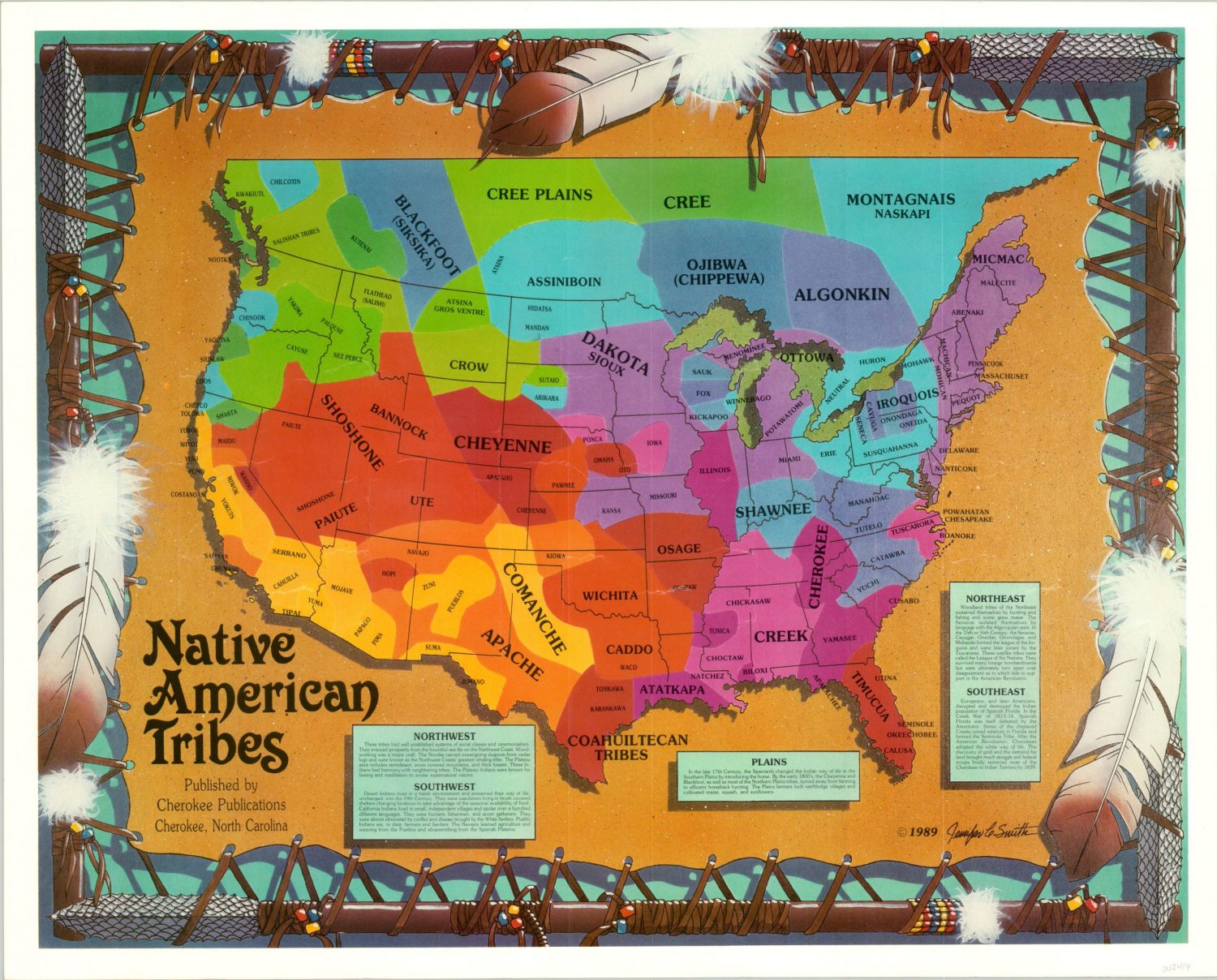
- Law Enforcement and Justice: Many tribes operate their own police forces, tribal courts, and detention facilities, administering justice according to their own laws and cultural norms.
- Resource Management: Tribes manage their own lands, water rights, and natural resources, making decisions about environmental protection, agriculture, and energy development.
- Economic Development: Tribal nations engage in a wide range of economic activities, from tourism and gaming to agriculture, energy production, and high-tech industries, often creating jobs and generating revenue that supports tribal services.
- Social Services: Tribes often administer their own healthcare systems, educational institutions, housing programs, and social welfare services, tailoring them to the specific needs and cultural contexts of their communities.
- Cultural Preservation: Crucially, tribal governments play a vital role in preserving and promoting their unique languages, traditions, and cultural practices, often through education programs, cultural centers, and language immersion initiatives.
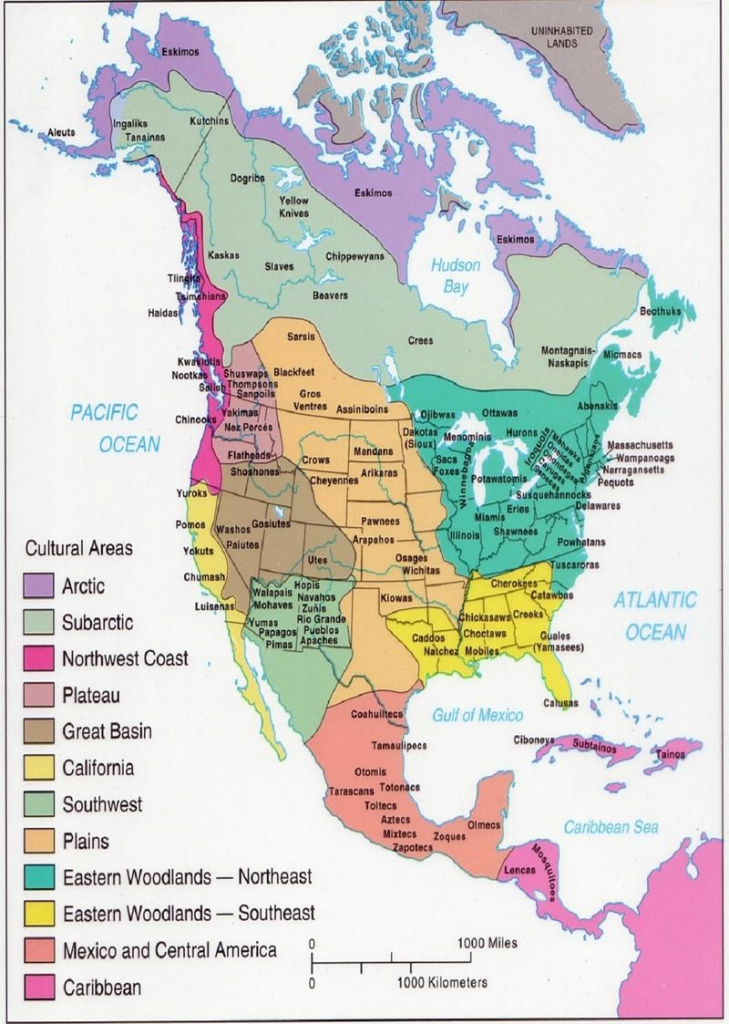
The map, therefore, highlights areas where tribal laws and governance structures apply. It shows where different systems of law, taxation, and public services operate, often adjacent to state and county jurisdictions. This complex interplay can sometimes lead to jurisdictional challenges, but it fundamentally underscores the unique legal geography of the United States.
Identity Beyond Borders: Culture, Language, and Spirituality
While the map delineates political boundaries, it also implicitly outlines the enduring heart of Native American identity. Identity is not static; it is a dynamic interplay of history, land, language, spirituality, and community. For Indigenous peoples, this connection is profound and multi-faceted.
Connection to Land: For many Native nations, the land is not merely property but a living entity, imbued with spiritual significance and ancestral memory. Traditional territories, even those far beyond current reservation boundaries, remain central to identity, providing a sense of belonging, purpose, and continuity. Sacred sites, ancestral burial grounds, and traditional resource areas are integral to spiritual and cultural practices.
Language: Indigenous languages are not just communication tools; they are repositories of knowledge, history, and unique worldviews. Each language reflects a distinct way of understanding the universe, embodying cultural values, traditional teachings, and intricate relationships with the environment. The struggle to revitalize endangered Indigenous languages is a powerful assertion of identity and sovereignty, ensuring that the wisdom of elders continues to be passed down through generations.
Spirituality and Worldview: Native American spiritual practices are incredibly diverse, but many share common threads: a deep reverence for the natural world, an emphasis on interconnectedness, and a cyclical understanding of time. Ceremonies, dances, songs, and storytelling are vital for maintaining spiritual balance, reinforcing communal bonds, and transmitting cultural knowledge. These practices are not relics of the past but living traditions that continue to shape contemporary Native American identity.
Resilience and Adaptability: Native American identity is also defined by incredible resilience. Despite centuries of systemic oppression, cultural erasure, and attempts at assimilation, Indigenous peoples have maintained their distinct cultures and political structures. This resilience is a testament to the strength of their communities, their commitment to traditional values, and their ongoing fight for self-determination.
The map, therefore, is not just a collection of administrative zones; it represents territories where distinct cultural expressions flourish, where ancestral ties to the land are maintained, and where unique Indigenous identities are actively celebrated and perpetuated.
Engaging with the Map: For Travelers and Educators
For anyone interested in history, culture, or responsible travel, understanding the map of Native American tribal governments transforms a passive observation into an active, respectful engagement.
For Travelers:
- Respect Sovereignty: Remember that you are entering another nation. Research tribal protocols, customs, and laws before visiting. Some areas may require permits or have specific rules regarding photography or access to sacred sites.
- Support Tribal Economies: When visiting, seek out tribal-owned businesses, art galleries, and cultural centers. Your tourism dollars can directly support economic development and cultural preservation efforts.
- Visit Cultural Centers and Museums: These are invaluable resources for learning directly from tribal members about their history, language, art, and contemporary life. They often offer guided tours, workshops, and performances.
- Engage with Intention: Approach your visit with curiosity, humility, and a genuine desire to learn. Listen to oral histories, observe traditional practices with respect, and ask thoughtful questions when appropriate.
- Understand Diversity: Recognize that "Native American" is not a monolithic culture. Each tribe has its own unique traditions, history, and contemporary issues. Avoid generalizations.
For Educators:
- Teach Accurate History: Incorporate the history of tribal nations into curricula, moving beyond simplistic narratives. Emphasize pre-contact civilizations, the impact of colonialism, and the ongoing struggles and triumphs of Indigenous peoples.
- Highlight Contemporary Issues: Discuss current challenges faced by tribal nations, such as economic disparities, environmental justice, language revitalization, and the ongoing fight for treaty rights.
- Use Native Voices: Prioritize resources created by Indigenous scholars, artists, and storytellers. Invite tribal members to speak to students and share their perspectives.
- Promote Critical Thinking: Encourage students to analyze the concept of sovereignty, the complexities of federal Indian law, and the impact of historical policies on present-day Indigenous communities.
The Future of the Map
The map of Native American tribal governments is not static. It is continually evolving as tribes reclaim land, assert jurisdiction, and strengthen their self-governance capabilities. Contemporary challenges include combating climate change impacts on traditional lands, addressing economic disparities, protecting sacred sites from development, and revitalizing endangered languages.
The future of these maps is one of continued assertion of sovereignty, cultural resurgence, and the ongoing work of building strong, self-sufficient nations. For non-Native people, engaging with this map means acknowledging a shared past, understanding a complex present, and contributing to a future built on respect, recognition, and justice.
In conclusion, the map of Native American tribal governments is a profound guide to understanding the enduring legacy of Indigenous peoples in North America. It is a testament to survival, resilience, and self-determination, charting not just territories, but the very heart of diverse nations. To truly navigate this land, one must first learn to read this map, not just with the eyes, but with an open mind and a respectful heart, recognizing the distinct nations and vibrant cultures that thrive within and beyond its lines.

