Mapping Resilience: Unveiling the Journey of Native American Substance Abuse Programs
A map charting Native American substance abuse programs is far more than a simple directory of locations; it is a profound visual narrative, a testament to enduring struggles, unwavering resilience, and the deeply intertwined forces of history, identity, and healing within Indigenous communities. For the traveler seeking genuine understanding, or the educator aiming to illuminate complex truths, this map offers an indispensable lens into the heart of Native America, revealing not just challenges, but the powerful, culturally-rooted solutions emerging from within.
The Shadow of History: Roots of the Crisis
To understand the necessity and nature of these programs, one must first confront the historical trauma that disproportionately impacts Native American communities. Prior to European contact, Indigenous societies had diverse relationships with mind-altering substances, often ceremonial, ritualistic, and tightly controlled within cultural frameworks. Alcohol, however, was a foreign introduction, weaponized as a tool of trade, exploitation, and ultimately, subjugation. Its widespread availability and misuse were not accidental; they were often a deliberate component of colonial policies designed to disrupt, dispossess, and assimilate.
The ensuing centuries brought an unparalleled onslaught of trauma: forced removal from ancestral lands, devastating wars, the systematic destruction of economic bases, and the imposition of foreign governance systems. Perhaps most insidious was the era of federal Indian boarding schools. For over a century, hundreds of thousands of Native children were forcibly removed from their families, languages, and cultures, subjected to physical, emotional, and sexual abuse, and forbidden from practicing their traditions. The stated goal was to "kill the Indian to save the man," a policy that severed generations from their cultural identity, parenting skills, and traditional support systems.
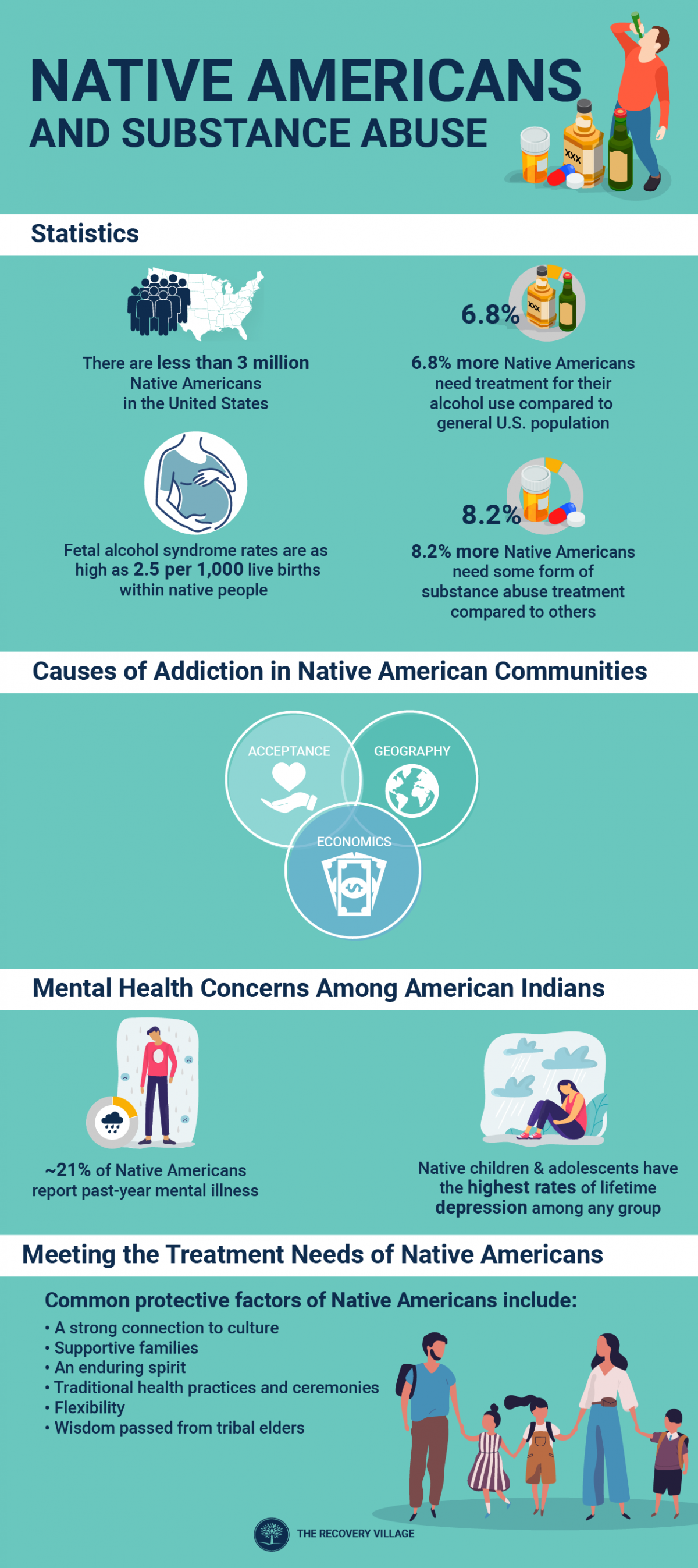
This cataclysmic history did not end with the closing of the last boarding school. It morphed into a pervasive, intergenerational trauma – a wound passed down through families and communities, manifesting in elevated rates of substance abuse, mental health disorders, domestic violence, and suicide. The loss of language, the disruption of spiritual practices, the erosion of self-governance, and chronic economic disenfranchisement created fertile ground for despair and self-medication. The substance abuse crisis among Native Americans is not a moral failing; it is a direct, predictable outcome of centuries of systemic oppression and unresolved grief.
Identity, Culture, and Healing: A Path Forward
Against this backdrop of profound historical injustice, the map of substance abuse programs emerges as a beacon of hope and self-determination. What distinguishes many Native American programs from mainstream approaches is their unwavering commitment to cultural relevance and traditional healing practices. For Indigenous peoples, health is not merely the absence of disease; it is a holistic state encompassing spiritual, emotional, physical, and community well-being, deeply rooted in connection to land, language, and ancestral knowledge.
Therefore, effective Native American substance abuse programs often integrate elements rarely found in conventional settings. These might include:
- Traditional Ceremonies: Sweat lodges, pipe ceremonies, vision quests, and healing circles provide spiritual cleansing, community connection, and opportunities for introspection and reconciliation.
- Elder Guidance: Elders, as keepers of wisdom and tradition, play crucial roles in mentoring, storytelling, and reinforcing cultural values. Their presence offers a bridge to a lost past and a guide for a healthier future.
- Language Revitalization: Reconnecting with ancestral languages is a powerful act of identity reclamation, fostering pride and a sense of belonging that can be profoundly healing.
- Connection to Land: Therapeutic activities often take place in natural settings, emphasizing the deep spiritual and physical connection Indigenous peoples have to their homelands. Land-based healing can involve traditional hunting, fishing, gathering, or simply spending time in sacred natural spaces.
- Storytelling and Oral Traditions: Sharing personal narratives within a culturally safe space helps individuals process trauma, understand their place in their community’s history, and find strength in collective experience.
- Family and Community Inclusion: Recognizing that addiction impacts entire families and communities, programs often incorporate family counseling, parenting support, and community engagement to rebuild broken bonds and foster a supportive environment for recovery.
- Traditional Arts and Crafts: Engaging in traditional art forms – beading, weaving, carving, drumming – can be a therapeutic outlet, a way to connect with cultural heritage, and a means of expressing emotions.
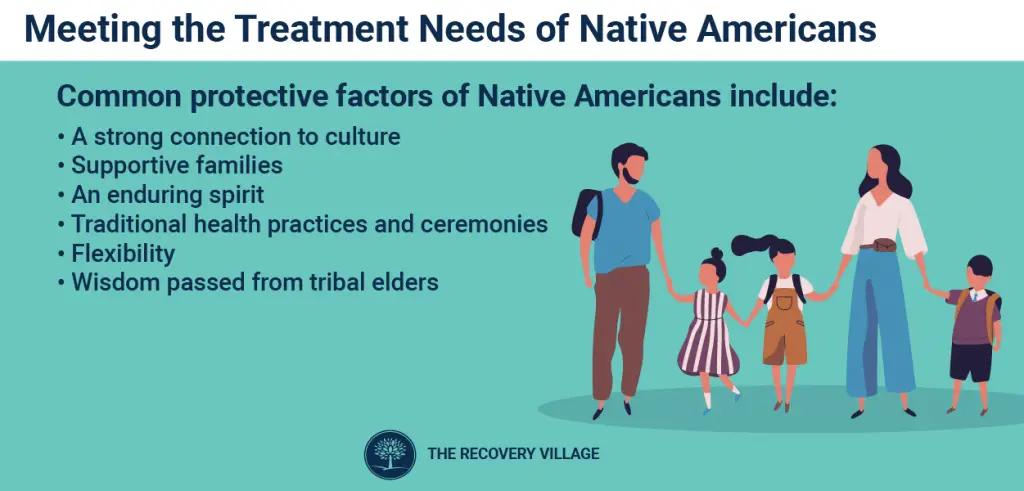

These culturally-grounded approaches recognize that sustained recovery for Native individuals often requires healing not just the individual, but also the historical and cultural wounds that contribute to the addiction. They assert Indigenous sovereignty over health and well-being, demonstrating that Native communities possess the wisdom and strength to heal themselves.
Mapping Resilience: The Programs and Their Purpose
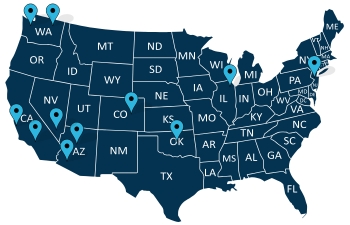
The "Map of Native American Substance Abuse Programs" visually represents this crucial infrastructure of healing. Each pin on that map is not just a facility; it signifies a community’s active engagement in reclaiming its health and future. These programs vary widely, reflecting the diversity of Native nations across the continent, but share a common thread of addressing addiction within a culturally informed framework.
You might find:
- Inpatient Treatment Centers: Offering residential care, often with a strong emphasis on traditional healing, group therapy, and skill-building in a supportive environment. Many are located on tribal lands, providing a sense of safety and belonging.
- Outpatient Programs: Allowing individuals to live at home while attending regular therapy, counseling, and cultural activities. These are vital for individuals with family responsibilities or those in early recovery.
- Youth-Specific Programs: Tailored to the unique needs of Native youth, often incorporating mentorship, cultural education, and recreational activities to prevent addiction and support early intervention.
- Medication-Assisted Treatment (MAT): Increasingly, tribal programs are integrating evidence-based MAT with traditional practices, recognizing that a combination of approaches can be most effective.
- Harm Reduction Initiatives: Acknowledging the immediate need to save lives, some programs offer needle exchanges, overdose prevention training, and safe consumption sites, aligning with a public health approach.
- Healing to Wellness Courts: Tribal courts are increasingly adopting models that integrate traditional justice principles with therapeutic interventions, focusing on rehabilitation rather than punitive measures.
Challenges, however, persist. Many Native American communities are rural and remote, making access to services difficult. Funding remains a constant struggle, with tribal programs often under-resourced compared to mainstream counterparts. Stigma surrounding addiction, coupled with the profound impact of historical trauma, can also hinder individuals from seeking help. Yet, the existence and proliferation of these programs speak to an indomitable spirit of self-preservation and a deep commitment to collective well-being.
Beyond the Map: Why This Matters for Travelers and Educators
For anyone engaging with Native American cultures, understanding this map – both literally and metaphorically – is essential.
- Dispelling Stereotypes: It actively combats harmful stereotypes that often reduce Native Americans to caricatures or victims. The map showcases agency, innovation, and a proactive approach to community health.
- Highlighting Resilience: It is a powerful illustration of resilience – the ability of communities to not only survive but to thrive in the face of overwhelming adversity, drawing strength from their cultural heritage.
- Informed Engagement: For travelers, it encourages respectful and informed engagement. Rather than viewing Native communities through a lens of exoticism or pity, it fosters an understanding of their ongoing struggles and their proactive efforts to heal and rebuild.
- Promoting Support: For educators, it provides a concrete example of how historical context is crucial for understanding contemporary social issues. It also highlights the importance of supporting Native-led initiatives and advocating for equitable resources.
- Understanding Identity: It underscores the vital role of cultural identity in health and healing, a lesson applicable far beyond Native American contexts.
The map of Native American substance abuse programs is not merely a collection of data points; it is a living document of struggle and triumph. It tells the story of nations grappling with the profound legacy of colonization, yet simultaneously drawing deep from the wellspring of their traditions to forge pathways to healing and hope. To truly see this map is to witness the enduring spirit of Native America, charting a course toward a healthier, more sovereign future, one community, one program, one healed individual at a time. It is a journey that demands our recognition, our respect, and our unwavering support.

