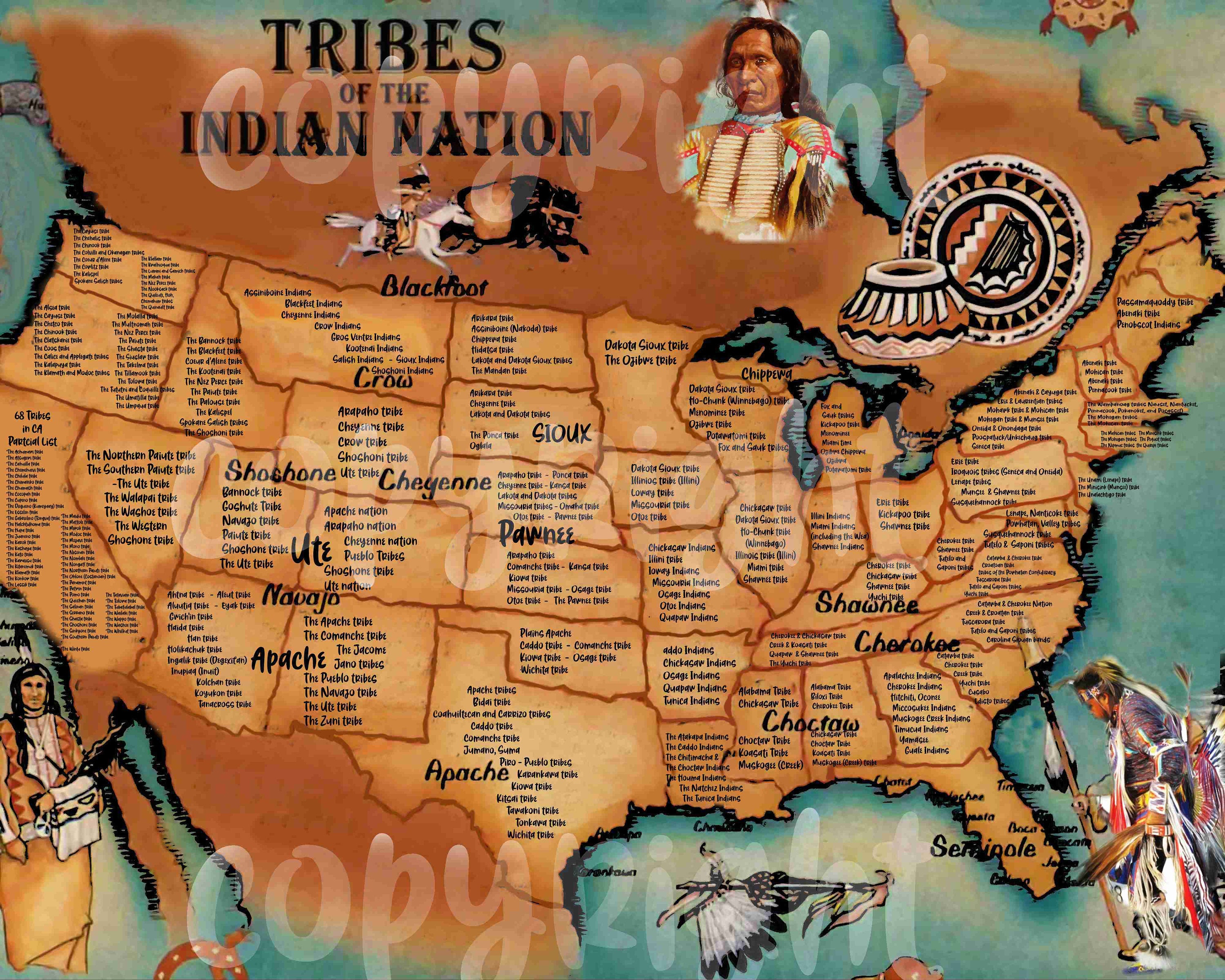
Echoes of the Land: Unveiling Native American Storytelling Maps
Forget the static lines, the fixed borders, and the singular perspective of Western cartography. To truly understand the Indigenous experience of North America, one must shed the conventional map and embrace a concept far more profound: the Native American storytelling map. These are not mere geographical representations; they are living narratives, dynamic repositories of history, identity, spirituality, and practical knowledge, etched into the very fabric of the land and transmitted through generations. For the discerning traveler and the dedicated student of history, unlocking the secrets of these narrative maps offers an unparalleled journey into the heart of Indigenous cultures.
Beyond Lines and Labels: The Essence of Indigenous Cartography
Unlike their Western counterparts, which often prioritize ownership, political boundaries, and a bird’s-eye, detached view, Native American storytelling maps are fundamentally relational. They emphasize the intricate connection between people, place, and the sacred. These "maps" can take myriad forms: elaborate oral traditions, intricate songs, petroglyphs carved into rock faces, ceremonial objects like wampum belts, sand paintings, or even the mnemonic patterns of dance and ritual. Their primary purpose is not just to delineate space, but to convey a universe of meaning: how the land was formed, where ancestors walked, where vital resources can be found, the locations of sacred sites, the history of migrations and conflicts, and the ethical responsibilities of living within a particular ecosystem.

Crucially, these maps are not immutable. They are dynamic, evolving with the experiences of the people, responding to environmental changes, and adapting to new knowledge. A mountain is not just a geological feature; it is the petrified remains of a mythical giant, a place of spiritual power, or a landmark marking a crucial historical event. A river is not merely a waterway; it is a lifeblood, a sacred path, or the trail of a culture hero. This embedded narrative transforms every landscape feature into a living page of history and identity.
The Cartography of Narrative: How Stories Become Maps
The methods of creating and transmitting these storytelling maps are as diverse as the tribes themselves.
Oral Traditions: For many Indigenous cultures, the land itself is the primary archive, and oral tradition is the key to reading it. Elders transmit intricate stories, songs, and chants that meticulously detail routes, resource locations, and significant events. These narratives often include precise descriptions of topography, flora, fauna, and celestial alignments, serving as sophisticated navigational guides. A song might describe a journey across a desert, each verse corresponding to a particular landmark or a water source, memorized and performed to ensure safe passage. The very names given to places are often mini-narratives, recounting their origin, the events that occurred there, or their spiritual significance.
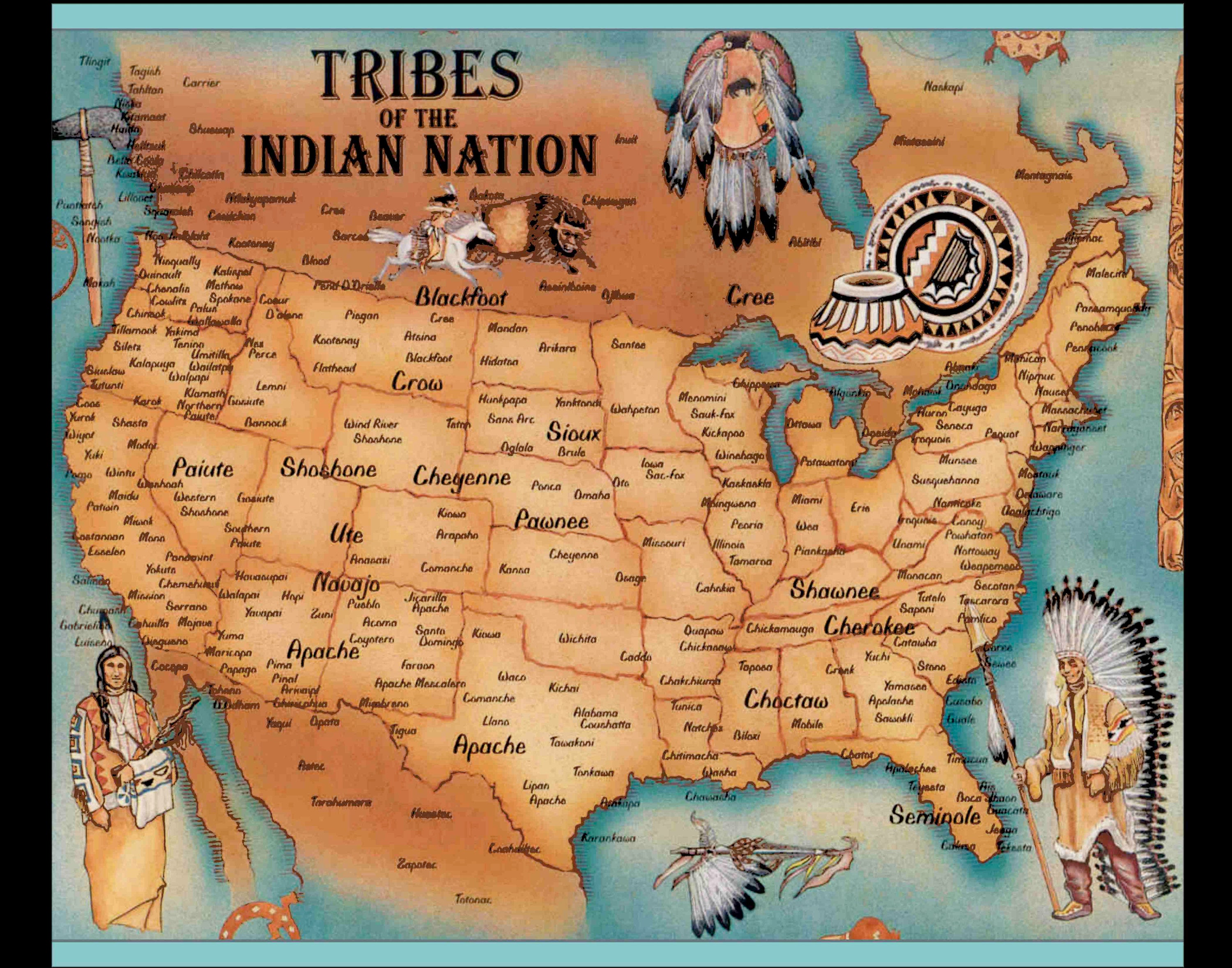
Pictographs and Petroglyphs: Carved or painted onto rock faces, these ancient artworks are literal visual maps of historical events, spiritual encounters, and territorial claims. The "Birthing Rock" of the Cahuilla people in California, for example, is adorned with images that tell stories of creation and tribal origins. Similarly, the extensive rock art sites across the American Southwest (like those at Canyon de Chelly or Three Rivers Petroglyph Site) contain symbols and sequences that mark sacred places, depict migrations, commemorate battles, or illustrate astronomical observations crucial for seasonal cycles. These are not random doodles but carefully placed markers within a broader landscape narrative.
Ceremonial Objects and Art:
- Wampum Belts (Iroquois, Wabanaki Confederacy): More than decorative items, wampum belts made of shell beads served as mnemonic devices, legal documents, and historical records. The patterns of white and purple beads could depict treaties, alliances, and significant historical events. Reading a wampum belt was akin to reading a complex historical map, with each symbol and color representing a specific clause, agreement, or territory.
- Sand Paintings (Navajo/Diné): These intricate, temporary artworks are created during healing ceremonies. While often depicting deities and cosmic order, they function as sacred maps of the universe and the patient’s journey back to balance and harmony (Hózhó). The precise placement of colors and figures within the design reflects a cosmological map, guiding the healing process and reaffirming the individual’s place within the larger world.
- Winter Counts (Lakota, Kiowa, Blackfeet): These are chronological histories, often painted on hides, that record significant events year by year using pictographic symbols. Each symbol represents a memorable event – a great hunt, a notable battle, an important treaty, or a severe winter. While not geographical maps in the conventional sense, they map the temporal journey of a community, detailing its movements, experiences, and historical landscape.

History Etched in Landscape and Lore
For Indigenous peoples, history is not a static past but a living presence, constantly informing the present and shaping the future. Storytelling maps are the primary archives of this history, preserving millennia of knowledge that predates European contact.
These maps chronicle vast migrations across continents, detailing the ancestral paths that led tribes to their current homelands. The Hopi people, for instance, have complex migration narratives embedded in their sacred geography, describing journeys across different worlds before arriving at their current mesas. The stories connected to specific mesas, springs, and shrines on their land recount these ancient movements and the spiritual lessons learned along the way.

They also record crucial historical events: significant battles, periods of famine or plenty, alliances forged, and the establishment of trade routes. The vast network of Indigenous trails, like the Great Trading Path of the Southeast, were not just physical routes but corridors of shared stories, cultural exchange, and historical memory. Each bend in the trail, each river crossing, each mountain pass, held its own associated narratives of those who had traversed it before.
Moreover, these maps are powerful testaments to resilience and resistance in the face of colonization. When lands were stolen, treaties broken, and cultures suppressed, the internal, orally transmitted maps became vital tools for survival. They kept alive the memory of ancestral territories, providing crucial evidence for land claims and asserting sovereignty. They preserved the knowledge of sacred sites that continued to be visited clandestinely, maintaining spiritual connections despite forced displacement. The fight for Indigenous land rights today is often deeply intertwined with the validation and understanding of these ancestral storytelling maps.
Identity, Belonging, and the Living Land
Perhaps the most profound aspect of Native American storytelling maps is their role in forging and maintaining identity. For Indigenous peoples, identity is inextricably linked to place. The land is not merely a resource to be exploited or a backdrop for human activity; it is a living entity, a relative, imbued with spirit and memory.
Through these narrative maps, individuals understand their lineage, their responsibilities, and their place within the cosmic order. Learning the stories of the land is learning who you are, where you come from, and your obligations to your community and the natural world. A child growing up with the stories of their ancestral lands internalizes a profound sense of belonging, an understanding that their identity is rooted in the very soil, water, and sky around them.
This deep connection fosters a stewardship ethic that contrasts sharply with Western notions of land ownership. The land is not owned by people; people belong to the land. The stories embedded in the landscape dictate how resources are to be used sustainably, how sacred sites are to be protected, and how the delicate balance of the ecosystem is to be maintained. Disconnecting people from their storytelling maps – through forced removal or cultural assimilation – is thus a profound act of identity stripping, severing the vital ties that define self and community.
Why These Maps Matter Today: For Travelers and Educators
For anyone traveling through Indigenous territories or seeking a deeper understanding of American history, recognizing the existence and significance of Native American storytelling maps is transformative.
For Travelers: It encourages a shift from mere sightseeing to a more profound, respectful engagement with the land and its peoples. Instead of just seeing a mountain, imagine the stories it holds. Instead of just driving past a river, consider its ancient narratives. Seek out opportunities to learn from local Indigenous guides, visit cultural centers, and listen to the stories that breathe life into the landscape. This approach enriches the travel experience immeasurably, moving beyond superficial aesthetics to a genuine appreciation of the layers of history, culture, and spirituality embedded in every place. It fosters a respect for the land that goes beyond environmentalism, recognizing its deep cultural and historical sanctity.
For Educators: Understanding these maps is crucial for decolonizing history and presenting a more accurate, inclusive narrative of North America. It challenges the Eurocentric bias that often overlooks Indigenous contributions, knowledge systems, and historical perspectives. By teaching about storytelling maps, educators can illustrate the sophistication of Indigenous knowledge, the depth of their historical records, and the profound connection they have to their ancestral lands. It highlights the importance of oral traditions, the diversity of mapping techniques, and the resilience of cultures that have maintained their identities despite immense pressures. It also underscores the ongoing importance of Indigenous voices in land management, conservation, and cultural preservation.
In conclusion, Native American storytelling maps are not relics of the past but vibrant, living systems of knowledge. They are a testament to the ingenuity, spiritual depth, and enduring identity of Indigenous peoples. For those willing to listen, to learn, and to look beyond the conventional, these maps offer an extraordinary pathway into understanding a profound and essential part of the human story, forever etched into the heart of the North American continent. They remind us that true geography is never just about location; it is about narrative, memory, and the intricate dance between humanity and the living earth.

