The "Map of Native American Stereotypes" is not a physical cartographic document, but a pervasive, insidious mental construct embedded within the collective consciousness of many non-Native people. It is a conceptual landscape of misconceptions, oversimplifications, and outright falsehoods that has for centuries defined, misrepresented, and constrained the identities of Indigenous peoples across North America. This article will dissect this problematic "map," exploring its historical genesis, its damaging impact on Native identity and self-determination, and the crucial steps required to dismantle it for a more accurate and respectful understanding of America’s first peoples.
The Conceptual Terrain of Misconception: Unveiling the "Map"
At its core, the "Map of Native American Stereotypes" is characterized by homogenization and exoticism. It flattens the rich tapestry of hundreds of distinct nations, languages, cultures, spiritual beliefs, and governance systems into a handful of recognizable, yet profoundly inaccurate, archetypes.
-
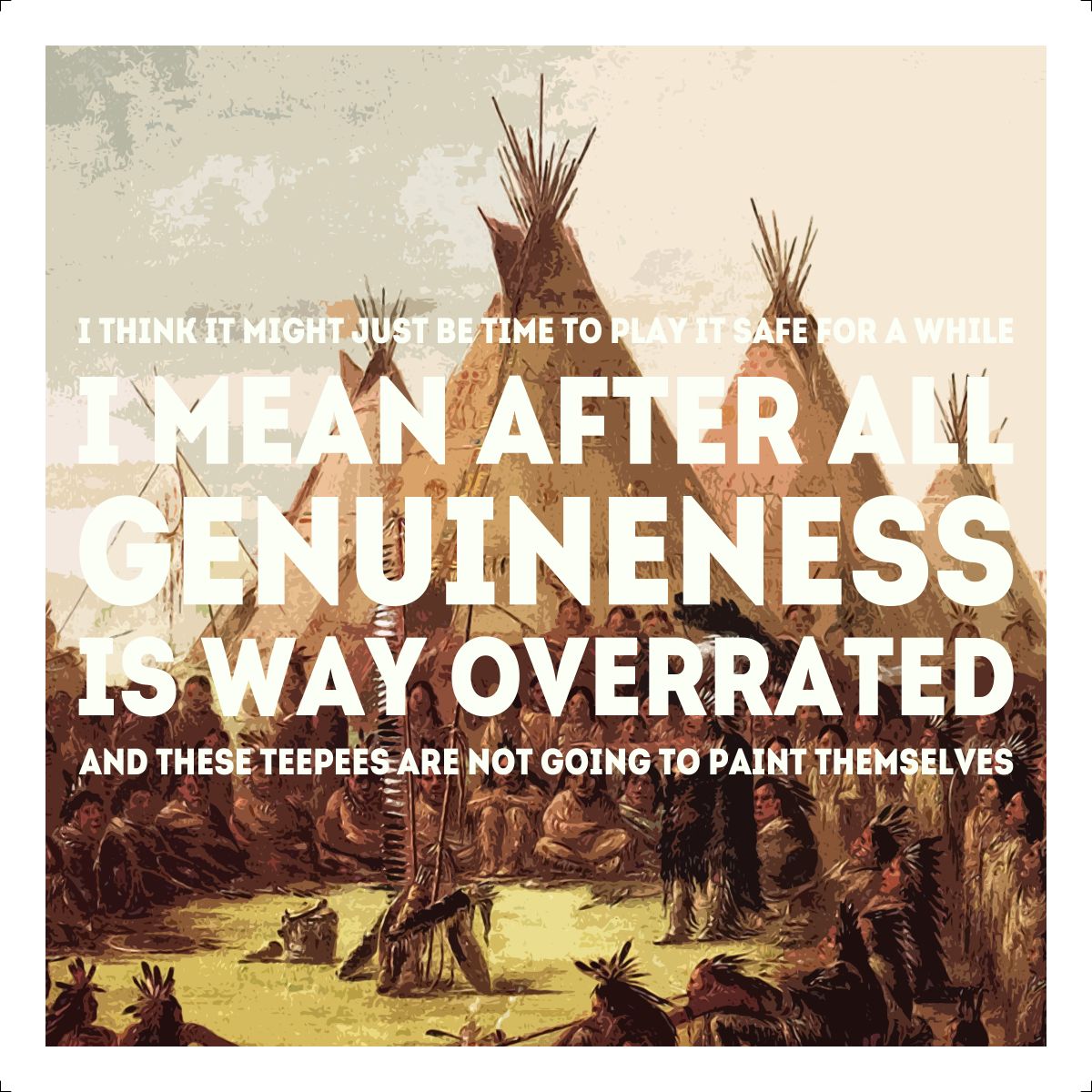
The Plains Warrior Archetype: Perhaps the most dominant feature on this conceptual map, the image of the feathered, horse-riding warrior of the Great Plains (Sioux, Cheyenne, Apache, Comanche, etc.) has been erroneously generalized to represent all Native Americans. This stereotype, perpetuated by Hollywood Westerns, dime novels, and even some historical accounts, paints a picture of a fierce, often stoic, hunter-gatherer living in tipis, adorned with war bonnets, and perpetually engaged in battle or buffalo hunting. While a powerful and historically significant image for specific Plains tribes, its universal application erases the existence of sophisticated agricultural societies, skilled mariners, complex urban builders, and diverse spiritual practices found across the continent. It freezes Native identity in a pre-contact or immediate post-contact past, denying contemporary existence.
-
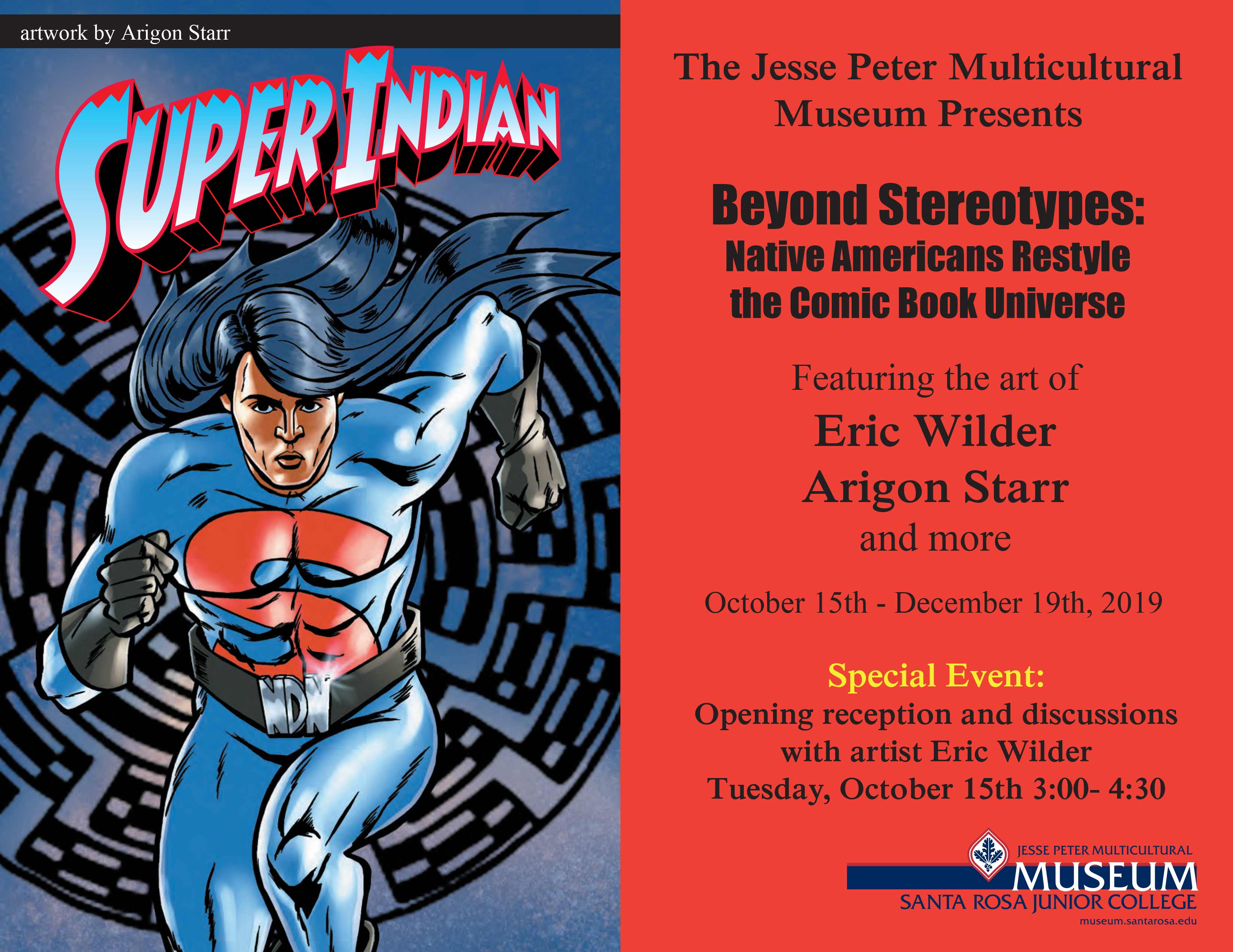
The "Noble Savage" and "Bloodthirsty Savage": These two contradictory yet co-existing stereotypes form another significant region on the map. The "Noble Savage" romanticizes Native Americans as being inherently spiritual, deeply connected to nature, and untainted by modern society. While seemingly positive, it denies agency, complexity, and individuality, often reducing Indigenous people to mystical symbols rather than human beings. It also implies a past, "purer" state, suggesting that modern Native people who adapt to contemporary life are somehow "less authentic." Conversely, the "Bloodthirsty Savage" stereotype, often fueled by colonial propaganda justifying land dispossession, depicts Native Americans as violent, uncivilized, and dangerous. This image served to dehumanize Indigenous populations, making their removal, subjugation, and even extermination appear justifiable to European settlers. Both tropes are dehumanizing, stripping Native people of their full humanity and complexity.
-
The "Vanishing Indian" and "Drunk Indian": These are the darker, more tragic regions of the stereotype map. The "Vanishing Indian" posits that Native cultures are either extinct or inevitably fading into history, a relic of the past that exists only in museums or historical texts. This erases the vibrant, resilient, and continuously evolving cultures of contemporary Native nations, rendering them invisible in modern society. It also denies the ongoing struggles for sovereignty, cultural revitalization, and self-determination. The "Drunk Indian" stereotype, on the other hand, is a deeply harmful and racist caricature that attributes addiction and poverty to inherent Native failings, rather than acknowledging the devastating historical trauma, systemic oppression, and socio-economic disparities imposed by colonialism. This stereotype is particularly damaging, fueling prejudice and hindering efforts to address real issues within Native communities.

-
The "Casino Indian" and "Wealthy Indian": A more recent addition to the conceptual map, this stereotype emerged with the rise of tribal casinos. It suggests that all Native Americans are now wealthy, exempt from taxes, and living luxuriously due to gaming revenues. This misconception ignores the fact that only a fraction of tribes operate successful casinos, and even among those, profits are often reinvested into essential tribal services like healthcare, education, and infrastructure, which were historically underfunded or denied by federal governments. It also overlooks the fact that the vast majority of Native Americans live in poverty, often on reservations with limited economic opportunities, and continue to face significant socio-economic challenges.
Historical Cartography: How the Map Was Drawn
The "Map of Native American Stereotypes" was not spontaneously generated; it was meticulously, though often unconsciously, constructed over centuries through a combination of ethnocentrism, political expediency, and cultural misrepresentation.
-
Early European Encounters: From the very first contact, European explorers and settlers viewed Indigenous peoples through the lens of their own cultural biases. They struggled to comprehend diverse spiritual systems, communal land ownership, and varied social structures, often labeling anything different as "primitive" or "savage." These initial misinterpretations laid the groundwork for future stereotypes.
-
Manifest Destiny and Justification for Dispossession: As the United States expanded westward, the need to justify the violent seizure of Native lands and resources became paramount. Stereotypes served as powerful tools for dehumanization. Portraying Native Americans as "savages" or "obstacles to progress" made their removal and extermination seem morally acceptable, or even divinely ordained, under the doctrine of Manifest Destiny.
-
Frontier Literature and Dime Novels: The 19th century saw a proliferation of sensationalized literature that romanticized or demonized Native Americans. These often inaccurate and exaggerated portrayals cemented images of the "brave warrior," the "beautiful princess," or the "treacherous savage" in the popular imagination, shaping generations of non-Native perceptions.
-
Hollywood and Popular Culture: The advent of film and television amplified these stereotypes exponentially. Westerns, in particular, became a dominant genre, consistently depicting Native Americans in highly stylized and often demeaning ways. Actors in "redface," inaccurate costumes, and simplistic narratives reinforced the "Plains Warrior" and "Noble/Bloodthirsty Savage" archetypes, rarely showing the diversity or contemporary reality of Native life. Even seemingly positive portrayals often fell into the "Noble Savage" trap, denying Native people agency and modern existence.
-
Education Systems: For much of history, American education systems presented a Eurocentric narrative that either ignored Native Americans entirely or depicted them as historical footnotes, primitive peoples, or antagonists to westward expansion. This lack of accurate, nuanced education ensured that stereotypes went unchallenged, passed down through generations.
The Devastating Impact on Identity and Reality
The existence of this "Map of Native American Stereotypes" is far from benign. Its contours have profound and damaging effects on Indigenous peoples, both individually and collectively.
-
Erasure of Diversity: The most immediate impact is the erasure of the incredible diversity that defines Native North America. There are over 574 federally recognized tribes in the U.S. alone, each with its own unique history, language, governance, and cultural practices. Stereotypes obliterate this richness, reducing distinct nations to a monolithic, undifferentiated "Indian." This homogenization makes it difficult for non-Native people to understand or appreciate the true depth and variety of Indigenous cultures.
-
Internalized Stereotypes and Identity Crisis: For Native individuals, the constant bombardment of these stereotypes can lead to an identity crisis. Young people may struggle to reconcile their lived experiences and contemporary identities with the archaic, often demeaning, images presented by mainstream society. They may feel pressure to conform to these stereotypes to be recognized as "authentically Native," or conversely, to distance themselves from them to avoid prejudice. This can lead to feelings of invisibility, shame, or a sense of not belonging.
-
Obstacles to Self-Determination and Policy: Stereotypes have tangible, negative consequences for Native nations’ efforts to achieve self-determination and improve the well-being of their communities. Policy decisions are often influenced by public perception. If Native people are seen as historical relics, perpetually poor, or solely focused on casinos, it undermines arguments for treaty rights, land claims, federal funding for essential services, and the recognition of tribal sovereignty. The "Vanishing Indian" stereotype, for example, makes it easier for governments to neglect their trust responsibilities to tribes.
-
Cultural Appropriation: The "Map of Stereotypes" fuels cultural appropriation, where elements of Native cultures are taken, commodified, and used without understanding, respect, or permission. From fashion brands using sacred imagery to sports teams using offensive mascots, appropriation trivializes deeply meaningful cultural practices and perpetuates the idea that Native culture is a public commodity rather than a living heritage belonging to specific communities.
-
Invisibility in Modern Society: By freezing Native identity in the past, stereotypes contribute to the invisibility of contemporary Indigenous peoples. Non-Native society often fails to see Native Americans as doctors, lawyers, artists, teachers, scientists, and vibrant community members living full, modern lives. This invisibility means their concerns, contributions, and struggles are often overlooked in mainstream media, politics, and social discourse.
Dismantling the Map: A Path Towards Understanding and Respect
Dismantling this deeply entrenched "Map of Native American Stereotypes" requires a concerted and ongoing effort rooted in education, empathy, and active listening.
-
Prioritize Accurate Education: The most fundamental step is to integrate accurate, comprehensive, and tribally-informed Native American history and contemporary studies into K-12 and higher education curricula. This means moving beyond Thanksgiving stories and Pocahontas narratives to explore the diverse histories, complex political systems, enduring resilience, and ongoing contributions of Indigenous peoples.
-
Amplify Native Voices: Actively seek out and engage with authentic Native voices. Read books by Native authors, listen to Native musicians, watch films and documentaries made by Indigenous creators, support Native artists, and follow Native journalists and scholars. This direct engagement allows for a nuanced understanding that challenges preconceived notions.
-
Recognize and Respect Sovereignty: Understand that Native nations are sovereign governments with inherent rights. Learn about treaty obligations and the ongoing fight for self-determination. Support policies that uphold tribal sovereignty and honor historical agreements.
-
Engage with Contemporary Native Cultures: Move beyond the "Vanishing Indian" trope by recognizing that Native cultures are vibrant, dynamic, and evolving. Attend tribal events (when invited and appropriate), visit tribal museums and cultural centers, and learn about the diverse ways Native people live and thrive today.
-
Challenge Misinformation and Stereotypes: When encountering stereotypes in media, conversations, or educational materials, actively challenge them. Speak up, share accurate information, and educate others. This collective effort is crucial for shifting public perception.
-
Responsible Travel and Tourism: For those engaging in travel, particularly to areas with significant Indigenous populations, practice responsible tourism. Support Native-owned businesses, respect sacred sites, and educate yourself about the local Indigenous history and culture before you visit. Seek to learn, not just to consume.
Conclusion
The "Map of Native American Stereotypes" is a harmful and outdated construct that has inflicted profound damage on Indigenous peoples for centuries. It is a testament to the power of narrative and the dangers of ignorance. For anyone seeking to understand the true history and identity of North America, it is imperative to recognize this map for what it is: a landscape of prejudice that must be actively dismantled. By committing to accurate education, amplifying authentic voices, and engaging with genuine respect, we can collectively redraw this mental map, replacing its distorted contours with the rich, diverse, and enduring reality of Native American nations—a reality that is complex, resilient, and vibrantly alive. This journey of unlearning and relearning is not merely an academic exercise; it is an ethical imperative for a more just and informed society.

