
The "Map of Native American Restorative Justice" is not a cartographic chart you can unfurl, pinpointing physical locations where ancient traditions thrive. Instead, it is a profound conceptual framework, a living tapestry woven from millennia of indigenous wisdom, resilience, and an unwavering commitment to community healing. This map illustrates the diverse, deeply rooted, and often suppressed approaches to justice that prioritize relationship repair, spiritual well-being, and collective responsibility over punitive measures. It is a vital lens through which to understand Native American identity, history, and the enduring power of self-determination, offering invaluable lessons for anyone interested in travel, education, and the future of justice.
Defining Restorative Justice in Native American Contexts
To understand this map, one must first grasp the fundamental difference between Western punitive justice systems and the restorative paradigms inherent in most Native American cultures. Western systems typically ask: "What law was broken? Who broke it? What punishment is deserved?" The focus is on retribution, guilt, and state-imposed penalties.
In contrast, Native American restorative justice, often referred to as peacemaking, healing justice, or traditional law, asks: "Who was harmed? What are their needs? Whose obligations are these? How can the harm be repaired, and the community made whole?" This approach centers on the understanding that crime is a violation of people and relationships, not just abstract laws. It seeks to address the root causes of conflict, heal the wounds of all affected parties—victim, offender, and community—and reintegrate individuals back into the social fabric. It is inherently holistic, often incorporating spiritual practices, elder wisdom, and a deep respect for interconnectedness with the land and all living beings.
Historical Roots: A Justice System Before Contact
The conceptual map of Native American restorative justice stretches back to time immemorial, long before European contact. Across the vast and diverse continent, hundreds of distinct tribal nations developed sophisticated, context-specific justice systems that reflected their unique cultures, languages, and environments. Despite their differences, common threads emerged:
- Community-Centric: Justice was a community affair, not an external, state-controlled process. Everyone had a role and a responsibility.
- Relationship Repair: The primary goal was to restore harmony and balance within the community, often through dialogue, apology, and restitution. Banishment or severe physical punishment was rare and typically a last resort for grievous, unrepentant acts.
- Elder Wisdom: Elders, revered for their knowledge, experience, and spiritual connection, played crucial roles as mediators, counselors, and decision-makers.
- Consensus and Dialogue: Decisions were often reached through extensive discussion and consensus-building processes, ensuring all voices were heard and respected. The Haudenosaunee (Iroquois Confederacy), for example, had a sophisticated system of councils and protocols enshrined in the Great Law of Peace, emphasizing unity and peaceful resolution.
- Spiritual Dimensions: Justice was often intertwined with spiritual beliefs and ceremonies, recognizing the need for spiritual cleansing and healing for both individuals and the community. The Navajo Nation’s traditional Peacemaking system, known as Hózhóójí (literally "the Blessingway" or "path of beauty and harmony"), seeks to restore Hózhó, a state of balance and harmony, in all aspects of life.
- Restitution and Reciprocity: Harmdoers were expected to take responsibility for their actions and make amends, often through material compensation, service to the victim or community, or sincere apology.
.jpg "Map of Native American restorative justice")
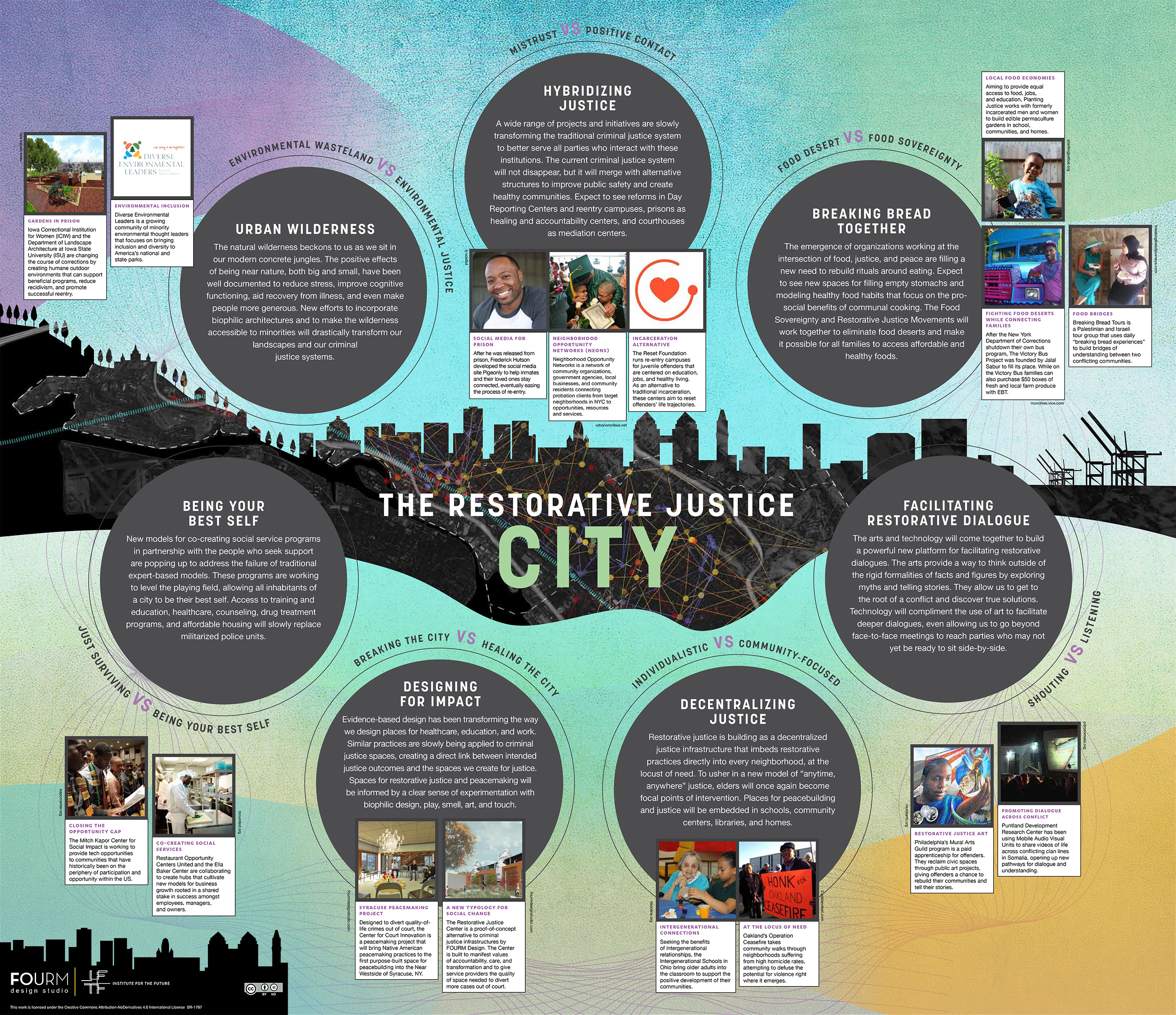
These pre-colonial systems were not static; they evolved and adapted, demonstrating remarkable flexibility and wisdom in maintaining social order and fostering collective well-being. They represented a profound understanding of human nature and the intricate web of relationships that sustain a community.
The Erasure and Resilience: A Map Under Siege
The arrival of European colonizers marked a catastrophic period for Native American justice systems. The imposition of foreign legal frameworks, often backed by military force, systematically dismantled traditional governance and spiritual practices. This wasn’t merely a clash of legal systems; it was a deliberate act of cultural suppression aimed at erasing Native identity and sovereignty.
Key historical policies and events that attempted to obliterate this map of justice include:

- Forced Assimilation: Policies like the Dawes Act (1887) and the establishment of Indian boarding schools were designed to "kill the Indian, save the man" by stripping Native children of their language, culture, and familial ties, thereby severing their connection to traditional forms of justice and governance.
- Criminalization of Traditional Practices: Many traditional ceremonies, spiritual practices, and even the simple act of gathering for communal decision-making were outlawed or severely suppressed.
- Jurisdictional Complexities: The checkerboard of tribal, state, and federal jurisdictions created a confusing and often unjust legal landscape that undermined tribal authority. The Major Crimes Act of 1885, for instance, removed jurisdiction over certain serious crimes from tribal courts, placing it under federal authority and further eroding tribal sovereignty.
- Intergenerational Trauma: The historical trauma of colonization, forced removal, genocide, and systemic discrimination has had profound and lasting impacts on Native communities, contributing to cycles of violence, substance abuse, and mental health crises, which in turn place immense strain on justice systems.
Despite these concerted efforts to erase it, the map of Native American restorative justice persisted. It went underground, was practiced in secret, or was subtly woven into new contexts. The memory of how to resolve conflict, heal wounds, and maintain community harmony remained a powerful undercurrent, passed down through oral traditions, ceremonies, and the quiet wisdom of elders.
The Resurgence: Redrawing the Map of Self-Determination
The latter half of the 20th century witnessed a powerful resurgence of Native American self-determination. As tribes began to reclaim their sovereignty and rebuild their nations, the revitalization of traditional justice systems became a cornerstone of cultural and political renewal. This period marks the active "redrawing" of the map of restorative justice.
This revitalization is not a monolithic movement but a diverse tapestry, reflecting the unique paths of each tribal nation. Examples of this resurgence include:
- Tribal Courts and Peacemaking Systems: Many tribal nations have established or revitalized their own tribal courts, often integrating traditional peacemaking principles. The Navajo Nation, for instance, formally reinstated its Peacemaking Courts in the 1980s, allowing community members to resolve disputes through traditional dialogue, guided by community peacemakers (often elders), emphasizing harmony and reconciliation over adversarial proceedings.
- Sentencing Circles: Adopted by many tribes and even some non-Native jurisdictions in Canada and the U.S., sentencing circles bring together victims, offenders, family members, elders, and community representatives to discuss the offense, its impact, and what needs to happen for healing and reintegration. The circle facilitates open communication, builds empathy, and crafts resolutions that are meaningful to all involved.
- Healing to Wellness Courts: These specialized courts address issues like substance abuse or domestic violence by integrating culturally relevant healing practices, treatment, and community support alongside legal processes, aiming to break cycles of harm and promote long-term well-being.
- Youth Circles: Many tribes use restorative circles in schools and juvenile justice settings to address bullying, truancy, and minor offenses, teaching young people responsibility, empathy, and conflict resolution skills.
- Cultural Restoration: The revival of language, ceremonies, and traditional teachings often goes hand-in-hand with the revitalization of justice systems, as these cultural elements provide the ethical and spiritual framework for peacemaking.
This resurgence is a testament to the enduring strength of Native American identity and the profound wisdom embedded in their ancestral practices. It demonstrates that true justice is not merely about punishment but about healing, relationships, and the integrity of the community.
Identity and the Living Tapestry
The "Map of Native American Restorative Justice" is intrinsically linked to identity because these justice systems are not abstract legal codes; they are living expressions of a people’s culture, values, and worldview. Each tribe’s approach to justice is a unique reflection of:
- Language: The specific words and concepts used to describe harm, responsibility, and healing often have no direct translation in English, carrying deep cultural meanings.
- Spirituality: The spiritual beliefs about interconnectedness, the sacredness of life, and the role of ceremony often form the bedrock of peacemaking.
- Land and Environment: The relationship to ancestral lands and the natural world often informs the understanding of balance, harmony, and the impact of actions on future generations.
- Social Structures: Traditional family systems, clan relationships, and governance models directly influence how justice processes are structured and who participates.
Therefore, when a tribe reclaims and revitalizes its traditional justice system, it is simultaneously affirming its unique cultural identity, asserting its sovereignty, and strengthening its communal bonds. This act of self-determination is a powerful antidote to the historical trauma of assimilation, providing a culturally relevant path to healing and self-governance. It reinforces who they are as a people, distinct from the dominant culture, yet offering universal lessons.
Lessons for a Global Society: Why This Map Matters for Travelers and Educators
For travelers, educators, and anyone seeking a deeper understanding of the world, the "Map of Native American Restorative Justice" offers profound insights:
- Beyond Stereotypes: It moves beyond simplistic or romanticized notions of Native Americans, revealing the complexity, sophistication, and enduring wisdom of indigenous societies.
- Understanding Sovereignty: It underscores the importance of tribal sovereignty and self-determination, recognizing that Native nations have the inherent right to govern themselves and administer justice according to their own traditions. Respectful engagement with Native communities means acknowledging and honoring these rights.
- Alternative Approaches to Conflict: It presents a powerful alternative to the often-ineffective and dehumanizing punitive justice systems prevalent in much of the world. It shows that healing, reconciliation, and community well-being can be prioritized over mere punishment.
- Lessons in Human Connection: At its core, Native American restorative justice is about restoring human connection. It reminds us that harm affects everyone, and true healing requires collective effort, empathy, and a commitment to making things right.
- Educational Enrichment: For educators, this map provides rich material for teaching about history, cultural diversity, ethics, and social justice. It encourages critical thinking about the nature of justice and the impact of colonization.
- Responsible Tourism: For travelers, understanding this map fosters a more respectful and informed approach to visiting Native lands. It encourages engaging with communities not just as tourist destinations, but as vibrant, self-governing nations with invaluable contributions to offer. It prompts visitors to seek out authentic experiences that support tribal self-sufficiency and cultural preservation, rather than perpetuating extractive or superficial interactions.
The "Map of Native American Restorative Justice" is not a relic of the past; it is a dynamic, evolving guide for the future. It stands as a testament to the resilience of indigenous peoples, their unwavering commitment to healing, and their profound understanding of what it means to live in balance and harmony. By exploring this conceptual map, we not only honor Native American history and identity but also gain invaluable wisdom for addressing the complex challenges facing our own communities today. It is a journey into the heart of what it truly means to be human and to live justly.

