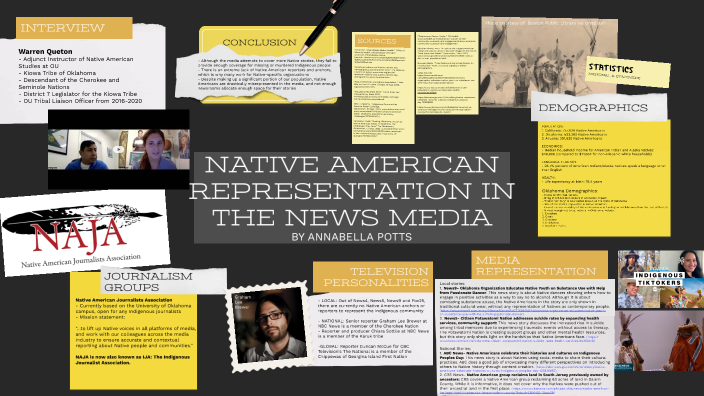
The media’s portrayal of Native Americans has long been a distorted map, riddled with historical inaccuracies, damaging stereotypes, and vast blank spaces where authentic identities should be. For anyone interested in travel that goes beyond the superficial, or in history that delves deeper than colonial narratives, understanding this "map of representation" is crucial. It’s not just about what’s on screen; it’s about how these images have shaped public perception, influenced policy, and impacted the very identity and sovereignty of Indigenous peoples. This article will navigate that complex terrain, exploring the historical roots of misrepresentation, the enduring fight for authentic identity, and the vital role of contemporary media in charting a more accurate course.
The Cartography of Stereotypes: Early Media and Colonial Narratives
From the earliest days of cinema, literature, and even Wild West shows, Native Americans were largely cast into two archetypal, equally damaging roles: the "bloodthirsty savage" or the "noble savage." This binary served the colonial narrative, justifying conquest and westward expansion while simultaneously romanticizing a vanishing way of life.
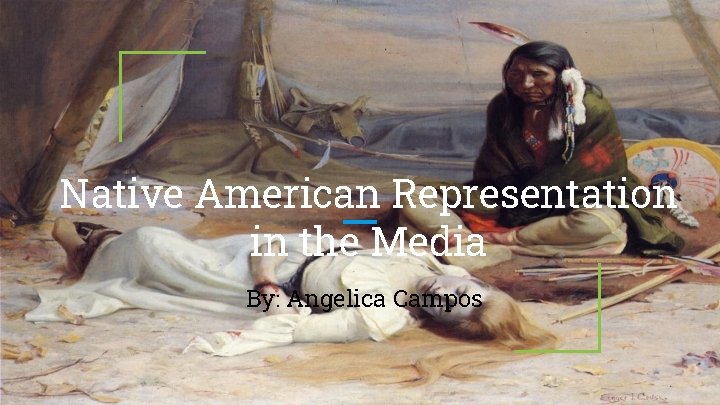
The "savage" trope depicted Indigenous peoples as primitive, violent, and an obstacle to "progress." They were often nameless, faceless antagonists, their cultures reduced to generic war paint and grunts. This portrayal dehumanized Native peoples, making it easier to rationalize the atrocities committed against them – land theft, forced removals, and genocidal policies. Films like D.W. Griffith’s The Battle at Elderbush Gulch (1913) cemented these images, portraying Indigenous warriors as merciless attackers, threatening innocent white settlers.

Conversely, the "noble savage" offered a romanticized, tragic figure – often wise, spiritual, and deeply connected to nature, but ultimately doomed to fade away. While seemingly more positive, this stereotype was equally disempowering. It stripped Native individuals of their agency, denied their modernity, and locked them into a past that suited the dominant culture’s narrative of inevitable decline. It also created a monolithic image, erasing the incredible diversity of over 574 federally recognized tribes, each with unique languages, spiritual beliefs, governance structures, and traditions.
These early media representations were not mere entertainment; they were powerful tools of cultural warfare. They shaped public opinion, reinforced systemic racism, and contributed to the erasure of Indigenous history and contemporary existence. For generations, these caricatures were the only "map" many non-Native people had of Indigenous America, leading to profound misunderstandings and a deep-seated ignorance that persists even today.
Blank Spaces and the "Vanishing Indian": Erasure as Representation
Perhaps even more insidious than misrepresentation is the complete lack of representation, or erasure. The myth of the "vanishing Indian" suggested that Native peoples were a dying race, a relic of the past, with no place in modern society. This narrative was propagated through various forms of media, often depicting Native Americans exclusively in historical contexts, dressed in buckskin and feathers, as if their cultures ceased to exist after the Wounded Knee Massacre or the closing of the frontier.
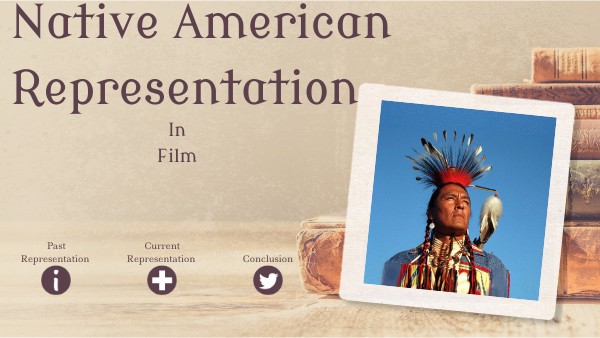
This erasure created vast blank spaces on the media’s "map" of Native America. Where were the contemporary Native doctors, lawyers, artists, scientists, teachers, or urban dwellers? They were largely absent. This invisibility denied the reality of thriving Indigenous communities, ongoing cultural revitalization efforts, and the continuous struggle for sovereignty and self-determination. It perpetuated the dangerous idea that Native issues were historical footnotes, not pressing contemporary concerns.
The impact of this erasure on Indigenous identity has been profound. For Native youth, seeing themselves absent from mainstream media or only depicted in stereotypical ways can lead to feelings of alienation, self-doubt, and a struggle to connect with their heritage in a world that often refuses to acknowledge their existence. It reinforces the colonial project of assimilation, suggesting that to be "modern" means to shed one’s Indigenous identity.
For the non-Native public, this invisibility meant a profound lack of understanding of contemporary Native life, the challenges faced by Indigenous communities (such as the crisis of Missing and Murdered Indigenous Women, land rights struggles, or environmental justice issues), and the vibrant, diverse cultures that continue to thrive across North America.
Reclaiming the Map: The Rise of Indigenous Voices and Self-Representation
The late 20th and early 21st centuries have witnessed a pivotal shift: Indigenous peoples are actively seizing control of their own narratives, becoming the cartographers of their own representation. This movement is driven by Indigenous filmmakers, writers, artists, and media creators who are committed to telling authentic stories from an insider’s perspective, challenging stereotypes, and filling in the blank spaces with rich, nuanced portrayals of contemporary Native life.
One of the landmark moments was Chris Eyre’s 1998 film Smoke Signals, the first feature film to be written, directed, and co-produced by Native Americans. It offered a poignant, humorous, and deeply human look at life on a reservation, shattering stereotypes and presenting Native characters as complex individuals with universal struggles and triumphs. This film paved the way for a new generation of Indigenous storytelling.
More recently, television series like Sterlin Harjo and Taika Waititi’s Reservation Dogs (2021-present) have revolutionized Native representation. The show, featuring an all-Indigenous writers’ room, directors, and cast, offers a hilarious, heartfelt, and authentic portrayal of Indigenous youth navigating life in rural Oklahoma. It’s revolutionary not just for its humor and specific cultural references, but for simply showing Native people being, without needing to explain their existence to a white audience or fulfill a preconceived notion of "Indianness." It’s a show about friendship, community, and growing up, where the characters’ Indigenous identity is integral but not their sole defining characteristic.
Other notable examples include Jeff Barnaby’s Rhymes for Young Ghouls (2013), which powerfully addresses the legacy of residential schools; Danis Goulet’s Night Raiders (2021), a sci-fi dystopia rooted in Indigenous themes; and the critically acclaimed Prey (2022), which cast a Comanche actor (Amber Midthunder) in a lead role and featured Comanche language, offering a refreshing and respectful portrayal of Indigenous strength and ingenuity.
Beyond film and television, Indigenous authors like Louise Erdrich, Tommy Orange, and Joy Harjo are winning major literary awards, offering complex narratives that delve into identity, history, and the contemporary Native experience. Podcasts, social media, and online platforms are also being utilized by Indigenous creators to share stories, educate, and build community, bypassing traditional gatekeepers and directly connecting with audiences.
The Intersections of History and Identity in Modern Media

Authentic Native representation in media is not just about "being seen"; it’s about a deeper engagement with history and the reaffirmation of identity. When Indigenous creators tell their stories, they often implicitly or explicitly address:
- Historical Trauma and Resilience: Many contemporary narratives explore the enduring impacts of colonialism, residential schools, forced displacement, and systemic racism, while simultaneously showcasing the incredible resilience, healing, and cultural revitalization efforts of Native communities. These stories bring history alive, making it relevant to present-day struggles and triumphs.
- Cultural Specificity and Diversity: Instead of generic "Indians," modern Indigenous media celebrates the unique languages, spiritual practices, regalia, governance systems, and traditions of specific tribes. This educates audiences about the vast diversity within Indigenous North America, challenging the monolithic "Indian" stereotype.
- Sovereignty and Self-Determination: Indigenous narratives often highlight the ongoing fight for tribal sovereignty, land rights, and the right to self-govern. They bring attention to contemporary political issues, environmental struggles, and the importance of treaties.
- Land and Spirituality: The profound connection to land and the spiritual world is a recurring theme, reflecting Indigenous worldviews that contrast sharply with Western individualism and materialism. These portrayals offer alternative perspectives on environmental stewardship and community.
- Contemporary Life and Identity: Modern media showcases Native people living full, complex lives in the 21st century – navigating relationships, careers, education, and social issues, all while grappling with their Indigenous identity in a modern world. It demonstrates that being Native is not solely about the past, but a vibrant, evolving present.
These narratives are vital not only for Indigenous communities but for all audiences. They offer a more accurate "map" of American history, challenging sanitized versions and providing a fuller understanding of the nation’s past and present. They foster empathy, dismantle prejudice, and encourage a more informed dialogue about justice, equity, and reconciliation.
Beyond the Screen: The Educational and Travel Imperative
For those of us drawn to travel that educates and enriches, understanding the landscape of Native American representation in media translates directly into how we engage with history and Indigenous cultures in the real world.
- Informed Tourism: Just as you wouldn’t travel to France expecting everyone to wear berets and striped shirts, an informed traveler should approach Indigenous communities without preconceived notions shaped by outdated media. Seek out opportunities to learn directly from Native peoples. Many tribes operate cultural centers, museums, and tourism initiatives that offer authentic experiences and insights. Support these Indigenous-owned businesses and organizations.
- Respectful Engagement: When visiting tribal lands or attending cultural events, do so with respect and humility. Understand that you are a guest. Research the specific protocols and traditions of the tribe you are visiting. Ask permission before taking photos, especially of people or sacred sites.
- Active Learning: Don’t let your education stop at the screen. Read books by Indigenous authors, listen to Indigenous podcasts, follow Indigenous creators on social media, and support films and TV shows that feature authentic Native voices. This continuous learning helps to correct the distorted "map" you may have inherited from mainstream media.
- Advocacy and Allyship: Understanding the historical and ongoing impact of misrepresentation can empower you to be an ally. Speak out against stereotypes, challenge misinformation, and support policies that promote Indigenous sovereignty and well-being.
The journey to a more accurate and equitable representation of Native Americans in media is ongoing. It requires a conscious effort from creators, consumers, and educators to challenge the old, distorted maps and embrace the rich, diverse, and authentic narratives that Indigenous peoples are now powerfully charting for themselves. As travelers and lifelong learners, we have a responsibility to seek out these new maps, to understand the history and identity they reveal, and to contribute to a world where Indigenous voices are not just heard, but celebrated and understood. By doing so, we not only enrich our own understanding but also play a part in fostering a more just and truthful future.

