Here is a 1200-word article explaining the Map of Native American Quillwork Patterns, suitable for a travel and history education blog, written directly without preamble.
>
The Quillwork Map: A Living Tapestry of Native American History and Identity
Imagine a map that doesn’t just delineate land, but whispers stories of creation, tradition, and enduring spirit. A "Map of Native American Quillwork Patterns" is precisely that – a dynamic, visual encyclopedia charting the intricate artistry of porcupine quillwork across North America. Far from being a mere decorative guide, this map is a profound document of history, a vibrant testament to tribal identity, and an invitation to understand the deep cultural roots of Indigenous peoples. It’s a journey not just across geography, but through millennia of artistic expression, spiritual belief, and remarkable human resilience.

What is Quillwork? An Ancient Art Form
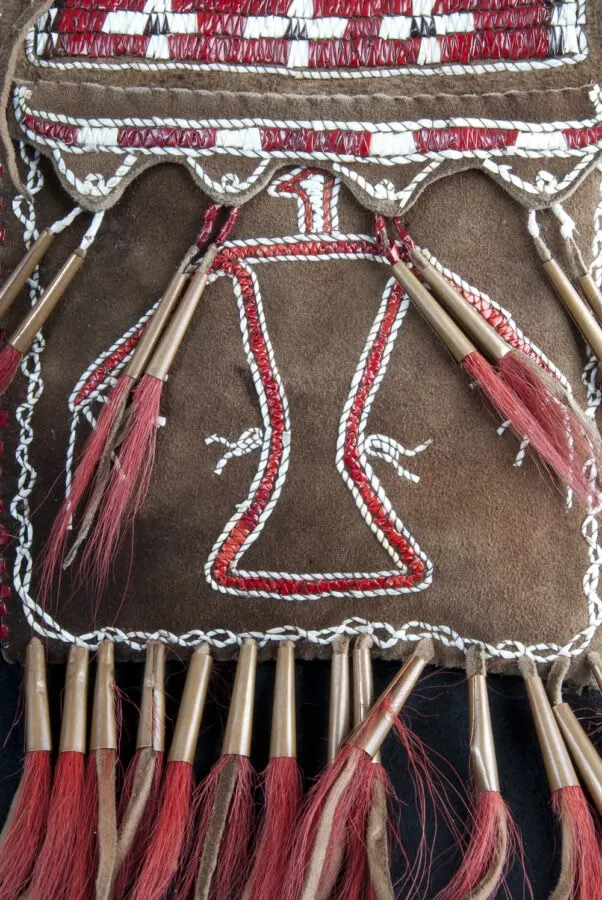
Before delving into the map, it’s essential to understand the medium itself. Quillwork is an ancient and uniquely North American Indigenous art form, predating European contact by thousands of years. It involves the intricate use of flattened and dyed porcupine quills, primarily, though bird quills were also occasionally used. These quills are meticulously sewn, wrapped, or woven onto various surfaces such as tanned hides (deerskin, buffalo, elk), birchbark, rawhide, and even woven textiles.
The process is laborious and requires immense skill, patience, and a deep understanding of materials. Quills are first gathered, cleaned, sorted by size, and then often dyed using natural pigments derived from plants (berries, roots, bark), minerals, and sometimes even insects. Common colors included reds from bloodroot or sumac, yellows from lichen or sunflowers, blues from blueberries or certain clays, and blacks from charcoal or iron gall. Once dyed, the quills are softened, flattened (often by drawing them through the teeth or with a bone tool), and then manipulated. The techniques vary: some quills are folded and stitched down, others are wrapped around sinew or thread, creating raised, textured designs. The result is a stunning, jewel-like surface that catches the light, reflecting the artistry and cultural values of its maker.
Historically, quillwork was primarily a women’s art, passed down through generations. It adorned ceremonial regalia, clothing, moccasins, bags, pipe bags, cradleboards, storage boxes, and other utilitarian and sacred objects. Every stitch, every color, every pattern held meaning, connecting the maker, the wearer, and the community to their ancestral lands and spiritual world.

The Map’s Genesis: Charting Cultural Landscapes
A "Map of Native American Quillwork Patterns" is not a single, universally agreed-upon artifact, but rather a conceptual and sometimes actualized tool created by anthropologists, historians, and Indigenous cultural centers to visually represent the regional variations of this art form. It overlays distinct artistic styles and patterns onto the traditional territories of various Native American tribes, primarily focusing on areas where quillwork flourished – notably the Northeastern Woodlands, Great Lakes, Plains, and Plateau regions.
This map serves as a crucial educational resource, demonstrating that Indigenous art is not monolithic. Just as languages and spiritual beliefs varied across the continent, so too did artistic expressions. The map highlights how environment, available resources, cultural exchange, and unique tribal worldviews shaped the evolution of distinct quillwork aesthetics. It’s a historical document that speaks to the ingenuity and adaptability of Indigenous artists, showcasing how they transformed a seemingly simple natural material into objects of profound beauty and significance.
Regional Variations: A Kaleidoscope of Identity
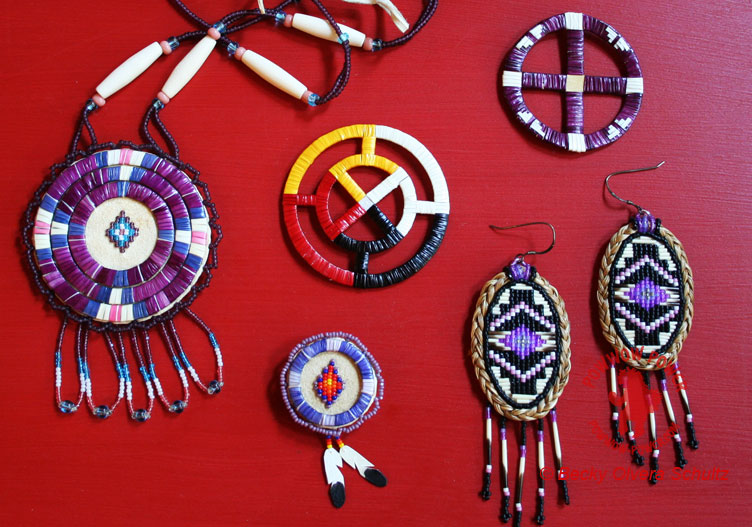
The map reveals distinct "quillwork dialects," each telling a unique story of its people and place.
1. Northeastern Woodlands and Great Lakes: Floral Elegance and Curvilinear Grace
In the vast forests and interconnected waterways of the Northeastern Woodlands and Great Lakes regions, tribes such as the Anishinaabe (Ojibwe, Odawa, Potawatomi), Haudenosaunee (Iroquois), Huron-Wendat, and Penobscot developed a quillwork style characterized by its exquisite floral and curvilinear designs.
- Materials: Birchbark was a prominent canvas here, often used for intricate quillwork on boxes, baskets, and ceremonial items. Tanned hides for moccasins, bags, and clothing were also common.
- Patterns: The dominant motifs are naturalistic floral patterns – delicate blossoms, leaves, and intertwining vines. The "double curve" motif, a distinctive design featuring two opposing curves with elaborate internal decoration, is particularly emblematic of this region. These designs are often rendered with fine, tightly packed quills, creating a smooth, almost embroidered effect. The colors tend to be rich and earthy, reflecting the forest environment.
- Identity and Meaning: These patterns reflect a deep spiritual connection to the natural world, particularly the forest and its plant life. The "Flower World" concept, where plants are seen as sacred and imbued with life-giving power, is often expressed through these designs. The intricate detail also speaks to the value placed on meticulous craftsmanship and the beauty found in the everyday environment.

2. The Great Plains: Bold Geometry and Spiritual Power
Moving westward to the expansive grasslands of the Great Plains, tribes like the Lakota, Cheyenne, Crow, Blackfoot, and Arapaho developed a quillwork tradition marked by its powerful geometric designs.
- Materials: Buffalo hide, deer hide, and elk hide were the primary surfaces, used for decorating robes, tipi bags (parfleches), pipe bags, moccasins, cradleboards, and horse regalia.
- Patterns: The quillwork here is characterized by bold, angular, and often symmetrical geometric motifs. Triangles, squares, rectangles, diamonds, and parallel lines are arranged in complex, abstract patterns. These designs often employ a limited but striking color palette, emphasizing contrast and visual impact. While seemingly abstract, these geometric forms are deeply symbolic, representing natural phenomena (mountains, rivers, stars), celestial bodies, and spiritual concepts.
- Identity and Meaning: Plains quillwork is deeply intertwined with spiritual visions, sacred narratives, and the warrior ethos. Designs could represent the owner’s dreams, achievements, or protection against harm. The bold geometry often symbolized the ordered universe, the four directions, or the structure of sacred lodges. Quillwork on warrior regalia, for instance, might incorporate symbols believed to imbue strength or offer protection in battle. The precision of the geometric patterns also reflects the discipline and order valued within these societies.
3. The Plateau Region: A Bridge of Styles
The Plateau region, home to tribes like the Nez Perce, Umatilla, Yakama, and Kootenai, often shows a fascinating blend of artistic influences. Situated between the Plains and the Pacific Northwest, their quillwork can incorporate elements from both, though often with their own unique adaptations.
- Materials: Hide was the primary medium, particularly for items like moccasins, bags, and horse tack.
- Patterns: While often featuring geometric patterns reminiscent of the Plains, Plateau quillwork can sometimes exhibit a slightly more organic feel or incorporate simpler, elegant lines. There’s a strong emphasis on functional items being beautifully adorned, reflecting the practical yet aesthetically rich lives of these communities.
- Identity and Meaning: Quillwork here reflects a strong connection to horsemanship and trade routes, with designs often adorning items related to travel and resource gathering. The patterns speak to the adaptability and distinct cultural identity formed at the crossroads of different Indigenous traditions.
Identity Woven in Every Quill
The "Map of Native American Quillwork Patterns" is more than just an artistic atlas; it’s a profound statement of identity.
- Tribal Identity: The distinct patterns served as visual markers, instantly identifying an individual’s tribal affiliation. They were a form of visual language, a "dialect" of design that reinforced community bonds and cultural distinctiveness.
- Individual Identity: Within tribal traditions, artists often developed their unique styles, adding personal flair and innovation to established patterns. The skill of a quillworker was highly respected, and their creations were a source of personal pride and community esteem.
- Spiritual Connection: Many quillwork designs are not merely decorative; they are prayers, stories, or representations of spiritual visions. Wearing or possessing quillwork was a way to connect with the spiritual realm, honor ancestors, and seek protection or guidance.
- Gender and Knowledge Transmission: As primarily a women’s art, quillwork played a critical role in the transmission of cultural knowledge, values, and skills from one generation of women to the next. It was a powerful expression of female creativity and contribution to community life.
Historical Resilience and Modern Revival
The history of Native American quillwork, like many Indigenous traditions, is marked by periods of immense challenge and remarkable resilience. With European contact, the introduction of glass beads dramatically impacted quillwork. Beads were easier to work with, came in a wider array of colors, and quickly became popular. For a time, quillwork declined in many areas, pushed to the brink of disappearance by assimilation policies, forced removals, and the disruption of traditional lifeways.
However, quillwork never truly died. In many communities, the knowledge was quietly preserved, passed down through oral tradition and hidden practices. Today, there is a powerful and ongoing revitalization of quillwork across North America. Contemporary Indigenous artists are reclaiming this ancient art form, not just replicating old patterns but innovating and creating new expressions that fuse tradition with modern sensibilities. This revival is not merely an artistic endeavor; it’s a vital act of cultural reclamation, healing, and the reassertion of Indigenous identity and sovereignty.
The Map as an Educational and Travel Guide
For the modern traveler and history enthusiast, the "Map of Native American Quillwork Patterns" offers an unparalleled opportunity for deeper engagement.
- Education: It teaches us about the incredible diversity of Indigenous cultures, challenging monolithic stereotypes. It highlights the ingenuity, artistic sophistication, and spiritual depth of Native American peoples. Understanding these patterns provides a richer context for appreciating Indigenous history and ongoing contributions.
- Travel Inspiration: This map can guide respectful and informed travel. It encourages visitors to seek out cultural centers, museums, and Native art markets in specific regions. When you see a quillwork piece from the Great Lakes, you’ll recognize its floral motifs and understand its connection to the birchbark forests. When you encounter geometric designs from the Plains, you’ll know they carry the stories of vast landscapes and powerful spirits. Supporting contemporary Native artists who practice quillwork directly contributes to the perpetuation of this living tradition and the economic well-being of Indigenous communities.
Conclusion: A Living Legacy
The "Map of Native American Quillwork Patterns" is far more than an academic exercise. It is a vibrant, breathing document that speaks to the enduring power of art, the indelible mark of identity, and the profound resilience of Indigenous peoples. Each pattern, each quill, is a thread in a magnificent tapestry that connects the past, present, and future. To truly see this map is to embark on a journey of discovery, not just of beautiful designs, but of the rich, complex, and living history that continues to shape the Native American narrative today. It reminds us that history is not static; it is alive, woven into every intricate stitch of quillwork, waiting to be seen, understood, and honored.

