
A map of Native American protests isn’t merely a geographical representation; it is a living document, a testament to enduring resilience, a chronicle of broken promises, and a vibrant declaration of identity. For anyone seeking to understand the true history and contemporary landscape of North America, this map is an essential lens, revealing the profound connection between land, culture, and the ongoing struggle for self-determination. Far from being isolated incidents, these protests are deeply rooted in centuries of dispossession, cultural suppression, and the persistent fight for sovereignty.
The Map as a Historical Tapestry: Centuries of Resistance
To comprehend the "why" behind the dots on this protest map, one must first understand the historical context that predates the very concept of "protest" in its modern sense. For millennia, Indigenous peoples lived across this continent, their identities inextricably linked to specific lands, waters, and ecosystems. Their spiritual beliefs, governance structures, economic systems, and cultural practices were all extensions of their deep connection to place.
The arrival of European colonizers initiated a long, brutal era of invasion, disease, and systematic land theft. Early resistance was often direct and armed, as tribes fought to protect their territories and ways of life. From the Pequot War in the 17th century to Pontiac’s War in the 18th, and the sustained resistance of tribes like the Seminole in Florida, these early conflicts laid the groundwork for a pattern of Indigenous peoples defending their homelands against overwhelming forces.
The 19th century intensified this struggle with policies like the Indian Removal Act of 1830, which forcibly relocated countless tribes from their ancestral lands in the Southeast to "Indian Territory" (present-day Oklahoma) in what became known as the Trail of Tears. The map here would show a massive, forced migration route, punctuated by smaller dots representing initial resistance, such as the Cherokee’s legal battles or the Seminole Wars. Further west, the Plains Wars, culminating in tragic massacres like Sand Creek (1864) and Wounded Knee (1890), marked a brutal end to widespread armed resistance against the encroaching United States. Each of these historical points represents a deep scar on the land and a foundational memory in Native identity, fueling subsequent generations of activism.
Following the era of armed conflict, the U.S. government shifted to policies of forced assimilation, attempting to eradicate Native cultures, languages, and spiritual practices. Boarding schools, the Dawes Act (which broke up communal landholdings), and the suppression of religious ceremonies aimed to "kill the Indian to save the man." While overt protests were stifled, resistance continued in subtle forms: the preservation of language in secret, the quiet practice of ceremonies, and the maintenance of kinship ties. These acts of cultural survival, though not "protests" in the public sense, were profound affirmations of identity against overwhelming odds.
The Rise of Modern Activism: Red Power and the Assertion of Rights
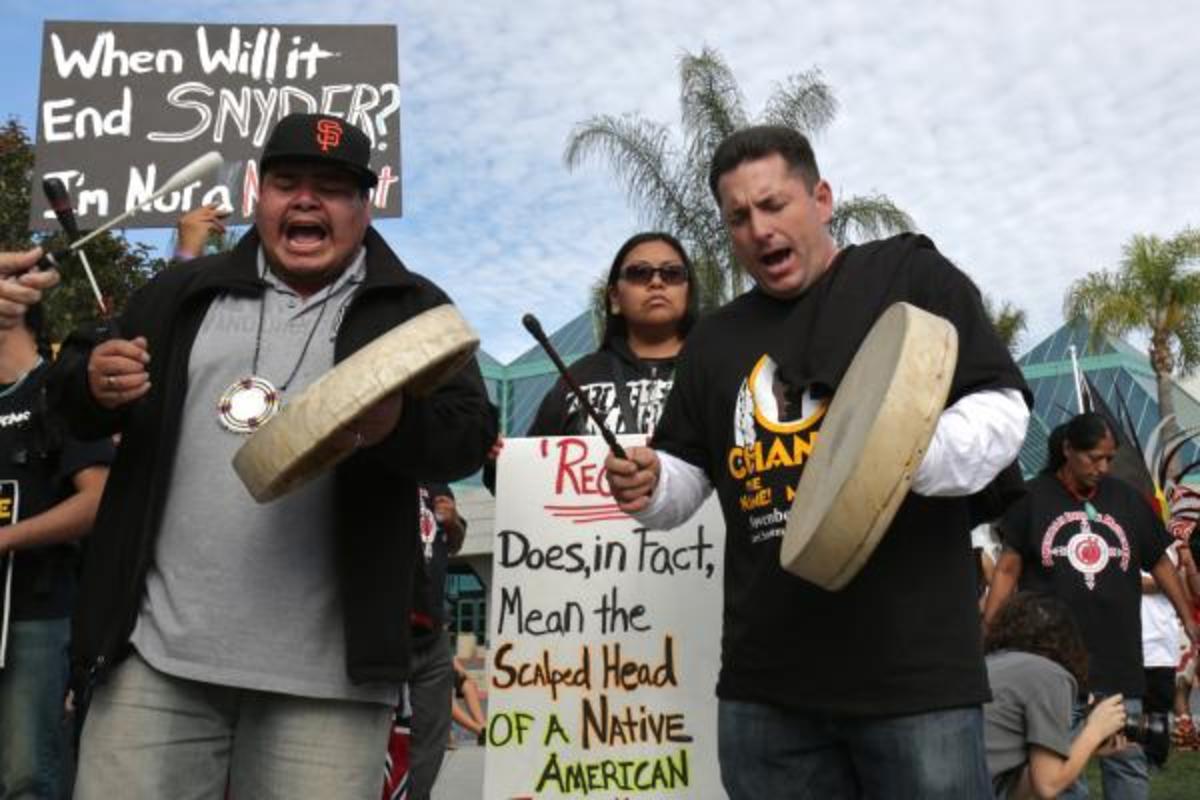
The mid-20th century saw a resurgence of Native American activism, often referred to as the "Red Power Movement." Inspired by the Civil Rights Movement, Indigenous leaders and activists began to demand recognition of treaty rights, an end to federal termination policies, and greater self-determination.

Key moments in this era, which would be prominent on our map, include:
- The Occupation of Alcatraz (1969-1971): A symbolic protest by "Indians of All Tribes," who occupied the former prison island, citing an 1868 treaty that allowed Native Americans to claim abandoned federal land. This act, while ultimately unsuccessful in securing the land, captured national and international attention, galvanizing Indigenous communities and raising awareness about Native American issues. It asserted a collective Indigenous identity beyond tribal lines.
- The Trail of Broken Treaties (1972): A cross-country caravan that culminated in the occupation of the Bureau of Indian Affairs (BIA) building in Washington D.C. Protesters presented a 20-point plan calling for a return to treaty-making, protection of tribal sovereignty, and the abolition of the BIA. This event highlighted the ongoing failure of the U.S. government to uphold its agreements.
- The Wounded Knee Occupation (1973): Members of the American Indian Movement (AIM) and local Oglala Lakota occupied the historic site of the 1890 massacre for 71 days, demanding a review of treaties and an investigation into corruption within the tribal government. This armed standoff brought significant media attention and underscored the deep-seated grievances and the desire for justice and self-governance.

These protests weren’t just about land or specific policies; they were about reclaiming identity, asserting sovereignty, and demanding respect for Indigenous nationhood. They served as a powerful reminder that Native peoples were not relics of the past but vibrant, sovereign nations with inherent rights.
Contemporary Battlegrounds: Land, Water, and Sacred Sites
Today’s protest map continues to expand, reflecting ongoing battles over resource extraction, environmental justice, and the protection of sacred lands. The interconnectedness of land, water, and identity remains at the core of these struggles.
- Pipeline Protests (e.g., Standing Rock, Keystone XL): Perhaps the most visible contemporary protests are those against fossil fuel pipelines. The Dakota Access Pipeline (DAPL) protest at Standing Rock, North Dakota (2016-2017), became a global flashpoint. Led by the Standing Rock Sioux Tribe, the "water protectors" argued that the pipeline threatened their primary water source (the Missouri River) and sacred burial grounds. This protest exemplified the deep spiritual connection to land and water, the assertion of treaty rights, and the fight for environmental justice. It highlighted how historical grievances (broken treaties, disregard for sacred sites) continue to manifest in modern development projects. Similar protests have occurred against the Keystone XL Pipeline and others, demonstrating a continent-wide resistance to projects that threaten Indigenous lands and climate futures.
- Mining and Resource Extraction: Protests against mining operations are frequent dots on the map. Places like Oak Flat in Arizona, sacred to the San Carlos Apache, face the threat of a massive copper mine. Bears Ears National Monument in Utah, a landscape rich in Indigenous cultural sites and sacred to numerous tribes (Ute, Navajo, Hopi, Zuni, Ute Mountain Ute, Pueblo), has been the subject of intense protests against reductions in its protected status, opening it up to potential resource exploitation. These battles are not just about land use; they are about preserving ancestral homelands, spiritual practices, and cultural heritage.
- Water Rights: Beyond pipelines, many communities protest for basic access to clean water or to uphold treaty-guaranteed water rights. The Navajo Nation, for instance, has long struggled with contaminated water sources and lack of infrastructure, leading to ongoing advocacy and protests for clean water access. Tribes along the Klamath River in Oregon and California fight for dam removal and water allocation to restore salmon populations critical to their cultural and economic survival.
- Protection of Sacred Sites: The protests on Mauna Kea in Hawaii against the construction of a thirty-meter telescope (TMT) illustrate a similar struggle for Indigenous sovereignty and the protection of sacred places. While not mainland Native American, it is part of a broader Indigenous movement to protect culturally significant sites from desecration.
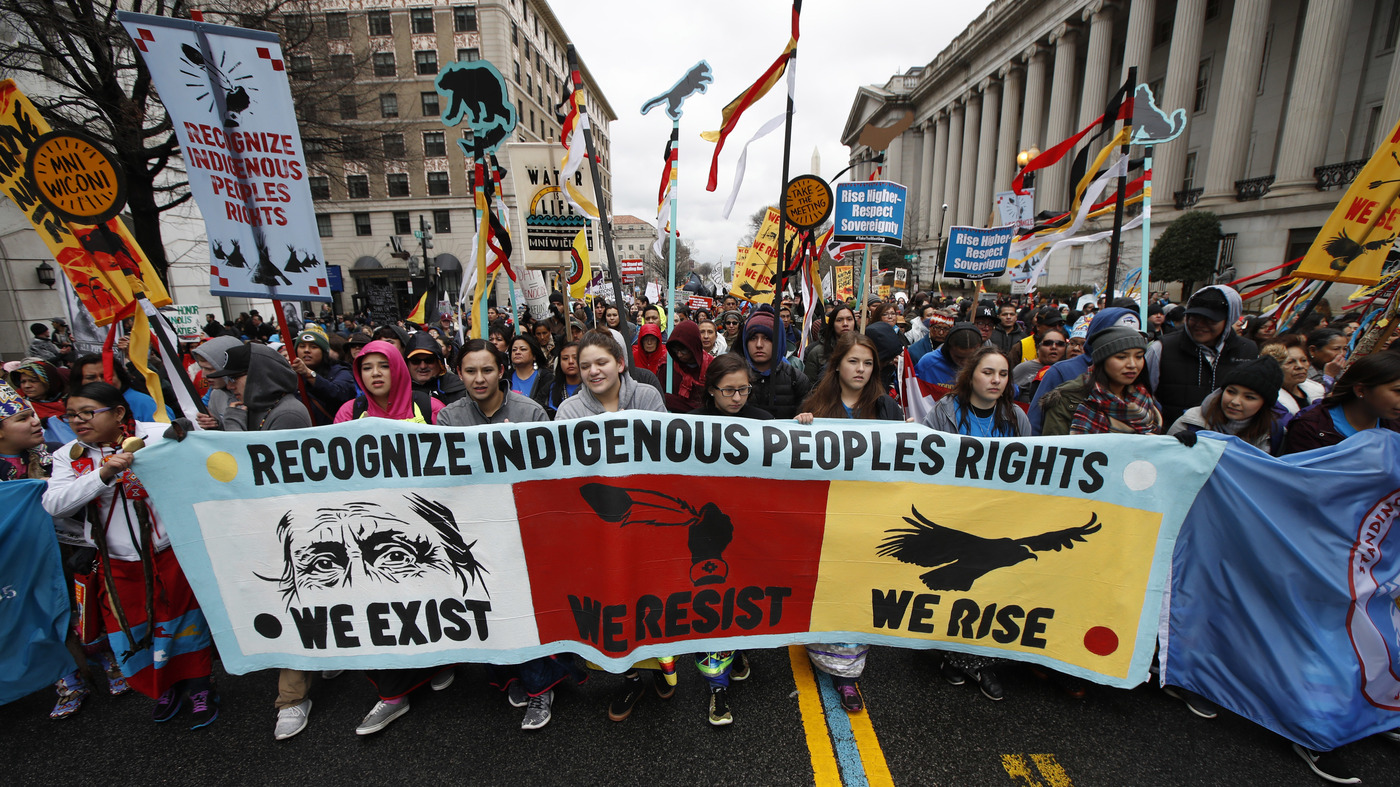
These contemporary protests are not merely reactive; they are proactive assertions of inherent sovereignty, cultural identity, and the right to self-determination. They demonstrate a profound commitment to stewardship of the land and water, rooted in ancient traditions and philosophies.
History and Identity: The Intertwined Threads
Every dot on the map of Native American protests is a node where history and identity converge.
- History as a Living Document: For Indigenous peoples, history is not confined to textbooks; it lives in the land, in oral traditions, in ceremonies, and in the collective memory of generations. A protest against a pipeline isn’t just about a proposed route; it’s about the legacy of broken treaties, the dispossession of land, and the historical trauma that echoes through time. The fight for sacred sites is a fight to preserve the physical manifestations of their history and spiritual connection to the earth.
- Identity as Connection to Land: Native American identity is profoundly tied to specific geographies. The land is not merely property; it is a relative, a teacher, a source of spiritual power, and the foundation of cultural practices. When land is threatened, it is an assault on identity itself. The ceremonies, languages, and traditional ecological knowledge (TEK) are all rooted in specific environments. Protests are thus acts of cultural preservation, affirming who they are as distinct peoples.
- Sovereignty as the Ultimate Goal: Underlying virtually every protest is the assertion of tribal sovereignty – the inherent right of Indigenous nations to govern themselves, manage their own lands, and determine their own futures. Treaties, though often violated, are legal documents affirming this sovereignty. Protests often aim to force governments to uphold these treaties and recognize tribal authority over their territories and resources.
The Map’s Message for Travelers and Educators
For those traveling through Native American lands or seeking to understand Indigenous history, this protest map offers invaluable insights:
- Look Beyond the Scenic View: The "pristine wilderness" often presented in tourism is frequently the ancestral homeland of Indigenous peoples, a place with deep historical significance and often the site of ongoing struggles. Understand that the land you traverse is not just a landscape but a living history.
- Recognize Ongoing Injustice: The map makes it clear that the challenges faced by Native Americans are not relegated to the past. Issues of land rights, resource exploitation, environmental racism, and the struggle for self-determination are very much alive today.
- Support Indigenous Voices: Seek out tribal cultural centers, museums, and community initiatives. Listen to the stories and perspectives of Indigenous people directly. Learn about the specific tribes whose ancestral lands you are visiting.
- Practice Responsible Tourism: Understand that some areas may be sacred and not open to public access. Respect cultural protocols and privacy. Support Indigenous-owned businesses and initiatives that promote sustainable tourism and cultural preservation.
- Challenge Your Assumptions: The narrative of Native American history often taught in schools is incomplete or biased. This map encourages a deeper, more critical examination of history, recognizing the resilience and agency of Indigenous peoples.
In conclusion, a map of Native American protests is far more than a collection of geographical points. It is a dynamic, evolving narrative of resistance, resilience, and the unwavering spirit of Indigenous peoples. It tells a story of profound historical injustices, but more importantly, it speaks to an enduring identity, a deep connection to the land, and a persistent, powerful demand for justice and self-determination. To understand this map is to begin to understand the true, complex, and vital history of North America, and to acknowledge the ongoing presence and sovereignty of its first peoples.

