
Unveiling the Hidden Map: Native American Political Representation and the Enduring Legacy of Sovereignty
When we look at a map of the United States, we typically see a patchwork of 50 states, neatly divided by borders. This familiar representation, however, obscures a deeper, more complex geopolitical reality: the map of Native American political representation. This is not merely a collection of historical footnotes, but a living, breathing testament to enduring sovereignty, cultural resilience, and an ongoing struggle for self-determination. For the conscious traveler and the curious student of history, understanding this map offers an invaluable lens through which to appreciate the true fabric of North America.
This article delves into the intricate layers of Native American political representation, exploring its historical roots, its contemporary manifestations, and its profound connection to identity. It’s an invitation to journey beyond the obvious, to discover the nations within a nation, and to engage with a history that is both foundational and fiercely current.
The Bedrock of Sovereignty: A History of Nations, Not Tribes

To understand Native American political representation, one must first grasp the concept of inherent sovereignty. Before European arrival, hundreds of distinct Indigenous nations thrived across the continent, each with its own sophisticated governance, legal systems, economies, and cultural practices. These were not simply "tribes" in the anthropological sense, but sovereign political entities.
The arrival of European powers and later the United States did not erase this inherent sovereignty. Instead, it initiated a complex and often violent process of negotiation, coercion, and subjugation. Crucially, the early relationship between the U.S. government and Native nations was largely conducted through treaties – solemn, nation-to-nation agreements. These treaties, numbering in the hundreds, recognized Native nations as distinct political entities, exchanging land cessions for promises of protection, resources, and defined territories.
Though often violated, these treaties remain the legal bedrock of Native American sovereignty today. They established a "trust relationship" between the federal government and tribal nations, where the U.S. holds lands and resources "in trust" for the benefit of the tribes. This unique legal status, codified by the Supreme Court in the 19th century as "domestic dependent nations," means that tribal governments possess inherent powers of self-governance, distinct from state and local authorities, and subject only to the plenary power of the U.S. Congress.
The Visible Map: Reservations and Tribal Lands

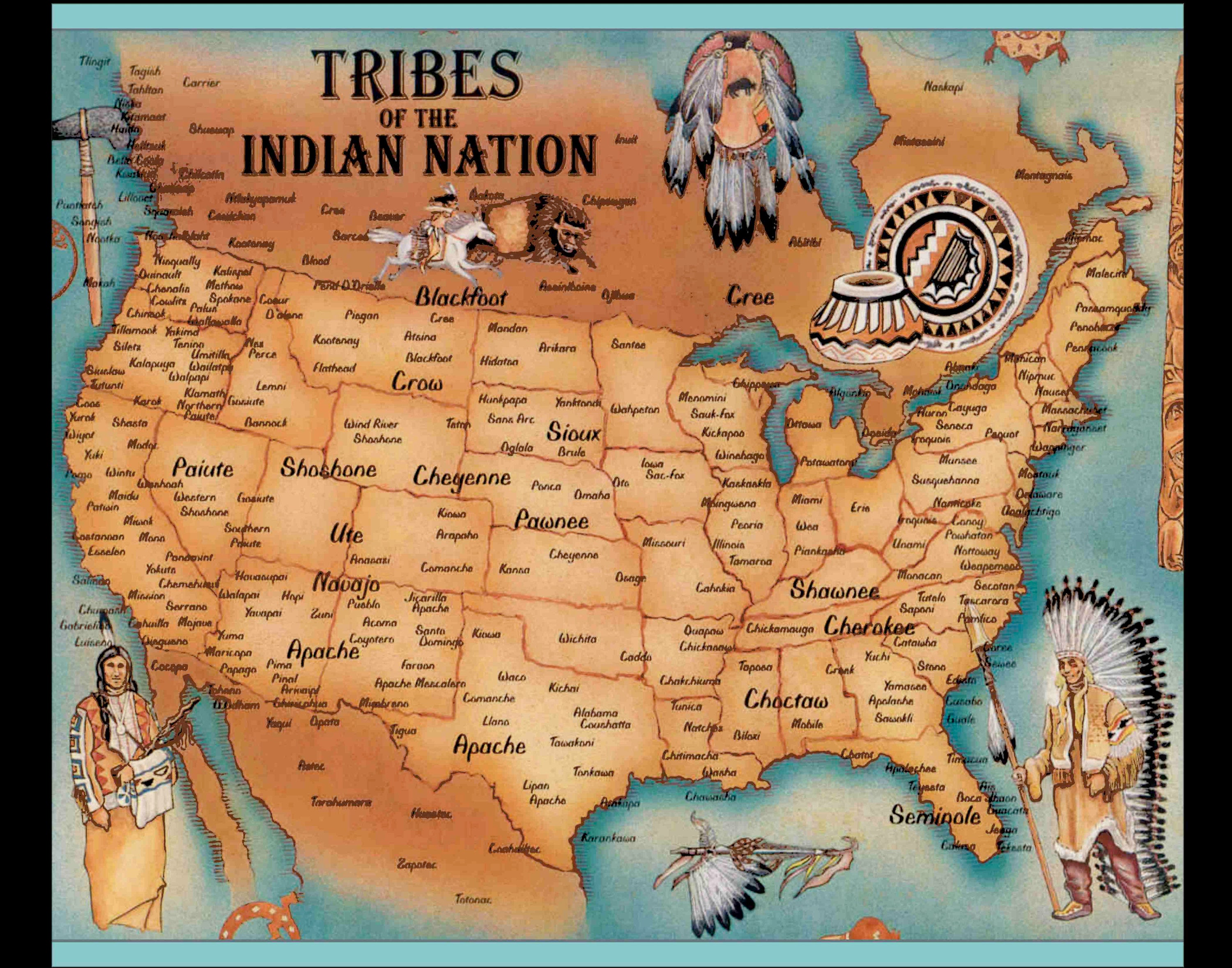
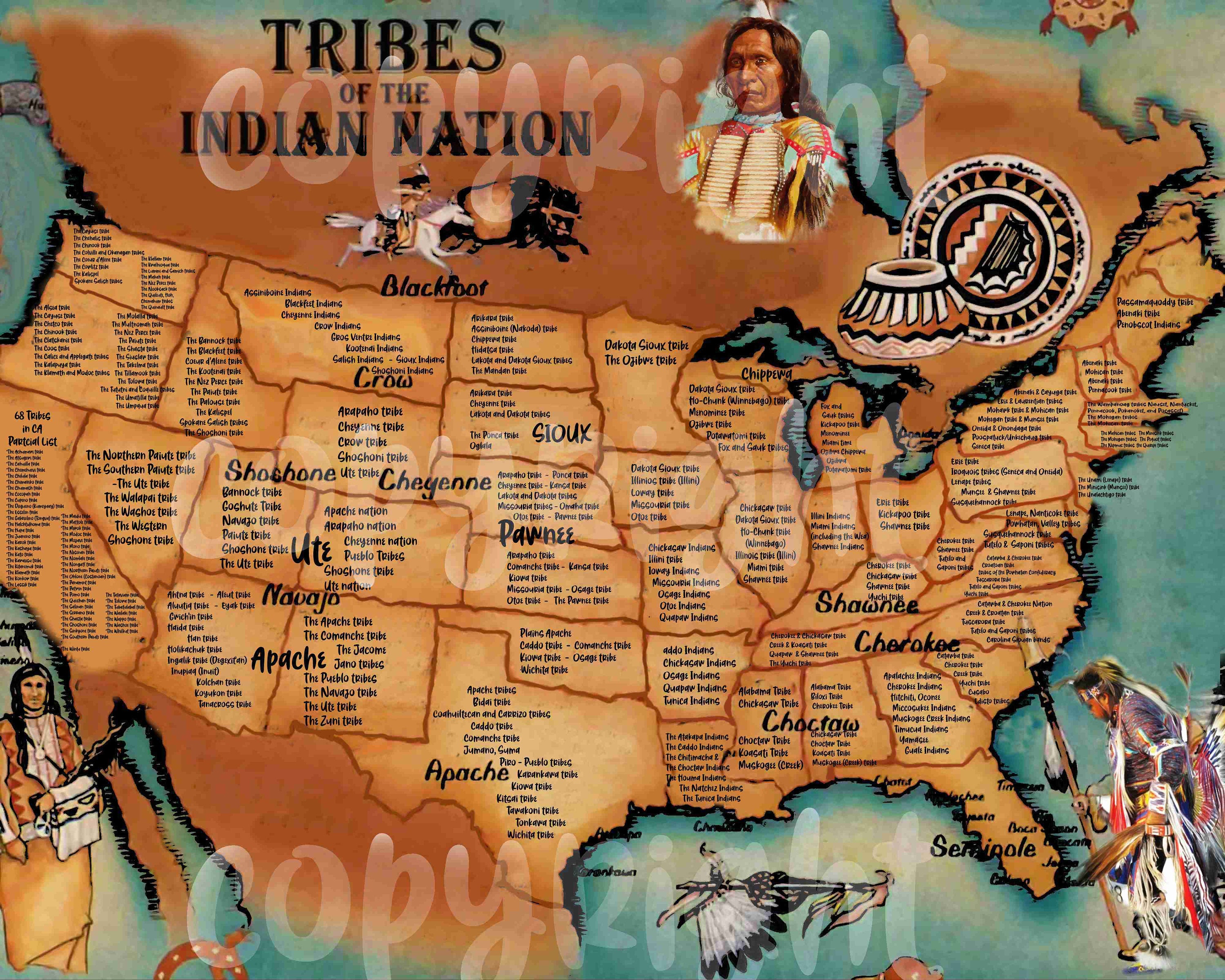
The most tangible manifestation of Native American political representation on a map is the presence of federally recognized reservations and tribal trust lands. These lands, totaling over 56 million acres across 35 states, are not "gifts" from the U.S. government, but remnants of ancestral territories retained by Native nations or set aside for them through treaties, executive orders, or acts of Congress.
Each of the 574 federally recognized tribes in the United States possesses a unique political structure and exercises jurisdiction over its reservation lands. This means that within these boundaries, tribal governments enact and enforce laws, operate judicial systems, manage resources, provide essential services (healthcare, education, housing), and engage in economic development. They are, in essence, self-governing nations with their own distinct legal and political landscapes.
However, the map of Native American lands is not monolithic. It includes:
- Federally Recognized Reservations: Lands held in trust by the U.S. for the benefit of a tribe, where tribal governments exercise significant sovereign powers.
- Off-Reservation Trust Lands: Lands acquired by tribes and placed into federal trust, often for economic development or housing.
- State-Recognized Tribes: Several states also recognize tribes that do not have federal recognition. These tribes often have limited sovereign powers compared to federally recognized tribes, but their state recognition grants them certain rights and resources.
- Unrecognized Tribes: Many Indigenous communities continue to exist without federal or state recognition. These groups often face significant challenges in asserting their identity, protecting their heritage, and accessing resources due to their lack of a formal political relationship with the U.S. government.
- Ancestral and Sacred Lands: Beyond politically defined boundaries, the map of Native America extends to vast ancestral lands, sacred sites, and cultural landscapes that may not be under direct tribal control but remain profoundly significant to Native identity and ongoing struggles for land back and environmental justice.
Political Representation: From Tribal Councils to Capitol Hill
The spectrum of Native American political representation is vast, ranging from deeply rooted traditional governance structures to a growing presence in mainstream American politics.
Within Tribal Nations: At the heart of Native American political representation are the tribal governments themselves. These range from traditional hereditary leadership systems (e.g., some Pueblo nations) to modern constitutional democracies with elected councils, presidents, or chairs. Regardless of their structure, these governments are responsible for the welfare and future of their people. They negotiate with federal and state governments, manage complex economies, and strive to preserve and revitalize their unique cultures and languages. Their work is a testament to active self-determination, often battling historical underfunding, jurisdictional complexities, and external pressures.
In State and Federal Arenas: For much of U.S. history, Native Americans were systematically excluded from the mainstream political process. While the Indian Citizenship Act of 1924 granted U.S. citizenship to all Native Americans, the struggle for equitable voting access continued for decades, with many states imposing discriminatory barriers. Even after these barriers fell, the path to mainstream political office remained arduous.
However, the last few decades have seen a significant and growing surge in Native American political representation beyond reservation borders.
- State Legislatures: Native Americans are increasingly serving in state legislatures, advocating for tribal interests, environmental protection, and social justice issues that affect all constituents. Their presence brings vital perspectives to policy debates concerning water rights, gaming, education, and healthcare.
- U.S. Congress: The election of Native Americans to the U.S. House of Representatives and Senate marks a historic shift. Trailblazers like Deb Haaland (Laguna Pueblo), the first Native American Cabinet Secretary (Secretary of the Interior), and Representatives Sharice Davids (Ho-Chunk) and Mary Peltola (Yup’ik) are not just individuals; they represent a collective voice for their nations and for Indigenous peoples nationwide. Their presence ensures that Indigenous perspectives are heard at the highest levels of federal policy-making, influencing decisions on everything from climate change to healthcare, often challenging the historical narrative and advocating for a more equitable future.
- Judiciary and Local Offices: Native Americans are also making inroads in the judiciary, local government, and various federal agencies, bringing their unique understanding of tribal sovereignty and cultural nuances to diverse branches of public service.
This growing representation is not merely about having a "seat at the table"; it’s about bringing an Indigenous worldview, a deep connection to land, and a long history of resilience into the decision-making processes that affect millions.
Identity, Culture, and the Future of the Map
The map of Native American political representation is inextricably linked to identity and culture. For Indigenous peoples, political sovereignty is not an abstract concept; it is the fundamental right to maintain their distinct ways of life, languages, spiritual practices, and communal bonds. When tribal governments can govern effectively, they can better protect sacred sites, fund language immersion programs, support traditional arts, and ensure the cultural continuity of their nations.
The challenges are immense. Historical trauma, ongoing resource extraction on or near ancestral lands, economic disparities, and the constant threat of cultural assimilation continue to test the resilience of Native nations. Yet, the story is one of profound strength and adaptation. Tribes are leading the way in sustainable resource management, renewable energy, culturally appropriate education, and innovative economic development that aligns with their values.
For the traveler, this understanding transforms a simple journey into a meaningful encounter. Visiting tribal lands is an opportunity to directly engage with living cultures, support Indigenous economies, and learn history from an Indigenous perspective. It demands respect for tribal laws and customs, recognition of tribal sovereignty, and a commitment to responsible tourism that benefits the communities visited. It’s about recognizing that these are not just scenic locations, but homelands, vibrant with ongoing life and self-governance.
For the educator, this map offers a critical counter-narrative to traditional American history. It highlights the enduring presence of Indigenous nations, their complex political systems, and their ongoing contributions to the fabric of the United States. It encourages students to question conventional maps, to understand the layers of history and power that shape our world, and to recognize the importance of diverse voices in shaping a just future.
Conclusion: A Living, Evolving Landscape
The map of Native American political representation is not static; it is a living, evolving landscape of inherent rights, historical struggles, and unwavering determination. It is a map that challenges conventional notions of nationhood, reminding us that sovereignty can exist within, alongside, and independently of larger political entities.
By exploring this hidden map, we gain a deeper appreciation for the rich tapestry of cultures, governance systems, and identities that define North America. It invites us to move beyond superficial understanding, to acknowledge the foundational role of Indigenous nations, and to support their ongoing journey of self-determination. For anyone seeking to truly understand the United States – its history, its challenges, and its future – recognizing and respecting the political representation of Native American nations is not just an academic exercise; it is an essential step towards a more informed and equitable world.

