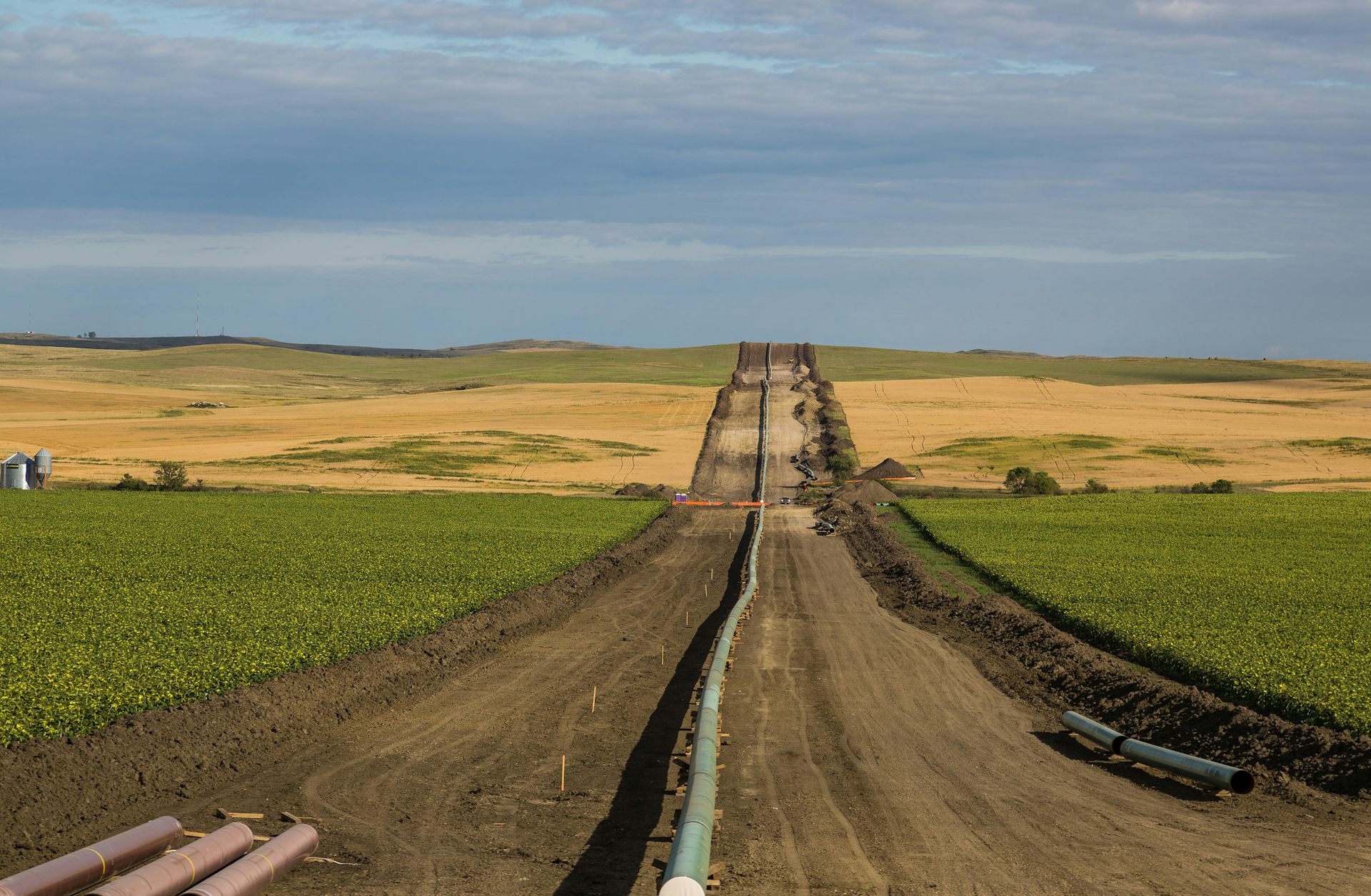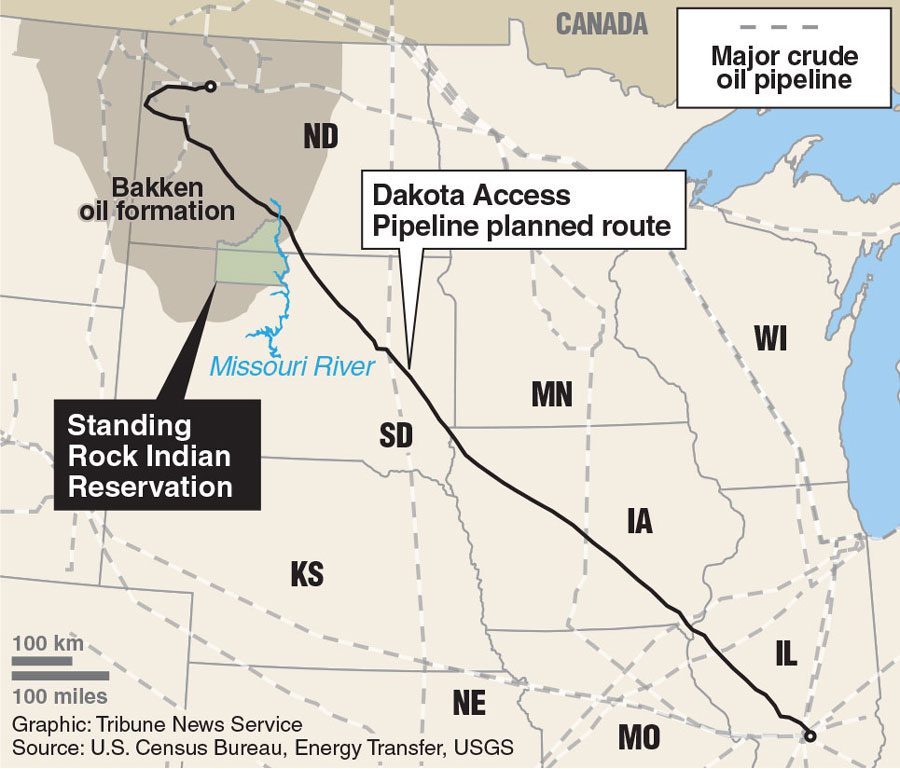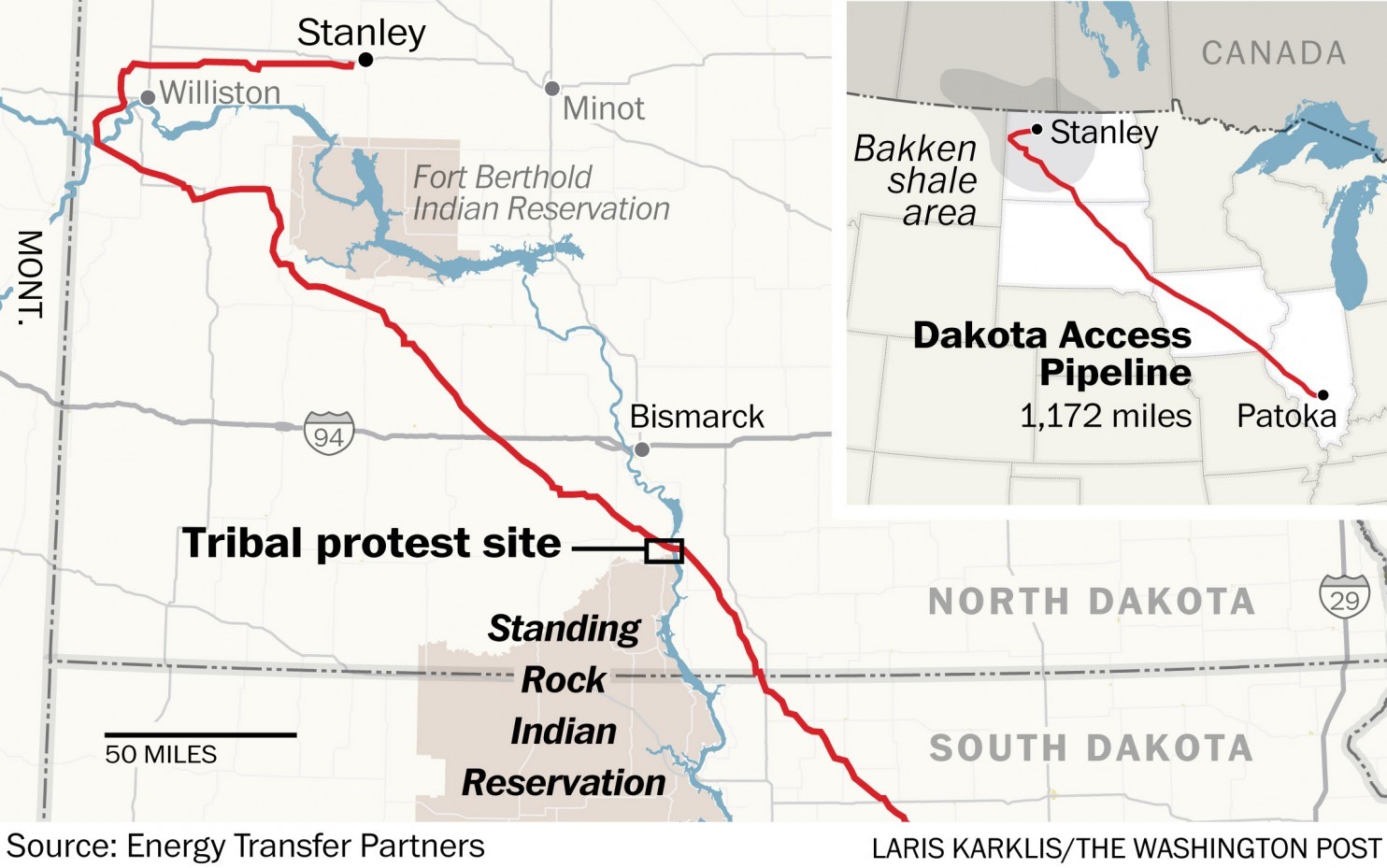
The "Map of Native American Pipeline Resistance" is more than just a cartographic representation; it is a living document, a testament to enduring Indigenous sovereignty, cultural identity, and an unwavering commitment to protecting ancestral lands and waters. Far from a static display of infrastructure, this map illuminates a continent-spanning network of Indigenous-led movements challenging the relentless expansion of fossil fuel pipelines across North America. It is a vital lens through which to understand the complex interplay of history, identity, environmental justice, and human rights that defines contemporary Indigenous struggles.
At its core, this map is a visual narrative of opposition, highlighting specific pipeline projects—from the Dakota Access Pipeline (DAPL) to Keystone XL, Line 3, Coastal GasLink, and countless others—that traverse or threaten Indigenous territories. Each dot or line on this map represents a community, often a sovereign nation, standing firm against corporate interests and government policies that prioritize profit over pristine ecosystems and treaty obligations. For travelers and history enthusiasts, understanding this map means delving into centuries of colonial history, recognizing the profound spiritual and cultural ties Indigenous peoples hold to their land, and witnessing a powerful, ongoing assertion of self-determination.
The roots of this resistance run deep, stretching back to the very arrival of European colonizers. Indigenous societies across North America lived in intricate balance with their environments, developing sophisticated systems of stewardship and sustainability. Land was not merely a commodity or a resource to be exploited; it was, and remains, a sacred relative, the source of life, identity, and spiritual connection. This worldview stands in stark contrast to the extractive mindset introduced by colonialism, which viewed land as an empty frontier to be conquered and its resources as limitless for economic gain.
The historical trajectory of Indigenous peoples in North America is marked by a relentless series of land dispossession, broken treaties, forced removals, and attempts at cultural assimilation. From the Indian Removal Act of 1830 and the tragic Trail of Tears, which violently displaced countless nations, to the Dawes Act of 1887, which sought to break up communal lands into individual allotments to undermine tribal sovereignty, the pattern has been consistent: seize land, exploit resources, and dismantle Indigenous governance. This legacy of colonial violence and resource extraction continues to manifest in the modern era, with pipelines serving as a new frontier for old conflicts. When a pipeline threatens sacred burial grounds, contaminates drinking water, or fragments critical wildlife habitats, it is not merely an environmental concern; it is a direct assault on Indigenous identity, history, and future.
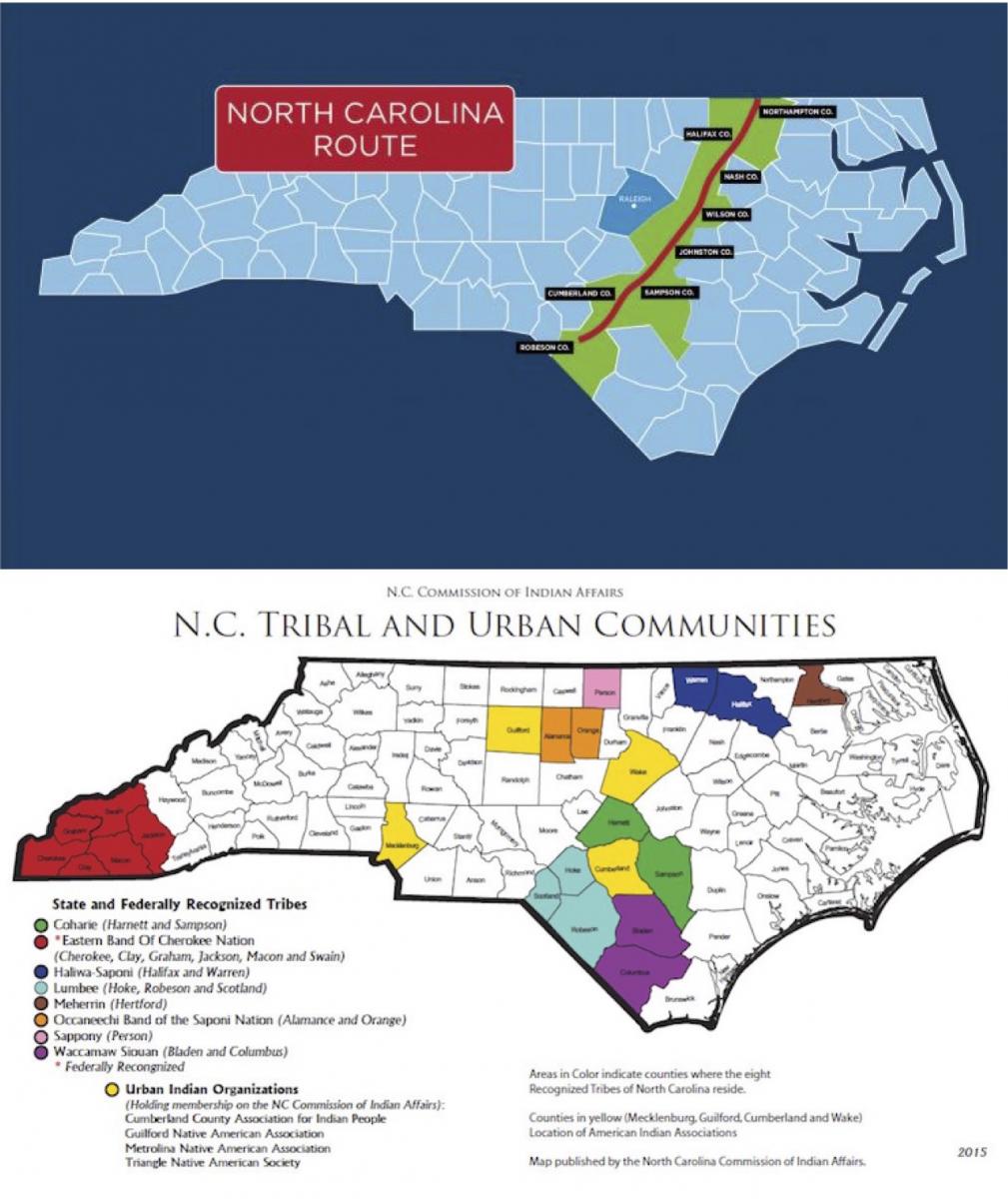
For Indigenous nations, the fight against pipelines is intrinsically linked to the assertion of their inherent sovereignty. Treaties signed with colonial powers and later with the United States and Canadian governments recognized Indigenous nations as distinct, self-governing entities with rights to their lands and resources. Though these treaties have been routinely violated, they remain foundational legal documents, representing a sacred trust and a continuing basis for claims to land and jurisdiction. When a pipeline company seeks to cross Indigenous territory without free, prior, and informed consent (FPIC), it directly undermines these treaty rights and the very principle of self-determination. The resistance movements are thus not just about stopping a specific project; they are about demanding respect for Indigenous law, governance, and the recognition of inherent rights.
Central to this struggle is the concept of "Mni Wiconi" – Water is Life – a rallying cry that gained global prominence during the Standing Rock resistance against the Dakota Access Pipeline. For many Indigenous cultures, water is sacred, a living entity that sustains all life, from human beings to plants and animals. Contamination of water sources, whether from pipeline spills or the cumulative impact of industrial activity, is an existential threat. It imperils traditional foods, medicinal plants, and ceremonial practices, striking at the heart of cultural survival. The fight for clean water is a fight for cultural continuity, for the health of future generations, and for the spiritual well-being of the entire community.
The cultural significance of the land extends beyond water. Sacred sites, ancestral burial grounds, traditional hunting and fishing areas, and places of spiritual ceremony are interwoven with Indigenous identity. A pipeline easement can destroy these sites, sever connections to ancestors, and disrupt the practice of traditional ecological knowledge (TEK). TEK, passed down through generations, encompasses a profound understanding of local ecosystems, sustainable practices, and the intricate relationships between all living things. Indigenous communities often bring this deep, place-based knowledge to the forefront of pipeline debates, offering a holistic perspective that challenges the narrow economic calculus of project proponents. Their resistance is a defense of an entire way of life, a worldview that prioritizes balance and reciprocity over exploitation.
The Standing Rock Sioux Tribe’s struggle against the Dakota Access Pipeline in 2016-2017 became a watershed moment, galvanizing Indigenous and non-Indigenous allies worldwide. The proposed pipeline threatened the tribe’s primary drinking water source, Lake Oahe, and encroached upon sacred sites and burial grounds. Thousands of water protectors, representing hundreds of Indigenous nations, converged at the Oceti Sakowin camp in North Dakota, forming an unprecedented alliance. The militarized response by state and private security forces, involving rubber bullets, water cannons in freezing temperatures, and mass arrests, brought international attention to the violence faced by land defenders. While the pipeline was eventually completed and now operates, Standing Rock demonstrated the power of collective action, amplified Indigenous voices on a global stage, and inspired countless other communities to resist. It cemented the "Map of Native American Pipeline Resistance" as a dynamic, evolving symbol of resilience.

Following Standing Rock, other critical battles have continued to shape the landscape of resistance. The long and arduous fight against the Keystone XL pipeline, for instance, saw Indigenous nations, ranchers, and environmentalists unite across the Great Plains. After years of protests, legal challenges, and political advocacy, the project was ultimately canceled by presidential executive order, a significant victory for the movement. Similarly, the ongoing resistance to the Line 3 replacement project in Minnesota highlights treaty rights of the Anishinaabe people, who depend on the pristine waters and wild rice beds (manoomin) of their ancestral territory. These and other struggles, such as those against the Coastal GasLink pipeline in Wet’suwet’en territory in British Columbia, are not isolated incidents but interconnected chapters in a larger narrative of Indigenous self-determination and environmental stewardship.
The "Map of Native American Pipeline Resistance" also reveals the enduring strength of grassroots organizing and inter-tribal unity. These movements are often led by women, elders, and youth, who bring a deep sense of responsibility to future generations. They employ a diverse array of tactics, from direct action and peaceful protest to legal challenges, international advocacy, and cultural revitalization efforts. Social media has played a crucial role in amplifying their messages, circumventing mainstream media biases, and connecting disparate communities in solidarity. The challenges are immense, facing powerful corporations backed by state apparatuses, but the resilience of land and water protectors continues to inspire.
For travelers seeking a deeper understanding of North America’s history and contemporary challenges, engaging with the stories behind this map is an invaluable experience. It’s an invitation to move beyond superficial tourist narratives and to confront the ongoing impacts of colonialism, environmental injustice, and the climate crisis. It’s an opportunity to learn from Indigenous peoples who offer profound lessons in sustainable living, community resilience, and the power of spiritual connection to the land. Supporting Indigenous-led initiatives, learning about treaty territories, and advocating for environmental justice are ways to engage respectfully and meaningfully with these vital struggles.
Ultimately, the "Map of Native American Pipeline Resistance" is more than a warning sign; it is a beacon of hope. It showcases the unwavering determination of Indigenous peoples to protect what is sacred, not just for themselves, but for all humanity. In a world grappling with climate change and ecological collapse, the wisdom and leadership of Indigenous land defenders offer a crucial path forward—a vision where progress is measured not by extraction and exploitation, but by respect for the Earth, reverence for water, and the flourishing of all life. It is a map that teaches us that true history is alive, contested, and continuously being written by those who stand on the front lines, defending the future.