
The Unseen Landscape of Healing: Navigating Native American Mental Health Services Through a Cultural Map
The landscape of mental health services for Native American communities is as complex and deeply rooted in history as the lands their ancestors once roamed. More than just a directory of clinics, a "Map of Native American Mental Health Services" represents a vital tool, a beacon guiding individuals towards culturally congruent care that acknowledges centuries of trauma, celebrates enduring resilience, and prioritizes holistic well-being. This isn’t merely a logistical aid; it’s a testament to the ongoing fight for self-determination in health, a historical document in its own right, and a profound statement about identity and healing.
The Deep Wounds: A Legacy of Trauma and the Urgent Need for Care
To understand the critical necessity of such a map, one must first grasp the profound historical context that shapes Indigenous mental health today. The arrival of European colonizers initiated a cascade of events that systematically dismantled Native American societies, leaving an indelible mark on the collective psyche. Forced displacement, the breaking of treaties, the decimation of populations through disease and violence, and the deliberate suppression of languages, spiritual practices, and cultural identities were not isolated incidents but a sustained campaign of cultural genocide.
Perhaps no single policy illustrates this more starkly than the Indian Boarding School era. From the late 19th century through the mid-20th century, hundreds of thousands of Native American children were forcibly removed from their families and communities, often enduring physical, emotional, and sexual abuse in institutions designed to "kill the Indian, save the man." This experience severed familial bonds, disrupted the transmission of cultural knowledge, and instilled deep-seated trauma that continues to reverberate across generations. Survivors of these schools and their descendants grapple with intergenerational trauma, a complex and cumulative form of post-traumatic stress that manifests in higher rates of depression, anxiety, PTSD, substance use disorders, and suicide.
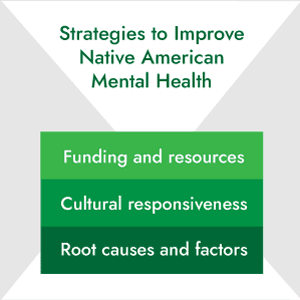
Today, these historical wounds are compounded by contemporary challenges: systemic racism, chronic underfunding of the Indian Health Service (IHS) and tribal health programs, geographic isolation on reservations, poverty, and continued discrimination. Access to adequate healthcare, particularly mental healthcare, remains a significant disparity. Western-centric mental health models often fail to address the unique cultural, spiritual, and historical factors that influence Indigenous well-being, leading to mistrust in the healthcare system and a reluctance to seek help from providers who may not understand their experiences. This confluence of historical trauma and present-day challenges creates an urgent and pervasive need for accessible, culturally relevant mental health services.
Unveiling the Unseen: What a Mental Health Services Map Offers
In this challenging environment, a specialized "Map of Native American Mental Health Services" emerges as an indispensable resource. Far from a simple Google search, this map is a curated, culturally informed repository designed specifically for Indigenous communities. Its primary function is to bridge the vast gap between need and access, providing clear pathways to support.
At its core, such a map identifies and locates various types of mental health providers and services. This includes:
- Tribal Health Clinics: Facilities operated by sovereign tribal nations, often integrating traditional healing practices with Western medicine.
- IHS Facilities: Hospitals and clinics run by the Indian Health Service, a federal agency responsible for providing healthcare to federally recognized tribes.
- Urban Indian Health Organizations (UIHOs): Non-profit organizations providing culturally competent health services to Native Americans and Alaska Natives residing in urban areas, where a significant portion of the Indigenous population lives.
- Private Practices and Non-Profits: Individual therapists, counselors, and community organizations specializing in Indigenous mental health, often run by Native practitioners.
- Traditional Healers and Cultural Programs: Crucially, the map extends beyond conventional Western medical models to include resources for traditional healing ceremonies, elder wisdom, talking circles, and other culturally specific therapeutic interventions.

Beyond mere location, the map provides vital details: contact information, hours of operation, types of services offered (e.g., individual counseling, family therapy, substance abuse treatment, crisis intervention, psychiatric care), eligibility requirements, and, most importantly, an indication of their cultural competence and the extent to which they integrate traditional healing practices. For someone navigating a mental health crisis or simply seeking support, this detailed information is invaluable, allowing them to make informed choices about where to seek care that aligns with their cultural values and beliefs.
The Power of Cultural Congruence: Beyond Western Modalities
The true power of a Native American mental health services map lies in its emphasis on cultural competence and the integration of traditional healing. Western psychotherapy, while effective for many, often operates from an individualistic framework, which can clash with Indigenous worldviews that prioritize community, family, and interconnectedness with the land and spirit world. Furthermore, the historical context of trauma is frequently overlooked in conventional settings, leading to misdiagnoses or ineffective treatment.
Culturally competent care, as highlighted by the map, recognizes and respects the unique experiences, beliefs, and healing practices of Indigenous peoples. This approach understands that mental health is inextricably linked to spiritual, physical, and community health. It may involve:
- Acknowledging Historical and Intergenerational Trauma: Therapists understand the deep-seated impacts of colonialism, boarding schools, and ongoing discrimination.
- Integrating Traditional Healing Practices: Services may include access to sweat lodges, talking circles, storytelling, ceremonies, elder counseling, and plant medicines, which are integral to Indigenous concepts of wellness.
- Language and Identity Affirmation: Respect for Indigenous languages and the role of cultural identity in healing is paramount.
- Community-Based Approaches: Emphasizing collective well-being and involving family and community in the healing process, rather than solely focusing on the individual.
- Land-Based Healing: Recognizing the profound connection between Indigenous peoples and their ancestral lands as a source of healing and identity.
By highlighting providers who embrace these integrated approaches, the map empowers individuals to find care that not only addresses their symptoms but also affirms their identity, respects their heritage, and supports their holistic journey towards wellness. It moves beyond a deficit-based model to one that emphasizes Indigenous strengths, resilience, and cultural wisdom.
Identity as Medicine: Reclaiming Self Through Culturally Rooted Healing
For Native American individuals, healing from mental health challenges is often deeply intertwined with the process of reclaiming and affirming their Indigenous identity. Colonial policies systematically sought to strip away this identity, believing it was an impediment to "progress." However, for many, connection to their heritage – their language, ceremonies, stories, and connection to the land – is not merely cultural preservation; it is a fundamental pillar of mental and spiritual well-being.
When a mental health service is culturally congruent, it becomes a space where identity is not just tolerated but celebrated and leveraged as a therapeutic asset. The map, by directing individuals to such services, becomes an instrument of empowerment. It signals that their unique cultural needs are understood and valued. It offers a pathway to care where they do not have to explain or justify their lived experiences, but rather where those experiences are understood within a broader historical and cultural framework.
This process of "identity as medicine" helps individuals to:
- Rebuild Trust: After generations of betrayal by institutions, culturally appropriate care fosters trust.
- Strengthen Cultural Connections: Participating in traditional healing practices or speaking with a culturally informed therapist can reinforce a sense of belonging and connection to ancestors and community.
- Process Historical Trauma: Understanding their mental health challenges within the context of intergenerational trauma can be validating and reduce feelings of individual blame or shame.
- Develop Resilience: Reconnecting with traditional teachings often provides frameworks for resilience, coping strategies, and spiritual strength.
In essence, the map helps individuals find healing that doesn’t just treat symptoms but also nurtures their spirit, strengthens their cultural ties, and affirms their inherent worth as Indigenous people. It’s a journey back to self, guided by the wisdom of their ancestors and supported by culturally competent care.
Challenges and the Path Forward
While a "Map of Native American Mental Health Services" is a powerful tool, its implementation and sustained efficacy face significant challenges. Chronic underfunding remains a pervasive issue, limiting the number of available services and the capacity of existing ones. There is a severe shortage of Indigenous mental health professionals, making it difficult to staff culturally congruent programs adequately. Geographically remote communities often lack reliable internet access, hindering the use of online maps, and transportation barriers can prevent individuals from reaching services even if they are aware of them. Stigma surrounding mental health, while decreasing, still exists within some communities, further complicating help-seeking behaviors.
Despite these hurdles, the path forward is clear and filled with hope. Continued advocacy for increased funding for IHS, tribal health programs, and urban Indian health organizations is crucial. Investing in the education and training of more Indigenous mental health professionals will ensure that care is delivered by those who share cultural understandings. Expanding the integration of telehealth services can help overcome geographic barriers, reaching individuals in remote areas. Furthermore, continuous community engagement, outreach, and education are vital to reduce stigma and promote awareness of available resources. The map itself must be regularly updated and maintained to ensure its accuracy and relevance.
A Beacon of Hope and Resilience
A "Map of Native American Mental Health Services" is far more than a practical guide; it is a symbol of Indigenous resilience, a testament to the enduring spirit of communities committed to healing and well-being. It is a living document that acknowledges a painful history while simultaneously illuminating pathways to a healthier future. For a traveler or student of history, understanding this map means understanding not just a list of locations, but the profound interplay of history, identity, trauma, and healing that defines the Native American experience today.
It invites us to look beyond the surface, to recognize the profound work being done within Indigenous communities to reclaim health, culture, and self-determination. It reminds us that true healing is holistic, deeply personal, and inextricably linked to one’s heritage. In a world still grappling with the legacies of colonialism, this map stands as a powerful statement: Indigenous voices are heard, Indigenous needs are met, and Indigenous healing is not just possible, but flourishing, guided by the wisdom of the past and the unwavering hope for the future.

