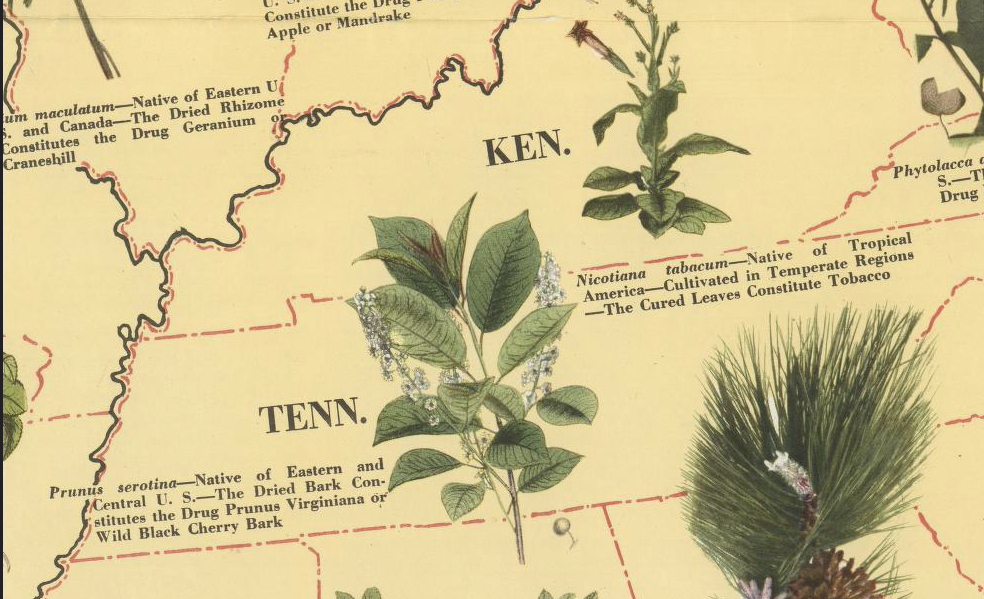
The Living Atlas: Navigating the Map of Native American Medicinal Plants and Indigenous Identity
The "Map of Native American Medicinal Plants" is not a singular, static document but a profound, living atlas woven from millennia of observation, spiritual connection, and intergenerational wisdom. It represents an intricate understanding of North America’s diverse ecosystems and the potent pharmacopoeia hidden within its flora. This map is a testament to indigenous identity, a chronicle of survival, and a guide to holistic well-being, offering invaluable lessons for modern travelers and history enthusiasts alike.
Roots in Land and Culture: The Foundation of Knowledge
At its core, the map of Native American medicinal plants is an embodiment of Traditional Ecological Knowledge (TEK). For countless generations, indigenous peoples lived in an intimate, reciprocal relationship with the land. They viewed the earth as Mother, a living entity providing sustenance, shelter, and healing. This worldview fostered a deep respect for all living things and an understanding that human health was inextricably linked to the health of the environment.
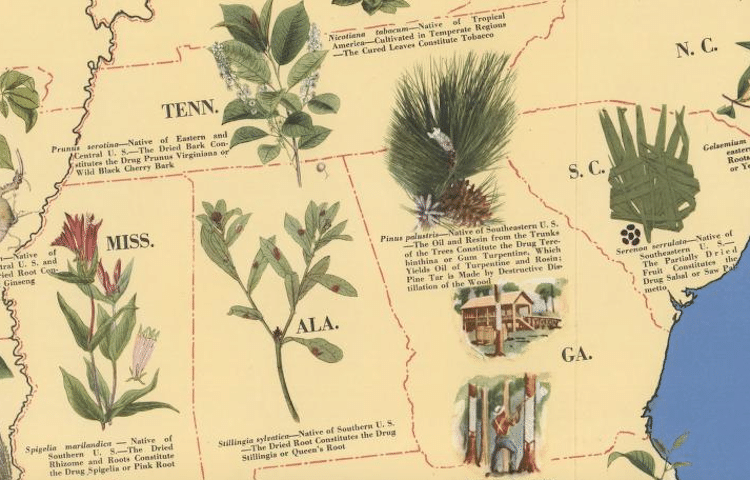
Medicine people, healers, and elders were not merely herbalists; they were spiritual practitioners, botanists, and community leaders. Their knowledge of plants extended far beyond their chemical properties. They understood the plants’ habitats, their growth cycles, the best times for harvesting, and the appropriate ways to offer gratitude for what was taken. This practice, often accompanied by prayer and ceremony, ensured sustainable harvesting and maintained the spiritual balance between humans and the natural world. This profound connection to specific territories meant that each tribe developed a unique pharmacopeia, reflecting the distinct biodiversity of their ancestral lands.
A Tapestry of Knowledge: Regional Diversity and Plant Power
The vast geographical expanse of North America meant that the "map" is incredibly diverse, with distinct regional plant traditions.
- The Eastern Woodlands (e.g., Iroquois, Cherokee): This region, rich in forests and waterways, yielded a wealth of medicinal trees and undergrowth. Wild Cherry Bark was used for coughs and colds, Sassafras for purification and tonics, and Goldenseal (Hydrastis canadensis) was highly valued for its anti-inflammatory and antimicrobial properties, used for digestive issues and infections. The American Ginseng (Panax quinquefolius) was revered as an adaptogen, enhancing vitality and overall well-being.
- The Great Plains (e.g., Lakota, Cheyenne): The expansive prairies offered plants resilient to harsh conditions. Echinacea (Echinacea purpurea), or Purple Coneflower, is perhaps one of the most famous, used extensively by tribes for immune support, wound healing, and snakebites. Prairie Sage (Artemisia ludoviciana) was used for purification, headaches, and fevers. Willow Bark (Salix spp.), a source of salicylic acid (aspirin’s precursor), was a staple for pain relief and inflammation.
- The Southwest (e.g., Navajo, Hopi): The arid desert landscape provided unique, hardy plants. Yucca was used for its cleansing properties in soaps and shampoos, and medicinally for arthritis. Ocotillo (Fouquieria splendens) was used for lymphatic support, and Chaparral (Larrea tridentata) for its potent antioxidant and antimicrobial qualities, used cautiously for various ailments. Creosote Bush was a ubiquitous remedy for respiratory issues and skin conditions.
- The Pacific Northwest (e.g., Coast Salish, Haida): The lush, temperate rainforests provided plants like Devil’s Club (Oplopanax horridus), a powerful adaptogen and anti-inflammatory, and various Berries (Salmonberry, Huckleberry) used for nutrition and their medicinal properties. Cedar (Thuja plicata), revered as the "Tree of Life," was used extensively for purification, respiratory ailments, and spiritual ceremonies.
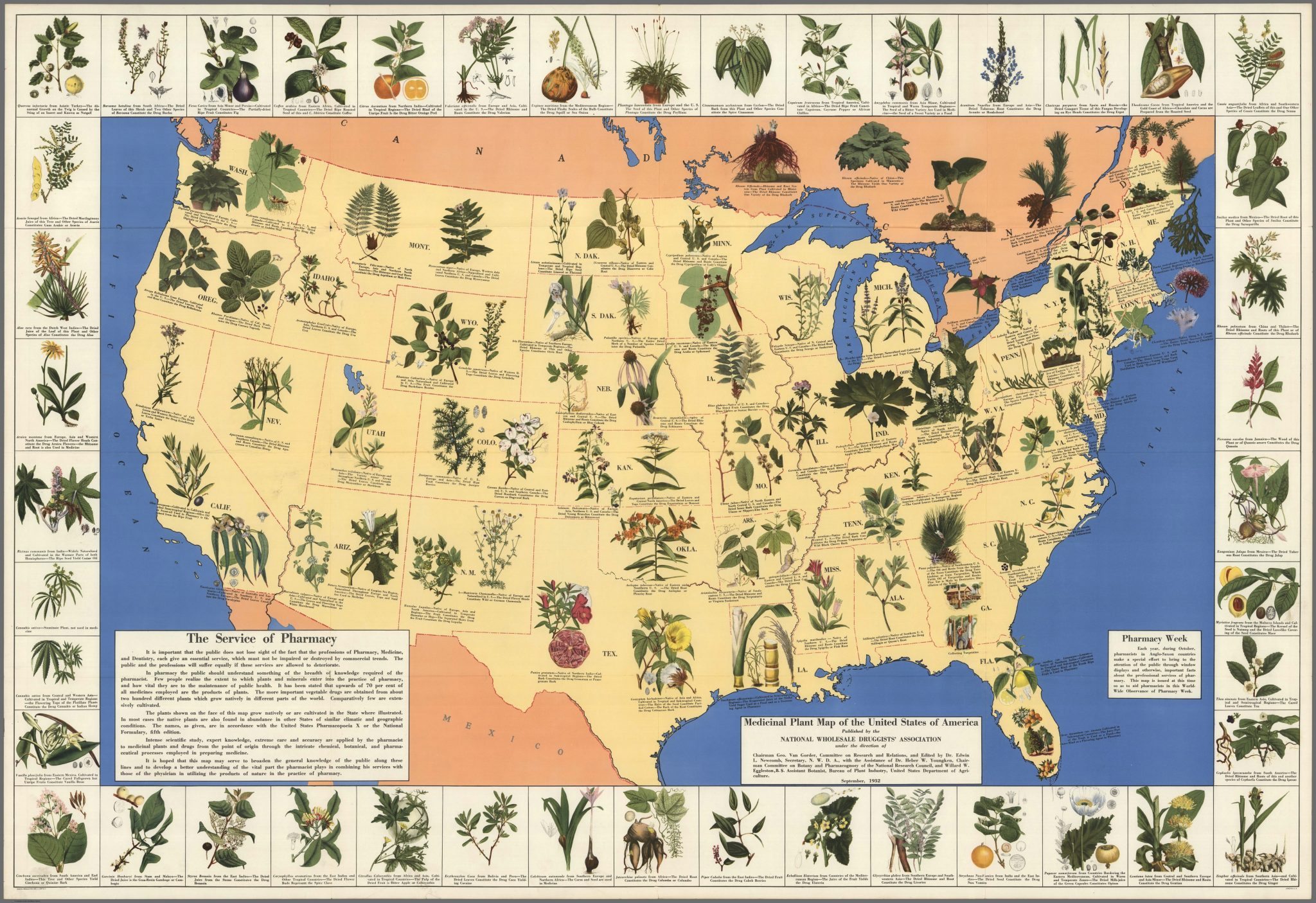

These are just a few examples; thousands of plants were known and utilized, each with specific preparation methods—infusions, decoctions, poultices, salves, and ceremonial smokes—passed down through oral tradition.
Beyond Medicine: Holistic Well-being and Identity
The "medicinal" aspect of these plants often extends beyond physical healing. For many Native American tribes, health is a state of balance—physical, mental, emotional, and spiritual. Plants played crucial roles in:
- Spiritual Practices: Sage (Salvia apiana), Cedar, and Sweetgrass (Hierochloe odorata) are foundational for smudging ceremonies, used to cleanse spaces, people, and objects of negative energy, inviting positive energy and prayer. Sacred Tobacco (Nicotiana rustica, distinct from commercial tobacco) was used as an offering to the Creator and spirits, facilitating communication and carrying prayers.
- Community Cohesion: Healing ceremonies often involved the entire community, reinforcing social bonds and shared identity. The act of gathering, preparing, and administering plant medicines was a communal endeavor, strengthening cultural ties.
- Rites of Passage: Certain plants were used in ceremonies marking significant life events, from birth to coming-of-age, instilling cultural values and connecting individuals to their heritage.
- Storytelling and Education: The knowledge of plants was often embedded in creation stories, legends, and songs, serving as mnemonic devices and teaching tools for younger generations.
Thus, the map of medicinal plants is intrinsically linked to tribal identity. It represents not just a collection of remedies but a worldview, a spiritual connection to the land, and the continuation of cultural practices that define who indigenous peoples are.
The Historical Arc: Resilience Through Disruption
The history of this indigenous plant knowledge is one of profound resilience in the face of immense adversity. Prior to European contact, this knowledge flourished, evolving over millennia. However, colonization brought devastating impacts:
- Land Dispossession: Forced removals, treaties broken, and the establishment of reservations severed many tribes from their ancestral lands—and thus from the plants that formed the basis of their medicine.
- Cultural Suppression: Efforts to assimilate Native Americans often included outlawing traditional spiritual practices and languages, directly threatening the transmission of plant knowledge, which was often intertwined with ceremony and oral tradition.
- Disease and Trauma: Introduced diseases decimated populations, leading to the loss of elders who held vast repositories of knowledge. Generational trauma further disrupted traditional ways of life.
Despite these catastrophic pressures, indigenous communities demonstrated incredible strength. Elders and knowledge keepers, often in secret, continued to practice and pass down their wisdom. The plants themselves became symbols of endurance, their continued growth a reminder of the enduring power of the land and its people. This preservation, often under extreme duress, underscores the deep value and necessity of this knowledge for indigenous identity and survival.
Reclaiming Identity and Knowledge in the Modern Era
Today, there is a powerful resurgence of interest and active efforts to reclaim, revitalize, and protect Native American plant knowledge.
- Language Revitalization: As plant names and uses are often embedded in indigenous languages, the revitalization of these languages is crucial for preserving botanical wisdom.
- Youth Engagement: Tribal colleges, cultural centers, and community programs are actively teaching younger generations about traditional plant uses, ensuring the knowledge continues to thrive.
- Documentation and Research (Indigenous-Led): While historically much anthropological and botanical research was extractive, contemporary efforts emphasize indigenous-led initiatives that prioritize tribal sovereignty, intellectual property rights, and community benefit. This includes documenting oral histories, creating tribal plant guides, and establishing botanical gardens focused on native medicinal plants.
- Food Sovereignty Initiatives: Many tribes are re-establishing traditional food systems, which naturally includes cultivating and utilizing medicinal plants that grow alongside traditional crops.
- Cultural Centers and Museums: These institutions play a vital role in educating both indigenous and non-indigenous people about the rich heritage of plant medicine, fostering understanding and respect.
This modern movement is not just about preserving historical data; it’s about strengthening indigenous identity, promoting community health, and asserting cultural sovereignty in a contemporary world.
Traveling with Respect: Engaging with Indigenous Plant Wisdom
For the traveler seeking to connect with history and culture, understanding the "Map of Native American Medicinal Plants" offers a profound opportunity for education and introspection. However, engagement must always be approached with profound respect and ethical consideration:
- Seek Indigenous Voices: Prioritize learning directly from Native American communities. Visit tribal cultural centers, museums, or participate in programs led by indigenous educators. These are the most authentic sources of knowledge.
- Support Indigenous Businesses: If purchasing herbal products, ensure they are sourced ethically and sustainably from Native American-owned enterprises. Avoid products that appropriate indigenous symbols or knowledge without proper attribution or benefit to the communities.
- Respect Sacred Spaces: Many areas rich in medicinal plants are considered sacred. Always respect signage, boundaries, and cultural protocols.
- Do Not Wild Harvest: Never harvest plants from the wild without explicit permission and guidance from knowledgeable indigenous individuals. Over-harvesting can deplete sensitive populations and disrespect traditional practices. Many medicinal plants are endangered due to habitat loss and commercial exploitation.
- Learn About Local Tribes: Before traveling to a region, research the indigenous tribes whose ancestral lands you are visiting. Understand their history, their ongoing presence, and their specific plant traditions. This demonstrates genuine interest and respect.
- Recognize Intellectual Property: Understand that traditional plant knowledge is intellectual property. Do not appropriate or commercialize indigenous plant uses without permission and equitable benefit sharing.
The Educational Imperative
The "Map of Native American Medicinal Plants" is far more than a collection of botanical facts; it is a profound educational tool. It teaches us about:
- Sustainable Living: The indigenous approach to plant medicine is a masterclass in sustainability, demonstrating how to live harmoniously with the environment.
- Holistic Health: It reminds us that true healing encompasses mind, body, and spirit, and that nature provides resources for all these dimensions.
- Biodiversity: The vast knowledge of plants underscores the incredible biodiversity of North America and the urgent need for its protection.
- Cultural Resilience: It showcases the enduring strength and adaptability of indigenous cultures in the face of historical trauma.
- Alternative Perspectives: It offers alternative frameworks for understanding health and medicine, challenging purely Western biomedical models.
In conclusion, the "Map of Native American Medicinal Plants" is an extraordinary legacy, a dynamic repository of wisdom that continues to inform and inspire. It is a living testament to the deep connection between indigenous peoples, their land, and their identity. For the conscious traveler and history enthusiast, exploring this map means embarking on a journey of respect, learning, and profound appreciation for a heritage that continues to offer vital lessons for the health of both humanity and the planet. By engaging with this knowledge respectfully, we honor the past, support the present, and contribute to a more informed and sustainable future.

